CO & gas detectors
Every home with a gas furnace, water heater, range, fireplace, wood stove or attached garage needs a carbon monoxide detector. CO has no color, no smell and no taste, so an alarm is the only practical warning before symptoms set in. The short answer: put a UL 2034-listed CO alarm outside each sleeping area and on every level, and choose a sealed 10-year battery, plug-in or hardwired model that suits your home. The product buttons below go to Amazon, where you can check the live price and current availability.
How carbon monoxide alarms work
Almost every home CO alarm sold in the US today uses an electrochemical sensor. Carbon monoxide reacts with an electrolyte inside the sensor cell and produces a small electrical current that rises with the CO concentration. The alarm's circuit tracks both the level and how long it has lasted, which is why a home detector does not sound at the first trace of CO but does sound quickly at high concentrations. Older or cheaper designs used metal-oxide semiconductor or biomimetic (gel) sensors; they still exist, but electrochemical cells are favored for accuracy and low power draw.
Power comes in three main forms:
- Battery-only. Mounts anywhere, no wiring needed. Many current models use a sealed 10-year lithium battery, so there is no battery to swap for the life of the unit.
- Plug-in. Plugs into a standard outlet, usually with a backup battery for power outages. Handy for outlets near bedrooms or utility rooms.
- Hardwired. Connected to household wiring with a battery backup, and often interconnected so every alarm sounds when one does. New construction and major remodels usually require this.
Sensors wear out. Most CO alarms are rated for roughly 7 to 10 years, and newer units give an end-of-life warning, typically a chirp pattern or a display code, when the sensor has reached the end of its service life. That chirp is easy to confuse with a low-battery warning, so check the manual before assuming a fresh battery will fix it. Pressing the test button confirms the horn and circuitry work; it does not prove the sensor can still detect CO, which is another reason to replace units by their date.
Where to install CO alarms
NFPA guidance calls for carbon monoxide alarms in a central location outside each separate sleeping area, on every level of the home, and in other locations required by applicable laws, codes or standards. In practice that means:
- In the hallway outside bedrooms, close enough that the alarm will wake sleepers with doors closed.
- On every floor, including a finished basement.
- Near rooms that adjoin an attached garage, and within the general area of fuel-burning appliances, but not right next to them.
Keep alarms out of spots that cause false alarms or missed readings: directly above a stove or furnace, in humid bathrooms, near windows, vents or ceiling fans, and inside the garage itself unless the unit is rated for it. Unlike smoke, CO mixes fairly evenly with room air, so wall or ceiling mounting are both acceptable when the manufacturer allows it. Follow the manufacturer's placement instructions and your state or local code, which may require specific locations, interconnection or hardwiring, especially at the time of a sale or remodel.
Combination smoke + CO alarms vs standalone
A combination smoke and carbon monoxide detector puts both sensors in one housing. The main advantages are fewer devices on the ceiling, a single replacement date to track, and one install step instead of two. Many combo units use distinct alarm patterns or a voice message so occupants know which hazard triggered it.
The trade-offs are real, though. Smoke alarms belong on the ceiling or high on the wall in every bedroom, while CO alarms are needed outside sleeping areas, so a home often needs more smoke alarms than CO alarms and combos can be overkill in some spots. When the CO sensor reaches end of life, the whole combo unit gets replaced, smoke sensor included. Standalone CO alarms also make it easier to add a digital display or a plug-in model near a furnace room without touching the smoke system.
The smoke side comes in two main sensor types. Ionization sensors respond a little faster to fast, flaming fires. Photoelectric sensors respond faster to slow, smoldering fires and tend to cause fewer nuisance alarms from cooking. Some alarms use both, and fire-safety groups generally recommend covering both fire types in the home.
How to choose
| Type | Power | Best for | Notes |
|---|---|---|---|
| Standalone CO alarm | Sealed 10-year battery | Hallways and bedrooms without convenient outlets; renters | No wiring or battery swaps; replace the whole unit at end of life |
| Standalone CO alarm | Replaceable AA/AAA | Budget coverage on every level | Change batteries on schedule; watch for low-battery chirps |
| Plug-in CO alarm | Outlet + battery backup | Outlets near bedrooms, utility or furnace rooms | Some models also sense natural gas or propane |
| Combination smoke + CO | Battery or hardwired | Replacing existing smoke alarms in hallways | One device, one replacement date; check which smoke sensor it uses |
| Smart combo alarm | Battery or hardwired | Homeowners who travel or want phone alerts | Needs Wi-Fi and an app; alarm still sounds locally without internet |
| Portable CO alarm | Battery | Travel, RVs, cabins, rentals | Choose a model rated for the setting (RVs have their own standard) |
Before buying, run through this checklist:
- UL 2034 listing (or CSA 6.19 in Canada). This is the standard for residential CO alarms; skip anything that does not state it.
- Digital display and peak memory. A display shows current CO levels, and peak-level memory records the highest reading since the last reset, which is useful for a technician diagnosing an appliance.
- Interconnect. Hardwired or wireless interconnection makes every alarm sound when one detects a problem, which matters in larger or multi-story homes.
- Smart alerts. Phone notifications help when nobody is home, but treat them as a bonus on top of a loud local alarm, not a replacement for it.
- Power that fits the spot. Sealed battery for easy placement, plug-in near outlets, hardwired where code requires it.
- Manufacture date. Note it on install day so the replacement date is easy to find later.
If an alarm sounds, get everyone, including pets, outside to fresh air right away and call 911 or your gas utility from outside. Do not go back in until responders say it is safe.
Our picks in this category
Google Nest Protect is a combination smoke and CO alarm with phone alerts, spoken warnings and a split-spectrum smoke sensor, offered in battery and wired versions. It suits homeowners who want notifications when they are away.
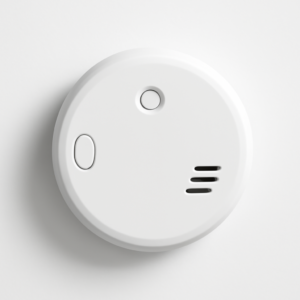
The X-Sense CO Detector is a standalone carbon monoxide alarm with a digital readout, a straightforward pick for adding coverage on extra levels or outside additional bedrooms.
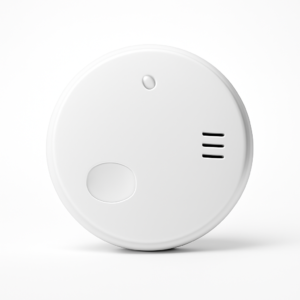
The First Alert CO710 Carbon Monoxide Detector pairs a sealed 10-year battery with a digital display, so it can go anywhere without wiring and stays put for the life of the sensor.
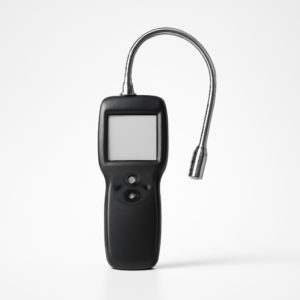
The Kidde Nighthawk CO + Gas is a plug-in alarm with battery backup that senses both carbon monoxide and explosive gas such as natural gas or propane, a good fit near a gas range, furnace or water heater.
The First Alert CO Alarm is a basic battery-powered CO alarm from a widely stocked brand, practical for covering every level and sleeping area without much setup.
Related guides
For a wider comparison of models and features, start with the best carbon monoxide detector buyer's guide. Homeowners weighing a two-in-one unit can read the combination smoke and carbon monoxide detector guide, and those who want readings below the standard alarm threshold should see the low level carbon monoxide detector guide.
Placement questions are covered in detail in where to put a carbon monoxide detector, and unit counts for different home sizes are in how many carbon monoxide detectors you need. If a unit keeps chirping, why a carbon monoxide detector beeps explains the common patterns, and the CO detector replacement guide covers end-of-life timing.
Many buyers also ask whether a carbon monoxide detector will detect a gas leak; the short answer is no, unless the unit also has an explosive-gas sensor. Brand-specific details are in the Kidde Nighthawk carbon monoxide detector guide and the First Alert carbon monoxide detector guide. Connected options are compared in the smart smoke and carbon monoxide detector guide, and travelers can check the portable carbon monoxide detector guide.
References
- CDC: About Carbon Monoxide Poisoning
- EPA: Carbon Monoxide's Impact on Indoor Air Quality
- NFPA: Carbon Monoxide Safety
Frequently asked questions
Where should a carbon monoxide detector be placed?
Install a CO alarm in a central location outside each separate sleeping area and on every level of the home, including the basement. Add coverage near rooms that adjoin an attached garage. Keep alarms away from bathrooms, vents, windows and the space directly above fuel-burning appliances, and follow the manufacturer's instructions and local code.
How long do CO detectors last?
Most carbon monoxide alarms are rated for about 7 to 10 years, depending on the model. Newer units give an end-of-life chirp or display code when the sensor is worn out. Replace the whole alarm at that point; a new battery will not restore an expired sensor.
Do I need a carbon monoxide detector if I have no gas appliances?
In most cases, yes, if the home has an attached garage, a fireplace or wood stove, or any fuel-burning device such as a generator used nearby. CO can also enter from a garage or a neighboring unit in shared buildings. Many states and local codes require CO alarms in homes with any fuel-burning appliance or attached garage, so check local rules.
Is a combination smoke and carbon monoxide detector as good as separate alarms?
A UL-listed combination alarm detects CO as reliably as a standalone unit and reduces the number of devices to manage. The trade-off is that the whole unit must be replaced when the CO sensor expires, and homes usually need more smoke alarms than CO alarms, so a mix of combos and standalone smoke alarms is common.
Will a carbon monoxide detector detect a natural gas leak?
No. A standard CO alarm only senses carbon monoxide. To detect natural gas or propane, use a model with an explosive-gas sensor, such as a combination CO and gas alarm, and treat any smell of gas as an emergency.
6 products


Guides on co & gas detectors
- Best Gas Dryer (2026): How to Choose + ENERGY STAR Shortlist
- Gas Water Heaters: Venting, Combustion Air and Lifespan
- Sewer Gas Detector: What Works and How to Find the Source
- Best Dryer (2026): How to Choose + ENERGY STAR Shortlist
- Water Heater Pilot Light Out: Causes and Safe Relighting
- Radon Testing What Is It: A Plain-Language Beginner Guide
Gear picks you can trust
Tied to our guides
Each product maps to a topic we cover in depth — radon, mold, lead, moisture, electrical and thermal inspection — so you know what the tool is for before you buy.
Short list on purpose
No endless catalog. We list the kinds of kits and meters we’d point a homeowner or new inspector to, not every model on the market.
No extra cost
Buttons open Amazon, where you check the live price and buy. As an Amazon Associate we earn from qualifying purchases, at no cost to you.
Frequently asked
- Do you sell these products?
- No. We’re a guide-first site — every button takes you to Amazon to complete the purchase there.
- Why don’t you show prices?
- Amazon prices change constantly, so we send you to the live listing rather than show a number that may be out of date.
- Is a DIY kit a substitute for a professional inspection?
- For screening, often yes. For real-estate transactions, remediation clearance or anything health-critical, use a certified professional — our guides explain when.