Kidde Nighthawk Carbon Monoxide Detector Guide
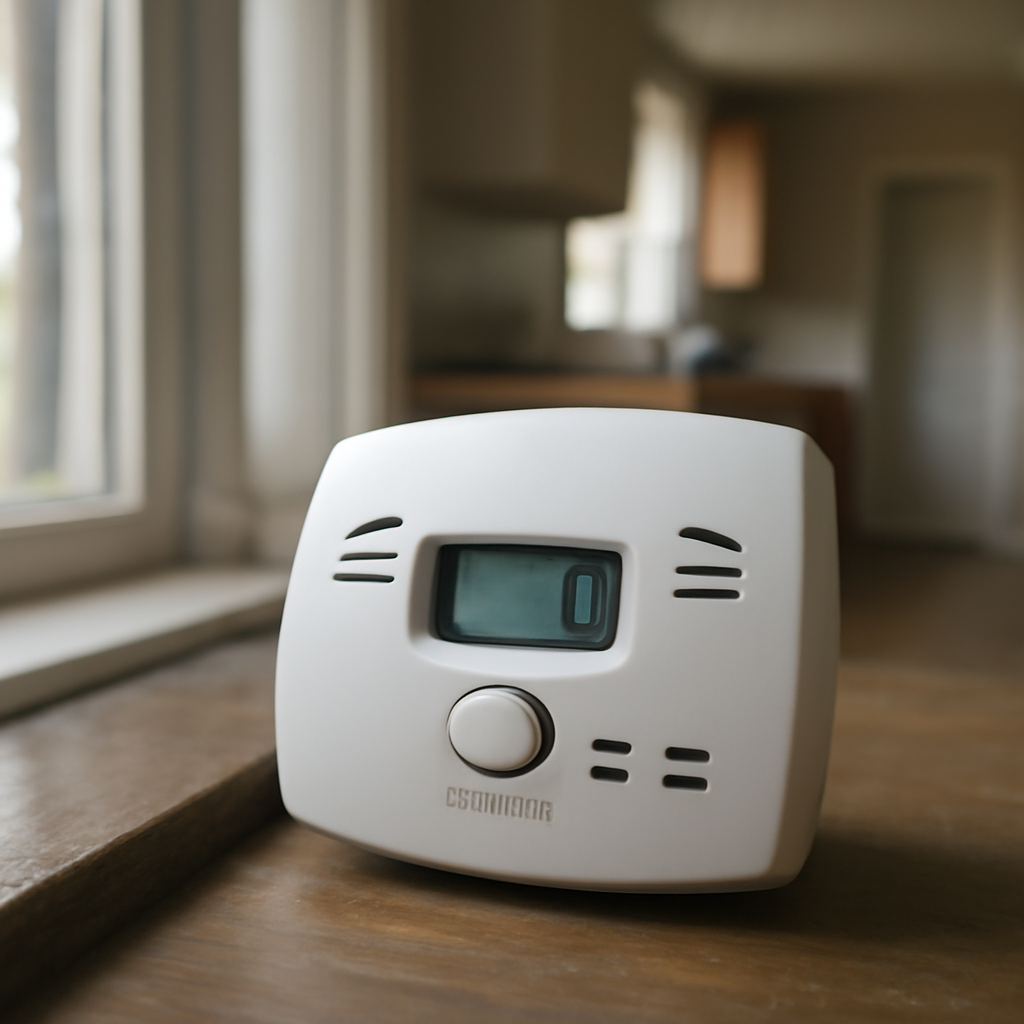
The Kidde Nighthawk name has been attached to carbon monoxide detectors for years, and it remains a common search for homeowners trying to identify, use, or replace a unit they already own. The line is known for a digital display that shows carbon monoxide levels in parts per million, a feature that distinguishes it from simpler alarm-only models. Because some older Nighthawk units are now well past their service life, understanding what the device does, how to read its display and warnings, and what current replacement options exist matters as much as knowing the product name. This guide summarizes how the detector works and how to keep CO protection current.
Part of our Home Inspection Tools guide — start there for the full picture →
What the Kidde Nighthawk Carbon Monoxide Detector Does
The Kidde Nighthawk carbon monoxide detector senses carbon monoxide, a colorless and odorless gas produced by incomplete combustion, and sounds a loud alarm when levels become dangerous. Its signature feature is a digital readout that displays the current CO concentration in parts per million (ppm), and many versions can show the peak level recorded since the last reset. That memory feature helps identify whether a home has experienced elevated CO even when no one was present to hear an alarm. Models have come in plug-in, battery, and combination configurations over the product’s history.
The digital display sets the Nighthawk apart from basic alarms that only sound at a single threshold. Seeing a number lets a homeowner distinguish a brief, low reading from a sustained, rising one, which is useful information for a technician investigating the source. For broader context on how these life-safety devices fit a home, our overview of the home carbon monoxide detector covers the category.
Reading the Display and Alarm Patterns
The ppm display is the most useful everyday feature. Carbon monoxide alarms are designed to sound based on both concentration and time, alarming faster at high levels and after a longer interval at low ones, consistent with the U.S. performance standard for CO alarms. A digital model lets a homeowner watch the trend. A reading that climbs and holds is a clear signal to ventilate, leave, and call for help, while a brief blip from a passing source may not reach the alarm threshold.
Beyond the full alarm, the unit uses chirps and codes to communicate its own status. A periodic single chirp typically signals a low battery in battery-equipped models, while a different pattern indicates a fault or end of life. The owner’s manual for the specific model decodes these patterns. Our explainer on a carbon monoxide detector beeping three times helps interpret the warning sounds so the correct response follows.
What a Full Alarm Means
A continuous, loud alarm means potentially dangerous carbon monoxide is present. The correct response is to move everyone, including pets, to fresh air immediately, then call 911 or the fire department from outside. Symptoms such as headache, dizziness, nausea, and confusion warrant medical attention. The home should not be reoccupied until responders confirm it is safe and the source of the CO has been found and corrected. Treating the alarm as a real emergency every time is the only safe approach.
How the Electrochemical Sensor Works
The carbon monoxide sensor in a Nighthawk and most modern alarms is an electrochemical cell. Carbon monoxide entering the cell triggers a chemical reaction that produces a small electrical current proportional to the gas concentration, and the circuit translates that current into the ppm figure shown on the display. This sensing method is accurate at the low concentrations that matter for health and uses little power, which is why it has become the standard for residential CO detection.
The same chemistry that makes the cell accurate also gives it a finite life. The reactive material is gradually consumed over years of exposure to ordinary air, whether or not the alarm ever encounters carbon monoxide. As the cell ages, its response slows and eventually fails, which is why every CO alarm carries an end-of-life date. A digital reading can give a false impression of health, since the display may still show a number long after the sensor has lost the ability to respond to a genuine CO event.
Understanding Peak Memory
Many Nighthawk units include a peak-level memory that records the highest CO concentration measured since the last reset. This feature is useful after the fact, letting a homeowner or technician see whether the home experienced elevated CO while no one was present. A high stored peak is a prompt to investigate appliances and venting even if no alarm was heard. Resetting the memory after addressing a problem provides a clean baseline for spotting future events, turning the detector into a simple record-keeper as well as an alarm.
Lifespan and End-of-Life Warnings
Like all carbon monoxide alarms, the Nighthawk has a limited service life because its sensor degrades over time. Older units in the line had service lives that have long since passed, so a Nighthawk that has been on the wall for many years is very likely expired even if it still powers on and displays a number. A digital reading is not proof that the sensor still responds accurately to real carbon monoxide; the end-of-life date is the deciding factor.
Many units signal end of life with a distinct chirp and an error indication on the display. Because changing the battery does not refresh the sensor, an end-of-life signal that persists after a new battery means the whole unit must be replaced. Homeowners who are unsure of a unit’s age should err toward replacement, since an expired CO alarm provides a false sense of security against a hazard that gives no other warning. Knowing the manufacture date, often printed on the back, settles the question.
Placement for a CO Alarm
Correct placement makes any CO alarm effective. Install carbon monoxide alarms on every level of the home and outside each separate sleeping area, so the sound can wake people in their bedrooms. Because carbon monoxide mixes fairly evenly with indoor air, mounting height is less critical than for fuel-gas detectors, but manufacturers advise keeping units away from the immediate vicinity of fuel-burning appliances, away from bathrooms and kitchens prone to nuisance triggers, and out of dead-air spaces like the peak of a vaulted ceiling.
In Colorado, state law requires carbon monoxide alarms near sleeping areas in many dwellings, so confirming coverage on every floor is both a safety step and a compliance one. A plug-in digital model is convenient near an outlet in a hallway outside bedrooms, while battery models offer placement flexibility where outlets are scarce. Homeowners weighing current models can compare features in the home inspection tools buyer’s guide before choosing a replacement.
Sources of Carbon Monoxide to Watch
Understanding where CO comes from helps a homeowner place alarms and investigate a reading. Furnaces with cracked heat exchangers, water heaters with blocked vents, gas ranges used for heating, fireplaces and wood stoves, portable generators run too close to the house, and vehicles idling in an attached garage are all common sources. Front Range households face higher risk in winter, when furnaces run hard and windows stay closed, and during power outages when generators and alternative heat come into use.
Choosing a Current Replacement
For anyone whose Nighthawk has reached end of life, the replacement market offers several upgrades. Sealed ten-year battery alarms eliminate battery changes for the life of the unit. Combination smoke and CO alarms reduce the number of devices on the ceiling. Hardwired interconnected models sound every alarm in the house when one trips, valuable in larger homes. Smart models add phone alerts for households that travel. Many current alarms retain the digital ppm display that made the Nighthawk popular.
Whatever the choice, the replacement should carry a recognized testing-laboratory listing mark confirming it meets the U.S. CO alarm standard, and the home should have coverage on every level and near every sleeping area. Replacing all aging alarms at once keeps the set on a consistent schedule. Writing the install date on each new unit makes the next replacement easy to plan, and setting a calendar reminder for the end-of-life date prevents an expired alarm from quietly leaving a gap.
Low-Level Readings and Chronic Exposure
One advantage of a digital model is the ability to notice low-level carbon monoxide that an alarm-only unit would never report. Standard CO alarms are designed not to sound at low concentrations over short periods, both to avoid nuisance trips and because the standard targets levels that pose acute risk. A digital display, however, can reveal a persistent low reading from a slightly malfunctioning appliance. While such levels may not trigger the alarm, a steady low number is worth investigating, since chronic low-level exposure can cause vague symptoms that are easy to misattribute.
Anyone seeing a recurring low reading should have the home’s combustion appliances checked by a qualified technician. The furnace, water heater, and any gas range or fireplace are the usual suspects. Catching a minor venting or combustion problem early, before it worsens into a dangerous event, is one of the practical benefits the digital display offers over a simpler alarm. The number is a tool for prevention, not just for emergencies.
Keeping CO Protection Reliable
Maintenance for any CO alarm, Nighthawk or its successor, is simple. Test the unit monthly with its test button to confirm the horn and electronics work, keeping in mind that the button does not verify the sensor’s response to actual gas. Replace batteries on schedule in serviceable models, vacuum dust from the vents a few times a year, and replace the entire unit at its end-of-life date. Never silence a persistent chirp by removing the battery or unplugging the device.
Carbon monoxide is undetectable by human senses, which is the entire reason these alarms exist. A digital model like the Kidde Nighthawk added the helpful ability to see a number, but the underlying rules are the same for every CO alarm: place it correctly, test it monthly, and replace it on time. Paired with working smoke alarms and, in gas-heated homes, a combustible gas detector, an up-to-date carbon monoxide alarm keeps a household protected against a hazard it cannot see, smell, or taste.
Common Questions About Older Units
Homeowners often find a Nighthawk already installed when they buy a house and wonder whether to keep it. The safest assumption is that an inherited unit of unknown age is expired and should be replaced, since the sensor’s life is measured in years and a previous owner’s install date is rarely documented. The small cost of a new alarm is trivial against the risk of relying on a depleted sensor. Checking the manufacture date stamped on the housing, when present, can confirm whether the unit is genuinely past its service life.
Another frequent question is whether a digital display unit is inherently better than a basic beeping alarm. The display adds useful information and the ability to spot low-level trends, but a simple alarm that is current and correctly placed protects against acute CO just as well. The most important factors for any unit are that it is within its service life, listed to the proper standard, placed on every level and near sleeping areas, and tested regularly. The display is a helpful bonus rather than a substitute for those fundamentals. For Front Range households heating with gas through long winters, getting those fundamentals right is what keeps the protection meaningful, whichever model hangs in the hallway. A few minutes spent confirming the age of every alarm in the house today can prevent a silent and entirely avoidable danger tomorrow. That single habit, repeated each year, is the heart of reliable carbon monoxide protection in any home, old unit or new.
References
- Carbon Monoxide Poisoning Prevention — Centers for Disease Control and Prevention
- Carbon Monoxide Alarm Guidance — National Fire Protection Association
- Carbon Monoxide and Indoor Air Quality — U.S. Environmental Protection Agency
Frequently asked questions
How long does a Kidde Nighthawk carbon monoxide detector last?
Like all CO alarms, it has a limited service life set by the manufacturer, after which the sensor can no longer be trusted. Many older Nighthawk units are now well past their service life and should be replaced even if they still display a reading.
What does the number on the display mean?
It shows the current carbon monoxide concentration in parts per million, and many units can show the peak level since the last reset. A rising, sustained reading is a reason to ventilate and leave, while a brief low reading may not reach the alarm threshold.
Why does my detector chirp after I replaced the battery?
A chirp that continues after a fresh battery usually signals end of life rather than low battery. The aged sensor cannot be reset, so the entire unit must be replaced. Check the manual to confirm the chirp pattern's meaning.
What should I replace an old Nighthawk with?
Options include sealed ten-year battery alarms, combination smoke and CO units, hardwired interconnected models, and smart alarms with phone alerts. Choose a unit with a recognized testing-laboratory listing mark and keep coverage on every level and near sleeping areas.
CO & gas detectors
A carbon monoxide alarm is the cheapest life-safety device in the house. Combination CO + explosive-gas units add a layer near furnaces and gas lines.
| Product | Why | Buy |
|---|---|---|
 First Alert CO Alarm First Alert CO Alarm | Plug-in with battery backup. | Amazon — $21.99 |
 Kidde Nighthawk CO + Gas Kidde Nighthawk CO + Gas | Detects CO + natural/propane gas. | Amazon — $57.47 |