RV Carbon Monoxide Detector: What to Know
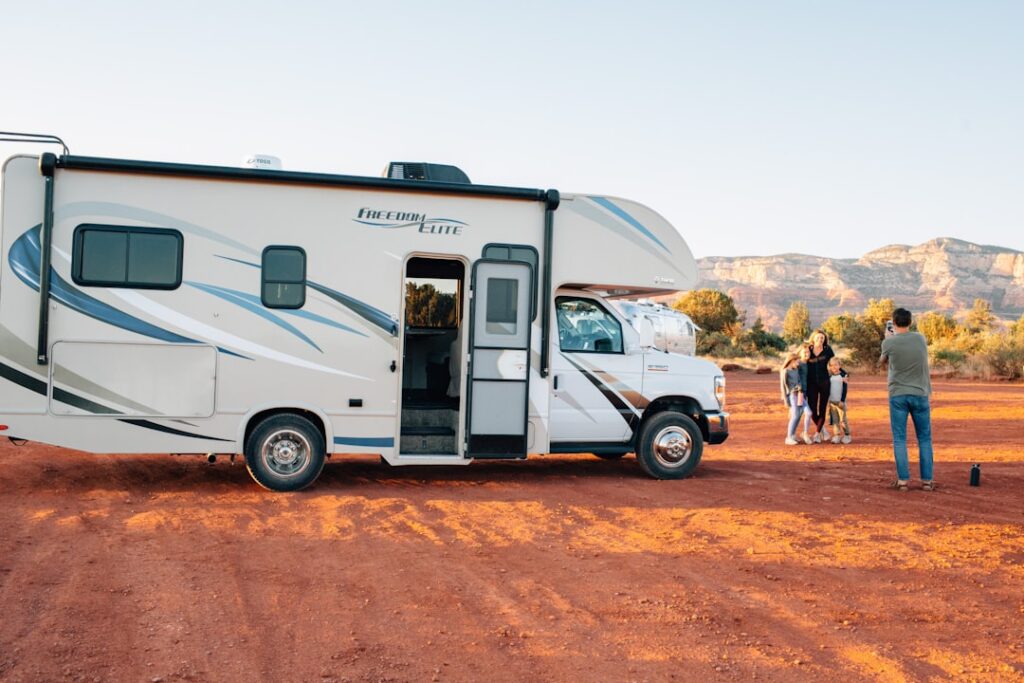
A recreational vehicle is a home on wheels, and it carries the same carbon monoxide risks as a house packed into a far smaller space. Generators, propane appliances, and the exhaust of a vehicle idling nearby can all push deadly gas into a cabin where you sleep just feet from the engine. An rv carbon monoxide detector is the single device standing between that invisible gas and the people inside. Because RV interiors are tight and poorly buffered, a working detector is not optional gear; it is the difference between a near-miss and a tragedy.
Part of our Home Inspection Tools guide — start there for the full picture →
Why an RV carbon monoxide detector is essential
Carbon monoxide, or CO, is a colorless, odorless gas produced whenever fuel burns incompletely. In an RV, the sources stack up fast: onboard generators, propane furnaces and water heaters, gas stoves, and exhaust from the tow vehicle or a neighboring rig at a campsite. The Centers for Disease Control and Prevention reports that carbon monoxide poisoning causes hundreds of accidental deaths in the United States each year, and confined spaces raise the danger.
An RV’s small volume means CO concentration climbs quickly. A leak that might dilute harmlessly in a large house can reach dangerous levels in a camper within minutes. Add the fact that travelers often sleep with appliances running, and the case for a dedicated, RV-rated detector becomes clear. These units are built to handle the vibration, temperature swings, and humidity that mobile life dishes out, conditions a basic household alarm is not designed for.
How RV carbon monoxide detectors work
Most RV CO detectors use an electrochemical sensor. Inside the unit, carbon monoxide reacts with a chemical cell and generates a tiny electrical current proportional to the gas concentration. When that current crosses a threshold tied to both CO level and exposure time, the alarm sounds. This time-weighted logic matters: low concentrations over long periods and high concentrations over short periods can both be dangerous, and a good sensor accounts for both.
RV-specific models typically run on 12-volt DC power drawn from the coach battery, sometimes with a battery backup, rather than household 120-volt wiring. Some combine carbon monoxide and propane (LP gas) detection in one unit, mounting low on a wall because propane is heavier than air while CO mixes throughout the cabin. Understanding that distinction prevents a common mistake covered more fully in this overview of how CO detectors work for homeowners.
Where to place a detector in an RV
Placement decides whether a detector does its job. Carbon monoxide mixes evenly with air, so a CO-only detector belongs at roughly the height where people breathe and sleep, on a wall in the main living and sleeping area. Manufacturers usually specify mounting it on a wall, not the ceiling, and away from the floor.
Keep the detector clear of certain spots. Mounting it too close to the propane furnace, stove, or a high-traffic doorway can trigger nuisance alarms or expose the sensor to fumes that shorten its life. Avoid corners with dead air and locations near windows or vents where a draft could blow CO past the sensor before it registers. In a larger fifth wheel or motorhome with separate sleeping quarters, a second detector near the bedroom adds a meaningful margin of safety.
A combination CO and LP gas unit changes the math, since propane sinks. Those are usually installed within a few inches of the floor. Always follow the specific model’s instructions rather than guessing, because the right height depends on what the unit is built to sense.
Testing and maintaining your detector
A detector only protects you if it works, and RV life is hard on electronics. Press the test button at the start of every trip and again periodically during long stays. The test confirms the alarm and circuitry function, though it does not verify the sensor’s ability to detect gas.
Keep the vents on the unit free of dust and cobwebs, which collect quickly in stored rigs. Check the coach battery, since a dead or disconnected battery leaves a 12-volt detector powerless. After winter storage, retest before the first trip. Many RV owners pair this routine with checking the rig’s other safety gear, an approach similar to how a household might use a portable travel CO detector as a backup layer when away from home.
Watch for false alarms too. Chronic nuisance tripping can signal a real low-level leak, a failing sensor, or a unit nearing the end of its life. Never disable a detector to silence it; investigate the cause instead.
When to replace an RV carbon monoxide detector
Electrochemical sensors wear out. Most RV carbon monoxide detectors carry a service life of five to seven years from the date of manufacture, and many have a built-in end-of-life chirp that signals replacement is due. Check the date stamped on the back of the unit; if you bought a used RV, that date may already be past, leaving you with a detector that looks fine but no longer senses gas reliably.
Replace the entire unit rather than trying to swap the sensor in most consumer models. When buying a replacement, choose a detector listed for RV or marine use, confirm it matches your coach’s power system, and decide whether a combination CO/LP unit fits your needs. Brands like Safe-T-Alert, MTI Industries, and similar RV-focused makers dominate this niche for good reason: their products are engineered for the vibration and temperature extremes of the road.
Recognizing carbon monoxide poisoning on the road
Even with a detector, knowing the symptoms of CO exposure saves lives. Early signs mimic the flu: headache, dizziness, nausea, fatigue, and confusion. Because these feel ordinary, travelers often dismiss them, especially after a long drive. The tell is that symptoms ease when you step outside into fresh air and return indoors.
If a detector alarms or anyone shows symptoms, get everyone out of the RV into fresh air immediately, then call emergency services. Do not re-enter until the source is found and corrected. Common culprits include running a generator with the exhaust pointed toward the cabin, a cracked furnace heat exchanger, or idling too close to another vehicle. Prevention beats response: never run a generator while parked tightly among other rigs, and never use a propane stove or grill to heat the cabin.
Common sources of CO in a recreational vehicle
Understanding where the gas comes from helps travelers prevent leaks before a detector ever sounds. The onboard generator is the most notorious source. Generators vent exhaust that contains high concentrations of carbon monoxide, and when a rig is parked with the exhaust pointed toward an open window, a slide-out, or another vehicle, that exhaust can find its way inside. Wind can also push generator fumes back toward the cabin even when the exhaust seems aimed away.
Propane appliances are the second major category. A furnace with a cracked heat exchanger, a water heater with a blocked flue, or a stove burning with a poorly adjusted flame can all produce carbon monoxide. Using a propane stove or oven to heat the cabin, a dangerous shortcut on cold nights, is a classic cause of poisoning because the appliance was never designed for sustained space heating in a sealed space.
External sources matter too. Idling the tow vehicle, a neighbor’s generator at a packed campsite, or exhaust drifting under the rig can all raise interior CO. This is why campground etiquette and detector vigilance go hand in hand, and why a working alarm is the only reliable defense against sources you cannot control.
Higher-concentration danger and vulnerable travelers
At higher concentrations, carbon monoxide can cause loss of consciousness quickly, leaving no chance to react, which is exactly why an automatic alarm matters more than relying on noticing symptoms. Children, older adults, pregnant travelers, and pets can be affected sooner than healthy adults, so a sleeping family is the most vulnerable scenario of all. Pets in particular, with their faster metabolism and smaller body size, sometimes show distress before people do, a reason some travelers treat an unsettled dog at a campsite as worth investigating.
Altitude compounds the risk for those who camp in Colorado’s high country. Thinner mountain air already carries less oxygen, so the body has less margin before carbon monoxide, which binds to hemoglobin far more readily than oxygen, pushes blood oxygen to dangerous levels. A rig dispersed-camping above 9,000 feet with a propane furnace running through a cold night sits at the intersection of two stressors, making a working, RV-rated detector all the more essential.
Choosing the right detector for your rig
Not every CO alarm suits an RV. Choose a unit specifically listed for recreational vehicle or marine use, since those are built to tolerate the vibration, temperature extremes, and humidity of life on the road that would shorten the life of an ordinary household alarm. Confirm the detector matches your coach’s power system, typically 12-volt DC, and decide whether a combination CO and propane unit fits your layout.
Brands like Safe-T-Alert and MTI Industries focus on this niche for good reason. Look for a clear alarm, a visible status indicator, and a manufacture date you can verify is recent rather than a unit that has aged on a shelf. A digital display showing the detected CO level is a useful feature, letting you distinguish a genuine emergency from a brief, low-level reading worth investigating.
Generator placement and campsite habits
Because the onboard or portable generator is the leading source of CO in recreational vehicles, where and how it runs matters as much as the detector itself. A portable generator should sit well away from the rig with its exhaust pointed away from windows, doors, slide-outs, and the vents that feed the cabin. The CDC guidance for generators, run them far from any structure and never in an enclosed space, applies just as strictly to a camper as to a house. Built-in generators vent through a fixed tailpipe, but that tailpipe can corrode, loosen, or develop a leak that lets exhaust seep up into the coach, which is why an annual inspection of the exhaust system is worthwhile. A simple discipline helps: shut the generator off before sleeping unless the rig is specifically equipped and positioned for safe overnight operation, since the hours of sleep are precisely when nobody is watching the detector or noticing early symptoms.
Campsite layout introduces risks a traveler cannot fully control. At a packed campground, a neighbor’s generator exhaust can drift toward your rig regardless of how carefully you position your own. Wind shifts overnight, and an exhaust stream that pointed safely away at dusk can wash back toward an open window by morning. Parking with awareness of prevailing wind, keeping the rig’s CO detector unobstructed, and cracking a roof vent for cross-ventilation all reduce the odds of accumulation. None of these habits replaces the detector; they lower the chance it ever has to sound.
A pre-trip habit ties the precautions together. Before setting out, confirm the detector tests good, the coach battery that powers it is charged, the generator exhaust path is clear and undamaged, and the propane appliances are venting properly. Travelers who tow into Colorado’s high country can add a quick check of the furnace operation, since a propane furnace working hard against cold mountain nights is among the appliances most likely to produce CO if its combustion or venting falters. A few minutes of inspection at the start of a trip catches problems before they surface miles from help.
When to call a professional
A homeowner-traveler can mount, test, and replace a detector without help. But if alarms recur without an obvious cause, an RV service technician should inspect the propane system, furnace heat exchanger, and generator exhaust for leaks. These components fail in ways that are hard to spot from inside the cabin, and a qualified tech has the tools to test them under pressure.
Before a long season on the road, a full safety check of the LP system, detectors, and combustion appliances is money well spent. The same diligence homeowners apply to the safety devices in their houses belongs in any vehicle where people sleep beside burning fuel.
References
- About Carbon Monoxide Poisoning — Centers for Disease Control and Prevention
- Carbon Monoxide Safety — National Fire Protection Association
- Carbon Monoxide Poisoning Prevention — Centers for Disease Control and Prevention
Frequently asked questions
Where should a carbon monoxide detector go in an RV?
A CO-only detector should mount on a wall at roughly breathing and sleeping height in the main living area, away from the furnace, stove, and doorways. Combination CO and propane units mount low near the floor because propane is heavier than air. Always follow the model's instructions.
How long does an RV carbon monoxide detector last?
Most RV CO detectors last five to seven years from their manufacture date. Many chirp an end-of-life warning when it is time to replace them. Check the date stamped on the unit, especially in a used RV.
Do RVs need a special carbon monoxide detector?
Yes. RV-rated detectors are built to handle vibration, temperature swings, and humidity, and they typically run on 12-volt coach power. A standard household alarm is not designed for those conditions.
What should I do if my RV CO detector alarms?
Get everyone out into fresh air immediately and call emergency services. Do not re-enter until the source is found and fixed. Common causes include generator exhaust, a cracked furnace heat exchanger, or idling too close to another vehicle.
Can I run my RV generator overnight while sleeping?
It is risky unless the rig is specifically equipped and positioned for safe overnight operation. The hours of sleep are when nobody can notice early symptoms or watch the detector, so many travelers shut the generator off before bed. Always keep a working RV-rated CO detector regardless.
CO & gas detectors
A carbon monoxide alarm is the cheapest life-safety device in the house. Combination CO + explosive-gas units add a layer near furnaces and gas lines.
| Product | Why | Buy |
|---|---|---|
 First Alert CO Alarm First Alert CO Alarm | Plug-in with battery backup. | Amazon — $21.99 |
 Kidde Nighthawk CO + Gas Kidde Nighthawk CO + Gas | Detects CO + natural/propane gas. | Amazon — $57.47 |