Crawl Space & Attic Guide: Insulation, Vapor Barriers & Sealing
Crawl spaces and attics are the two parts of a house most owners rarely visit, and they are where moisture, mold and insulation problems tend to build quietly for years. This hub gathers our guidance on both: how vapor barriers and crawl space encapsulation work, which insulation suits each situation, how to deal with mold and musty odors, and what repairs usually cost. Colorado’s Front Range adds its own twist. The climate is dry, so many crawl spaces suffer more from poor drainage and open vents than from humid air, and the region’s high radon levels make a sealed crawl space a natural place to add radon control. For the wider picture of floors, walls and attics, see our crawl space and attic insulation pillar. This is general guidance, not engineering advice; have a qualified professional assess your own house.
Crawl space repair and encapsulation costs
Price is usually the first question once an inspector flags a crawl space. Costs depend on square footage, clearance height, how wet the ground is, whether old insulation or debris must come out, and whether drainage work is needed before anything is sealed. A full encapsulation with a heavy liner, sealed vents and conditioning is often quoted somewhere around $3,000 to $15,000, while a basic ground vapor barrier can cost far less. Treat any number as an estimate until a contractor has seen the space.
Our crawl space encapsulation cost guide breaks down liner thickness, wall coverage and labor, and the crawl space insulation price guide compares batts, rigid foam and spray foam. If the plan includes mechanical drying, read about crawl space dehumidifier cost, including power use over time. Mold cleanup is priced separately: see crawl space mold remediation cost and, for the space above the ceiling, what attic mold remediation costs. Structural fixes such as sagging joists, rotted sill plates or failed piers belong in a different budget line, covered in our guide to crawl space repair.
Encapsulation and vapor barriers
A vapor barrier is a plastic sheet laid over the soil to slow the moisture that evaporates from the ground. Encapsulation goes further: a thicker liner covers the floor and runs up the foundation walls, seams and piers are taped, vents and rim gaps are sealed, and the space is treated as part of the conditioned building rather than as outdoors. Model codes allow unvented crawl spaces when the ground is covered and the space receives some conditioned air, exhaust or dehumidification.
Start with our explainer on how a crawl space vapor barrier and insulation work together. The long-running debate over venting is laid out in vented vs encapsulated crawl spaces, and owners weighing a DIY liner can follow crawl space vapor barrier installation steps. Homes with a partial basement face similar choices, discussed in our guide to basement encapsulation.
On the Front Range, sealing often matters more than drying equipment. Outdoor air is usually dry, so the bigger risks are snowmelt and roof runoff pooling against the foundation. Grading, downspout extensions and, where needed, interior drainage come first; our crawl space moisture control guide explains that sequence.
Moisture, mold and dehumidifiers
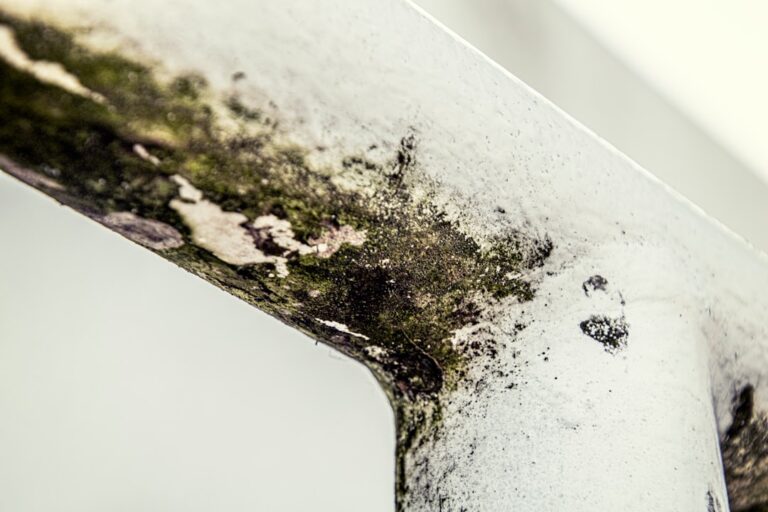
Mold in a crawl space or attic is a moisture problem first and a cleaning problem second. The EPA’s position is simple: find and fix the water source, then clean or remove what has grown. Musty odors, damp insulation, condensation on ducts and white or dark growth on joists are the usual signs.
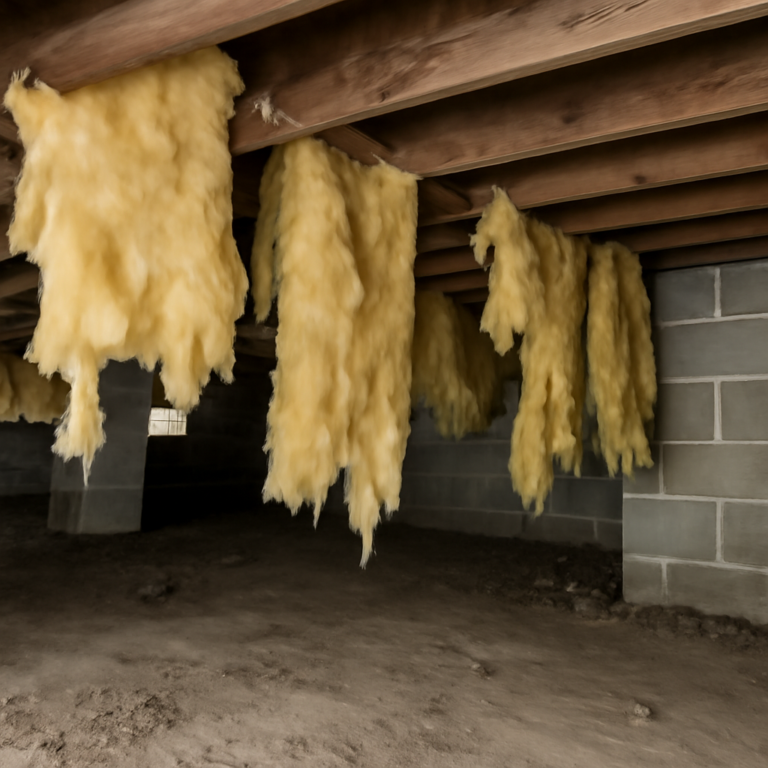
For identification, read about black mold in a crawl space and white mold in a crawl space, which is sometimes efflorescence rather than mold. Practical cleanup steps are in how to get rid of mold in a crawl space, and attic owners can turn to mold in the attic, which usually traces back to bath fans venting into the attic, air leaks or blocked soffit vents. Soaked batts rarely dry well, as wet crawl space insulation explains.
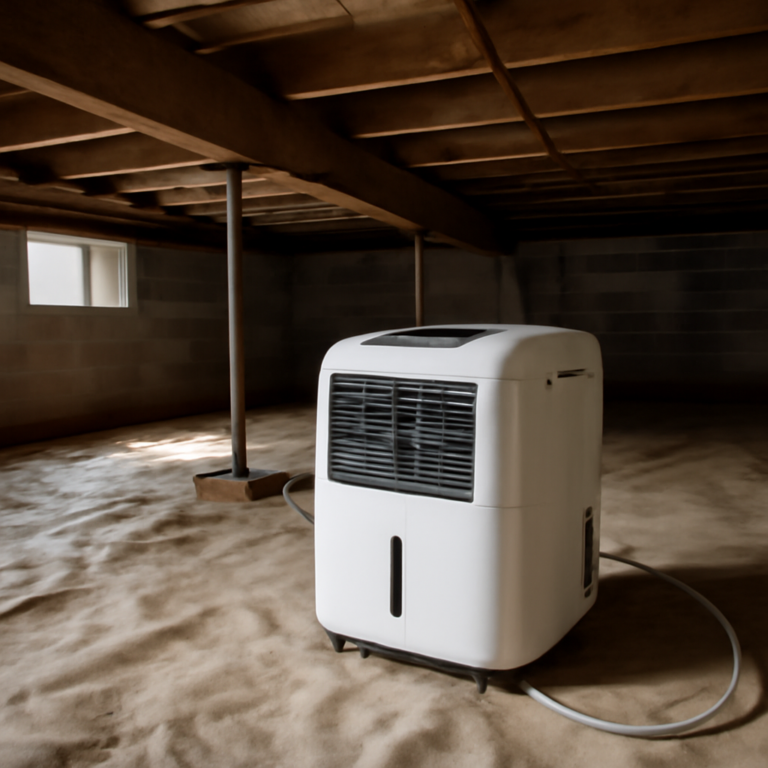
Dehumidifiers are useful in a sealed space, but they are not automatic in Colorado. Our guide to using a dehumidifier in a crawl space covers when one is justified, the crawl space dehumidifier overview explains sizing and drainage, and the best crawl space dehumidifier buyer’s guide compares models. You can also browse units in our dehumidifier product category. Measure relative humidity over several weeks before buying; many Front Range crawl spaces stay dry enough once they are sealed and drained.
Crawl space insulation
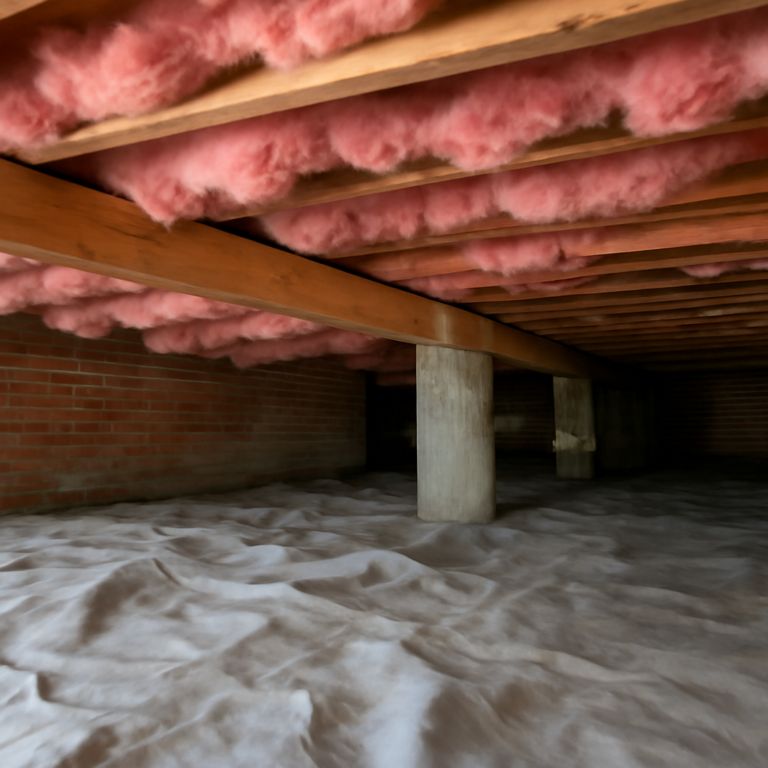
There are two main ways to insulate a crawl space. In a vented space, insulation goes between the floor joists to keep the living space above warm. In an encapsulated space, the walls are insulated instead and the floor joists are left open, because the crawl space becomes part of the heated envelope. Mixing the two approaches is a common mistake that leaves pipes cold and creates condensation.
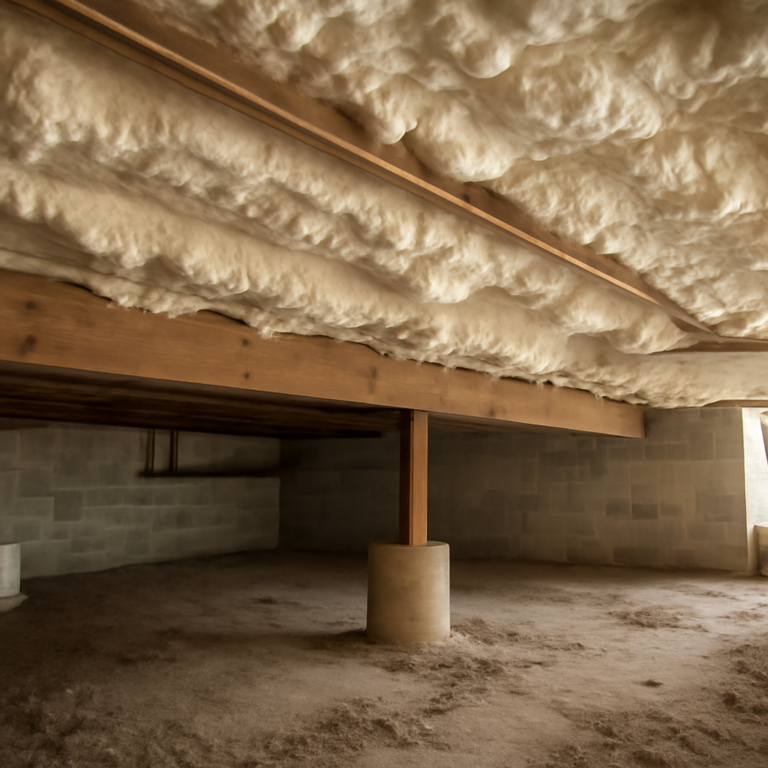
The question of whether the work is worth it comes first, and do you need crawl space insulation in Colorado answers it with local winters in mind. Our most-read how-to, floor joist insulation in a crawl space, walks through fit, support and air sealing. Kraft facings confuse many owners, which is why which way insulation should face in a crawl space is worth a read before you start. To choose a material, compare options in the best insulation for a crawl space by scenario. Closed-cell foam can serve as both insulation and air barrier on rim joists and walls; spray foam insulation for a crawl space covers cost, curing and fire-protection requirements.
Crawl space inspection basics
A home inspector following a recognized standard of practice is expected to enter a crawl space when it is reasonably accessible, or to report why it was not entered. Inside, the inspector looks at the foundation, piers, joists and subfloor, signs of water entry, insulation condition, ductwork, plumbing leaks, pests and the vapor barrier. Our guide to what a crawl space inspection covers explains how to read those findings and when to call a structural engineer or moisture specialist.
Buyers comparing listings should also know how foundation type affects upkeep, radon testing and resale. The trade-offs are covered in basement vs crawl space. Crawl spaces are cheaper to build and easier to reach for plumbing repairs, but they are more exposed to ground moisture and pests when left vented and uncovered.
Radon deserves its own note. Colorado has some of the highest radon potential in the country, and a crawl space with bare soil lets soil gas move freely into the house. When a liner is already being sealed over the ground, a contractor can often add a suction pipe and fan beneath it. That method, called sub-membrane depressurization, is the standard EPA approach for crawl-space homes. Test for radon before and after encapsulation.
Finding a crawl space contractor
Crawl space work attracts a wide range of contractors, from insulation installers to waterproofing firms that sell full encapsulation packages. Some quotes include more equipment than a dry Colorado crawl space needs. Ask for a written scope that separates drainage, liner, insulation, dehumidification and mold cleanup, so you can compare bids line by line. Be cautious of high-pressure sales visits built around a single mold photo, and ask whether the warranty covers the liner, the labor or both.
If the main complaint is an odor, start with why a crawl space smells musty, since the cause is not always mold. For insulation-only jobs, choosing a crawl space insulation pro lists the questions to ask. When mold is involved, crawl space mold remediation near you explains how cleanup and encapsulation decisions fit together, and hiring for attic mold remediation covers the attic side. Ask any contractor how they will verify results, such as humidity readings, moisture-meter readings on framing and a follow-up radon test where relevant.
Crawl space problems and likely fixes
| Problem | Likely fix | Typical cost range (estimate) |
|---|---|---|
| Bare soil, no vapor barrier | Ground vapor barrier, seams lapped and taped | Often around $1,000 to $4,000, depending on size and access |
| Standing water after snowmelt or storms | Regrade soil, extend downspouts, add interior drain or sump if needed | A few hundred dollars for gutters and grading; several thousand for drainage systems |
| Musty odor, damp framing, mold growth | Fix the moisture source, clean or remove growth, then seal | Commonly $500 to $4,000 for remediation, more for large areas |
| Cold floors, high heating bills | Floor joist insulation (vented) or wall and rim insulation (sealed) | Roughly $1,500 to $6,000 for a typical home |
| Vented space with recurring moisture | Full crawl space encapsulation with sealed vents and air or dehumidification | Often quoted around $3,000 to $15,000 |
| High radon test result | Sub-membrane depressurization under a sealed liner | Often around $1,500 to $4,500, less if a liner is already in place |
References
- A Brief Guide to Mold, Moisture and Your Home — U.S. Environmental Protection Agency
- Consumer’s Guide to Radon Reduction: How to Fix Your Home — U.S. Environmental Protection Agency
- Radon-Resistant Construction Basics and Techniques — U.S. Environmental Protection Agency
- 2021 International Residential Code — International Code Council
Frequently asked questions
What is crawl space encapsulation?
Crawl space encapsulation seals the crawl space from the outdoors and the ground. A heavy liner covers the soil and runs up the foundation walls, seams are taped, vents and rim gaps are closed, and the space receives conditioned air, exhaust or dehumidification so it stays dry.
Does a crawl space in Colorado need a dehumidifier?
Not always. The Front Range climate is dry, so many crawl spaces stay within a healthy humidity range once drainage is fixed and the space is sealed. Monitor relative humidity for several weeks after sealing before buying a dehumidifier.
How much does crawl space encapsulation cost?
Costs depend on size, clearance, liner thickness, wall coverage and any drainage or mold work needed first. Full encapsulation is often quoted somewhere around $3,000 to $15,000, while a basic ground vapor barrier usually costs much less. Get itemized written quotes.
Can a sealed crawl space help with radon?
It can. Sealing alone may lower radon slightly, but the reliable method is sub-membrane depressurization, where a fan draws soil gas from beneath the sealed liner and vents it above the roof. Test before and after the work to confirm the result.
Should crawl space insulation go in the floor or on the walls?
It depends on whether the space is vented. Vented crawl spaces are insulated between the floor joists, while sealed or encapsulated crawl spaces are insulated on the foundation walls and rim joists. Combining both approaches can leave pipes exposed to cold and cause condensation.
Trying to decide whether a Front Range crawl space needs drainage, a liner, insulation or radon work? Get in touch and we can connect you with a qualified local inspector for an independent look before you commit to a contractor’s package.
Repairs & costs

Basement Waterproofing Cost: Typical Ranges by Method

Sump Pump Replacement Cost: Typical Ranges and Cost Drivers
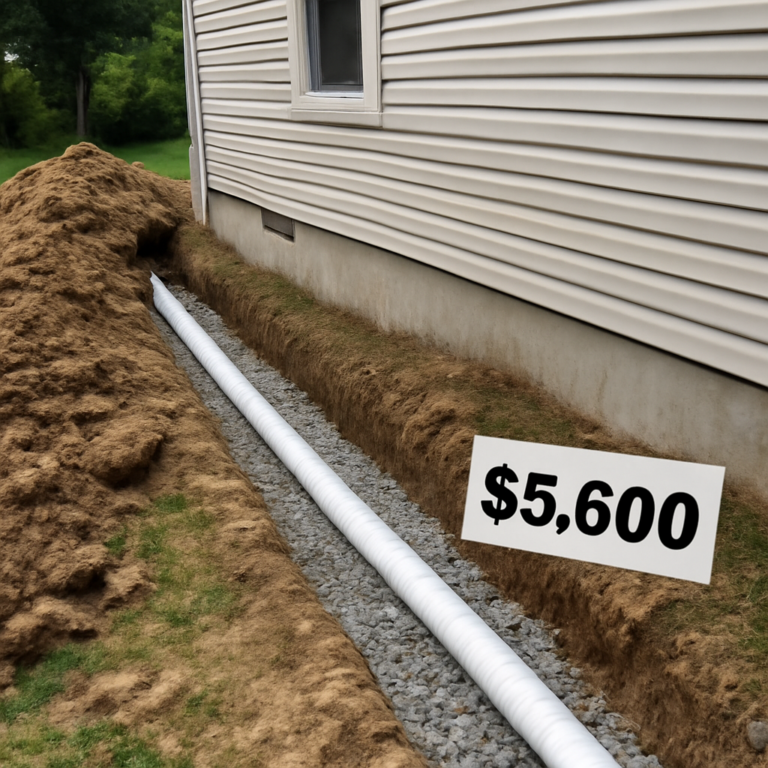
French Drain Cost: Interior vs Exterior and What Drives Price

Spray Foam Insulation Cost: Open vs Closed Cell by Area

Crawl Space Foundation Repair: Piers, Beams and Moisture

Attic Insulation Cost: Blown-In, Batts and Spray Foam
Encapsulation & vapor barriers

Vapor Barriers: Where They Belong in a Colorado Home

Basement Vapor Barriers: Walls, Floors and When to Skip Poly
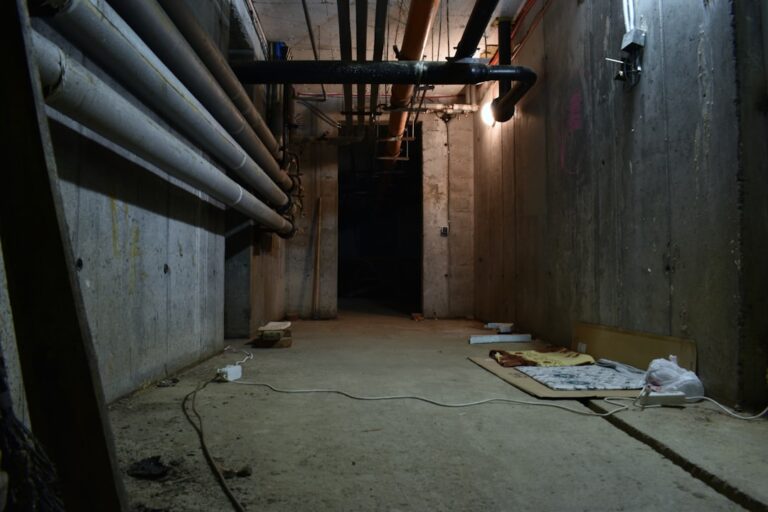
Basement Encapsulation: What It Is, Cost and When It Helps
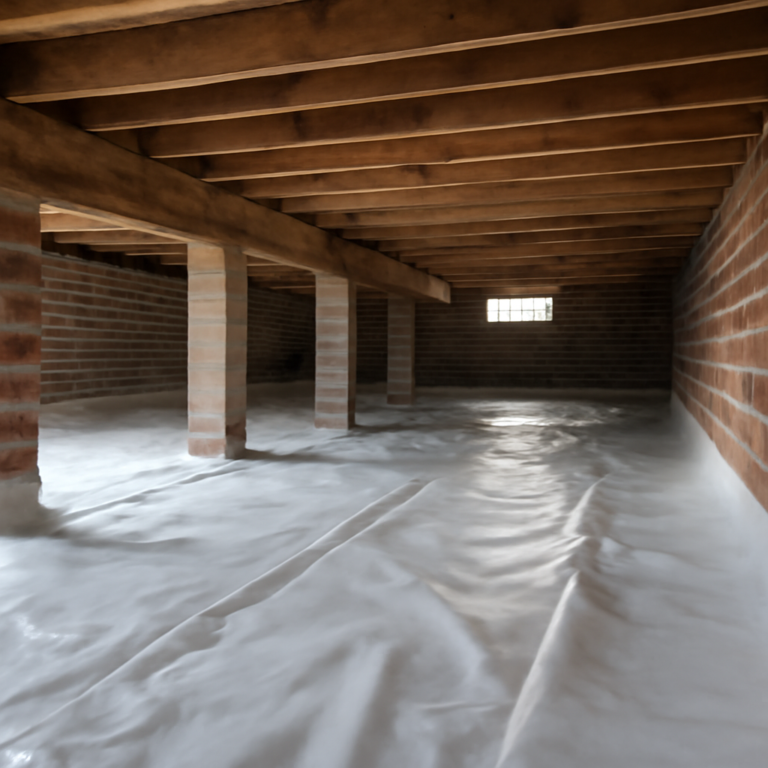
Crawl Space Vapor Barrier Installation: Steps and Cost

Vented vs Encapsulated Crawl Space: Pros, Cons and Cost
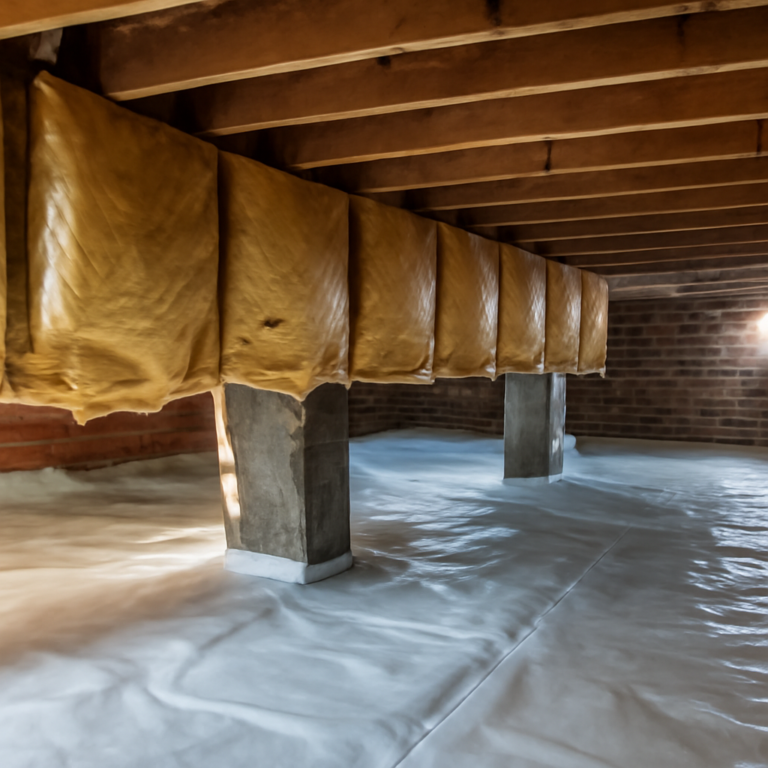
Crawl Space Vapor Barrier and Insulation: How They Work Together
Moisture, mold & waterproofing

Dehumidifier in Crawl Space: What Homeowners Need to Know

Types of Mold in Crawl Space: What Homeowners Should Know

White Mold in Crawl Space: A Homeowner’s Guide
Black Mold on Insulation: What Homeowners Should Know
Mold Remediation in Attic: What Homeowners Need to Know
Best Crawl Space Dehumidifier: A 2026 Buyer’s Guide
Insulation

Which Way Should Insulation Face in a Crawl Space?
Removing and Replacing Old Crawl Space Insulation
Best Insulation for Crawl Space: Floor, Walls & R-Values
Spray Foam Insulation for a Crawl Space Guide

Blown-In vs Batt Insulation: Cost, Coverage and Best Uses

Spray Foam vs Fiberglass Insulation: Cost, R-Value, Best Uses
Inspection & basics
Crawl Space Ventilator Fans: When They Help and When They Hurt
Crawl Space Vent Covers: When to Close Vents and When Not

Crawl Space Door: Access, Sealing, Pests and Moisture
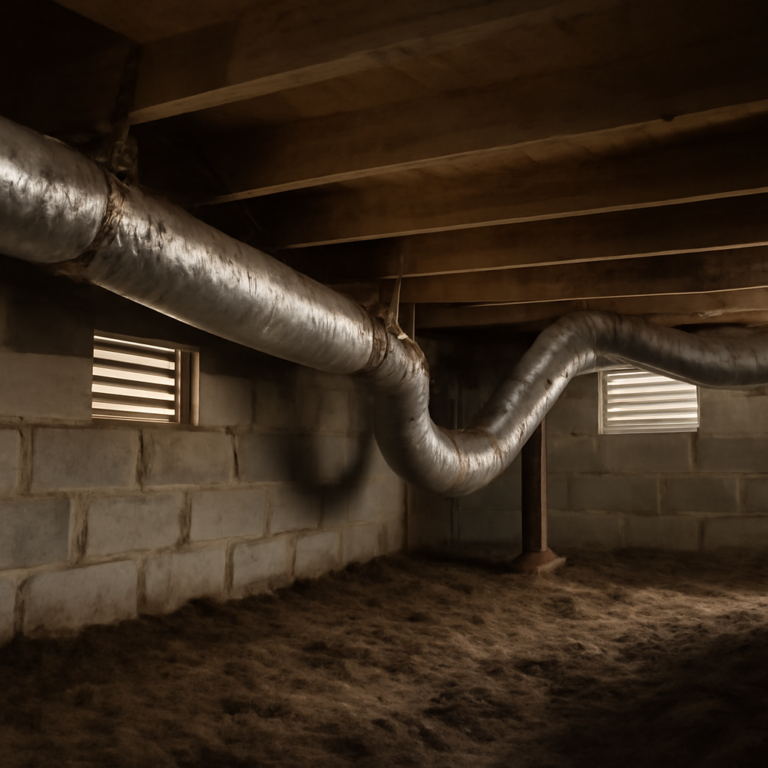
Crawl Space Vents: Open, Closed or Sealed in Colorado?
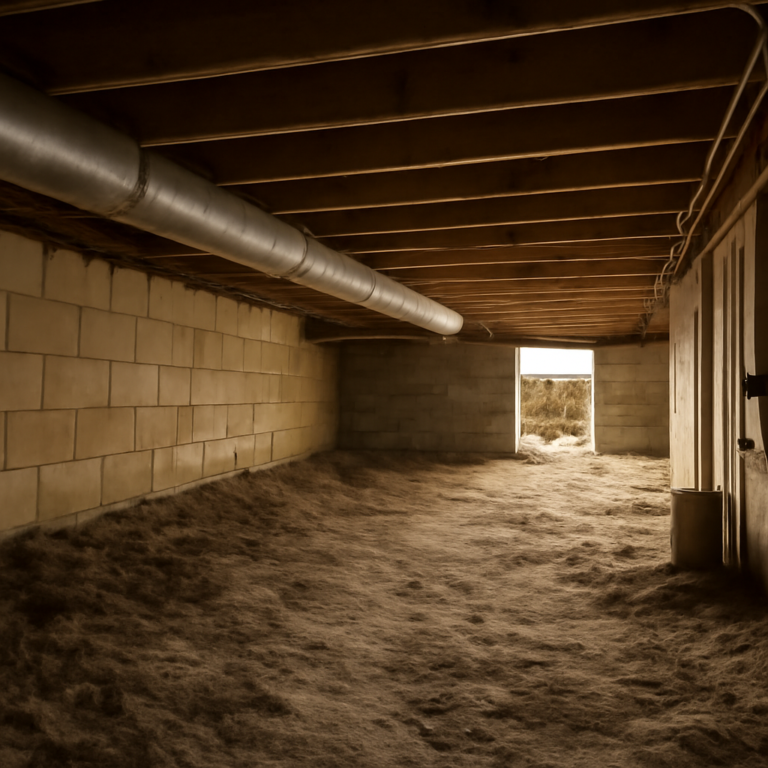
Basement vs Crawl Space: Pros, Cons and What to Inspect
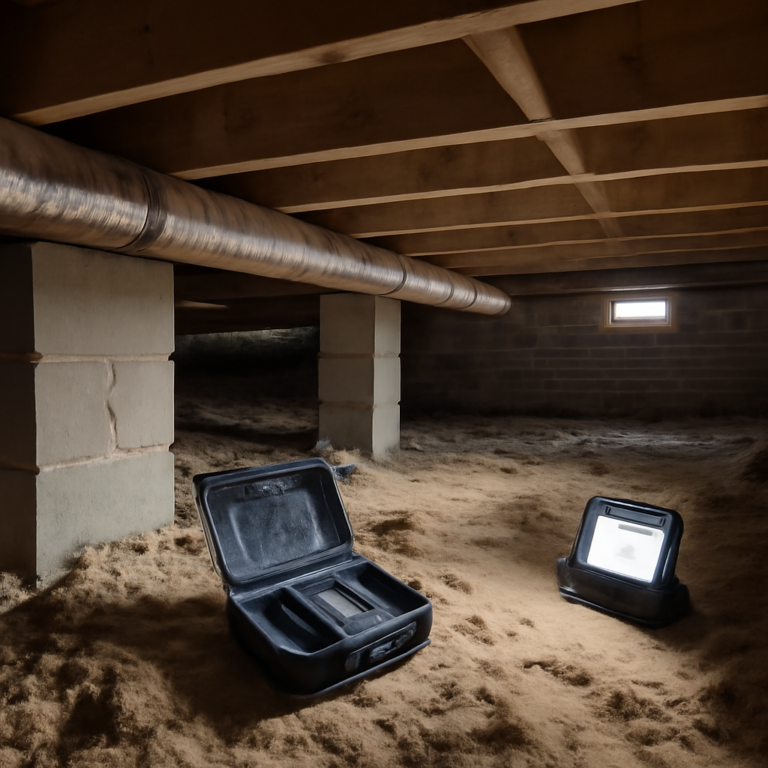
Crawl Space Inspection: What Inspectors Check and Find
More guides
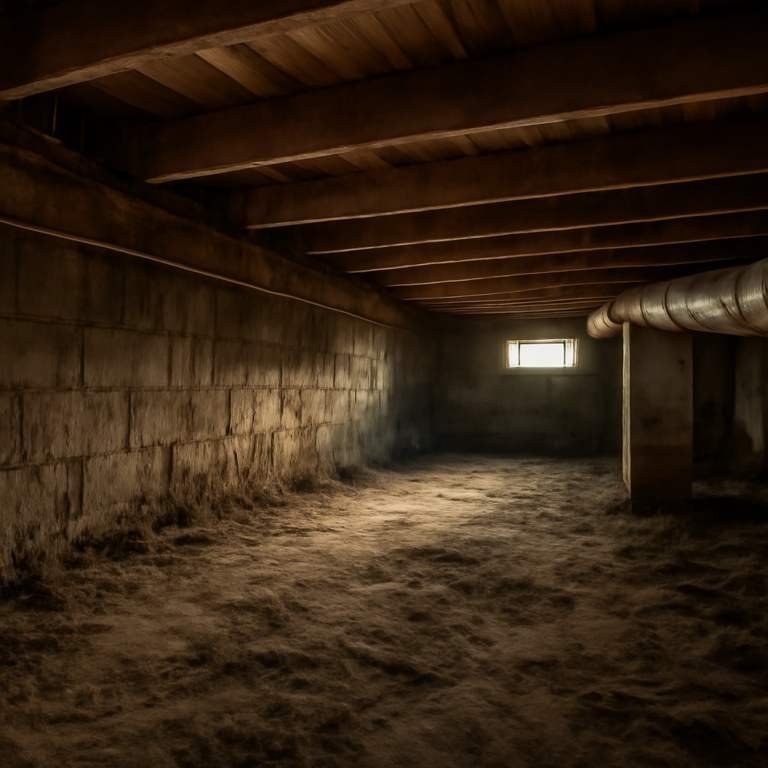
Crawl Space Smells Musty: Causes and Fixes

Crawl Space Insulation Near Me: Choosing a Pro

Crawl Space Exhaust Fans: When Mechanical Venting Helps
Ice Dams: Why They Form, Damage Risks and Prevention

Home Energy Audit: What It Finds, Blower Door Tests and Cost

Attic Mold Remediation Near Me: A Hiring Guide
Browse all 145 crawl space & attic guide guides » Back to the Crawl Space Insulation hub