Mold Remediation in Attic: What Homeowners Need to Know
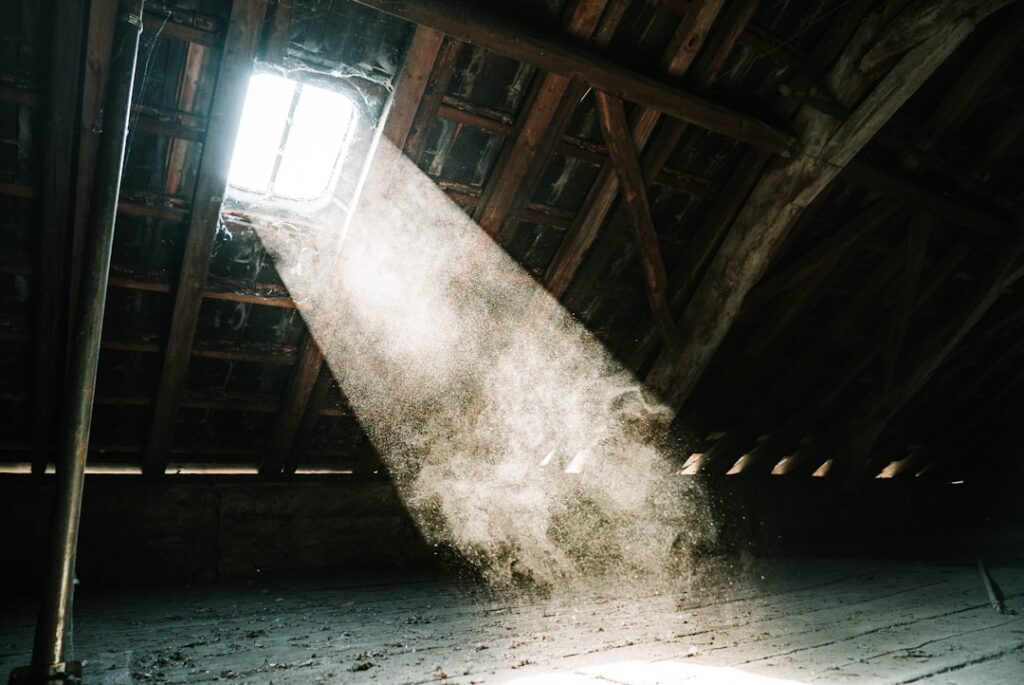
Attic mold is one of the most common findings during a home inspection, and it surprises owners who never go up there. Mold remediation in attic spaces is rarely just a cleaning job; the growth almost always traces back to a ventilation or moisture problem that has to be fixed first, or the mold simply returns on freshly cleaned wood. Understanding the cause is the key to a remediation that lasts. This guide summarizes EPA and CDC guidance current as of 2026 and is informational only — consult a physician about symptoms and a certified professional for testing and remediation decisions.
Is this mold, asbestos, or water damage? Get a free instant screen
Upload a clear photo of the suspect area. You'll get an instant AI screening opinion and what to do next. This is screening guidance, not a professional determination.
Screening guidance only. AI can be wrong. Confirm asbestos, mold type, or lead with lab testing or a licensed professional before acting.
Why attics grow mold and what remediation involves
Attic mold usually appears on the underside of the roof sheathing and on the framing as dark or gray staining. The cause is almost always trapped moisture from one of a few sources, and the EPA’s core rule applies: mold cannot grow without it. Remediation, then, is a two-part job — clean or remove the affected material, and fix the moisture pathway so it does not come back.
Skipping the second part is the classic mistake. Wood sheathing scrubbed clean will grow mold again within a season if the attic still traps humid air. A proper remediation diagnoses the source first, addresses it, and only then cleans the surface. For how attic findings fit into a whole-home picture, the mold inspection and testing hub is a useful reference, and the related guide to mold remediation steps walks through the general sequence.
Common causes of attic mold
Three moisture sources account for the large majority of attic mold.
Poor ventilation
An attic needs balanced intake and exhaust ventilation — typically soffit vents drawing air in and ridge or gable vents letting it out — so warm, moist air does not stagnate against cool sheathing. Blocked soffit vents, often buried under insulation, are a frequent culprit. Without airflow, humidity condenses on the underside of the roof and feeds mold.
Bathroom and dryer vents dumping into the attic
This is one of the most common and most fixable causes. A bathroom exhaust fan or clothes dryer that vents into the attic instead of through the roof releases a steady stream of warm, humid air directly into the space. Redirecting those vents to the exterior often solves the problem at its root.
Roof leaks
A leaking roof, failed flashing, or ice-damming damage lets water reach the sheathing directly. Front Range winters can produce ice dams that force meltwater under shingles. A roof leak shows as localized staining beneath the leak point rather than the broad pattern of a ventilation problem.
The remediation process
Done properly, attic remediation follows a clear order.
First, diagnose and fix the moisture source — repair the roof, redirect misrouted vents, clear or add ventilation, and correct insulation that blocks soffit airflow. Second, contain the work area and use protective equipment, since attics are dusty and disturbing mold releases spores; an N95 respirator, gloves, and eye protection are standard. Third, clean or remove the affected materials.
On structural wood like rafters and sheathing, which cannot be discarded, remediation typically means cleaning the surface and, in some cases, sanding or applying an encapsulant after cleaning. Porous materials such as moldy insulation generally have to be removed and replaced, consistent with the EPA’s position that porous materials with embedded mold usually cannot be salvaged. Finally, dry the space and verify the ventilation fix is working, because the only proof of a successful remediation is that the mold does not return.
What attic remediation costs
Cost depends heavily on the size of the affected area, the cause, and whether insulation must be replaced. A small, contained area with an easy ventilation fix sits at the lower end. Extensive sheathing mold requiring containment, cleaning across the whole roof deck, and insulation removal and replacement climbs substantially higher.
Two cost components are worth separating. The remediation itself — containment, cleaning, material removal — is one figure. The moisture repair — a roof fix, rerouting vents, adding soffit or ridge ventilation — is a separate cost and the one that prevents recurrence. Skimping on the repair to save money almost always means paying for remediation twice. For help choosing who does the work, the guide to mold remediation contractors covers the vetting questions.
Health and safety considerations
Attics carry added safety considerations beyond the mold itself: limited footing, exposed nails, fiberglass insulation, extreme summer heat, and tight working space. The CDC notes that mold exposure can cause respiratory irritation, congestion, and worsened asthma, with stronger reactions in people who have allergies or weakened immune systems.
The combination of confined space, heat, and spore disturbance makes attic work harder and riskier than typical room cleanup. People with respiratory conditions should not perform it, and even healthy DIYers should weigh the access challenges honestly. If a household member has symptoms that ease away from home, that is a medical question for a physician. Because attic mold so often connects to whole-home ventilation and air movement, ignoring it is not a safe long-term choice.
How to tell the cause from the staining pattern
Reading the pattern of attic mold is the fastest way to find its cause, and the cause determines the fix. Broad, even discoloration across most of the roof sheathing points to a ventilation problem — the whole deck is staying humid because air does not move through the space. This is the most common attic mold pattern and usually traces to blocked soffit vents or an imbalance between intake and exhaust.
A concentrated dark patch directly above a bathroom or laundry area, often near where a duct emerges, signals a fan or dryer venting into the attic instead of outside. Following the duct usually confirms it. Localized staining beneath a specific roof feature — a valley, a penetration, a chimney, or the eaves — points to a roof leak or, in Front Range winters, ice-dam meltwater forcing its way under the shingles. Staining that radiates from a single point downward suggests water tracking from a leak above.
Matching the pattern to the cause prevents the costly error of cleaning the wood and declaring victory while the source keeps feeding new growth. A ventilation pattern needs an airflow fix; a localized pattern needs a leak or duct repair.
Cleaning structural wood versus removing materials
Attic remediation hinges on the same porous-versus-non-porous logic as the rest of the home, with one important nuance: the structural wood cannot simply be thrown away. Rafters, trusses, and roof sheathing are semi-porous and load-bearing, so remediation cleans them in place rather than removing them.
Cleaning typically means HEPA-vacuuming loose growth, then scrubbing or wire-brushing the surface, sometimes followed by sanding heavier staining and applying an encapsulant or sealant once the wood is clean and dry. The goal is to remove the growth and leave the wood structurally sound. Some surface staining may remain in the grain even after the live mold is gone, which is cosmetic rather than a continuing hazard once moisture is controlled.
The materials that do come out are the porous ones. Moldy fiberglass or cellulose insulation generally has to be removed and replaced, consistent with the EPA’s guidance that porous materials with embedded mold cannot be reliably cleaned. Stored cardboard boxes and fabric that have grown mold are best discarded. Bagging this debris before bringing it down through the access hatch keeps spores from spreading into the living space below.
DIY versus professional remediation
A small attic mold patch with a clear, simple cause — a single misrouted bathroom fan, for example — may be within reach for a capable, healthy homeowner who can safely access the space. Fix the vent, clean the limited area with proper protection, and confirm the space dries out.
Most attic mold, though, leans toward professional remediation. The EPA suggests bringing in a professional when mold covers more than about 10 square feet, when growth is hidden or extensive, or when occupants have health concerns — and attic mold is frequently widespread across the sheathing by the time it is discovered. A professional brings containment, the right protective and cleaning equipment, and the experience to diagnose the ventilation or roofing cause correctly. The consistent message across health and trade sources is the same: fix the moisture, clean or remove affected materials properly, and escalate when scope, access, or health stakes rise.
How attic mold is usually discovered
Most homeowners never go into their attic, so attic mold is typically found in one of a few ways, and knowing them helps explain why it is so often extensive by the time anyone notices. The most common discovery point is a home inspection during a sale, when the inspector accesses the attic and finds staining across the sheathing that the owner never knew about.
Other triggers include a musty smell that drifts down into the upper floor, a roof repair or insulation job that gives a contractor a look at the deck, water stains appearing on a top-floor ceiling, or a homeowner finally investigating after a damp, humid season. Because the space is out of sight, the mold has usually been developing for months or years before discovery, which is why it frequently covers a large portion of the roof deck rather than a small patch. This late-discovery pattern is also why attic mold so often crosses the EPA’s roughly 10-square-foot threshold for professional involvement. For buyers and sellers, it is worth knowing that attic mold is a recurring inspection finding along the Front Range, and addressing the ventilation cause before listing avoids a surprise during the transaction.
Fixing attic ventilation correctly
Because poor ventilation drives most attic mold, getting the airflow right is the heart of a lasting fix. A properly ventilated attic uses balanced intake and exhaust: intake vents low at the soffits or eaves, and exhaust vents high at the ridge or gables. Air enters cool at the bottom, picks up heat and moisture as it rises, and exits at the top, keeping the underside of the roof deck dry.
The most common failure is blocked intake. Insulation pushed into the eaves buries the soffit vents, choking the airflow at its source; baffles installed between the rafters keep an air channel open from soffit to ridge. An imbalance also defeats the system — too much exhaust with too little intake can pull conditioned air up from the living space instead of drawing fresh air through the attic. Mixing vent types, such as combining a ridge vent with powered gable fans, can short-circuit the airflow so that one vent feeds another instead of exchanging attic air. The goal is a clear, balanced path that exchanges the attic’s air with the outside. Confirming that path works — and that no bathroom or dryer duct is dumping humid air into the space — is what keeps cleaned sheathing from re-growing mold the next humid season.
Encapsulants and what they do
After structural wood is cleaned, remediation often includes an encapsulant, and it helps to understand its role. An encapsulant is a coating applied to cleaned wood that seals the surface, binds any residual staining, and provides a degree of resistance to future growth. It is not a substitute for cleaning or for fixing the moisture source; applied over active mold or onto a still-damp deck, it traps the problem rather than solving it.
Used correctly — on wood that has been cleaned of growth and allowed to dry — an encapsulant can lock down lingering surface stains and give a uniform, treated appearance, which also reassures future buyers during a home sale. Some products are tinted white to visibly cover staining. The key sequence is fix the moisture, clean the wood, dry it, then encapsulate, in that order. Skipping straight to coating a stained but uncleaned, undried deck is a shortcut that fails, because the underlying growth and dampness continue beneath the coating. When the ventilation or leak that caused the mold is genuinely resolved, an encapsulant is a reasonable finishing step; when it is not, no coating compensates.
References
- Mold Cleanup in Your Home — U.S. Environmental Protection Agency
- About Mold and Your Health — Centers for Disease Control and Prevention
- A Brief Guide to Mold, Moisture and Your Home — U.S. Environmental Protection Agency
If a home inspection flagged attic mold or you suspect a ventilation problem in your Front Range home, connect with a vetted local inspector through our contact page to pinpoint the moisture source before remediation.