Mold Remediation Supplies Near Me: A Buyer Guide
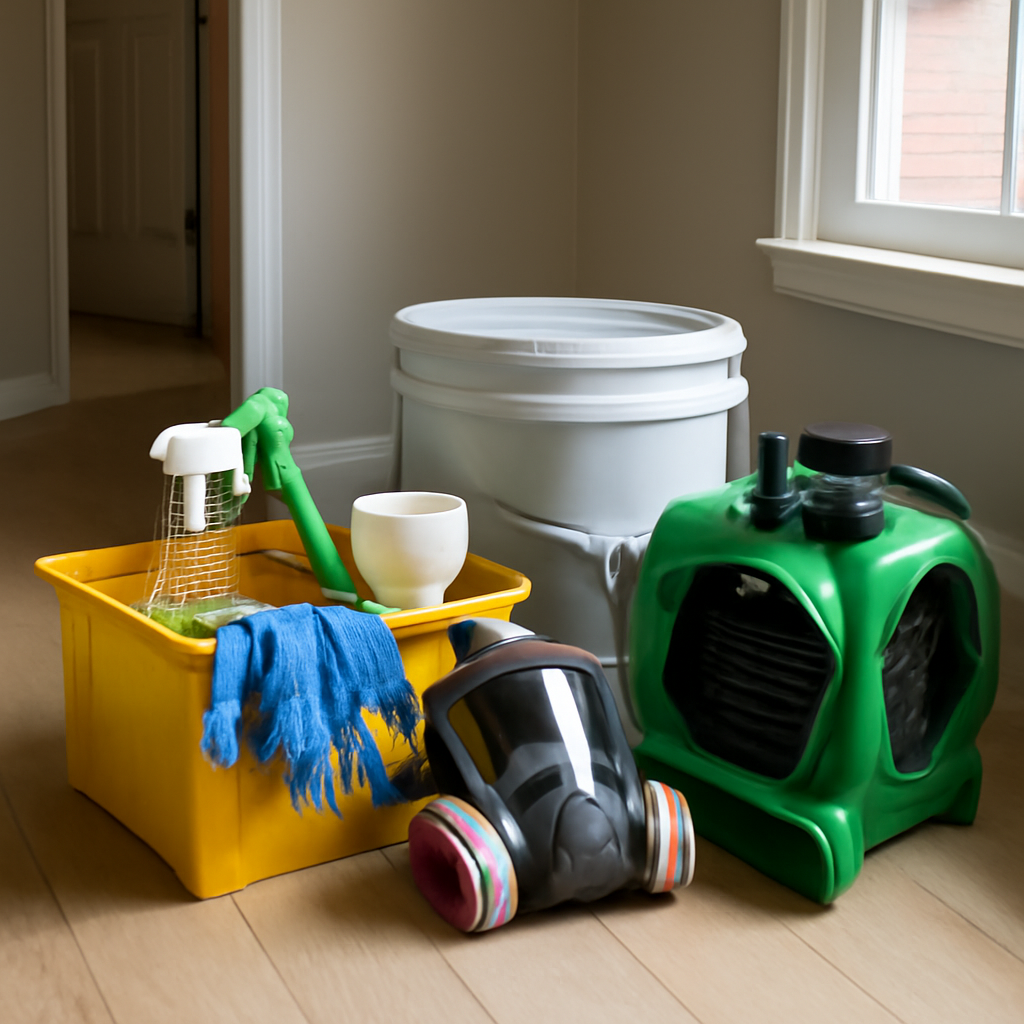
Searching for mold remediation supplies near me usually means a homeowner has found growth and wants to act fast. The good news is that the core supplies are widely available at hardware stores, home centers, and janitorial suppliers across the Front Range. The harder question is which supplies a given job actually requires, and whether the job is one a homeowner should take on at all. This guide summarizes EPA and CDC guidance current as of 2026 and is educational only. It does not replace a physician for health symptoms or a certified professional for testing and remediation decisions.
Part of our Mold Removal & Remediation guide — start there for the full picture →
Is this mold, asbestos, or water damage? Get a free instant screen
Upload a clear photo of the suspect area. You'll get an instant AI screening opinion and what to do next. This is screening guidance, not a professional determination.
Screening guidance only. AI can be wrong. Confirm asbestos, mold type, or lead with lab testing or a licensed professional before acting.
What “Mold Remediation Supplies” Actually Includes
Remediation supplies fall into four functional groups: protection, containment, removal, and cleaning. Marketing tends to push the cleaning products hardest, but for any job beyond a small surface patch, protection and containment matter just as much. Understanding the four groups helps you buy what the job needs instead of overspending on chemicals while skipping the gear that keeps spores out of your lungs and out of the rest of the house.
The EPA frames remediation as removing or cleaning contaminated materials in a way that prevents spores from spreading. Read through that lens, a shopping list is less about a single miracle product and more about a small kit that lets you isolate, remove, clean, and dry safely. Local availability is rarely the bottleneck; nearly every item is stocked at general home centers or janitorial supply houses in metro Denver and the surrounding counties.
Protection: The Supplies You Buy First
Personal protective equipment is the non-negotiable starting point because cleaning disturbs mold and pushes spores into the air. The CDC recommends, at minimum, an N-95 respirator, gloves, and eye protection for anyone handling mold. For larger jobs, a half-face respirator with particulate cartridges, disposable coveralls, and shoe covers reduce how much you carry through the home.
These items are inexpensive and stocked at any hardware store, paint department, or safety supplier. Buy respirators that fit; a loose N-95 protects far less than a snug one. People with asthma, allergies, or weakened immunity should not do the cleanup themselves, since the CDC identifies these groups as facing higher risk from exposure.
Containment Supplies
Containment keeps the cleanup from contaminating clean parts of the home. The basic supplies are plastic sheeting (commonly six-mil poly), painter’s tape, and a way to seal doorways and vents. For larger jobs, professionals add a HEPA-filtered negative-air machine to pull spores out of the work zone, but that is rental-grade equipment most homeowners do not need for a small patch.
Plastic sheeting and tape are sold by the roll at every home center. The principle is simple: seal the room, cover vents so spores do not enter the HVAC system, and create a single controlled entry point. Even a modest containment setup dramatically reduces how far spores travel during removal.
Removal Supplies
Removal is where most lasting results come from, because the EPA’s guidance is to take out porous materials that are visibly moldy rather than clean them in place. The supplies are ordinary: a utility knife and drywall saw for cutting out colonized drywall, pry bars for trim, heavy-duty contractor bags for disposal, and a HEPA vacuum for capturing loose spores and debris.
A standard shop vacuum is not a substitute for a HEPA unit; ordinary vacuums can pass fine spores straight through the filter and back into the air. HEPA vacuums are available to rent at tool-rental counters and to buy at home centers and janitorial suppliers. Double-bagging removed material and sealing the bags inside the contained area before carrying them out keeps the rest of the home clean.
Cleaning and Antimicrobial Supplies
Cleaning supplies finish the job on salvageable hard surfaces. The category includes detergent for general washing, EPA-registered antimicrobial cleaners, scrub brushes and sponges, and microfiber cloths. Diluted bleach is the traditional choice for small hard-surface jobs, but on porous materials it is mostly water and the EPA does not recommend it as a routine remediation step. Whatever product you choose, the label’s dwell time governs effectiveness, so plan to keep the surface wet for the stated minutes.
Drying Equipment Is a Supply Too
Drying is the step shoppers forget, yet the EPA cites a 24-to-48-hour window for limiting mold establishment on wetted materials. Fans, a dehumidifier, and a moisture meter belong on the supply list. Air movers speed evaporation, the dehumidifier pulls water out of the air so it does not redeposit, and a moisture meter confirms when framing and subfloor have actually dried rather than just feeling dry to the touch.
Dehumidifiers and box fans are sold everywhere; moisture meters are stocked at home centers and tool retailers. In the dry Front Range climate, drying often goes faster than in humid regions, but condensation in finished basements and behind exterior walls can still keep materials wet longer than expected. Verifying with a meter beats guessing.
Where to Source Supplies Locally
For most homeowners, three local channels cover everything. General home centers carry PPE, plastic sheeting, bleach and consumer antimicrobials, fans, and dehumidifiers. Janitorial and safety-supply houses stock commercial-grade antimicrobials, better respirators, and bulk consumables. Tool-rental counters provide HEPA vacuums, air movers, and negative-air machines for the few days a project runs.
Specialized restoration-supply distributors serve contractors and sometimes the public, and they carry the professional-grade containment and air-scrubbing equipment used on larger jobs. For a small bathroom patch, you will not need them; for anything approaching the professional threshold, renting from them is usually less sensible than hiring a contractor who already owns the gear and knows how to use it.
Matching Supplies to Job Size
The EPA’s general rule is that areas under about ten square feet can often be handled by a homeowner if the moisture source is fixed first. A small-job kit is modest: an N-95 respirator, gloves, eye protection, plastic sheeting and tape, contractor bags, a detergent or antimicrobial cleaner, scrub tools, fans, and a dehumidifier. That list is achievable in a single shopping trip.
Larger jobs change the math. Once you are buying half-face respirators, renting negative-air machines, and cutting out structural materials, you are approaching the cost and complexity where a licensed remediation contractor delivers a safer, verified result. Before assembling a big kit, it is worth reviewing the broader mold inspection and testing hub to honestly gauge scope. Our guide to choosing a mold remediation cleaner goes deeper on the chemistry side of the supply list, and the overview of mold removal solution options compares product types.
Reading Product Claims at the Store
On the shelf, two label details cut through marketing. An EPA registration number signals the product is registered as an antimicrobial with submitted efficacy data. A clearly stated dwell time tells you how long the surface must stay wet to perform. Efficacy percentages like “kills 99.9%” describe controlled lab conditions on clean coupons, not your porous bathroom ceiling, so treat them as a ceiling rather than a promise. The most reliable predictor of success remains whether you eliminate the moisture.
Safety and Disposal
Beyond wearing PPE, two safety rules govern supply use. Never mix chlorine and ammonia products, since the combination produces toxic gas. And ventilate continuously, because both chemical fumes and disturbed spores concentrate in enclosed spaces. For disposal, sealed double-bagged moldy material can generally go out with regular household trash for small residential jobs, but check local guidance for larger volumes or anything contaminated by sewage.
HVAC components deserve special caution. The EPA flags duct and air-handler contamination for professional handling, because cleaning agitates spores into the system that distributes air through the whole home. If your growth is in or near the HVAC, the right “supply” is a phone call, not a spray bottle.
Building a Small-Job Kit: A Practical Checklist
For a contained, surface-level job under the professional threshold, a complete supply kit is modest and assembles in one trip. Protection comes first: a properly fitted N-95 respirator or better, nitrile gloves, and sealed eye protection. Containment follows: a roll of six-mil plastic sheeting and painter’s tape to seal the room and cover vents. Removal supplies include a utility knife, a drywall saw, a pry bar, and heavy-duty contractor bags for disposal.
Cleaning supplies cover detergent for general washing, an EPA-registered antimicrobial cleaner, scrub brushes, and microfiber cloths. Drying equipment rounds out the list: a box fan or two, a dehumidifier, and a moisture meter to confirm the area is truly dry rather than merely dry to the touch. A HEPA vacuum, rented or owned, captures loose spores during and after removal. With these items on hand, a homeowner can isolate, remove, clean, and dry a small area safely, which is exactly the sequence the EPA describes for a sound cleanup.
Renting Versus Buying Equipment
Some supplies make sense to buy, while others are better rented for the few days a project runs. Consumables like PPE, sheeting, bags, cleaners, and cloths are inexpensive purchases. A dehumidifier and fans are worth owning if your home has recurring humidity issues, since they earn their keep year-round. Moisture meters are affordable enough to buy and useful for ongoing home maintenance.
The larger, costlier equipment tilts toward renting. HEPA vacuums, air movers, and negative-air machines are expensive to own and only needed occasionally, so tool-rental counters are the sensible source. If a job is large enough to require negative-air machines and extensive containment, that scale is itself a signal to weigh hiring a contractor who already owns the equipment and knows how to deploy it. Renting professional-grade gear for a job at the edge of homeowner capability often costs more in time and risk than it saves.
Front Range Sourcing and Seasonal Demand
Across the Denver metro and surrounding counties, the four supply channels are all well represented: general home centers, janitorial and safety suppliers, tool-rental counters, and restoration-supply distributors. Availability is rarely the limiting factor, though demand can spike seasonally. Spring snowmelt and summer storm season drive runs on dehumidifiers, fans, and water-removal gear, so during those windows renting equipment promptly rather than waiting is wise.
Local moisture patterns also shape what a Front Range homeowner needs. Finished basements and swamp-cooler humidity make dehumidifiers and moisture meters especially worthwhile here. Winter ice-dam leaks create hidden wet pockets that demand thorough drying once discovered. Stocking the drying side of the kit, the part shoppers most often forget, matters more in a region where condensation and seasonal water intrusion are the main mold drivers.
When to Skip the Supply Run and Hire a Pro
Several conditions point past the hardware store. Growth larger than about ten square feet, contamination inside walls or HVAC systems, mold from flood or sewage water, and any household with asthma or immune-compromised occupants all warrant professional remediation. A contractor brings containment, HEPA filtration, safe removal, and post-job verification that a homeowner kit cannot match. Choosing a credentialed remediation professional, ideally one independent of the company doing the work, protects both your health and your wallet.
The deciding factor is often less the cost of supplies than the diagnostic and verification work a kit cannot perform. A professional finds the moisture source, removes colonized materials safely, and confirms the space is dry before rebuilding. When a job is large enough that you are pricing negative-air machines and structural removal, the supplies are no longer the cheaper path, and a contractor delivers a safer, verified outcome for comparable effort.
More Questions About Mold Remediation Supplies
How much do mold remediation supplies cost for a small job?
Basic mold remediation supplies for a small job typically cost about $30 to $100, covering disposable respirators, gloves, goggles, detergent, scrub brushes, plastic sheeting, and heavy trash bags.
Adding a dehumidifier, a couple of fans, and a moisture meter can bring the total to roughly $200 to $500. Renting a HEPA vacuum or air scrubber adds a daily fee. Spending more on supplies makes sense only for jobs a homeowner can reasonably handle, generally under about 10 square feet; larger jobs are usually better left to professionals.
Do you need a moisture meter for mold cleanup?
A moisture meter is one of the most useful mold cleanup supplies, because it shows whether wood and drywall are actually dry before you paint or close a wall.
Basic pin-type meters are inexpensive and available at most hardware stores; pinless meters scan surfaces without leaving holes. Compare readings from the damaged area against a dry spot of the same material elsewhere in the home. Readings that stay elevated for days usually mean the moisture source is still active and needs attention before cleanup can finish.
What size dehumidifier is needed after mold cleanup?
Most homeowners need a dehumidifier rated for the room size and dampness level, commonly a 35 to 50 pint unit for a damp basement of moderate size.
Very wet spaces or large open basements may need a larger capacity unit or more than one. A built-in humidistat helps hold relative humidity between roughly 30 and 50 percent, and a unit with a continuous drain hose avoids emptying a bucket. Running fans alongside the dehumidifier speeds up drying of cleaned materials after a mold job.
Are hardware store mold test kits worth buying?
Hardware store mold test kits are rarely worth buying, because they almost always show mold growth, since mold spores are present in nearly every home.
Settle-plate kits do not measure how much mold is in the air or compare it to outdoor levels, so a positive result says little. If mold is visible, a kit adds nothing; spend the money on cleanup supplies or a moisture fix instead. When hidden mold is suspected, a professional inspection with moisture mapping and properly collected samples gives more useful answers.
Do mold cleaning products expire?
Yes, many mold cleaning products lose strength over time, and household bleach is a common example that weakens noticeably within several months.
Hydrogen peroxide also breaks down, especially after the bottle is opened or exposed to light and heat. Check the product label for a date or storage directions, keep products cool and tightly capped, and buy only what a job needs. Respirator cartridges and filters also have limited shelf and service life, so replace them according to the manufacturer.
References
- Mold Remediation Guidance — U.S. Environmental Protection Agency
- About Mold and Your Health — Centers for Disease Control and Prevention
- Mold Cleanup in Your Home — U.S. Environmental Protection Agency
Frequently asked questions
What basic mold remediation supplies do I need for a small job?
For an area under about ten square feet on hard surfaces, plan on an N-95 respirator, gloves, eye protection, plastic sheeting and tape, contractor bags, a cleaner, scrub tools, and fans plus a dehumidifier for drying. Fix the moisture source first.
Where can I buy mold remediation supplies locally?
General home centers carry PPE, sheeting, cleaners, fans, and dehumidifiers. Janitorial and safety suppliers stock commercial-grade products, and tool-rental counters provide HEPA vacuums and air movers for the duration of a project.
Can I use a regular shop vacuum for mold cleanup?
No. Ordinary vacuums can pass fine spores through the filter and back into the air. Use a HEPA-filtered vacuum, which you can rent or buy, to capture spores and debris during removal.
When should I hire a professional instead of buying supplies?
Hire a remediation contractor when growth exceeds about ten square feet, sits inside walls or HVAC systems, involves flood or sewage water, or when occupants have respiratory conditions or weakened immunity.
Is an N95 mask enough for mold cleanup?
An N95 mask is generally considered the minimum respiratory protection for small mold cleanup jobs, as long as it fits snugly. Larger jobs or heavy dust call for a half-face respirator with particulate filters. People with lung conditions should check with a doctor before doing any mold cleanup themselves.
What gloves are best for mold cleanup?
Long gloves made of nitrile, rubber, or PVC are the best choice for mold cleanup, because they protect the skin from mold and cleaning chemicals. Gloves that reach toward the middle of the forearm keep drips off the wrist. Avoid cloth gloves, which absorb water and hold contamination.
Can a regular box fan help dry an area after mold cleanup?
A box fan can help dry an area after mold cleanup, but it works best after the contaminated material is removed and alongside a dehumidifier. Blowing air over active mold before cleaning can spread spores into other rooms. Air movers designed for drying work faster on floors and walls.
If you are on the Front Range and want a vetted local professional to scope the job before you buy anything, connect with an inspector through our contact page.