Remediation for Mold: What Homeowners Need to Know
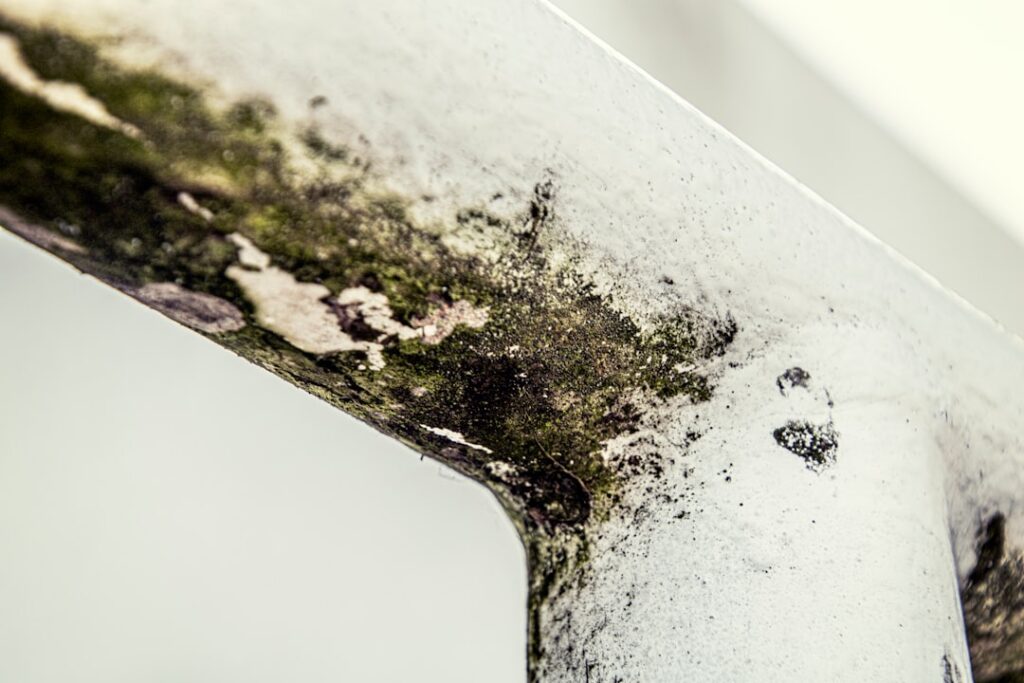
Once mold turns up in a home, the next question is how to get rid of it for good, which is where remediation for mold comes in. Remediation is more than wiping a surface; it is a structured process of removing growth, controlling spores, and fixing the moisture that caused it. This guide summarizes EPA and CDC guidance current as of 2026 and is general education only, not medical advice. For health symptoms, consult your physician, and for significant growth, hire a qualified remediation professional.
Part of our Mold Removal & Remediation guide — start there for the full picture →
Is this mold, asbestos, or water damage? Get a free instant screen
Upload a clear photo of the suspect area. You'll get an instant AI screening opinion and what to do next. This is screening guidance, not a professional determination.
Screening guidance only. AI can be wrong. Confirm asbestos, mold type, or lead with lab testing or a licensed professional before acting.
What is mold remediation?
Mold remediation is the process of identifying, containing, removing, and cleaning up mold growth while preventing spores from spreading to clean areas, then correcting the moisture problem so the mold does not return. The word matters: remediation focuses on bringing mold back to normal, safe levels and addressing the cause, rather than promising to eliminate every spore, which is impossible since spores naturally exist everywhere.
The EPA frames the goal as removing mold and fixing the moisture source, not sterilizing the home. A common misconception is that spraying bleach or a fungicide “solves” mold. Killing surface mold without removing it and without fixing the water problem leaves dead spores that can still cause reactions and allows regrowth. Effective remediation always pairs removal with moisture control, a principle echoed in our guide on crawl space mold.
What are the steps in mold remediation?
Professional remediation generally follows a recognized sequence, though the scale varies with the size of the problem.
1. Assessment and moisture source
The first step is finding the extent of the growth and the moisture feeding it, using visual inspection, moisture meters, and sometimes thermal imaging. Identifying the water source is essential, because remediation fails without fixing it.
2. Containment
For larger jobs, the work area is sealed with plastic sheeting and negative air pressure so spores do not spread to clean parts of the home during removal. Containment is what separates a controlled remediation from a messy cleanup that contaminates other rooms.
3. Air filtration
HEPA air scrubbers and exhaust fans capture airborne spores during the work, reducing the spore load in the air.
4. Removal and cleaning
Porous materials that are heavily affected, such as drywall, carpet, and insulation, are removed and discarded. Non-porous surfaces are cleaned, typically with detergent and water, and dried thoroughly. The emphasis is on physical removal rather than relying on biocides.
5. Drying and moisture correction
The area is dried, and the underlying moisture problem is fixed, whether that means repairing a leak, improving drainage, or lowering humidity. Our guide on crawl space mold mitigation shows how this plays out in one of the most common problem areas.
6. Verification
Finally, the work is checked, sometimes with post-remediation clearance testing, to confirm the area is clean and dry before rebuilding.
Can homeowners do mold remediation themselves?
It depends on the size and cause. The EPA offers a practical threshold: areas of mold smaller than about 10 square feet, roughly a 3-by-3-foot patch, can often be handled by homeowners following safe practices. Larger areas, mold from contaminated water such as sewage, or growth in HVAC systems should be handled by professionals.
For homeowner-scale cleanup, the EPA recommends wearing an N95 respirator, gloves, and eye protection; cleaning hard surfaces with detergent and water; drying completely; and discarding heavily affected porous materials. Avoid dry brushing, which sends spores airborne. People with asthma, allergies, or weakened immune systems should avoid doing the work themselves. Our guide on crawl space mold cleaning details safe homeowner methods for that environment.
A persistent myth is that bleach is the answer to mold. The EPA does not recommend routinely using biocides like bleach for mold cleanup, because the goal is physical removal, not chemical killing, and bleach is mostly water that can add moisture to porous materials. Detergent and water, followed by thorough drying, handle most non-porous surfaces. The reason removal matters more than killing is that even dead spores can still trigger allergic reactions, so a surface that has been bleached but not physically cleaned is not truly remediated.
How much does mold remediation cost?
Costs vary widely across the Front Range depending on the size of the affected area, the materials involved, accessibility, and how serious the moisture source is to repair. A small, contained area is far less expensive than whole-room or multi-room remediation that requires removing drywall, flooring, and insulation, plus repairing the water source.
Industry estimates commonly span a broad range, from a few hundred dollars for a small, simple job to several thousand for extensive growth with structural drying and rebuilding. Because the moisture repair, such as fixing a roof leak or installing a crawl-space vapor barrier, is often a separate line item, request itemized written quotes that separate remediation, moisture repair, and reconstruction. Get more than one quote, and confirm what verification or clearance testing is included.
Several factors drive the price up. Mold hidden inside walls or under flooring costs more to reach and remove than surface growth. Contamination from category-three water, such as sewage or floodwater, requires more aggressive removal and protective measures. Difficult access, like a tight crawl space, adds labor. And the scope of reconstruction afterward, replacing drywall, flooring, and insulation, can exceed the remediation itself. Understanding these drivers helps you read a quote critically and recognize whether a low bid has quietly left out the moisture repair that makes the work last.
Does insurance cover mold remediation?
Coverage varies and depends heavily on the cause. Many homeowner policies cover mold only when it results from a sudden, covered event like a burst pipe, while excluding mold from long-term maintenance issues such as a slow leak or chronic humidity. Some policies cap mold coverage at a set dollar amount regardless of cause. Because terms differ widely, review your policy and talk to your insurer before assuming a claim will be covered. Documentation from a professional, including the cause and extent, supports a claim and is one reason testing and written reports have value beyond the cleanup itself.
What about preventing mold from returning?
Remediation only lasts if the moisture is controlled afterward. Prevention is the most cost-effective part of the whole process. Key measures include keeping indoor humidity in a moderate range, fixing leaks promptly, ensuring good ventilation in bathrooms and kitchens, directing water away from the foundation, and addressing crawl-space and basement dampness.
In crawl spaces and basements, dehumidifiers and vapor barriers are common long-term tools, and our guide on dehumidifiers in a crawl space covers how they help maintain dry conditions. The pattern is consistent across every mold situation: control the water, and mold loses its foothold.
How long does mold remediation take?
Timelines vary with the size and complexity of the job. A small, contained area might be cleaned in a day, while extensive growth involving multiple rooms, structural drying, and reconstruction can take a week or more. The remediation itself, removing materials and cleaning, is often faster than the drying and rebuilding phases that follow.
Several factors stretch the timeline. Structural drying with dehumidifiers and air movers takes time to bring materials back to normal moisture levels, and rushing it invites regrowth. If clearance testing is performed, results may take a day or more to come back before reconstruction begins. And repairing the moisture source, such as a roof or plumbing fix, can add its own schedule. A reputable remediation provider will give you a realistic timeline that includes drying and verification, not just the visible removal work.
What questions should you ask a mold remediation company?
Choosing a provider is easier with the right questions. Ask whether they will identify and address the moisture source, not just remove the visible mold, since remediation without moisture correction fails. Ask how they will contain the work area and protect the rest of the home from spore spread. Ask whether they use HEPA filtration during the work.
Other useful questions include whether they recommend independent clearance testing after the work, how they will document the cause and extent for your records or an insurance claim, and whether the quote separates remediation, moisture repair, and reconstruction. A provider who answers these clearly and emphasizes fixing the moisture is more likely to deliver a lasting result than one who promises a quick spray-and-go treatment. Comparing more than one quote helps you judge both price and approach.
Can mold come back after remediation?
Yes, if the moisture is not controlled. This is the single most common reason remediation fails. Mold spores are always present in the air, so any surface that becomes damp again can grow new mold. Successful remediation is defined as much by the moisture correction as by the removal; without the former, the latter is temporary.
The durable protections are the same prevention measures that stop mold in the first place: keep humidity moderate, fix leaks fast, ventilate moisture-prone rooms, manage foundation drainage, and keep crawl spaces and basements dry with vapor barriers and dehumidifiers. Periodic checks of high-risk areas catch new moisture before it becomes growth. When homeowners treat remediation as the removal step within a larger moisture-management habit, the result holds. Our broader resource, the mold inspection and testing hub, ties these prevention and inspection practices together.
When to call a professional
Call a qualified mold remediation professional when the affected area exceeds about 10 square feet, when mold follows flooding or sewage, when it appears in HVAC systems, when growth keeps returning after cleaning, or when occupants have health concerns. Professionals bring containment, HEPA filtration, and the experience to find hidden moisture and growth that homeowners often miss.
For Front Range homeowners, the smartest approach to remediation for mold is to match the response to the scale of the problem: handle small, simple patches carefully yourself, and bring in a professional for anything large, recurring, hidden, or tied to a serious water event. Either way, fixing the moisture is what makes the result last.
Should you remediate before selling a home?
Mold discovered during a real-estate transaction creates pressure to act, and how you handle it matters. Painting over visible growth or doing a superficial cleanup without fixing the moisture rarely holds up, because a buyer’s inspection often detects elevated moisture, a musty smell, or returning growth. A problem that resurfaces after a cosmetic fix can erode trust and complicate a sale more than honest remediation would.
The stronger approach is to remediate properly, document the cause and the work, and disclose what was found and done. Proper documentation, including any clearance testing, reassures buyers that the issue was addressed at the source rather than hidden. Because mold is fundamentally a moisture symptom, the same principle applies here as everywhere: a sale-related cleanup that ignores the water problem is temporary, while one that corrects the moisture and is documented stands up to scrutiny. Front Range sellers facing a mold finding are usually better served by addressing it correctly than by masking it.
What is the difference between mold removal and mold remediation?
The terms are often used interchangeably, but there is a useful distinction. Mold removal suggests simply taking away the visible growth, which is only part of the job. Remediation is the fuller process that includes containment, removal, cleaning, drying, and, most importantly, correcting the moisture source so the problem does not return. A company that promises to remove mold but says nothing about moisture is offering only half a solution.
Because spores are naturally present everywhere, no service can truly eliminate all mold from a home, and any provider claiming total elimination is overselling. The realistic and correct goal is remediation: returning indoor mold to normal background levels and removing the conditions that let it grow. When evaluating providers or describing the work to a buyer, this framing keeps expectations accurate and steers attention to the moisture control that actually makes the result last.
References
- Mold cleanup in your home — U.S. EPA
- Mold remediation guide — U.S. EPA
- Mold cleanup and your health — CDC
- Mold and human health — NIEHS
Frequently asked questions
What does mold remediation involve?
Remediation identifies and contains mold, removes affected materials, cleans non-porous surfaces, filters the air with HEPA equipment, dries the area, and fixes the moisture source so mold does not return. The goal is restoring safe levels and correcting the cause, not sterilizing the home, since spores naturally exist everywhere.
Can I do mold remediation myself?
For areas smaller than about 10 square feet, the EPA says homeowners can often clean safely using an N95 respirator, gloves, and eye protection, cleaning hard surfaces with detergent and water and discarding affected porous materials. Larger areas, sewage-related mold, or HVAC growth should be handled by professionals.
How much does mold remediation cost?
Costs vary widely by area size, materials, accessibility, and moisture source. Small contained jobs may run a few hundred dollars, while extensive growth with structural drying and rebuilding can reach several thousand. Get itemized written quotes that separate remediation, moisture repair, and reconstruction, and compare more than one.
How do I keep mold from coming back after remediation?
Control the moisture. Keep indoor humidity moderate, fix leaks promptly, ventilate bathrooms and kitchens, direct water away from the foundation, and address crawl-space and basement dampness with vapor barriers and dehumidifiers. Remediation only lasts when the underlying water source is corrected.
If mold has returned or covers a large area in your Front Range home, reach out through our contact page to connect with a vetted remediation professional who can contain it and fix the moisture source.