Mold Remediation Provo: What Homeowners Need to Know
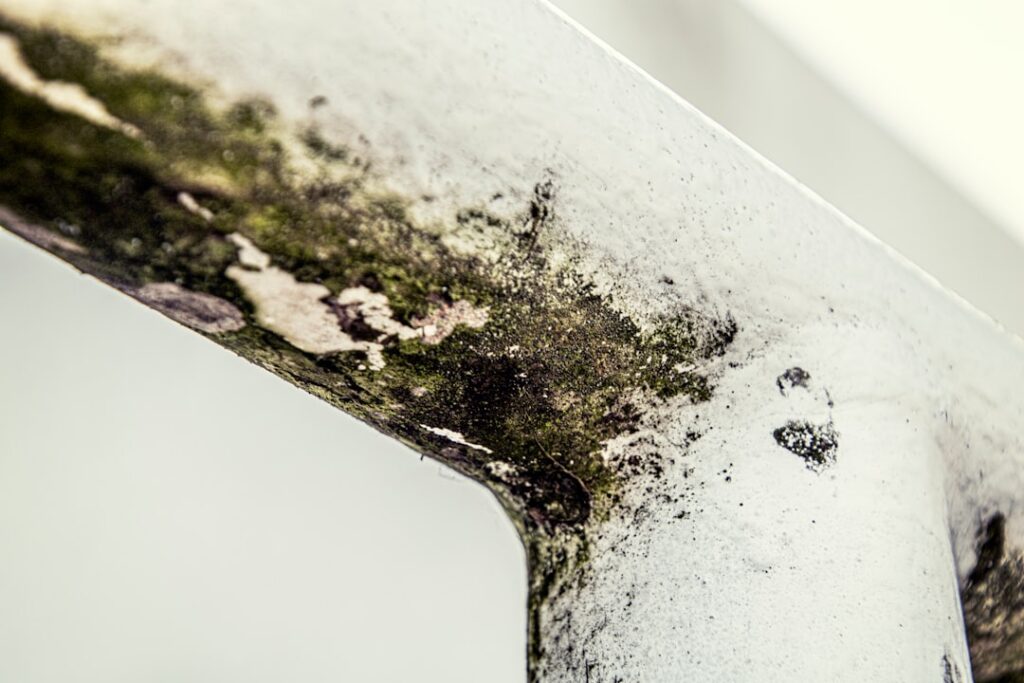
Mold problems in Provo homes often trace back to the same handful of causes: a leaking water heater in the basement, ice damming on a north-facing roof in winter, or a humidifier running too hard against Utah’s dry climate. For homeowners researching mold remediation Provo professionals offer, the goal is usually the same — get the visible growth gone, fix what caused it, and verify the air is clean. This guide summarizes EPA and CDC guidance current as of 2026 and is informational only; consult a physician about health symptoms and a certified remediation professional before acting on testing decisions.
Part of our Mold Removal & Remediation guide — start there for the full picture →
Is this mold, asbestos, or water damage? Get a free instant screen
Upload a clear photo of the suspect area. You'll get an instant AI screening opinion and what to do next. This is screening guidance, not a professional determination.
Screening guidance only. AI can be wrong. Confirm asbestos, mold type, or lead with lab testing or a licensed professional before acting.
What does mold remediation in Provo actually involve?
Remediation is the controlled removal of mold growth plus correction of the moisture source that fed it. It is not the same as a quick wipe-down with bleach. The U.S. Environmental Protection Agency frames remediation around three pillars: fix the water problem, contain the work area, and clean or remove affected materials.
A Provo crew typically walks the home, identifies the source, sets up containment with plastic sheeting and negative air pressure, removes porous materials that cannot be salvaged (wet drywall, soaked carpet pad, crumbling ceiling tile), HEPA-vacuums and damp-wipes the rest, and dries everything below the threshold where mold can regrow. The job is finished only when moisture readings are back to normal.
That last point separates remediation from a cosmetic cleanup. A painter can hide a stain in an afternoon, but a remediator’s job is to make sure the conditions that grew the mold no longer exist. A reputable crew documents moisture readings before and after, so the homeowner has proof the area was actually dried rather than just repainted. That documentation also matters if the issue ever resurfaces during a future inspection or an insurance claim. Skipping it leaves a homeowner with no record and no recourse.
The principles do not change between cities. A homeowner reading about mold issues in another market will recognize the same workflow described in our overview of what mold remediation actually means.
Why Provo homes develop mold
Utah County sits in a high-desert valley, so ambient humidity is usually low. That fools some homeowners into thinking mold is impossible here. It is not. Mold needs a wet surface, not a humid region, and Provo offers several reliable wet surfaces.
Basement and below-grade moisture
Many Provo homes have finished basements. Foundation seepage after spring snowmelt off the Wasatch Front, a failed sump pump, or a slow water-heater leak can keep drywall and framing damp for weeks before anyone notices the musty smell.
Bathrooms and laundry rooms
Poorly vented bathroom fans push warm, wet air into wall cavities. Front-load washers that stay sealed between loads grow mold in the door gasket. These are small problems that compound.
Winter condensation
When indoor heating meets single-pane or aging windows, condensation forms on cold surfaces and feeds mold on sills and adjacent drywall. The same physics drives the issues described in our guide to mold in the bedroom, where sleeping-area humidity and cold exterior walls combine.
The remediation process step by step
Reputable contractors follow a documented sequence so the result can be verified rather than guessed at.
1. Inspection and moisture mapping
The technician uses a moisture meter and sometimes a thermal camera to find hidden dampness behind walls. This is where the true scope of a job is set.
2. Containment
Plastic barriers seal the work zone. A HEPA-filtered air scrubber creates negative pressure so spores do not drift into clean rooms during demolition.
3. Removal and cleaning
Porous materials saturated with mold are bagged and discarded. Semi-porous and non-porous surfaces are HEPA-vacuumed and wiped. The CDC notes that mold on hard surfaces can often be cleaned, while heavily contaminated absorbent materials usually need replacement.
4. Drying
Commercial dehumidifiers and air movers bring materials back to a safe moisture content. In Provo’s dry air, drying can be fast once the source is fixed.
5. Clearance and rebuild
A post-remediation check — sometimes a third-party air sample — confirms the area is clean before drywall and finishes go back.
What mold remediation costs in Provo
Pricing depends on square footage, how much material must be removed, and whether the mold sits behind finished surfaces. Small, contained jobs (a single closet or a patch of bathroom drywall) sit at the low end. Whole-basement remediation after a flood runs much higher.
Industry estimates commonly place small jobs in the few-hundred-dollar range and large structural jobs in the several-thousand-dollar range. Provo pricing tends to track the broader national pattern; homeowners can sanity-check quotes against our breakdown of mold remediation cost per square foot. Always get more than one written estimate, and be wary of any quote given without an on-site inspection.
Several factors push a Provo quote up or down. The biggest is whether mold sits behind finished surfaces, since opening walls, removing material, and rebuilding adds labor. Containment complexity matters too — isolating a single closet costs less than sealing off a finished basement with multiple rooms. The source repair is sometimes the largest line item: a foundation seepage fix or a roof repair can dwarf the mold work itself. Homeowners should ask the contractor to itemize remediation, source repair, and rebuild separately so the quote is easy to compare.
Insurance sometimes helps. If the mold resulted from a sudden, covered event like a burst pipe, a homeowner’s policy may cover part of the remediation. Long-term seepage or deferred maintenance is usually excluded. Reviewing the policy and documenting the cause carefully gives the best chance of a successful claim.
Bleach is not a remediation plan
A common Provo DIY instinct is to spray bleach on a wall stain and move on. That hides the color but leaves the root cause. On porous materials like drywall, bleach’s water content can even feed remaining mold. The EPA explicitly does not recommend routine bleach use for mold remediation. For surface spots under about ten square feet on hard, non-porous material, careful homeowner cleanup is reasonable; beyond that, professional containment matters.
Health considerations
Mold exposure can trigger allergic reactions, congestion, eye irritation, and asthma flares in sensitive people. The CDC stresses that individual responses vary widely and that no safe threshold applies to everyone equally. Provo residents with respiratory conditions should keep out of an active work zone and let a contractor handle disturbance of large growth, which sends spores airborne.
None of this is medical advice. Anyone experiencing persistent symptoms they suspect are linked to indoor mold should talk to a doctor.
During active remediation, the disturbance of mold colonies sends spore counts up temporarily, even inside containment. That is why professionals run negative-air machines and seal the work zone, and why occupants with asthma, allergies, or compromised immunity are often advised to stay elsewhere while a large job proceeds. Children and older adults can be more sensitive as well. The point is not to alarm but to manage exposure sensibly during the days the work is underway.
Choosing a Provo remediation contractor
Utah does not license mold remediators the way some states do, so vetting falls on the homeowner. Ask whether the company carries liability insurance, holds an industry certification (such as IICRC), uses containment and HEPA filtration, and provides a written scope with before-and-after moisture readings.
Be cautious if the same firm both tests and remediates without offering an independent clearance option — that arrangement creates an incentive to find more work. Reading reviews and asking for local references helps. The general vetting logic mirrors what buyers learn from our parent guide on mold inspection and testing for homeowners.
Preventing mold from returning
Remediation only lasts if the moisture problem is fixed. Provo homeowners can reduce recurrence by running bathroom fans for 20 minutes after showers, keeping indoor humidity under about 50 percent, grading soil away from the foundation, and addressing roof and gutter issues before spring melt. A basement dehumidifier is cheap insurance in a finished lower level.
Catching leaks early is the single biggest lever. A water-heater drip found in week one is a wipe-down; the same drip found in month three is a remediation project.
Hidden mold: where Provo homes hide it
The mold a homeowner can see is often the smaller part of the problem. Growth thrives in places that stay dark and damp: behind drywall in a basement that wicked up snowmelt, beneath laminate flooring laid over a slab that sweats, inside HVAC ducts that carry humid air, and behind bathroom tile where grout has failed.
A musty smell with no visible source is a strong clue that mold is growing out of sight. So is a recurring respiratory flare that eases when a family member leaves the house. Provo’s older neighborhoods near the university, with their mid-century construction and finished basements, are common settings for this hidden growth. A professional with a moisture meter and borescope can confirm it without tearing the whole wall apart.
Catching hidden mold early is why a thorough inspection precedes good remediation. The same diagnostic logic appears in our discussion of what mold cleanup costs, where scope drives price.
DIY versus professional remediation in Provo
For a small, clearly surface-level spot on a hard, non-porous surface, a careful homeowner can handle cleanup. The EPA’s rough guideline is that growth under about ten square feet may be a do-it-yourself project, provided the moisture source is fixed and the person uses an N95 respirator, gloves, and eye protection.
Beyond that threshold — or anytime mold sits inside walls, in HVAC, or follows a sewage backup — professional remediation makes sense. Professionals bring containment, negative-air HEPA filtration, and the experience to find the full extent of the problem. They also document the work, which matters for resale disclosures and insurance claims.
The biggest DIY mistake in Provo is treating symptoms without finding the source. Scrubbing a stain off a basement wall accomplishes nothing if the foundation keeps wicking water. Fix the water first, every time.
Mold and your Provo home sale
Mold history is a disclosure item in most real estate transactions, and buyers’ inspectors look for it. A documented, properly completed remediation with clearance testing reassures buyers far more than a hastily painted-over wall, which a sharp inspector will flag as a possible cover-up.
Sellers who address mold correctly — fix the source, remediate, verify, and keep the paperwork — protect both their sale price and themselves from later disputes. Buyers reading a disclosure that mentions past mold should ask for the remediation documentation rather than assuming the worst or ignoring it.
When to call a professional
Call a pro when growth covers more than roughly ten square feet, when it sits inside walls or HVAC, when there was sewage or flood water involved, or when a household member has a serious respiratory condition. For anything smaller and clearly surface-level, homeowner cleanup with proper protection is often enough.
A reputable Provo contractor will inspect before quoting, explain the scope in writing, and verify the result. If a company quotes a price over the phone without seeing the home, treat that as a reason to call someone else.
References
- Mold Cleanup in Your Home — U.S. Environmental Protection Agency
- About Mold and Health — Centers for Disease Control and Prevention
- Mold Remediation Guidance — U.S. Environmental Protection Agency
Frequently asked questions
Is mold common in Provo's dry climate?
Yes. Mold needs a wet surface, not high regional humidity. Basement seepage, water-heater leaks, winter window condensation, and poorly vented bathrooms all create the localized moisture mold needs, even in a dry valley.
Can I remove mold myself in my Provo home?
Surface mold under about ten square feet on hard, non-porous material can often be cleaned by a homeowner using protection. Larger areas, mold inside walls or HVAC, and any flood-related growth should go to a professional with containment.
Does bleach work for mold remediation?
Not as a real fix. Bleach can lighten a stain but does not address the moisture source, and the EPA does not recommend routine bleach use on porous materials. Fixing the water problem is what stops regrowth.
How long does mold remediation take?
Small contained jobs may finish in a day or two. Larger basement projects with drying and rebuild can run a week or more. Provo's dry air often speeds the drying phase once the source is corrected.
If you own or are buying a home along the Front Range and want help understanding a mold finding before you commit, you can reach a vetted local inspector through our contact page. A short conversation early often saves a costly remediation later.