Black Mold Growth: What Homeowners Need to Know
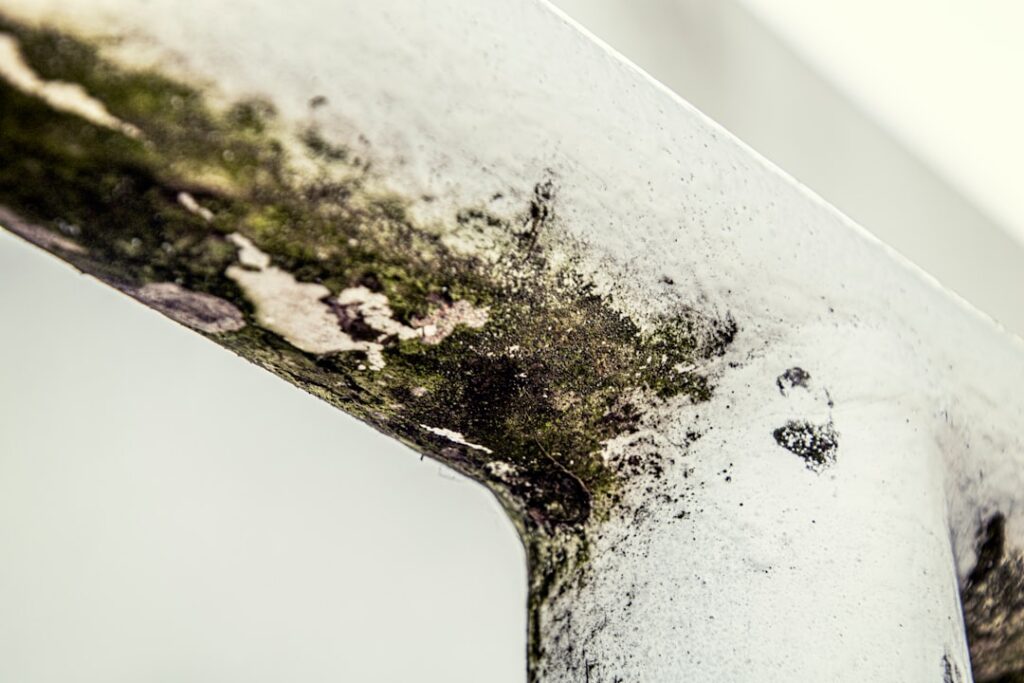
Mold does not appear randomly. Every visible black mold colony is the predictable outcome of specific conditions — water, a suitable substrate, an appropriate temperature range, and time. Understanding the growth mechanism and timeline tells homeowners exactly which condition to interrupt to stop the colony from spreading and which interventions actually address the root cause versus which only address the visible symptoms. This guide summarizes EPA and CDC guidance current as of 2026 — consult a certified mold inspector for testing decisions and your physician for symptom evaluation.
Part of our Black Mold & Your Health guide — start there for the full picture →
Is this mold, asbestos, or water damage? Get a free instant screen
Upload a clear photo of the suspect area. You'll get an instant AI screening opinion and what to do next. This is screening guidance, not a professional determination.
Screening guidance only. AI can be wrong. Confirm asbestos, mold type, or lead with lab testing or a licensed professional before acting.
The four conditions black mold needs to grow
Mold biology is conditional. Remove any one of four required inputs and growth stops. The EPA describes these inputs as moisture, nutrients (organic substrate), oxygen, and an appropriate temperature range. Indoor air supplies oxygen everywhere in the house at all times, so oxygen is not actionable. The other three inputs are where homeowners and remediators intervene.
Water and sustained moisture
Mold cannot grow on dry substrate. The required moisture level varies by species — some Aspergillus species can grow at relatively low water activity levels, while Stachybotrys chartarum requires substantially saturated cellulose. The threshold most often cited is 48 hours of continuous wetness on a suitable substrate. Below that duration, even ideal substrate and temperature conditions do not produce visible colonies. Above 48 hours, the colony begins establishing.
Cellulose-rich substrate
Stachybotrys and many other indoor mold species feed primarily on cellulose. The cellulose-rich materials in modern homes include drywall paper, paper-faced fiberglass insulation, ceiling tile, wallpaper, particleboard, OSB, cardboard, untreated wood framing, and many fabric items. Non-cellulose materials — tile, glass, sealed paint, vinyl, metal — do not support Stachybotrys at all, though they can host surface films of other species feeding on accumulated dust and biological residue.
Temperature range
Most indoor mold species grow optimally between 60 and 90 degrees Fahrenheit. Below 40 degrees, growth slows dramatically. Above 100 degrees, most species become heat-stressed and stop reproducing. Indoor home temperatures sit comfortably in the growth-optimal range year-round, so temperature is rarely the limiting factor in residential mold control.
The growth timeline from wet substrate to established colony
Hours 0 to 24: spore germination
Mold spores are present in essentially all indoor environments at background levels. When a spore lands on a wet substrate within the temperature range, germination begins within hours. At this stage the colony is microscopic and invisible. Stopping the moisture source within the first 24 hours typically prevents visible colony establishment.
Hours 24 to 72: visible colony onset
Within one to three days of sustained substrate wetness, the colony becomes visible as a stain, discoloration, or thin biofilm. The visible patch is small at this stage but is the leading indicator that the colony has crossed from germination into active growth. Cleanup at this stage is straightforward if the moisture source can be corrected and the substrate dried completely.
Weeks 1 to 2: mature colony with sporulation
By the end of the first week to two weeks, the colony reaches sporulation. Spore-bearing structures (conidiophores) become visible as the characteristic furry, slimy, or powdery surface texture depending on species. Spore release into surrounding air begins, raising the spore load in the affected room and potentially across the house through HVAC distribution.
Weeks 2 to 4: established colony with substrate penetration
By two to four weeks, hyphae have penetrated into porous substrate below the visible surface. Drywall paper detachment, soft spots in framing, and discoloration spreading outward from the visible patch indicate substrate damage. Surface cleanup at this stage no longer addresses the colony fully because the living network extends below the visible patch.
Beyond one month: chronic colony with structural impact
After a month of sustained moisture, the colony often includes multiple species in a community. Substrate damage compounds. Wood framing absorbs additional moisture, drywall fails structurally, insulation loses thermal value, and the spore load in the building reaches levels detectable in air sampling. Remediation at this stage requires substantial material removal rather than surface cleanup.
What stops black mold growth
Interrupting any one of the three actionable inputs (water, nutrients, temperature) stops growth. In practice, removing the moisture source is the only sustainable intervention. Removing the nutrient substrate means removing every cellulose-containing material in the house, which is impractical. Cooling the entire house below 40 degrees or heating it above 100 degrees is impractical for occupant comfort. That leaves moisture control as the primary lever.
Moisture control has two components: fixing active sources (leaks, intrusion, condensation) and maintaining ambient humidity below the threshold that supports growth. The EPA recommends indoor relative humidity between 30 and 50 percent. Above 60 percent, condensation can form on cool surfaces and support mold growth even without an active leak. Front Range homes often need active dehumidification in basements during summer monsoon weather and supplemental ventilation in bathrooms and kitchens year-round.
Growth-stopping interventions: what works
Identify and correct the moisture source first. A slow leak under a sink, a failed wax ring under a toilet, condensation on a cold-water pipe, ice dam meltwater entering attic decking — each requires the specific repair appropriate to the failure mode. Cleanup that skips this step is temporary. The colony returns within weeks because the underlying condition was not changed.
Dry the structure thoroughly. Dehumidifiers, HEPA-filtered air movers, and time (typically 48 to 96 hours of controlled drying for visibly wet drywall) bring substrate moisture content back below growth-supporting levels. The IICRC S500 standard for water damage restoration specifies drying targets that mold remediation work should match. The mold inspection and testing hub walks through the full restoration sequence.
Remove contaminated porous material. Drywall paper, ceiling tile, paper-faced insulation, and carpet pad with established colonies cannot reliably be cleaned because the colony extends into the porous matrix below the visible surface. Cutting back to clean dry substrate and replacing with new material is the standard approach. Hard non-porous materials can typically be cleaned and retained.
What does not stop mold growth
Painting over a visible colony does not stop growth. The colony continues spreading under the paint and the visible patch returns within weeks or months. Spraying bleach without removing the affected material does not stop growth. The CDC notes that bleach is largely surface-active and does not reliably reach hyphae embedded in porous substrate. Running a dehumidifier without fixing the active source does not stop growth in the immediate wet area, though it can reduce ambient humidity in surrounding rooms.
Sealing a moldy area behind drywall or other building material does not stop growth. The conditions inside the sealed cavity often become worse for the building because moisture cannot escape, and the colony continues to spread into the cavity space. Visible mold on visible surfaces is almost always a smaller version of what is happening behind the visible surface; sealing makes that hidden growth worse.
The recurrence pattern as diagnostic feedback
A mold colony that returns within weeks of cleanup is the clearest possible signal that the underlying moisture source was not addressed. Recurrence is diagnostic feedback. Track the date, location, and visible characteristics of each recurrence. After two or three cycles, the pattern usually reveals the moisture source — a specific season, weather pattern, occupant activity, or building component failure that is delivering water to the substrate.
Common Front Range recurrence patterns: spring snowmelt recurrence points to foundation drainage or grading failures; summer monsoon recurrence points to roof, flashing, or window-frame failures; year-round recurrence points to continuous interior sources such as plumbing leaks or chronic condensation; recurrence tied to specific occupant activities (extended showers without exhaust ventilation, indoor laundry drying) points to humidity management failures.
When to involve a professional
Any visible colony exceeding 10 square feet warrants professional remediation following IICRC S520. Colonies inside wall cavities, HVAC ducts, or behind installed building components warrant professional inspection even at smaller visible size. Occupants reporting exposure-correlated health symptoms warrant both physician evaluation and certified inspection. Real estate transactions, insurance claims, and post-remediation clearance all warrant certified inspector documentation following the InterNACHI mold inspection standard.
Below those thresholds, homeowner cleanup with appropriate PPE and the four-condition framework above generally suffices. The mold removal workflow guide walks through the cleanup sequence step by step.
Hidden growth: where colonies expand unseen
Visible mold on visible surfaces is often the smallest part of the actual colony. Hyphae extend through porous substrate in directions the homeowner cannot see. A patch on the bathroom side of drywall typically has more extensive growth on the cavity side of the same drywall sheet, where wetness from the source has been pooling out of sight. A patch on the corner of a basement wall typically extends behind the paper-faced insulation that hides most of the wall surface. A patch on the ceiling under a bath fan typically has more extensive growth on the attic side of the same ceiling drywall.
Pulling back small sections of drywall, lifting carpet edges, or removing access panels often reveals significantly more growth than the visible surface suggested. Certified inspectors plan for this expansion when scoping work; homeowners scoping their own remediation tend to underestimate by half or more. The cost difference between underestimating and accurately scoping is large, which is one reason inspection-first sequencing produces better outcomes than contractor-first sequencing.
The role of humidity in chronic mold problems
Chronic mold problems often have no single dramatic moisture event in their history. Instead, they have years of marginal humidity control — indoor relative humidity sitting at 65 percent during summer because dehumidification is absent, bathroom exhaust ventilation that does not fully exchange air, kitchen cooking moisture that lingers because range hoods are not vented to outdoors. Each individual condition is mild; the cumulative effect over months and years supports widespread low-grade mold growth.
Front Range homes with this pattern often show mold in multiple locations rather than concentrated in one. The pattern points to humidity management as the root cause rather than a single building failure. Installing a whole-house dehumidifier, upgrading bath and kitchen exhaust fans, and verifying that clothes dryers vent to outdoors typically resolve the underlying issue. Surface cleanup without humidity correction in these cases produces only temporary relief.
Indoor humidity monitoring is inexpensive and informative. A digital hygrometer in each main living level reports relative humidity continuously. Tracking readings over a week or two reveals the actual indoor humidity pattern rather than the assumed one. Many homeowners discover that humidity sits above 60 percent for hours each day during cooking, showering, and laundry cycles even in seemingly dry homes, which explains chronic surface mold that surface cleanup never fully resolves.
References
- A Brief Guide to Mold, Moisture, and Your Home — U.S. Environmental Protection Agency
- About Mold — Centers for Disease Control and Prevention
- Mold Health Effects — National Institute of Environmental Health Sciences
- Mold and Dampness — American Lung Association
Frequently asked questions
How fast does black mold grow?
Visible colonies typically appear within 24 to 72 hours of sustained substrate wetness at the right temperature. Sporulation and mature colony texture develop within one to two weeks. Substrate penetration and chronic colony establishment occur in two to four weeks of continuous moisture.
What is the minimum moisture mold needs to grow?
Most indoor mold species require sustained wetness for at least 48 hours on suitable substrate. Relative humidity above 60 percent for extended periods can support growth even without an active leak by causing condensation on cool surfaces.
Does mold grow at low temperatures?
Slowly. Most indoor mold species grow optimally between 60 and 90 degrees Fahrenheit. Below 40 degrees, growth slows dramatically but does not stop entirely. Cold storage spaces with high humidity can still support slow mold growth over time.
How do I stop active mold growth?
Identify and correct the moisture source. Dry the structure thoroughly (typically 48 to 96 hours with dehumidifiers and air movers). Remove porous materials with established colonies and replace with new material. Maintain indoor relative humidity between 30 and 50 percent going forward.
If active mold growth has exceeded what feels safe to address directly, Front Range homeowners can connect with a vetted local inspector through our contact page.