Government Mold Removal Grants: Programs That Actually Pay
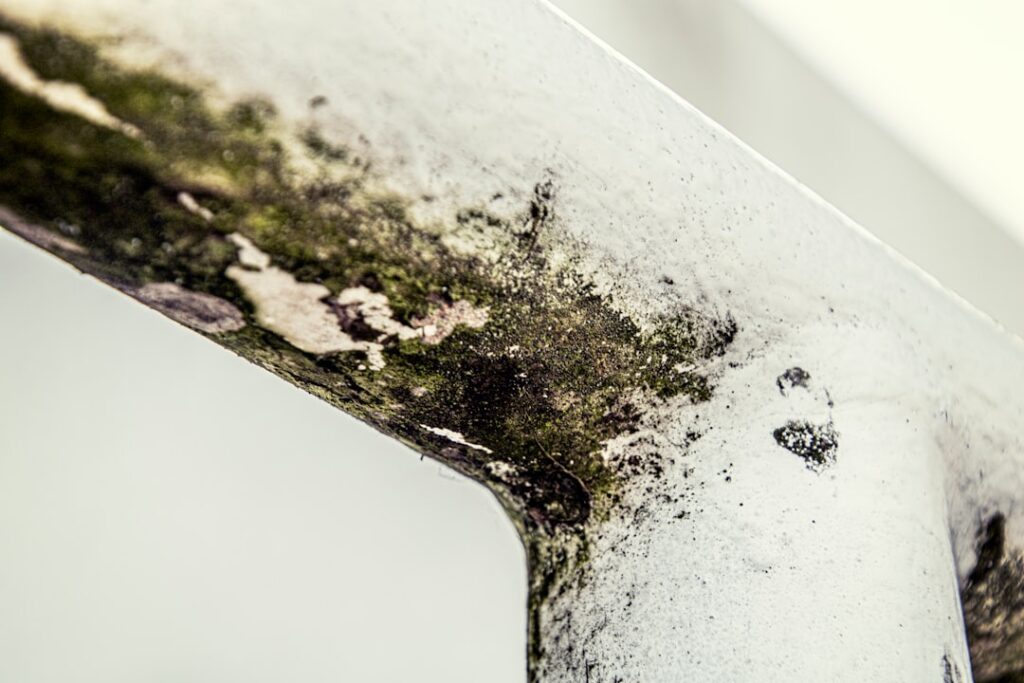
Search “government grants for mold removal” and you will find dozens of sites promising free federal money to clean up mold. Here is the honest answer before you spend an afternoon chasing it: no federal or state agency runs a grant labeled “mold removal.” What does exist is a handful of real housing, energy, and disaster programs that pay to fix the leak, roof, or flood damage that caused the mold, and that fold the remediation into that repair. This page names those programs, gives the actual eligibility numbers, and shows you which door to knock on first.
Is this mold, asbestos, or water damage? Get a free instant screen
Upload a clear photo of the suspect area. You'll get an instant AI screening opinion and what to do next. This is screening guidance, not a professional determination.
Screening guidance only. AI can be wrong. Confirm asbestos, mold type, or lead with lab testing or a licensed professional before acting.
Is there a grant just for mold? Not quite
Government funding treats mold as a symptom, not a hazard with its own budget line. Paying to scrub a wall while ignoring the plumbing leak behind it would just fund the same cleanup again in six months, so programs are built to fund the underlying repair and treat remediation as part of restoring a safe, habitable home. That is why there is no national “mold grant” portal. The programs that will help you are the ones that fund roofs, plumbing, weatherization, and disaster recovery, and you reach almost all of them through your state or county, not a federal website.
The practical move is to stop searching for mold money by name and identify the building problem that caused the growth. Framing your request around that repair, the same way a professional mold inspection documents the moisture source, is what turns a dead-end search into a fundable application.
USDA Section 504: the closest thing to a real mold grant
If your home is in an eligible rural area, and much of the land outside Denver, Colorado Springs, and Fort Collins qualifies, the USDA Single Family Housing Repair program (Section 504) is the one program that can hand you an actual grant for health-and-safety repairs. The specifics:
- Grants up to $10,000 for homeowners age 62 or older who cannot repay a loan, and the grant must be used to remove documented health or safety hazards, moisture and mold damage among them.
- Loans up to $40,000 at a fixed 1% interest rate over 20 years for general repairs, available regardless of age.
- Household income must fall below 50% of the area median income, and you must own and occupy the home.
A grant and loan can be combined for up to $50,000 of work. This is the rare case where “remove the mold” can be written directly into the funded scope, because the program targets hazards, not energy or resale value. Apply through your state USDA Rural Development office.
HUD-funded programs through your city or county
The U.S. Department of Housing and Urban Development is the largest source of home-repair money, but it almost never pays homeowners directly. It sends block grants to states, cities, and counties, which run their own owner-occupied rehabilitation programs. Two funding streams matter here:
- Community Development Block Grant (CDBG). Local housing or community-development departments use CDBG dollars for income-eligible home-rehab programs that can cover moisture repair and, in many jurisdictions, the mold remediation tied to it. HUD’s Community Development Block Grant program explains the structure, but you apply locally.
- HOME Investment Partnerships. This program funds rehabilitation for lower-income owners. When mold results from a covered repair, a failed roof or burst supply line, fixing that root cause is eligible with remediation bundled in.
On the Colorado Front Range, the front door is your county or municipal housing office. Ask specifically whether they operate an owner-occupied rehabilitation or “healthy homes” program and whether it is currently funded and taking applications, because availability rotates as grant cycles refill.
Weatherization Assistance Program: the most accessible route
The Weatherization Assistance Program (WAP) is federally funded by the Department of Energy and delivered through state offices and local community-action agencies. Its stated mission is energy efficiency, but the measures it installs, air sealing, ventilation, insulation, and moisture control, hit the exact conditions that grow mold. Many state programs also carry health-and-safety provisions that can address moisture problems and limited mold remediation tied to the weatherization scope.
Eligibility is the reason it is worth trying first. Per the DOE’s weatherization eligibility guidelines, your household qualifies if income is at or below 200% of the federal poverty guidelines, and states may instead use 60% of state median income. Households receiving Supplemental Security Income are categorically eligible. Apply through your state weatherization office or local community-action agency.
FEMA and disaster aid after a flood
Mold is the predictable aftermath of flooding, and federal disaster assistance can reach it, but only under a specific trigger. After a presidentially declared disaster, FEMA’s Individuals and Households Program can fund repairs that make a home safe and sanitary, which includes water-damage cleanup and the resulting mold. This is not a general mold fund. It applies only when your growth traces to a declared event, it has firm application deadlines tied to that disaster, and eligibility hinges on proving the connection.
If a flood or storm caused your problem, document the water source and damage immediately with dated photos before you clean anything, because that link between water damage and mold is what an adjuster verifies. Colorado’s Division of Homeland Security and Emergency Management often coordinates additional help alongside FEMA after an event, so check state and federal levels both.
How to apply and what to bring
These programs share enough requirements that preparing one file serves several applications. Nearly all are income-qualified and prioritize owner-occupied primary residences, households with children, older adults, people with disabilities, and clear health-and-safety risks. Gather:
- Proof of ownership and residency
- Income documentation matching the program’s threshold
- A moisture assessment or inspection that identifies the source and scope of work, the single most important document, since it shows the agency exactly what it would fund
- Dated photos of the moisture and mold, plus any disaster records if a flood or storm was the cause
Expect waitlists, capped funds, and timelines measured in weeks or months, so apply early and to more than one program you qualify for. If your affected area is under about 10 square feet, the EPA notes in its home mold-cleanup guidance that you can usually handle it yourself with proper precautions, which may be faster than waiting on funding. Knowing the cost of a mold inspection up front also helps you decide whether an assessment for your file is worth funding out of pocket.
Spotting grant scams
The volume of these searches has drawn scammers. Real government programs never charge a fee to apply for or “guarantee” a grant, and they never approve you for money you did not request. The FTC’s guidance on government grant scams is blunt about the tells: an upfront “processing fee,” a demand for bank-account access, or an unsolicited call announcing you have already won a grant. Legitimate assistance has eligibility rules, paperwork, and often a waitlist, and it comes from an identifiable agency you contacted, not one that contacted you first. Verify any offer directly with the agency it claims to represent before sharing a single detail.
What government funding cannot cover, and health context
Many homeowners will not qualify or cannot wait. HUD-backed home-improvement loans finance remediation at favorable terms without grant eligibility. Homeowners insurance may cover mold caused by a sudden, covered event such as a burst pipe, though gradual-leak mold is commonly excluded. Either way, do not let cost stall action: the CDC links indoor mold exposure to nasal congestion, throat irritation, coughing, and worsened asthma, especially in children and people with respiratory conditions, per its guidance on mold and health. A large or health-sensitive problem warrants professional remediation regardless of whether a program pays for it, and acting while the affected area is small keeps the cost, and the funding you need, small too.
This page summarizes HUD, DOE, USDA, and FEMA program guidance current as of 2026; eligibility and funding change, so confirm details with the administering agency before you rely on them.
Front Range homeowners who need a documented moisture assessment to support a program application can connect with a vetted local inspector through our contact page.
Mold removal & cleanup picks
For a small, contained patch (under ~10 sq ft) these EPA-friendly removers handle surface mold. Larger or recurring growth warrants a professional assessment first.
| Product | Why | Buy |
|---|---|---|
 RMR-86 Instant Mold Stain Remover RMR-86 Instant Mold Stain Remover | Fast-acting on stains; ventilate and wear PPE. | Amazon — $18.38 |
 Concrobium Mold Control Concrobium Mold Control | No-bleach formula that also helps prevent regrowth. | Amazon — $13.48 |
 Mold Armor Mold & Mildew Remover Mold Armor Mold & Mildew Remover | Widely stocked bathroom/surface remover. | Amazon — $22.98 |