Cost of Mold Removal: What Homeowners Should Know
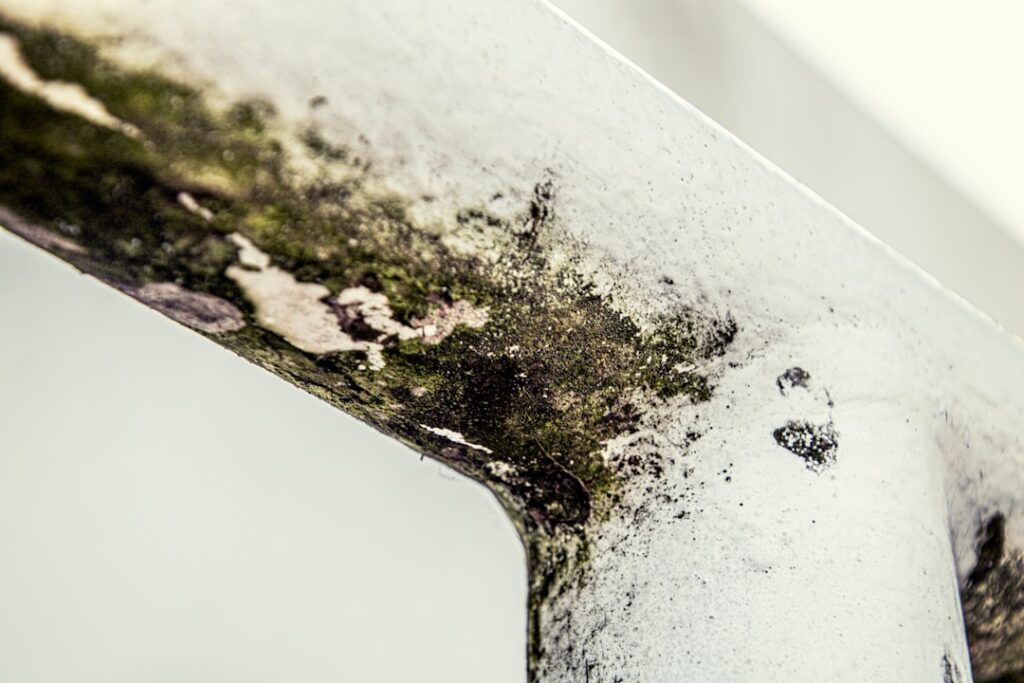
The cost of mold removal is one of the first questions a homeowner asks after spotting growth, and it is also one of the hardest to answer with a single number. Prices range from almost nothing for a DIY bathroom patch to many thousands of dollars for whole-house contamination, because the bill tracks the size, location, materials, and cause of the problem. This guide summarizes EPA and CDC guidance current as of 2026 and offers general information, not a quote; the only accurate figure comes from an on-site assessment.
Is this mold, asbestos, or water damage? Get a free instant screen
Upload a clear photo of the suspect area. You'll get an instant AI screening opinion and what to do next. This is screening guidance, not a professional determination.
Screening guidance only. AI can be wrong. Confirm asbestos, mold type, or lead with lab testing or a licensed professional before acting.
What Mold Removal Typically Costs
Industry estimates for professional mold remediation generally fall along a wide spectrum tied to the affected area:
- Small, contained area (under ~10 sq ft): often a few hundred dollars up to roughly $1,500, and frequently DIY-able for under $50 in supplies.
- Medium job (one room, attic, or crawl space): commonly $2,000 to $6,000, depending on materials and demolition.
- Large or whole-house contamination: can run well above $6,000, sometimes into five figures when structural materials, HVAC systems, and multiple rooms are involved.
These are ranges, not fixed prices. Two homes with the same square footage of visible mold can cost very differently depending on what lies behind the surface. The EPA’s practical threshold is useful here: a contaminated area under about 10 square feet is generally manageable for a homeowner, which keeps the cost low, while larger areas push toward professional pricing. Our mold inspection and testing hub explains how scope is determined before any estimate.
What Drives the Cost
Several factors explain why estimates vary so much.
Size and Extent
More affected area means more labor, containment, and materials. Hidden growth behind walls or under floors expands the scope quickly once it is opened up.
Location in the Home
Easy-to-reach bathroom walls are cheaper than crawl spaces, attics, or inside HVAC ductwork, which require more setup and specialized access. Our guide on air duct mold removal shows why HVAC-related jobs cost more.
Materials Involved
Porous materials the EPA recommends discarding — drywall, carpet, insulation — add removal, disposal, and replacement costs. Hard surfaces that can be cleaned cost less.
The Moisture Source
Fixing what caused the mold is part of a complete job. A simple ventilation fix is cheap; a roof repair, foundation drainage work, or crawl space encapsulation adds significantly to the total.
Containment and Testing
Negative-pressure containment, HEPA air scrubbing, and optional post-remediation verification testing all factor into professional pricing, especially on larger jobs.
Regional Labor and Disposal Rates
Where you live affects the bill. Labor rates, disposal fees, and the cost of permits vary by region, so the same job can cost noticeably more in a high-cost metro than in a rural area. Climate plays in too: in humid regions, remediation often pairs with moisture-control upgrades like crawl space encapsulation or added dehumidification, which raises the total beyond the cleanup itself. A coastal home recovering from flooding will cost more than a dry-climate home with an isolated bathroom leak, even at the same square footage of visible growth.
Cost Examples by Scenario
Concrete scenarios make the ranges easier to picture. A small patch of mold on bathroom tile and grout from a humidity problem is usually a sub-$50 DIY job, since the surface is non-porous and the fix is better ventilation. A section of mold on drywall behind a leaking sink, caught early, might be a few hundred dollars professionally if it stays small, or a DIY drywall patch for materials cost. Mold across a bedroom wall from a roof leak that went unnoticed could run a couple thousand dollars once the drywall, insulation, and roof repair are added up.
A contaminated crawl space or attic frequently lands in the $2,000 to $6,000 range, especially when encapsulation or extensive material removal is involved. Whole-house contamination after long-term flooding or a major undetected leak can exceed that significantly, since it touches structure, multiple rooms, and often the HVAC system. These are illustrations, not promises — the same description can produce different bills depending on what is found once walls are opened. The pattern that holds across all of them is that early, small problems are cheap and late, hidden, or widespread problems are expensive, which is the strongest argument for catching mold early.
DIY Versus Professional Cost
The biggest cost lever is whether you can safely handle the job yourself. For a hard-surface area under about 10 square feet, a homeowner can clean mold with detergent, water, an N95 respirator, gloves, and goggles for well under $50. That is the EPA-supported DIY zone.
Professional remediation costs more because it includes assessment, containment, safe removal and disposal, drying, and moisture correction — work that protects the rest of the home from spreading spores. Paying for a pro is justified when the area exceeds 10 square feet, when mold followed flooding or sewage, when growth is in the HVAC system or framing, when a household member has respiratory issues, or when DIY attempts keep failing. Spending on a qualified remediation that actually fixes the moisture source is usually cheaper than repeatedly cleaning a recurring problem. For a side-by-side look at professional pricing terminology, our guide on mold abatement cost breaks down the line items.
Hidden Costs to Anticipate
The remediation invoice is sometimes only part of the total. Anticipate possible add-ons:
- Source repair — plumbing, roofing, or drainage work to stop the moisture.
- Reconstruction — replacing removed drywall, flooring, or trim after remediation.
- Independent testing — pre- and post-remediation assessment, especially in disputes or insurance claims.
- Contents cleaning or replacement — furnishings and belongings affected by the growth.
These extras are why the headline remediation price can understate the full project cost. Whether insurance helps depends on the cause; mold from a sudden covered event may be partly covered, while gradual moisture is typically excluded. Our overview of who pays for mold remediation explains how responsibility is decided.
How to Get an Accurate Estimate
A reliable number requires an on-site assessment, not a phone quote. To get accurate, comparable estimates:
- Obtain two or three written estimates from credentialed companies.
- Make sure each scope of work covers containment, removal, drying, and moisture correction so you are comparing like for like.
- Ask whether source repair and reconstruction are included or separate.
- Be wary of fear-based pitches that inflate health risk to justify high prices — the CDC has stated there is no conclusive evidence that household black mold causes the severe illnesses sometimes claimed.
- Confirm certifications and liability insurance before signing.
Comparing detailed written scopes protects you from both overpaying and from a cheap bid that skips essential steps like fixing the moisture source.
Reducing Future Costs Through Prevention
The cheapest mold removal is the one you never need. Because mold tracks moisture, prevention is by far the most cost-effective strategy. Keep indoor relative humidity between 30 and 50 percent, the EPA-recommended range, using a dehumidifier in damp spaces. Run bathroom and kitchen exhaust fans, fix leaks within 24 to 48 hours, and improve airflow in basements, crawl spaces, and closets on exterior walls. Direct water away from the foundation and keep gutters clear.
These low-cost habits prevent the conditions that lead to expensive remediation. A home kept consistently dry rarely faces a large mold bill, which makes routine moisture control the smartest spending of all.
Avoiding Overpaying
Even when a job genuinely needs a professional, homeowners can keep the cost reasonable by shopping carefully. Get at least two or three written estimates and make sure each covers the same scope — containment, removal, drying, and moisture correction — so you are comparing equivalent work rather than a thorough job against a cheap shortcut. A bid that is far lower than the others often omits essential steps like fixing the moisture source, which guarantees a repeat problem and a second bill.
Be especially wary of fear-based sales tactics. Some companies inflate health risk to justify high prices, but the CDC has stated there is no conclusive evidence that household black mold causes the severe illnesses sometimes claimed. A company that leads with dread rather than a clear scope of work deserves extra scrutiny. Confirm certifications and liability insurance, and treat the moisture-source fix as a non-negotiable line item. Paying a fair price for a complete job beats both overpaying for alarm and underpaying for a cleanup that does not last.
DIY Cost Breakdown
For the many cases that fall in the do-it-yourself zone, the math is reassuring. A homeowner handling a hard-surface patch under about 10 square feet needs an N95 respirator (a few dollars), nitrile gloves (a few dollars), goggles (under $15), detergent or a mold cleaner (under $10), a stiff brush and microfiber cloths (under $10), and sealed trash bags. A box fan or a borrowed dehumidifier handles drying. The total typically lands under $50, and most of those items are reusable for the next minor job.
The hidden cost in DIY is doing it wrong: skipping PPE, dry-scrubbing and spreading spores, or failing to fix the moisture source so the patch returns. Done correctly — dampen, scrub, bag debris, dry thoroughly, and correct the moisture — a small job costs almost nothing and prevents the escalation into professional pricing. Knowing where the DIY zone ends, at roughly 10 square feet or when porous materials and hidden moisture are involved, is what keeps a cheap job from becoming an expensive one.
Why Early Action Costs Less
The single biggest factor in the final bill is how long the problem went unaddressed. Mold follows water, and water that keeps flowing turns a small surface patch into a structural problem. A drip caught in days might mean wiping a cabinet floor and tightening a fitting; the same drip ignored for months can rot the subfloor, saturate the wall, and reach the ceiling below, multiplying both the affected area and the materials that must be replaced. Hidden growth discovered only when walls are opened routinely pushes an estimate past its starting figure.
This is why prompt response is the most powerful cost control available. The EPA notes most molds colonize wet materials within 24 to 48 hours, so drying and addressing water quickly often keeps mold from establishing at all. A homeowner who treats every leak, overflow, and humidity spike as an immediate task spends far less over the life of a home than one who waits until growth is visible and widespread. In mold economics, time is the variable that most reliably separates a cheap job from an expensive one.
Putting a Realistic Budget Together
For planning, it helps to think in tiers. Budget almost nothing — supplies under $50 — for small, hard-surface, single-source patches you can handle yourself. Budget a few hundred to about $1,500 for a small professional job, such as a contained area needing some material removal. Budget $2,000 to $6,000 for a room, attic, or crawl space, especially with encapsulation or significant demolition. Budget above that, potentially into five figures, for whole-house or flood-related contamination involving structure and HVAC.
Then add the likely extras: source repair, reconstruction, and any independent testing. Whether insurance offsets part of the cost depends on the cause, with sudden covered events more likely to qualify than gradual moisture. Building these tiers and extras into your expectations prevents the sticker shock that comes from comparing a cleanup-only quote against the true all-in cost of solving the problem and keeping it solved.
References
- Mold Cleanup in Your Home — U.S. Environmental Protection Agency
- About Mold and Your Health — Centers for Disease Control and Prevention
- A Brief Guide to Mold, Moisture and Your Home — U.S. Environmental Protection Agency
If you want an independent assessment of scope before collecting remediation quotes, Front Range homeowners can connect with a vetted inspector through our contact page.
Mold removal & cleanup picks
For a small, contained patch (under ~10 sq ft) these EPA-friendly removers handle surface mold. Larger or recurring growth warrants a professional assessment first.
| Product | Why | Buy |
|---|---|---|
 RMR-86 Instant Mold Stain Remover RMR-86 Instant Mold Stain Remover | Fast-acting on stains; ventilate and wear PPE. | Amazon — $18.38 |
 Concrobium Mold Control Concrobium Mold Control | No-bleach formula that also helps prevent regrowth. | Amazon — $13.47 |
 Mold Armor Mold & Mildew Remover Mold Armor Mold & Mildew Remover | Widely stocked bathroom/surface remover. | Amazon — $22.98 |