How to Clean Mold On Walls: A Plain-Language Guide
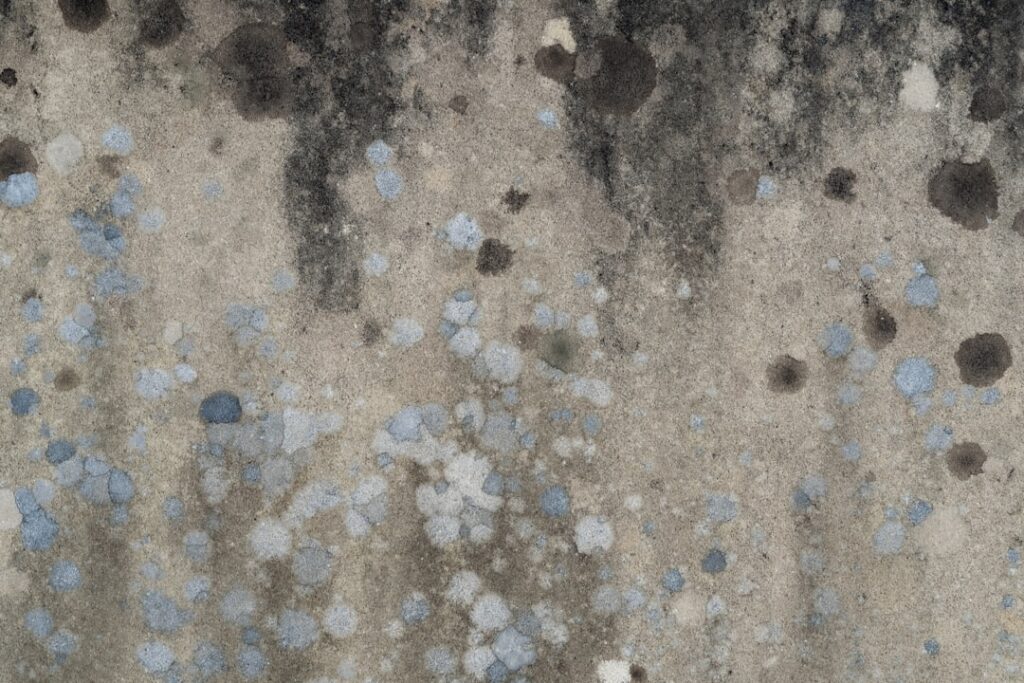
Mold on a wall is one of the most common household findings, and whether you can clean it depends almost entirely on what the wall is made of and whether the moisture feeding it has been stopped. Knowing how to clean mold on walls the right way — and recognizing when cleaning is not the answer — saves effort and prevents a quick wipe-down from masking a deeper problem. The order of operations matters as much as the cleaner. This guide summarizes EPA and CDC guidance current as of 2026 and is informational only — consult a physician about symptoms and a certified professional for testing and remediation decisions.
Is this mold, asbestos, or water damage? Get a free instant screen
Upload a clear photo of the suspect area. You'll get an instant AI screening opinion and what to do next. This is screening guidance, not a professional determination.
Screening guidance only. AI can be wrong. Confirm asbestos, mold type, or lead with lab testing or a licensed professional before acting.
How to clean mold on walls, step by step
The reliable sequence is to find and fix the moisture source, protect yourself, clean hard or sealed surfaces with detergent and water, dry the area completely, and remove porous materials that cannot be cleaned. The EPA’s hard-surface guidance is straightforward: scrub mold off hard surfaces with detergent and water and dry the surface completely; bleach is not necessary for routine cleanup.
The decisive factor is whether the wall surface is non-porous (painted-and-sealed, tile, glass) or porous (bare drywall, wallpaper, unsealed plaster). Non-porous surfaces can usually be cleaned. Porous surfaces with embedded mold often have to be removed. Skipping the moisture-source step is the most common mistake, because a cleaned wall that is still being fed by a leak or condensation will simply regrow mold. For the broader assessment process, the mold inspection and testing hub is a helpful reference, and the detailed guide to the best way to clean mold off walls covers technique in more depth.
Find the moisture first
Mold on a wall is a symptom of water. Before cleaning, identify the source so the cleanup actually lasts. Common causes include condensation on cool exterior walls in humid weather, plumbing leaks inside the wall, roof or window leaks running down behind the surface, and below-grade seepage on basement walls.
The location and pattern offer clues. Mold in a corner or along a cool exterior wall suggests condensation; a defined wet patch suggests a leak; growth low on a basement wall points to seepage. The EPA recommends keeping indoor humidity below roughly 50 percent, and condensation-driven wall mold often resolves once humidity and airflow improve. A leak, by contrast, needs the actual repair. Cleaning without addressing the source guarantees a return visit.
Protect yourself before cleaning
Cleaning disturbs spores into the air, so protection is not optional. Wear an N95 respirator, waterproof gloves, and eye protection, and ventilate the room. The EPA advises that people with asthma, mold allergies, or weakened immune systems avoid doing mold cleanup themselves; if that describes you, have someone else handle it.
Never mix cleaning products, especially bleach with ammonia, which releases toxic chloramine gas. If the area is large or you are unsure how far the growth extends, pause and consider an assessment before disturbing it, since aggressive cleaning of a big colony spreads spores widely.
Cleaning by surface type
Match the method to the material.
Painted and sealed walls
A wall with intact paint over drywall has a non-porous surface that can usually be cleaned. Scrub the moldy area with detergent and water, wipe it clean, and dry it thoroughly. If staining remains after the mold is gone, it is pigment in the paint, not live growth; repaint only after the surface is fully clean and dry. White vinegar is a common lower-fume option for these surfaces.
Tile, glass, and other hard surfaces
Bathroom tile, glass, and similar hard surfaces clean readily with detergent and water and a brush, followed by complete drying. Mold rooted in grout or caulk, though, lives below the surface and often will not come fully clean, which usually means re-grouting or re-caulking rather than repeated scrubbing.
Bare drywall, wallpaper, and unsealed plaster
These porous materials are the dividing line. The EPA states that porous materials with mold growth generally have to be discarded, because the colony roots into the material where cleaning cannot reach. Mold that has soaked into bare drywall typically means cutting out and replacing the affected section rather than cleaning it. Wallpaper with mold underneath usually has to come off. For what hidden growth inside a wall implies, the guide to black mold in walls is worth reading.
Choosing a cleaner for wall mold
The cleaner matters less than fixing the moisture and matching the method to the surface, but a few options suit walls better than others. Plain detergent and water is the EPA’s baseline recommendation for hard surfaces and is gentle on painted walls, tile, and trim. It lifts the growth without the fumes or fading risk of stronger products.
White distilled vinegar is a common low-fume alternative effective on surface mold, useful for those sensitive to bleach. Bleach can lighten staining on non-porous surfaces, but the EPA notes it is not necessary for routine cleanup and warns it does not address the underlying moisture; if used, it must never be combined with ammonia or other cleaners, and the room must be ventilated. Commercial mold cleaners exist but offer little advantage over detergent and water for ordinary wall mold. Whatever the choice, test it on an inconspicuous area first to confirm it will not damage the paint or finish, and remember that any cleaner only addresses the surface — it does nothing for growth inside the wall or the leak feeding it.
Cleaning painted walls without ruining the finish
Painted walls need a gentler hand than tile or concrete, because aggressive scrubbing can lift the paint along with the mold and leave a patch that needs repainting. Work the cleaner in with a soft sponge or cloth rather than a stiff brush, using light pressure and letting the cleaner dwell briefly to do the work.
Wipe rather than scour, rinse with a clean damp cloth, and dry the area thoroughly. If a stain remains after the live mold is gone, it is pigment absorbed into the paint, not active growth; this is a cosmetic issue resolved by repainting once the surface is fully clean and dry. A mold-resistant or kitchen-and-bath paint can help in chronically damp rooms, but paint over active mold or a wet wall will bubble, peel, or let the stain bleed through, so the surface must be clean, dry, and the moisture controlled before any repainting. If the wall feels soft or the paint is blistering, that is a sign water has gotten into the drywall behind it, which is a removal-and-replacement situation rather than a cleaning one.
Dry the area and judge the result
Drying is as important as cleaning. After cleaning a wall, dry it completely with airflow and time, since residual moisture invites regrowth. The EPA’s standard of drying within 24 to 48 hours applies. A dehumidifier or fan helps in humid conditions.
Judge success over the following weeks. If the wall stays clean, the growth was surface-level and the moisture is controlled. If mold returns in the same spot, the source was never fixed — a hidden leak, ongoing condensation, or growth inside the wall cavity. That recurrence is a signal to look deeper rather than to clean again.
When to call a professional
Cleaning is a tool for small, surface-level wall mold on non-porous surfaces. Bring in a professional when mold covers more than about 10 square feet, when contaminated water is involved, when growth is hidden inside the wall or HVAC system, or when occupants have health concerns — the EPA’s standard triggers.
Soft or stained drywall, a persistent musty smell with no visible source, or staining that bleeds back through fresh paint all point to moisture and growth inside the structure that surface cleaning cannot resolve. A qualified inspector can use moisture meters to find hidden dampness before any demolition, ensuring the repair targets the real cause. If a household member has respiratory symptoms that ease away from home, consult a physician. The consistent message across health and trade sources is the same: fix the moisture, clean non-porous surfaces properly, remove porous materials that cannot be salvaged, and escalate when the scope or the health stakes rise.
Telling surface mold from a deeper problem
Before cleaning, it helps to judge whether you are facing surface mold you can handle or a sign of growth inside the wall, because the two need very different responses. Surface mold sits on top of intact, sealed paint or on a hard surface like tile; it wipes or scrubs away to reveal clean material beneath, and the wall behind it feels firm and dry.
Several signs point past the surface to a problem inside the structure. Drywall that feels soft, spongy, or crumbly has been wet long enough to be compromised. Paint that bubbles, blisters, or peels indicates moisture pushing from behind. Staining that bleeds back through after you repaint means live growth or moisture remains underneath. A musty smell that lingers after the visible mold is cleaned suggests a hidden colony in the cavity. And mold that keeps returning to the same spot despite proper cleaning is the wall signaling an unresolved moisture source. When these signs appear, surface cleaning is the wrong tool — the affected drywall generally has to be cut out and replaced, and the moisture source found and fixed, which is the EPA’s standard for porous materials with embedded mold. Recognizing the difference up front prevents wasted effort scrubbing a surface that is only the visible edge of a larger problem.
Protective gear and a safe work area
Cleaning mold off a wall disturbs spores into the room’s air, so a basic safety setup is worth the few minutes it takes. Wear an N95 respirator, waterproof gloves, and eye protection, and for anything beyond a small patch, consider a disposable coverall to keep spores off your clothes. The EPA advises that people with asthma, a mold allergy, or a weakened immune system avoid doing mold cleanup at all.
Prepare the area to limit spread. Open a window or run a fan exhausting outward, lay down plastic or a drop cloth to catch debris, and move or cover nearby furniture. For larger areas, closing the door and isolating the room keeps spores from drifting through the house. Mist heavily soiled spots lightly before scrubbing so they do not go airborne, and avoid dry-sanding mold, which throws spores everywhere. Bag any moldy material you remove and wipe down surrounding surfaces afterward to capture settled spores. These measures keep a wall cleanup from becoming a whole-room contamination, which is an easy mistake when scrubbing sends spores into still indoor air.
Why mold returns and how to break the cycle
Wall mold that keeps coming back is the most common frustration, and the cause is almost always an unresolved moisture source rather than inadequate cleaning. A cleaned surface fed by ongoing condensation, a hidden leak, or growth inside the wall cavity will simply regrow, often in the same spot within weeks.
Breaking the cycle means treating recurrence as a diagnostic signal. If mold returns on a cool exterior-wall corner, the cause is likely condensation, and the fix is reducing indoor humidity below the EPA’s 50 percent target, improving airflow, and addressing insulation gaps that keep the wall cold. If it returns in a defined patch, a leak is the likely culprit, and the source — plumbing, roof, window, or foundation — must be found and repaired. If it bleeds back through fresh paint or the wall feels soft, growth inside the drywall is the issue, which means cutting out and replacing the affected section rather than cleaning. The honest takeaway is that repeated cleaning of a recurring spot is wasted effort; each return is the wall telling you the moisture is still there, and locating and fixing that moisture is the only way to make the cleaning stick.
References
- Mold Cleanup in Your Home — U.S. Environmental Protection Agency
- About Mold and Your Health — Centers for Disease Control and Prevention
- A Brief Guide to Mold, Moisture and Your Home — U.S. Environmental Protection Agency
If wall mold keeps returning in your Front Range home despite cleaning, the moisture source is still active — reach out through our contact page to connect with a vetted local inspector who can find it.