Black Mold in Walls: Signs, Causes, and What to Do
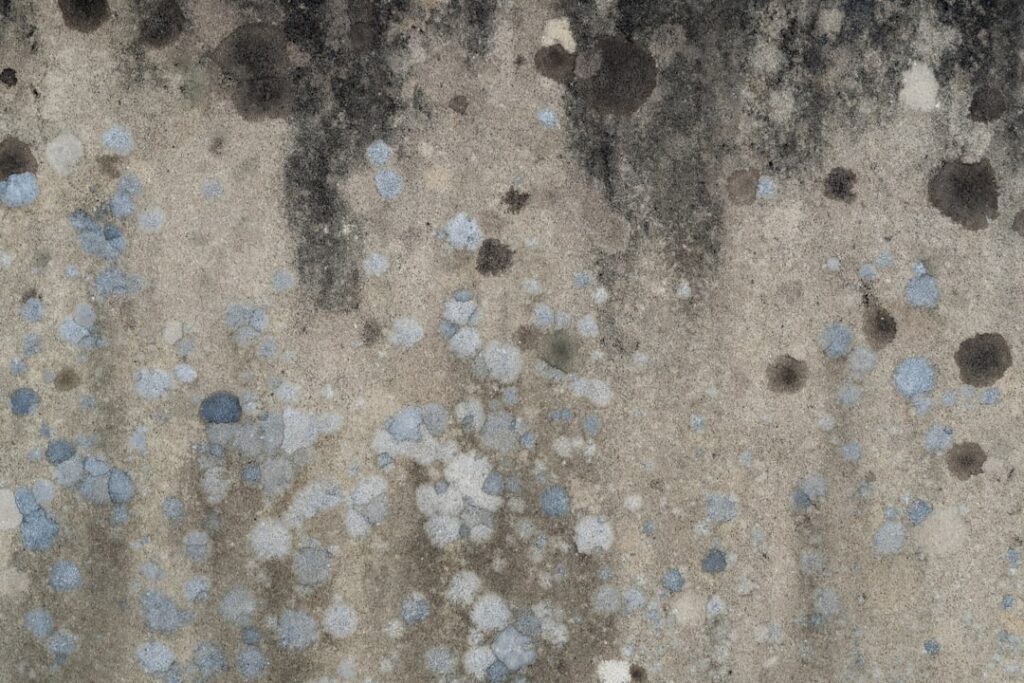
Black mold in walls is especially troubling because it often grows out of sight, inside the cavity between the interior drywall and the exterior sheathing, feeding on damp framing and paper-faced gypsum. By the time it shows on the visible surface, a larger colony may already be established behind it. This guide summarizes EPA and CDC guidance current as of 2026 and is informational only; consult a qualified professional for testing or removal decisions and your physician for any health symptoms.
Is this mold, asbestos, or water damage? Get a free instant screen
Upload a clear photo of the suspect area. You'll get an instant AI screening opinion and what to do next. This is screening guidance, not a professional determination.
Screening guidance only. AI can be wrong. Confirm asbestos, mold type, or lead with lab testing or a licensed professional before acting.
How to Tell If There’s Black Mold in Your Walls
Hidden wall mold rarely announces itself with a clean visual. The earliest sign is usually smell — a persistent musty, earthy odor that is strongest near a particular wall and does not clear with cleaning or air freshener. Visible clues include dark staining bleeding through paint, bubbling or peeling paint and wallpaper, and warped or soft drywall. Discoloration around electrical outlets, baseboards, and window frames is common because those are entry points for moisture and air movement.
A moisture meter pressed against the wall can reveal elevated readings that confirm dampness, and thermal imaging can highlight cool, wet zones behind the surface. The EPA’s guidance is that a musty odor plus a moisture source is enough to warrant investigation even without visible growth. If you want to compare what you are seeing against typical presentations, our guide to what black mold looks like on walls walks through the visual cues.
What Causes Mold Inside Walls
Wall-cavity mold needs sustained moisture, and several sources supply it. Plumbing leaks inside walls — a pinhole in a supply line, a failing drain connection — soak framing and drywall from within. Roof and window leaks let water track down inside walls. Condensation forms where warm indoor air meets cold exterior walls, especially on poorly insulated north-facing walls in winter. Foundation seepage wicks up into lower wall sections in basements. High indoor humidity feeds growth on any cool surface.
The common thread is that the moisture is often slow and hidden, which is why the mold can spread before anyone notices. The EPA’s repeated message applies: find and fix the moisture, or removal is temporary. For how the source-correction logic ties together, see the mold inspection and testing hub.
Health Effects of Black Mold in Walls
The CDC associates indoor mold exposure with nasal congestion, throat and eye irritation, coughing, and wheezing, with stronger reactions in people who have asthma or mold allergies, and potential complications for those with weakened immune systems. Mold inside walls can be especially insidious because spores and fragments may enter living space through gaps around outlets, baseboards, and HVAC penetrations without obvious surface growth. Households sometimes notice symptoms that improve when they leave home and recur when they return. Anyone experiencing persistent symptoms should consult a physician; the home-side response is to find and remove the source.
How Black Mold in Walls Gets Removed
Confirming the extent
Because the visible patch may understate the problem, removal starts with assessing how far the growth extends. This sometimes requires cutting a small inspection opening in the drywall to see inside the cavity. Moisture mapping identifies the wet zones.
Containment and removal
The work area is sealed, and HEPA-filtered negative air is established to keep spores from spreading when the wall is opened. Contaminated drywall and insulation — porous materials that hold mold — are cut out and discarded rather than cleaned. Framing and other hard surfaces are HEPA-vacuumed and cleaned with detergent. Our walkthrough on removing mold from drywall covers where the cut lines go and how much to remove.
Drying and rebuilding
The cavity is dried with air movers and dehumidifiers until moisture readings normalize, the moisture source is repaired, and only then is the wall closed up with new material.
When to Call a Professional
Wall-cavity mold frequently crosses the line where the EPA recommends professional remediation. Opening a wall releases spores, and if the contaminated area behind the surface exceeds about ten square feet — which is common once a cavity is involved — a professional with containment and HEPA equipment is the safer choice. Hidden plumbing leaks, contamination tied to sewage or flooding, and growth that has reached insulation or framing also call for professional handling. A homeowner who opens a wall and finds extensive growth should stop, contain the area, and call a specialist rather than push forward.
There is also a practical reason to bring in a professional early: cutting into a wall without knowing what is behind it can hit plumbing, wiring, or more growth than expected, turning a small investigation into a large mess. A professional confirms the extent first with moisture detection and a borescope, then opens only what needs opening. For a sense of how the work and pricing scale, our guide to removing mold from drywall covers the removal side in detail.
Professionals also bring the moisture-detection tools to confirm they have found every wet zone, which prevents the maddening cycle of repairing one section while another keeps the mold alive. The principles for choosing well appear in our guide to professional mold removal near you.
What the Cost of Wall Mold Removal Looks Like
Pricing for in-wall mold depends heavily on how much of the wall must come out and what caused the moisture. A small, contained section — a few square feet of drywall removed, the cavity dried, and the wall patched — might run several hundred to roughly $1,500 once the moisture source is addressed. When growth spans a larger area, involves insulation and framing, or requires opening multiple walls to chase a leak, costs commonly climb into the $2,000 to $6,000 range, with extensive or structural cases higher still.
Two factors push the price beyond the removal itself. The first is source correction — repairing in-wall plumbing, fixing a roof or window leak, or addressing foundation seepage can be a project in its own right. The second is reconstruction: new drywall, insulation, paint, and trim to close the wall back up, often billed separately from the remediation. Because hidden growth is frequently larger than the visible patch suggests, build in margin for the possibility that opening the wall reveals more than expected. Our overview of mold removal costs breaks down the variables in more detail.
Why You Can’t Just Paint Over It
A tempting shortcut is to paint over wall mold with a “mold-killing” or stain-blocking primer and move on. The EPA is clear that this does not work. Painting over active growth leaves the mold alive beneath the coating, feeding on the same damp material, and the paint eventually peels, bubbles, or is bled through as the growth continues. Worse, it hides the problem, letting the colony expand unseen while the moisture source remains.
The only durable approach is to remove the growth and contaminated material, dry the cavity, correct the moisture source, and then refinish with new material. Mold-resistant primers and paints have a legitimate role — on clean, dry, repaired surfaces as a preventive measure — but they are not a treatment for existing growth. Treating paint as a cure rather than a finish is one of the most common and costly mistakes homeowners make with wall mold, because it converts a fixable problem into a hidden, spreading one.
Preventing Mold From Returning to Your Walls
Prevention is moisture control. Repair plumbing, roof, and window leaks promptly, since material kept wet beyond 24 to 48 hours is where mold establishes. Keep indoor humidity below 60 percent with ventilation and, where needed, a dehumidifier. Improve insulation on cold exterior walls to reduce condensation. In basements, address foundation seepage and grade soil away from the house. Ensure bathroom and kitchen exhaust fans vent outdoors, not into wall cavities or attics. Walls that stay dry do not grow mold, and catching a leak early is far cheaper than opening and rebuilding a wall later.
Catching problems early is the cheapest prevention of all. A water stain that appears and reappears on a wall or ceiling is a signal to find the source now, not after it has fed a cavity colony. A musty smell that lingers in one room deserves investigation before it becomes visible growth. Periodically checking under sinks, around tubs and showers, and along basement walls turns a future wall-opening project into a quick repair. The homeowners who avoid expensive in-wall remediation are usually the ones who treat the first sign of moisture as a problem to solve rather than a cosmetic issue to ignore.
Black Mold in Walls and Front Range Homes
Colorado’s dry climate does not make wall-cavity mold impossible, only more localized. Finished basements across the Denver metro and surrounding counties put drywall against below-grade walls where snowmelt and spring runoff can seep in, creating the sustained dampness that feeds in-wall growth. North-facing exterior walls collect winter condensation behind the drywall when insulation is thin. Bathrooms with weak ventilation push moisture into surrounding wall assemblies.
Because the climate masks the problem — surfaces dry quickly, so visible growth is less common — Front Range wall mold often hides longer before it is noticed, sometimes only surfacing as a musty smell or a recurring stain. That makes moisture detection especially valuable here: a meter or thermal scan can confirm a damp cavity that the dry indoor air would otherwise disguise. Treating a persistent musty wall as worth investigating, rather than dismissing it because “it’s dry in Colorado,” is the practical lesson for local homeowners.
How Inspectors Confirm Mold Inside Walls
Because wall-cavity mold is hidden, confirming it usually takes more than a glance. A moisture meter pressed against the surface reveals elevated dampness that points to a wet cavity. Thermal imaging highlights the cooler areas where moisture collects behind the finish, guiding where to look more closely. A borescope — a slim camera on a flexible probe — can be inserted through a small drilled hole to view inside the cavity without removing a whole panel, the least invasive way to confirm growth.
When these tools indicate a problem, an inspector may cut a small inspection opening to see and sample directly. This staged approach — meter, thermal, borescope, then a small cut if needed — confirms the presence and rough extent of growth before committing to demolition, which keeps the eventual removal correctly sized. For homeowners deciding whether to investigate a musty wall, our guide to what black mold looks like on walls helps interpret the surface clues that justify a closer look.
How Quickly to Act on Suspected Wall Mold
Time matters with in-wall mold because the moisture feeding it is usually ongoing. A leak or condensation problem left in place keeps the cavity damp, and the colony keeps expanding into more drywall, insulation, and framing. What starts as a small section can grow into a multi-wall problem over weeks to months, and the larger the contaminated area, the higher the eventual removal and reconstruction cost.
This is why a persistent musty smell, a recurring stain, or a soft spot on a wall deserves prompt investigation rather than a wait-and-see approach. Confirming the dampness with a moisture meter or scheduling an inspection while the problem is small keeps it from compounding. Acting early also limits occupant exposure to the spores that can enter living space through gaps around outlets and baseboards. The homeowners who keep wall-mold projects small are the ones who treat the first sign of moisture as a problem to solve now.
References
- A Brief Guide to Mold, Moisture and Your Home — U.S. Environmental Protection Agency
- Mold Cleanup in Your Home — U.S. Environmental Protection Agency
- About Mold and Your Health — Centers for Disease Control and Prevention
If a musty wall has you concerned, a Front Range inspector can locate the moisture before you open anything up — get in touch through our contact page.