Professional Mold Removal Near Me: How to Choose Well
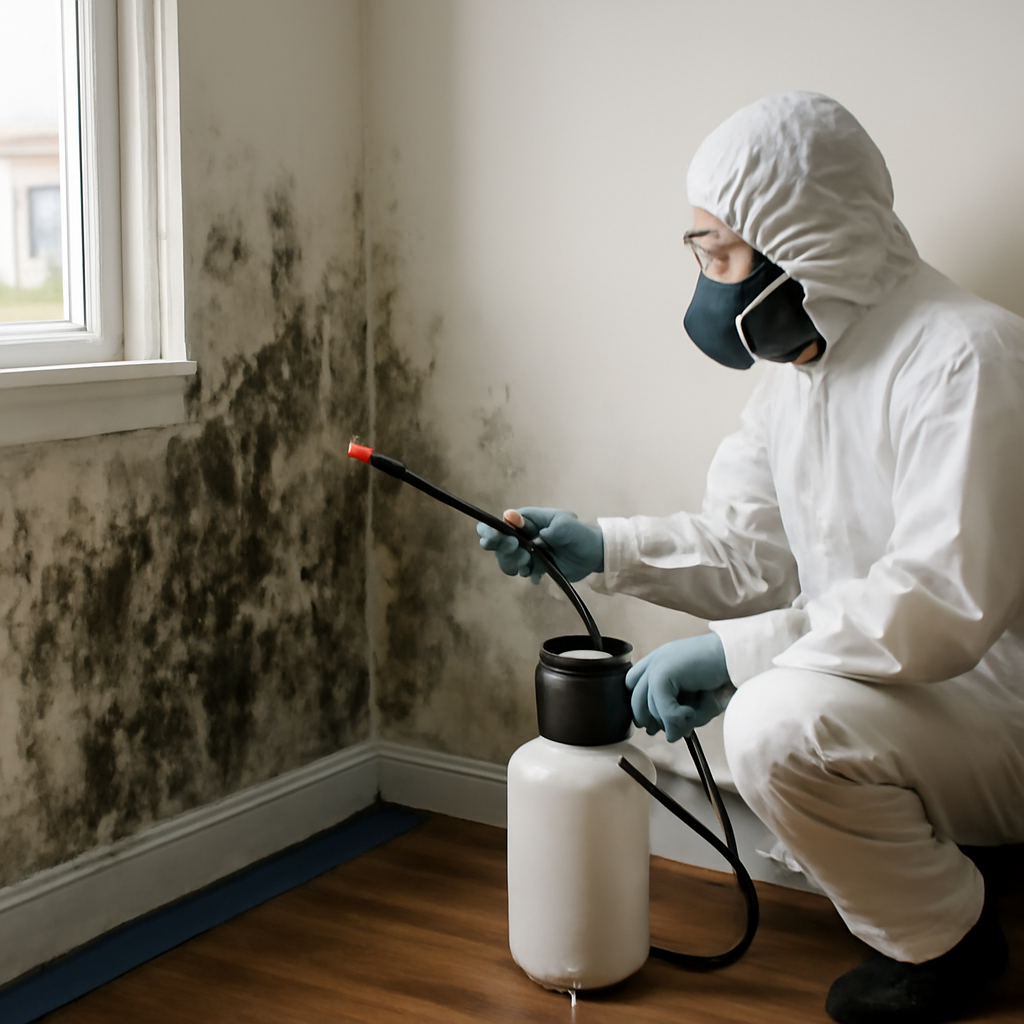
Typing “professional mold removal near me” into a search bar usually happens at a stressful moment — a spreading stain, a musty smell that will not quit, or a home inspection flagging mold before a closing. The results return a wall of companies that all promise fast, certified, guaranteed work, and sorting the legitimate remediators from the upsellers is genuinely hard under pressure. This guide explains what professional mold removal actually includes, what it should cost, how to spot the red flags, and how to compare local companies on more than price. It summarizes EPA and CDC guidance current as of 2026 and is educational only — consult a certified professional for assessment and your physician for any health symptoms.
Is this mold, asbestos, or water damage? Get a free instant screen
Upload a clear photo of the suspect area. You'll get an instant AI screening opinion and what to do next. This is screening guidance, not a professional determination.
Screening guidance only. AI can be wrong. Confirm asbestos, mold type, or lead with lab testing or a licensed professional before acting.
What does professional mold removal include?
Professional mold removal — more accurately called remediation — is a structured process, not just scrubbing visible growth. A competent company works through a recognizable sequence, and knowing it lets you judge whether a contractor is doing the full job or cutting corners.
The process begins with an assessment that locates the mold and, critically, the moisture source feeding it. Next comes containment: plastic sheeting seals the work area and a negative-air machine with HEPA filtration keeps spores from escaping into clean rooms. Then the team removes mold-affected porous materials — drywall, carpet, insulation — and HEPA-vacuums and cleans the remaining surfaces. The area is dried with fans and dehumidifiers, the moisture source is corrected, and many jobs end with a clearance check, ideally by an independent party, confirming the work succeeded.
The EPA frames remediation around three goals: fix the moisture, clean or remove the mold, and prevent recurrence. A company that quotes a cleaning without addressing the water is selling you a repeat visit. Understanding the standard scope is the first defense against being upsold or underserved; the underlying steps mirror the broader mold inspection and testing hub and the process detail in mold remediation and restoration.
When you actually need a professional
Not every spot of mold requires a hired crew. The EPA’s practical guideline is that roughly 10 square feet of contiguous growth — about a bath-towel’s worth — is a do-it-yourself ceiling for a careful homeowner with proper protection. Below that, the right cleaner and method often suffice.
Professional removal becomes the safer choice when the growth exceeds that area, when mold stems from sewage or floodwater, when it has colonized the HVAC system, when it keeps returning despite cleaning, or when an occupant has asthma, allergies, or a weakened immune system. Hidden mold behind walls or under floors, structural materials that are soft or rotted, and any situation requiring documentation for a real estate transaction also point to hiring out. The honest test is whether the job can be contained and dried safely with household tools — if not, a pro brings the containment, negative-air equipment, and moisture diagnostics that make the difference between a fix and a relapse.
What professional mold removal costs
Cost is the question everyone wants answered first, and the honest answer is a range, because price tracks the size of the affected area, the materials involved, the difficulty of access, and how far the moisture has spread. Treating any single number as “the price” leads to sticker shock or to being overcharged.
Typical ranges by scope
Industry estimates commonly place small, contained jobs — a closet, a section of bathroom wall, a limited area under 10 square feet handled professionally — in the lower-hundreds to roughly a thousand dollars. Mid-size jobs involving a full room, demolition of drywall, drying, and partial rebuild often land in the low thousands. Large or severe cases — whole-house contamination, crawlspace or attic remediation, flood-driven growth, or mold tied to structural moisture — can reach several thousand dollars and up. The national breakdown of what drives these totals is detailed in the guide on mold removal costs.
What’s usually not in the base quote
Remediation removes the mold and dries the space; it frequently does not include the rebuild — new drywall, paint, flooring, or fixing the leak that caused the problem. Plumbing or roofing repairs, post-remediation testing if done by a third party, and reconstruction are often separate line items or separate trades. Ask explicitly what the quote covers so you are comparing the same scope across companies, not a cleanup-only price against a cleanup-plus-rebuild price.
Red flags when hiring a mold removal company
The mold industry attracts some operators who profit from fear, so a few warning signs are worth memorizing before the first phone call.
Be wary of any company that quotes a price before inspecting the property, since a real scope depends on what they find. Treat promises to “kill all the mold” or make a home “100 percent mold-free” as marketing fiction — spores exist everywhere, and the realistic goal is removal plus moisture control. High-pressure tactics, same-day “emergency” demolition without an assessment, and refusal to identify the moisture source are all signals to slow down. A company that wants to do extensive testing and the remediation itself has a built-in conflict of interest; independent testing and remediation keep the incentives honest, which is exactly why states like New York legally separate the two roles. Vague or verbal-only scopes, no proof of insurance, and reluctance to provide references round out the list. The same skepticism applies to inflated test results, a theme covered in the guide on what an instant mold test kit can and cannot tell you.
Certifications and questions that separate the pros
Credentials are not a guarantee, but they raise the floor. Look for technicians certified through recognized programs — the IICRC’s mold remediation credentials are the most common industry standard — and confirm the company carries general liability and, ideally, pollution coverage. In states that license mold work, verify the license is current. Even where licensing is not required, a contractor who follows EPA remediation guidance and documents their work signals professionalism.
A short list of questions filters most of the field quickly. Ask: Will you inspect before quoting, and is the assessment written? How will you contain the area and filter the air? How will you find and fix the moisture source? What materials will you remove versus clean? Is reconstruction included or separate? Do you provide a clearance check, and is it independent? What does your warranty cover, and for how long? Are you insured, and can I see proof? A reputable remediator answers these plainly; an evasive one tells you what you need to know by not answering. The broader hiring lens — vetting any home-service contractor — carries over to mold work as well.
How to compare local quotes apples-to-apples
Collect at least two or three written estimates, and read them for scope before price. The cheapest bid is meaningless if it omits containment, skips the moisture fix, or excludes the rebuild that a competing bid includes. Line up the quotes against the same checklist: assessment, containment method, materials removed, drying, moisture-source correction, clearance testing, reconstruction, and warranty.
Watch for scope mismatches disguised as price differences. A quote that is hundreds less because it cleans surfaces rather than removing colonized drywall is not a better deal — it is a different, lesser job that may fail. Confirm each company will document moisture readings and provide before-and-after evidence. Ask how they handle the unexpected, such as discovering the mold extends farther than visible once the wall is opened, and get any change-order process in writing. Local reputation matters too: check reviews for patterns about communication, cleanliness, and whether the problem stayed fixed, not just star averages.
How the hiring process actually unfolds
Knowing the sequence of a typical engagement helps homeowners stay in control rather than reacting to a contractor’s pace. The first contact should produce a scheduled assessment, not a price. A reputable company sends someone to inspect, identify the moisture source, gauge the extent, and only then prepare a written scope and estimate. If a firm quotes over the phone from a photo, that is the moment to be skeptical.
Once you have written estimates in hand — ideally two or three — you compare scope before price and select a company. The agreement should specify the containment method, what materials will be removed versus cleaned, the drying plan, how the moisture source will be corrected, whether reconstruction is included, the warranty, and how change orders are handled if the mold turns out to be more extensive once a wall is opened. On the work days, the crew sets up containment and negative-air equipment, performs the removal and cleaning, runs drying equipment, and corrects the moisture. The job should close with confirmation that the area is clean and dry — ideally an independent clearance check rather than the remediator grading their own work. Payment milestones tied to these phases, rather than a large upfront sum, protect you if the work stalls. Throughout, documentation — photos, moisture readings, and the written scope — is your record and your leverage.
DIY versus hiring out: a realistic comparison
The choice between cleaning mold yourself and hiring a professional is not simply about money; it is about scope, safety, and the likelihood of a lasting fix. For a small, contained patch on a non-porous surface — under the EPA’s 10-square-foot guideline — a careful homeowner with proper protection can clean it for the cost of a respirator, gloves, and a cleaner, and the result holds as long as the moisture is addressed. Spending hundreds on a professional for a square foot of bathroom tile is rarely warranted.
The calculus flips as the job grows. Larger areas, porous materials that must be removed, hidden cavity growth, HVAC involvement, and contaminated water all demand containment, negative air, HEPA filtration, and moisture diagnostics that household tools cannot match. A botched DIY attempt on a large area can spread spores through the house and turn a contained problem into a whole-home one, ultimately costing more than hiring out would have. There is also a health dimension: occupants with asthma, allergies, or weakened immune systems should not perform mold work, and that alone can justify hiring a professional for an otherwise borderline job. The honest middle ground is that the DIY ceiling is real but modest, and that the cost of a professional often buys not just labor but containment, source diagnosis, and documentation a homeowner cannot replicate. When the scope is genuinely small, save the money; when it is not, paying for the equipment and expertise usually costs less than redoing a failed attempt.
Front Range considerations and preventing a repeat
Colorado’s dry climate means Front Range homes generally face less ambient mold pressure than humid regions, which shapes both the problems and the providers. Local mold tends to cluster in specific damp pockets rather than spreading housewide: finished basements, bathrooms without working fans, crawlspaces, and homes running evaporative coolers in summer that raise indoor humidity. That pattern means a thorough local remediator should be especially focused on pinpointing the localized moisture source — a basement seepage point, a failed bathroom fan, a crawlspace humidity problem — rather than treating the whole house.
Whatever the climate, the work only lasts if the moisture is controlled afterward. Keep indoor relative humidity below 60 percent and verify with a hygrometer, run exhaust fans, repair leaks within 24 to 48 hours, improve foundation drainage, and ventilate or dehumidify damp below-grade spaces. A good company explains this prevention plan as part of the job; a poor one leaves the moisture in place and counts on a return visit. Hiring well means choosing the remediator who treats the cause, documents the work, and sets you up not to need them again.
Questions to ask before signing a contract
The contract is where a good engagement is protected or a bad one is set in motion, so a deliberate set of questions before signing pays off. Start with scope clarity: does the written agreement specify the containment method, exactly which materials will be removed versus cleaned, the drying plan, and how the moisture source will be corrected? Vague language here is where disputes and unfinished jobs begin.
Then probe accountability. Is there an independent clearance check confirming the area is clean and dry, or does the same company grade its own work? What does the warranty cover, and for how long — and does it become void if a separate trade handles the rebuild? How are change orders handled if the mold turns out to extend farther than visible once a wall is opened, which is common? On the business side, ask for proof of general liability and pollution insurance, confirmation of any required state license, and the technicians’ certifications. Finally, clarify payment structure: milestones tied to completed phases protect you far better than a large upfront sum. A company that answers these plainly and puts the answers in writing is demonstrating the professionalism the job requires. Evasiveness, pressure to sign immediately, or reluctance to commit details to paper are reliable signals to keep looking. The few minutes these questions take are trivial against the cost of a remediation that has to be redone.
What to expect after the work is done
Hiring well includes knowing what a finished, successful job looks like, so you can judge whether you received it. At completion, the work area should be visibly clean, free of musty odor, and confirmed dry — ideally documented with moisture-meter readings and, on larger jobs, an independent clearance assessment rather than the remediator’s own say-so. You should receive a record: before-and-after photos, the scope performed, moisture data, and a clear statement of what was done to correct the source.
The moisture fix is the part that determines whether the result lasts, so confirm it was actually addressed — the leak repaired, the humidity controlled, the drainage corrected — and not just deferred. Reconstruction, if not in your contract, is the next phase, and it should only begin on a verified-dry, clean surface. In the weeks afterward, watch the treated area for any return of staining or odor, which would indicate the source was not fully resolved and is the moment to invoke the warranty. Keep all documentation for insurance and for any future sale of the home, where proof of proper remediation reassures buyers. A reputable company welcomes this follow-through because their work holds up to it; a poor one counts on the homeowner not looking closely. The lasting measure of good professional mold removal is simple — months later, the area is still clean, still dry, and the problem has not come back.
References
- Mold Cleanup in Your Home — U.S. Environmental Protection Agency
- Mold Remediation in Schools and Commercial Buildings — U.S. Environmental Protection Agency
- About Mold and Your Home — Centers for Disease Control and Prevention
If you’re in the Denver metro or wider Front Range and want help vetting a mold removal company before you sign, reach out through our contact page to connect with a vetted local inspector first.
Mold removal & cleanup picks
For a small, contained patch (under ~10 sq ft) these EPA-friendly removers handle surface mold. Larger or recurring growth warrants a professional assessment first.
| Product | Why | Buy |
|---|---|---|
 RMR-86 Instant Mold Stain Remover RMR-86 Instant Mold Stain Remover | Fast-acting on stains; ventilate and wear PPE. | Amazon — $18.38 |
 Concrobium Mold Control Concrobium Mold Control | No-bleach formula that also helps prevent regrowth. | Amazon — $13.47 |
 Mold Armor Mold & Mildew Remover Mold Armor Mold & Mildew Remover | Widely stocked bathroom/surface remover. | Amazon — $22.98 |