Can Mold Cause High Blood Pressure? A Guide
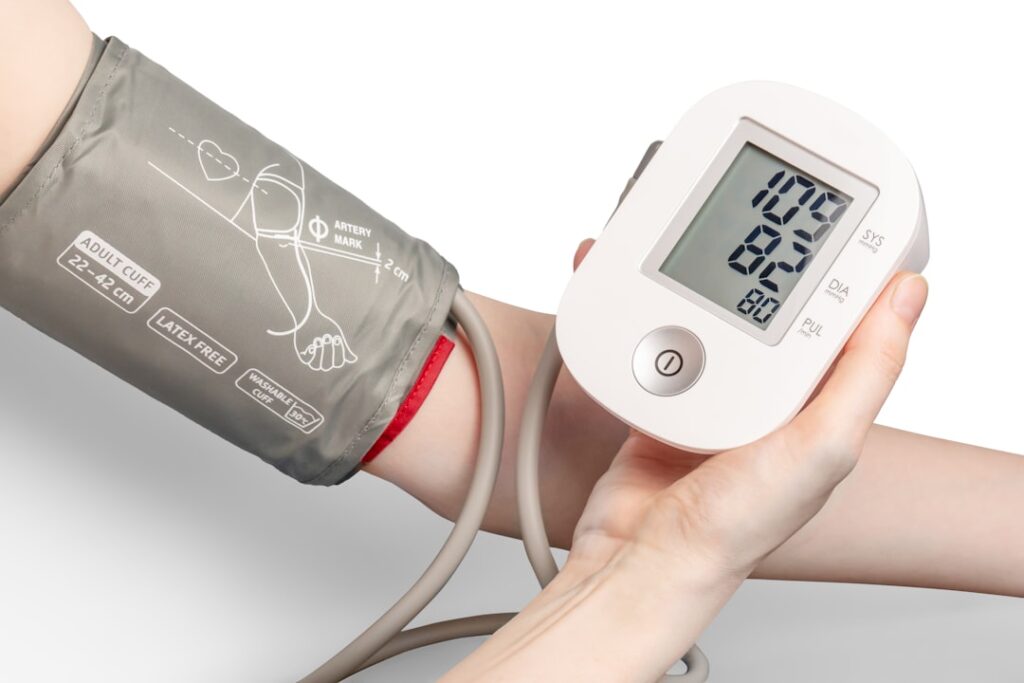
Online discussions sometimes connect household mold to a long list of conditions, and blood pressure occasionally appears on that list, leaving worried homeowners searching for answers. So can mold cause high blood pressure directly, or is the link more indirect and uncertain? The honest answer, based on current public-health guidance, is that mold is not established as a direct cause of hypertension, though the relationship between stress, sleep, respiratory effects, and overall health is more nuanced. This guide summarizes EPA and CDC guidance current as of 2026, keeps health information general, and offers no medical diagnosis. It is not a substitute for a physician, who is the right person to evaluate your blood pressure.
Is this mold, asbestos, or water damage? Get a free instant screen
Upload a clear photo of the suspect area. You'll get an instant AI screening opinion and what to do next. This is screening guidance, not a professional determination.
Screening guidance only. AI can be wrong. Confirm asbestos, mold type, or lead with lab testing or a licensed professional before acting.
Can mold cause high blood pressure directly?
Current mainstream guidance from agencies like the CDC and EPA does not list high blood pressure among the established health effects of indoor mold exposure. The well-documented effects center on the respiratory system and allergic responses: nasal congestion, throat irritation, coughing, wheezing, eye irritation, and aggravation of asthma in sensitive people. There is no strong, settled body of evidence showing that breathing household mold raises blood pressure as a direct physiological cause.
That does not mean a homeowner’s concern is baseless, only that the connection, if any, is likely indirect rather than a simple cause-and-effect. Chronic poor sleep from nighttime congestion or coughing, ongoing stress about a home problem, reduced physical activity when someone feels unwell, and the body’s general response to chronic inflammation can all influence cardiovascular health over time. These are plausible indirect pathways, but they are different from saying mold itself causes hypertension. The science here is limited and evolving, and individual situations vary.
The responsible framing is this: if you have high blood pressure, mold is not a recognized primary cause, and managing the condition should be guided by a physician. At the same time, removing mold and improving indoor air quality is worthwhile for the well-documented respiratory reasons, and a healthier home environment supports overall health. This article does not diagnose any condition.
It helps to understand what doctors recognize as the actual drivers of high blood pressure, because that context shows why pinning it on mold is misleading. The established contributors include genetics and family history, age, excess body weight, high sodium intake, low physical activity, excessive alcohol use, chronic stress, certain medical conditions such as kidney disease, and some medications. Hypertension is common and multifactorial, and it frequently has no single identifiable cause, which is part of why it is sometimes called a silent condition. Against that backdrop, attributing it to a patch of household mold both overstates the evidence and risks distracting from the proven contributors a person can actually address with their doctor.
What mold exposure is actually linked to
The health effects with the strongest evidence are respiratory and allergic. For people sensitive to mold, exposure can trigger sneezing, runny or stuffy nose, red or itchy eyes, skin irritation, coughing, and wheezing. People with asthma may experience attacks or worsened symptoms, and those with mold allergies can react more intensely. The CDC notes that some people with chronic lung conditions may develop infections in their lungs from certain molds, but this is uncommon and tied to specific vulnerabilities.
Higher-risk groups, infants, older adults, people with asthma or allergies, and those with weakened immune systems, tend to be more affected. Beyond these documented effects, many other claimed symptoms circulate online without strong supporting evidence, and high blood pressure falls into that less-substantiated category. It is wise to be skeptical of sources that attribute a broad sweep of unrelated conditions to mold, especially those promoting expensive testing or treatment based on a questionnaire. For a sense of how other contested symptoms are evaluated, our guide on whether mold can cause anxiety takes a similar evidence-based approach.
The CDC is explicit on a related point that matters here: there is no established blood test or single panel that diagnoses an illness caused by household mold exposure, and the agency does not recommend routine sampling to connect symptoms to a specific mold. This is relevant to the blood-pressure question because some clinics market broad “mold illness” diagnoses, sometimes including cardiovascular complaints, based on questionnaires and tests of uncertain validity. A homeowner worried about blood pressure is far better served by standard, evidence-based cardiovascular care than by a program that attributes a long symptom list, hypertension among them, to mold and then sells treatment for it. Healthy skepticism protects both your wallet and your health.
Why indirect effects still matter
Even without a direct link, the indirect pathways deserve respect. Sleep loss from a chronically congested airway, persistent stress about a damp home, and feeling unwell day to day are real burdens, and they can interact with cardiovascular and general health in ways that are hard to isolate. Improving the home does not treat hypertension, but it removes a stressor and a respiratory irritant, which is a reasonable goal regardless of the blood-pressure question.
One measurement quirk is worth knowing because it explains some confusion. Blood pressure naturally varies through the day and in response to stress, activity, caffeine, and even the anxiety of being measured, so a single high reading taken while worried about a moldy home does not establish a pattern. This normal variability can make people connect a stressful home situation to a high reading and infer causation that is not there. Reliable assessment relies on repeated, properly taken measurements over time, which is one more reason to leave the blood-pressure question to a physician rather than to inference from a stressful afternoon.
Sleep is the indirect pathway most worth taking seriously. Nasal congestion, coughing, and worsened asthma can fragment sleep, and poor sleep is itself associated with a range of health effects. A person who sleeps badly for months because a damp bedroom keeps them congested carries a real burden, even though the mechanism is the disrupted sleep rather than mold acting directly on the cardiovascular system. The same goes for the stress of living with a home problem, which is genuine and worth resolving. The honest framing keeps the chain of causation visible: mold may worsen sleep or stress, and those in turn relate to general health, but that is a chain of plausible indirect links, not evidence that mold raises blood pressure on its own.
What to do if you are worried about mold and your health
Two tracks run in parallel, and they should not be confused. On the medical side, anyone concerned about high blood pressure should work with a physician, who can measure it accurately, identify the recognized contributors, and manage it appropriately. Blaming a single environmental factor risks distracting from the established causes and proven treatments. A doctor is also the right resource for evaluating any symptoms a homeowner suspects are mold-related.
On the home side, if there is visible mold or a persistent musty smell, address it for the well-supported reasons. The EPA’s approach is consistent: find the moisture source, fix it, and remove the growth, regardless of species. Small areas of mold on hard surfaces can usually be cleaned by a homeowner wearing an N95 respirator, gloves, and eye protection, using detergent and water and drying thoroughly, while discarding saturated porous materials. Larger areas, hidden growth, or a health-sensitive household call for a professional remediator.
Improving your home environment
Reducing indoor mold and improving air quality is sensible whether or not it touches blood pressure. Keep indoor relative humidity below roughly 50 percent, run bathroom and kitchen exhaust fans, repair leaks promptly, ventilate damp areas, and use a dehumidifier in basements that hold moisture. Front Range homeowners should watch basements and crawl spaces, swamp-cooler humidity in summer, and ice-dam and snowmelt leaks in winter, since these create the damp conditions mold needs even in a dry climate.
If you suspect hidden mold or want to confirm whether a problem exists, a professional inspection can locate moisture with meters and thermal imaging and assess the extent of any growth. The mold inspection and testing hub explains when that step is worthwhile. The bottom line is measured: mold is not an established direct cause of high blood pressure, so manage your blood pressure with a doctor, and manage mold for the clear respiratory and home-health reasons. Both efforts are worthwhile, and keeping them separate leads to better decisions on each.
What you can do for your blood pressure that is well supported
While mold is not a recognized cause, the steps that genuinely help blood pressure are well established and worth mentioning so the focus stays on what works. Physicians and major health organizations point to maintaining a healthy weight, reducing sodium, staying physically active, limiting alcohol, managing stress, getting adequate sleep, and taking prescribed medication consistently. Regular monitoring, whether at home with a validated cuff or at a clinic, tracks whether those efforts are working. These are the levers with real evidence behind them. A homeowner who cleans up mold and improves their indoor environment may feel better and sleep more soundly, which is valuable, but blood-pressure management itself belongs to this proven toolkit guided by a physician, not to mold remediation.
Framing it this way prevents a common trap: spending heavily to chase a mold cause for hypertension while neglecting the changes that actually move the numbers. Clean up the mold because a damp, moldy home is worth fixing on its own terms. Manage blood pressure through the established medical pathway. Treating them as two separate, legitimate projects, rather than forcing one to explain the other, is the approach most likely to improve both the home and the person living in it.
How to read the claims you find online
Searches about mold and blood pressure quickly surface confident assertions, so it helps to have a way to weigh them. Look at the source: guidance from the CDC, EPA, NIH, or a recognized lung-health organization carries more weight than a clinic or product site that benefits financially from connecting symptoms to mold. Notice whether a claim distinguishes between an established effect and a hypothesis; reputable sources are careful to say the respiratory and allergic effects are well documented while broader claims are not. Be wary of any source that links a long, varied list of unrelated conditions to mold, since that pattern often signals marketing rather than science.
Anecdotes deserve particular care. It is common to read that someone’s blood pressure improved after they removed mold from their home, and such stories feel persuasive. But an individual account cannot separate the effect of the mold from everything else that changed at the same time, better sleep, reduced stress, a new medication, weight loss, or simple natural variation in blood pressure readings. A single person feeling better proves little about cause, which is why researchers rely on controlled studies rather than testimonials. Treating compelling anecdotes as evidence is one of the easiest ways to reach a wrong conclusion about health.
Apply the same caution to testing and treatment offers. The CDC has stated there is no validated blood test that diagnoses illness from household mold, so a program promising to confirm “mold illness” and then sell a remedy should prompt skepticism. The grounded approach treats two questions separately: is there a moisture and mold problem in the home worth fixing, which is a building question with clear answers, and is a person’s blood pressure well managed, which is a medical question for a physician. Keeping those questions distinct, and trusting authoritative sources for each, leads to better decisions than accepting a single tidy story that blames everything on mold. This article does not diagnose any condition.
References
- About Mold and Health — Centers for Disease Control and Prevention
- Mold and Health — U.S. Environmental Protection Agency
- Mold and Indoor Air Quality — American Lung Association
Front Range homeowners who want to rule out a hidden mold problem in their home can reach out through our contact page to connect with a vetted local inspector.