Aspergillus On Wall: What Homeowners Know
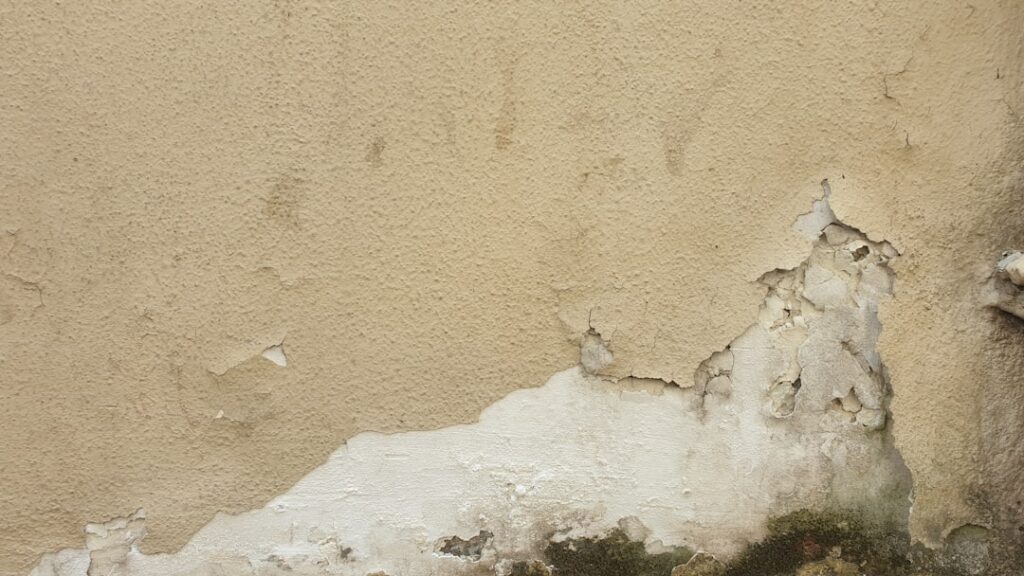
Finding mold creeping across an interior wall is unsettling, and aspergillus is one of the genera most likely to be responsible, since it ranks among the most common indoor molds. Recognizing aspergillus on wall surfaces, understanding why it grows there, and knowing how to respond can keep a small patch from becoming a costly remediation project. This guide summarizes EPA and CDC guidance current as of 2026, keeps health information general, and offers no medical diagnosis. It is not a substitute for a physician on symptoms or a certified professional on testing and removal.
Dealing with mold or water damage? Talk to a remediation pro now.
📞 Call (833) 723-1134What aspergillus on a wall looks like
Aspergillus on a wall can appear in several colors, including green, yellow-green, gray, white, brown, or darker shades, depending on the species, the wall material, and how long it has been growing. It often begins as small spots or a powdery film and spreads into larger patches over time. The texture is frequently powdery or velvety rather than slimy, which can help distinguish it from certain other household molds, though appearance alone never confirms a species.
Walls are a favorable surface because the paper facing on drywall is cellulose, a food source, and walls collect dust and trap moisture, especially exterior walls where condensation forms. Growth tends to concentrate near the floor, around windows, behind furniture pushed against cold walls, in corners with poor airflow, and anywhere a hidden leak has dampened the surface. Because color and texture vary, a homeowner should treat a suspect wall patch as mold to investigate rather than a confirmed identification; definitive naming requires lab microscopy. Our guide on what mold on walls looks like covers the visual cues that help separate mold from stains and efflorescence.
What matters more than the exact species is what the growth reveals: a wall that is, or recently was, wet enough to support mold. That moisture is the real target.
Aspergillus is a large genus rather than a single mold, encompassing many species that vary in appearance and in concern. Because a homeowner cannot distinguish them by sight on a wall, the responsible approach treats any wall growth the same way regardless of suspected species: remove it safely and fix the moisture. Trying to judge from color or texture whether a given patch is a more or less concerning member of the group is guesswork that does not change the correct response.
The location of growth on a wall is itself a clue to the moisture source. Mold concentrated along the base of a wall often points to water wicking up from a wet floor or a foundation problem. Growth high on a wall or at the ceiling line suggests a roof or upper-level leak tracking down. A patch centered on one spot mid-wall can indicate a pipe running inside that section, while growth that follows a vertical line may trace a plumbing stack or a chronically cold framing member. Growth clustered in a corner or behind furniture usually reflects stagnant air and condensation rather than a leak. Reading where the aspergillus appears, not just that it appears, helps narrow the search for the water feeding it.
Health considerations with wall aspergillus
For most healthy people, household exposure to aspergillus on a wall is primarily an allergen concern rather than a serious danger. Sensitive individuals may notice congestion, sneezing, coughing, itchy eyes, or worsened asthma when spending time in an affected room. The general guidance from the CDC and lung-health organizations is consistent across mold types: limit exposure and remove the growth, without needing to identify the species first.
Higher-risk groups warrant more caution. People with weakened immune systems, chronic lung disease, or asthma may react more strongly, and aspergillus is among the molds linked to opportunistic infections in immunocompromised patients, although such cases are uncommon and typically involve serious underlying illness. The danger is dose-dependent and person-dependent, so a few specks behind a couch are not the threat that a wall extensively colonized after a long leak would be. This article does not diagnose any condition; anyone with symptoms they associate with the home should consult a physician.
Because health risk cannot be read from color or size alone, the prudent course is to treat any wall growth as something to remove while protecting yourself and any vulnerable household members during the work.
It also helps to keep claims about mold and health in proportion. The CDC has stated there is no established blood test or single panel that diagnoses illness from household mold exposure, and it cautions against assuming a broad range of unrelated symptoms must stem from a wall mold. That measured stance does not minimize genuine allergy and asthma effects, which are real for sensitive people; it simply guards against the overreach common in online mold discussions. For a homeowner, the actionable conclusion is the same either way: remove the growth, fix the moisture, and bring any persistent symptoms to a physician rather than self-diagnosing from a patch on the wall. This article offers no diagnosis.
Why aspergillus grows on walls
Mold on a wall is a moisture report. Aspergillus needs water, a food source, and a comfortable temperature, and walls supply the food and temperature; moisture is the variable that decides whether growth happens. Common moisture sources include condensation on cold exterior walls, plumbing leaks inside the wall cavity, roof leaks tracking down, foundation seepage in basements, and chronically high indoor humidity from poor ventilation.
Front Range homes have distinct patterns despite the dry regional climate. Basements and garden-level rooms hold more moisture than upper floors, swamp coolers raise indoor humidity in summer, and ice dams plus snowmelt push water into walls and around windows in winter. A patch that appears on a bedroom wall every cold season often signals condensation on a poorly insulated exterior wall, while one spreading on a basement wall may point to foundation moisture. Reading the pattern tells you what to fix so cleaning is not just temporary.
Surface growth versus growth inside the wall
An important judgment is whether the mold is only on the surface or has penetrated into the drywall core. Surface growth on painted, intact drywall can often be cleaned and the wall saved. If the drywall is soft, stained through, or crumbling, the growth has reached the porous interior, and surface cleaning cannot reach it; that section usually needs to be cut out and replaced. A musty smell with little visible growth can also signal mold inside the wall cavity, which is a job for professional investigation.
The hidden side of a wall is where aspergillus problems often turn serious. The back of drywall, the insulation in the cavity, and the framing can host extensive growth while the painted face shows only a faint patch or nothing at all. Several clues point inward: a musty smell stronger than the visible growth would explain, paint that is bubbling or peeling, a soft or bulging spot, or staining that keeps returning after cleaning. When these signs appear, the realistic assumption is that the visible patch is the small tip of a larger problem inside the cavity. That is the point at which professional moisture mapping and, sometimes, a small exploratory opening become worthwhile, because cleaning the surface accomplishes nothing if the growth and the water are behind it.
What to do about aspergillus on a wall
For a small area of surface growth on a hard, painted wall, homeowners can usually handle cleanup. Wear an N95 respirator, gloves, and eye protection, ventilate the room, and keep vulnerable people out. Clean with detergent and water rather than bleach, which the EPA does not recommend as a routine mold cleaner, scrubbing gently to avoid scattering spores. Wipe with a damp cloth and dry the wall completely, then find and fix the moisture source so the problem does not return.
Bring in a professional when the growth covers more than about ten square feet, recurs after cleaning, has penetrated soft drywall, comes with a strong musty smell suggesting hidden growth, follows flooding or sewage, or the household includes someone with serious respiratory or immune concerns. A qualified inspector can use moisture meters and thermal imaging to find hidden dampness inside walls, determine the extent of the problem, and verify the area is dry after remediation. The mold inspection and testing hub explains how that process works for Front Range homeowners. Address the water, remove the growth, control the humidity, and a wall that grew aspergillus once has no reason to grow it again.
Preventing aspergillus from returning to a wall
Prevention follows directly from the cause. Since walls grow aspergillus only when they stay damp, the long-term fix is keeping wall surfaces dry. Manage indoor humidity below 50 percent, especially in basements and closed rooms, and run exhaust fans in bathrooms and kitchens long enough to clear the moisture rather than just briefly. Improve airflow across cold exterior walls by keeping furniture a few inches off them and circulating air in stuffy corners. Address the building envelope where relevant: better insulation on a chronically cold wall keeps its surface above the dew point, and proper grading and downspouts steer water away from foundations.
In Front Range homes, tie prevention to the season that caused the problem. If the growth appeared in winter on a cold bedroom wall, the fix centers on reducing condensation through humidity control, airflow, and insulation. If it appeared in summer, evaporative-cooler humidity may be the driver, and better ventilation or a dehumidifier in the affected zone helps. If it tracks snowmelt season, the search points to roof, gutter, and foundation water intrusion. Matching the prevention to the mechanism is what keeps a cleaned wall clean, rather than watching the same patch return the next year. A wall that grew aspergillus once will grow it again the moment the same moisture returns, so the durable fix is always the one aimed at the water rather than the stain.
Step-by-step cleanup for a small wall patch
For a small surface patch on an intact painted wall, a careful sequence produces the best result. Begin by preparing the room: keep vulnerable people out, close the door, cover or move nearby furniture, and avoid running central air that could carry spores elsewhere. Put on an N95 respirator, gloves, and eye protection, and open a window for ventilation. Lightly dampen the growth before touching it so spores are less likely to become airborne when disturbed.
Before cleaning, decide honestly whether the patch is truly small and surface-level. If it exceeds roughly ten square feet, if pressing the wall reveals soft or spongy material, or if a musty smell suggests more behind the surface, stop and call a professional rather than opening up a larger problem without containment. Misjudging the scope is the most common way a do-it-yourself wall cleanup goes wrong, spreading spores through the home while leaving the real source untouched.
Clean with a detergent-and-water solution, working gently in small sections from the top down and wiping with a damp cloth rather than soaking the wall. Avoid aggressive dry scrubbing, which scatters spores and can damage the paint. Once the visible growth is removed, wipe the area clean and dry it thoroughly with a fan or open window, because residual moisture restarts the cycle. Bag and discard used cloths and any debris rather than carrying loose material through the home. Finish by addressing the moisture source, then watch the spot over the following weeks for any return, which would indicate the surface is still getting damp and the underlying water problem has not been fully solved.
References
- About Mold and Health — Centers for Disease Control and Prevention
- Mold Cleanup in Your Home — U.S. Environmental Protection Agency
- Mold and Indoor Air Quality — American Lung Association
If aspergillus keeps returning on a wall in your Denver-area or Front Range home, you can get in touch through our contact page to connect with a vetted local inspector.