Mold Abatement Cost: What Homeowners Should Know
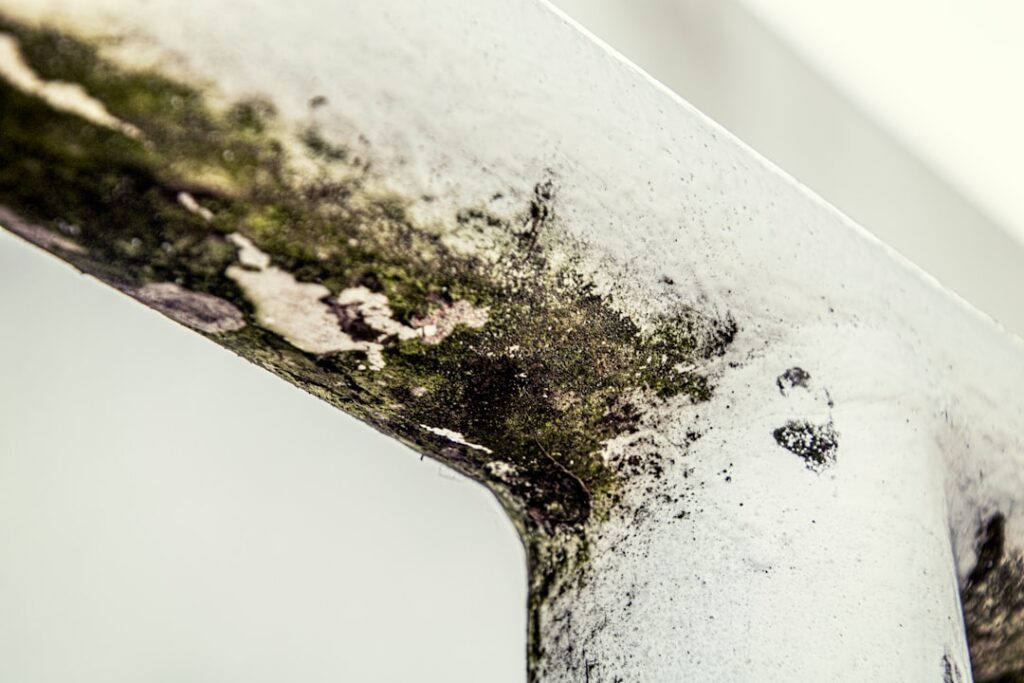
“Mold abatement cost” is a phrase homeowners often encounter on contractor estimates, and it can be confusing because abatement and remediation are used somewhat interchangeably. Whatever the label, the price tracks the same things: the size of the problem, where it sits, what materials are involved, and what it takes to fix the moisture behind it. This guide summarizes EPA and CDC guidance current as of 2026 and offers general information, not a quote; an on-site assessment is the only source of an accurate number.
Part of our Mold Removal & Remediation guide — start there for the full picture →
Is this mold, asbestos, or water damage? Get a free instant screen
Upload a clear photo of the suspect area. You'll get an instant AI screening opinion and what to do next. This is screening guidance, not a professional determination.
Screening guidance only. AI can be wrong. Confirm asbestos, mold type, or lead with lab testing or a licensed professional before acting.
What Mold Abatement Means and What It Costs
Mold abatement is the controlled removal and cleanup of mold from a building, including containment to prevent spores from spreading, removal or cleaning of contaminated materials, drying, and correcting the moisture source. It is essentially the same process most professionals call remediation. Cost ranges by scope:
- Small, contained area (under ~10 sq ft): a few hundred dollars up to roughly $1,500, and often DIY-able for under $50 in supplies.
- Medium job (a room, attic, or crawl space): commonly $2,000 to $6,000.
- Large or whole-house contamination: frequently above $6,000, sometimes into five figures when structure, HVAC, and multiple rooms are involved.
The EPA’s practical threshold helps frame the decision: a contaminated area under about 10 square feet is generally manageable for a homeowner, keeping costs minimal, while larger areas move into professional abatement pricing. For how scope is judged before any estimate, see our mold inspection and testing hub.
What Drives Mold Abatement Cost
The same factors that move any remediation price apply to abatement.
Square Footage and Hidden Growth
Larger affected areas mean more labor, containment, and disposal. Mold discovered behind walls or under flooring expands the scope once opened, and the final cost often exceeds the initial estimate based on visible growth alone.
Accessibility
Open bathroom or bedroom walls are inexpensive to access. Crawl spaces, attics, and HVAC ductwork require more setup, protective measures, and labor, raising the per-square-foot cost.
Material Type
The EPA recommends discarding porous materials like drywall, carpet, and insulation when they are moldy, which adds removal, disposal, and replacement costs. Hard, non-porous surfaces that can be cleaned and salvaged cost less to abate.
Containment Level
Full abatement uses plastic barriers, negative air pressure, and HEPA-filtered air scrubbers to keep spores contained. The larger and more sensitive the job, the more extensive — and costly — the containment.
Moisture Source Repair
Abatement that does not fix the moisture source fails. A ventilation tweak is cheap; a roof repair, drainage work, or crawl space encapsulation adds meaningfully to the total. Our guide on choosing a black mold cleaning company explains why the moisture fix should be in every scope.
Region and Disposal Costs
Local labor rates, disposal fees, and permit costs shift the total from one area to another, and humid climates often require moisture-control add-ons like dehumidification or encapsulation that drier regions skip. Two homes with identical visible growth can carry different abatement prices simply because of where they sit and what the local climate demands to keep the space dry afterward.
Cost Examples by Scope
Worked examples make the numbers concrete. A small patch of mold on non-porous bathroom tile is usually a sub-$50 DIY task, since the surface cleans easily and the real fix is ventilation. Mold on a section of drywall behind a slow leak, caught early, might be a few hundred dollars of professional abatement if it stays contained, or just materials cost if a homeowner patches the drywall. Mold across a bedroom wall from an unnoticed roof leak can reach a couple thousand dollars once drywall, insulation, and the roof repair are tallied.
A contaminated crawl space or attic commonly falls in the $2,000 to $6,000 range, especially with encapsulation or significant material removal. Whole-house contamination from long-term flooding or a major hidden leak can exceed that substantially, since it involves structure, multiple rooms, and often the HVAC system. These figures illustrate the ranges rather than guarantee them — the same described job can produce different bills once concealed areas are opened. The consistent lesson is that small, early problems are inexpensive while late, hidden, or widespread ones are costly, which is why prompt action and prevention pay off.
Abatement Versus DIY Cleanup
The largest cost factor remains whether the job is DIY-eligible. For a hard-surface area under about 10 square feet, a homeowner can clean mold with detergent, water, and basic PPE for well under $50, the approach the EPA supports for small areas. Professional abatement costs more because it adds assessment, containment, safe disposal, drying, and source correction — steps that protect the rest of the home.
Professional abatement is justified when the area exceeds 10 square feet, when mold followed flooding or sewage, when growth is in the HVAC system or framing, when a household member has respiratory concerns, or when DIY attempts keep failing. Paying once for thorough abatement that fixes the moisture usually costs less than repeatedly cleaning a recurring patch. For a closely related cost breakdown, our overview of the cost of mold removal covers the same drivers from a different angle.
Additional Costs Beyond the Abatement Line
The abatement figure is sometimes only part of the project. Plan for possible add-ons:
- Source repair — plumbing, roofing, drainage, or ventilation work to stop the moisture.
- Reconstruction — replacing removed drywall, flooring, insulation, and trim.
- Independent testing — pre- and post-abatement assessment, often valuable for verification or insurance.
- Contents cleaning — furnishings and belongings affected by the growth.
Insurance may help when mold stems from a sudden covered event, but gradual moisture damage is typically excluded, so check your policy and document the cause.
How to Compare Abatement Estimates
An accurate mold abatement cost comes from an on-site assessment, and comparing estimates well protects your budget. Get two or three written quotes from credentialed companies, and confirm each scope covers containment, removal, drying, and moisture correction so the comparison is fair. Ask whether source repair and reconstruction are included or billed separately, since a low headline price may simply exclude essential steps.
Verify certifications — look for IICRC-trained technicians and a state license where remediators are licensed — and confirm liability insurance. Be skeptical of fear-based sales pitches; the CDC has stated there is no conclusive evidence that household black mold causes the severe illnesses sometimes used to justify high prices. A clear written scope, appropriate credentials, and a fix for the moisture source matter more than the lowest bid.
Cutting Long-Term Abatement Costs
The most economical abatement is the one you avoid through prevention. Mold follows moisture, so controlling moisture is the cheapest defense. Keep indoor relative humidity between 30 and 50 percent, the EPA-recommended range, using a dehumidifier in basements and crawl spaces. Run exhaust fans in bathrooms and kitchens, fix leaks within 24 to 48 hours, and improve airflow in damp, enclosed spaces. Outside, keep gutters clear and grade soil so water drains away from the foundation.
A home kept consistently dry rarely requires costly abatement. Investing modest effort in humidity control and prompt leak repair is far cheaper than paying for repeated cleanups or a large-scale abatement project down the road.
What Drives Up the Final Bill
Several factors tend to push an abatement project past its initial estimate, and anticipating them prevents sticker shock. The most common is hidden growth discovered once walls or floors are opened — a patch that looked like 8 square feet on the surface can reveal a much larger colony in the cavity behind it. A reputable scope of work addresses this scenario in advance so a mid-job discovery is handled at an agreed rate rather than as an open-ended charge. Material disposal fees, permit costs in some jurisdictions, and the price of fixing the moisture source all add to the base figure.
Reconstruction is the other frequent surprise. Abatement removes contaminated drywall, flooring, and insulation, but putting the space back together — new drywall, paint, flooring, and trim — is a separate phase that some estimates exclude. Clarifying upfront whether reconstruction is in the quote keeps the comparison honest and the budget realistic. The homeowners who avoid bill shock are the ones who read the scope carefully and ask what is and is not included before signing.
Is Abatement Worth It?
For a problem that genuinely exceeds the do-it-yourself zone, professional abatement is usually money well spent, because it addresses what a quick cleanup cannot: containment to protect the rest of the home, removal and safe disposal of contaminated materials, thorough drying, and correction of the moisture source. Skimping by repeatedly cleaning a recurring patch costs more over time and lets the underlying material degrade. The value of abatement is a problem solved rather than postponed.
The judgment call is matching the response to the problem. A small hard-surface patch with a known, easily fixed moisture source rarely needs professional abatement. A large, hidden, or flood-related contamination with structural and HVAC involvement almost always does. Spending wisely means neither overpaying for alarm on a minor patch nor underpaying for a superficial cleanup on a serious one. When the scope warrants it, a complete abatement that ends with verified-clean, dry conditions is the outcome that justifies the cost.
Why Acting Early Lowers the Cost
The largest single influence on abatement cost is how long the problem ran before it was addressed. Mold follows moisture, and moisture left active turns a small surface patch into a structural issue. A leak caught in days might mean a minor cleanup and a quick repair; the same leak ignored for months can rot subfloor, saturate walls, and reach the ceiling below, multiplying both the contaminated area and the materials that must be removed and rebuilt. Hidden growth uncovered only when walls are opened routinely pushes a quote past its starting figure.
Because the EPA notes most molds colonize wet materials within 24 to 48 hours, drying and correcting water quickly often prevents growth from establishing at all. A homeowner who treats every leak and humidity spike as an immediate task spends far less over time than one who waits for visible, widespread growth. Prompt action is the most reliable way to keep an abatement project in the inexpensive tier rather than the costly one.
Budgeting in Tiers
For planning, think in tiers. Budget under $50 in supplies for a small, hard-surface, single-source patch you can clean yourself. Budget a few hundred to about $1,500 for a small professional job needing some containment and material removal. Budget $2,000 to $6,000 for a room, attic, or crawl space, particularly with encapsulation or significant demolition. Budget above that, potentially into five figures, for whole-house or flood-related contamination involving structure and the HVAC system.
Then add the predictable extras — source repair, reconstruction, and any independent verification — and remember that insurance may or may not offset part of the cost depending on whether the cause was a sudden covered event or gradual moisture. Building these tiers and extras into your expectations up front prevents the sticker shock of comparing a cleanup-only quote against the true all-in cost of an abatement that actually solves the problem and keeps it solved.
References
- Mold Cleanup in Your Home — U.S. Environmental Protection Agency
- About Mold and Your Health — Centers for Disease Control and Prevention
- A Brief Guide to Mold, Moisture and Your Home — U.S. Environmental Protection Agency
Frequently asked questions
What is the difference between mold abatement and remediation?
The terms are largely interchangeable. Both describe the controlled removal and cleanup of mold, including containment, removing or cleaning contaminated materials, drying, and fixing the moisture source. Some contractors prefer one term, but the process and cost drivers are the same.
How much does mold abatement cost?
It depends on scope. Small contained areas run a few hundred to about $1,500, medium jobs like a room or crawl space commonly run $2,000 to $6,000, and large or whole-house contamination can exceed that. Only an on-site assessment gives an accurate figure.
What makes abatement more expensive?
Larger and hidden growth, hard-to-access areas like crawl spaces and ductwork, removal of porous materials, the level of containment required, and the cost of repairing the moisture source. Reconstruction after removal adds to the total.
Can I do mold abatement myself to save money?
For a hard-surface area under about 10 square feet, yes — supplies cost under $50 and the EPA considers this DIY-friendly. Larger areas, flood damage, HVAC growth, or recurring mold need professional abatement with proper containment and moisture correction.
If you want an independent read on abatement scope before comparing contractor bids, Front Range homeowners can reach a vetted inspector through our contact page.