Mold Abatement: A Homeowner Guide to Regulated Removal
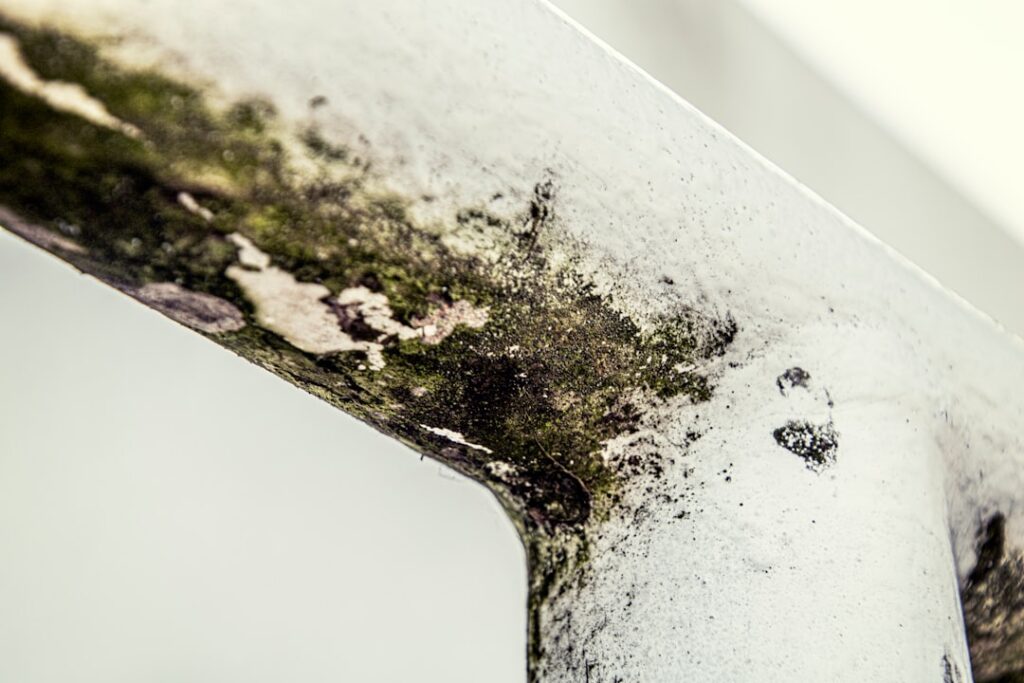
Mold abatement is the most rigorous tier of mold removal a homeowner is likely to encounter. The word abatement is borrowed from asbestos and lead work and signals a regulated approach: sealed containment, negative air pressure, full personal protective equipment, HEPA filtration, regulated waste handling, and pre and post clearance testing. It costs more than ordinary remediation and is sometimes required by state rental codes, commercial property rules, or insurance carriers. This guide summarizes EPA, OSHA, CDC, and IICRC S520 guidance current as of 2026. Consult a licensed remediator before you commit to a scope, and consult your physician for any respiratory symptoms that prompted the project.
Is this mold, asbestos, or water damage? Get a free instant screen
Upload a clear photo of the suspect area. You'll get an instant AI screening opinion and what to do next. This is screening guidance, not a professional determination.
Screening guidance only. AI can be wrong. Confirm asbestos, mold type, or lead with lab testing or a licensed professional before acting.
What mold abatement actually means
The EPA uses the broader phrase mold remediation to cover any cleanup that returns a building to a normal fungal ecology. Abatement is a narrower, more procedural subset. It typically refers to projects where the contractor follows industrial hygiene protocols similar to those used for asbestos: regulated containment, documented air monitoring, certified workers, and clearance testing by a third party.
Most residential mold jobs do not need this level of process. A small bathroom patch can be cleaned by a homeowner with bleach, gloves, and an N95. Abatement becomes the right framework once the contaminated area is large, once the substrate is porous and structural, once occupants have documented health issues, or once a regulator or insurer requires it. Treat the term as a flag for higher cost and a slower, more documented timeline.
The distinction matters because the words are often used interchangeably in marketing copy. A contractor offering mold abatement at remediation prices is usually selling remediation under a more impressive name. A contractor charging abatement prices for a small bathroom patch is usually overscoping a simple problem. Knowing the actual procedural definition lets a homeowner ask better questions and compare bids on equal footing.
When abatement is actually required
Three triggers commonly push a project from remediation into abatement territory. First, size. The IICRC S520 standard treats jobs over roughly 100 square feet of contiguous growth as Condition 3 work that calls for full containment and engineering controls. The EPA mold guide for schools and commercial buildings uses 100 square feet as the threshold where outside professional help is recommended. Second, occupancy and use. Rental properties in several states, commercial buildings, schools, and healthcare facilities trigger licensed remediation rules. A landlord facing a tenant complaint may be required to use a certified firm regardless of the patch size. Third, insurance and litigation. If a carrier is paying or a dispute is likely, the documentation that comes with formal abatement protects everyone involved.
A fourth trigger that is less talked about is buyer leverage during a real estate transaction. If a pre purchase inspection finds visible mold in a basement or attic, buyers often demand an abatement scope rather than a simple cleanup because the documented clearance paperwork protects them after closing. Sellers who push back end up renegotiating price instead.
Common residential triggers
In single family homes on the Front Range, abatement usually shows up when a basement floods and water sits long enough to push mold into framing, when an attic ventilation failure leaves widespread growth on roof sheathing, or when a hidden plumbing leak rots a wall cavity behind tile. A homeowner contemplating abatement should request a written scope that explicitly references S520 or EPA guidelines and that names the third party hygienist who will perform clearance.
Crawl spaces in older Denver and Boulder homes are another frequent driver. Vented crawl spaces collect summer humidity and condense it on cool framing, producing surface mold across joists and subfloor underside. When the visible area exceeds 100 square feet, which is common in older houses, the scope moves from cleaning into abatement.
The containment and engineering controls that define the work
The visual signature of an abatement job is plastic. Six mil polyethylene sheeting closes off the work area, with a zippered double flap entry and a decontamination chamber where workers change PPE before exiting. HEPA filtered air scrubbers run inside the containment, exhausting either through a window or into a filtered duct. The negative pressure differential, typically minus five pascals or greater, keeps spores from migrating into clean parts of the house.
Workers wear P100 cartridge respirators at minimum and add full body Tyvek coveralls plus nitrile gloves for larger jobs. OSHA does not have a single mold specific standard but uses its general duty clause to require respiratory protection when bioaerosol exposure is anticipated, and it applies the respiratory protection standard 1910.134 to fit testing and medical evaluation. The result is a workforce that looks closer to an asbestos crew than a typical handyman.
Waste handling matters too. Drywall, carpet pad, and insulation come out in sealed double bags, labeled and removed through the decontamination chamber. Some jurisdictions require manifest documentation. Carpet and porous substrates almost always go to landfill rather than salvage. The job notes should record bag counts and disposal destinations.
Air scrubbers are sized to the volume of the containment, with a target of six full air changes per hour. A small bathroom containment might run one machine. A basement abatement might run three or four. The contractor should document scrubber model, filter age, and runtime hours as part of the job file.
Pre and post clearance testing
A defining feature of abatement is third party testing. Before work begins, an industrial hygienist or certified indoor environmental professional documents the affected area, takes baseline air samples both inside and outside the containment, and may collect tape lift or bulk samples for species identification. After the contractor completes physical removal and final HEPA wipe down, the same hygienist returns for clearance.
Clearance testing usually combines three checks. A visual inspection confirms no remaining growth or staining is present and that all settled dust has been wiped from horizontal surfaces. Tape lift samples on cleaned surfaces should show only background fungal fragments. Airborne spore counts inside the containment should be comparable to or lower than outdoor reference samples, with no elevated indicator species like Stachybotrys or unusually high Aspergillus or Penicillium counts. Only after a passing report does the containment come down.
Failed clearance is not unusual on the first attempt. Common causes include residual dust on overlooked surfaces like joist tops and electrical box interiors, incomplete removal of porous material that still harbors growth, or cross contamination from a breached containment seal. A second cleaning and resampling adds cost but produces a defensible result.
Cost compared to ordinary remediation
The cost premium is significant. Standard mold remediation in residential settings tends to run roughly two to seven dollars per square foot. Full abatement with engineering controls, certified labor, and clearance testing typically runs five to fifteen dollars per square foot, and complicated attic or crawl space projects can run higher. A 200 square foot basement remediation might cost 1,000 to 1,500 dollars as a straightforward cleanup but 2,500 to 4,500 dollars as a documented abatement. Clearance testing alone can add 400 to 900 dollars depending on the number of samples and the hygienist’s rate.
Homeowners often ask whether the premium is worth it. If the trigger is a small isolated patch in a healthy single family home with no insurance dispute, the answer is usually no. If the trigger is rental property compliance, a health complaint, or a hidden cavity discovery during real estate diligence, the documented process pays for itself in defensibility.
Insurance interaction varies by carrier. Many homeowners policies cap mold coverage at 5,000 or 10,000 dollars unless a rider is in place, and some exclude mold entirely. When a covered water loss leads to mold, the abatement work is usually paid as part of the larger restoration claim rather than as a standalone mold claim. Homeowners should request a coverage letter before signing an abatement contract that exceeds the cap.
How abatement fits with the broader remediation workflow
Abatement is the removal phase, not the whole project. Before it begins, a moisture source must be identified and fixed. After it ends, structural repairs, insulation replacement, and finish work return the building to a normal condition. A reputable contractor will refuse to bid abatement until the source of moisture is documented as resolved. Our mold inspection and testing hub walks through the diagnostic stage that should precede any remediation, and our companion piece on what is involved with mold remediation covers the broader workflow that surrounds an abatement scope. Homeowners weighing DIY versus a licensed firm should also review our black mold remediation guide for the species and risk context.
Sequencing usually runs as follows. Diagnose moisture source. Repair plumbing, roofing, or grading. Wait long enough for substrates to dry to documented moisture content targets, typically below sixteen percent for wood framing. Install containment. Remove contaminated porous material. HEPA vacuum and damp wipe all remaining surfaces. Apply antimicrobial encapsulant if specified. Schedule clearance. Reinstate finishes only after clearance passes.
How to vet a mold abatement contractor
Three questions separate qualified abatement firms from generalist remediators. First, ask for IICRC S520 training certificates for the project manager and lead technicians. Second, ask whether the clearance testing will be performed by an independent third party, and confirm the contractor does not also own the testing lab. Third, ask for a written containment and engineering controls plan referenced to S520 Condition 3 work. A firm that hesitates on any of these is not running a true abatement.
Front Range homeowners should also confirm the contractor carries pollution liability insurance, not just general liability. Mold claims are routinely excluded from standard contractor policies, and the absence of a pollution endorsement leaves a homeowner exposed if work fails clearance. Ask for a certificate of insurance that names the homeowner as additional insured for the duration of the project.
References matter more than slick websites. A contractor with three years of S520 work in the region should have no trouble producing five recent client references, ideally including one real estate transaction and one insurance claim. Verify them by phone, not just by email.
Timeline expectations for a typical residential abatement
Homeowners frequently underestimate how long an abatement actually takes. A 200 square foot basement project usually runs five to eight working days from containment up to clearance pass. Day one covers mobilization, containment construction, and pre work sampling. Days two and three are removal. Day four is HEPA wipe down. Day five is the hygienist visit and clearance sampling. If the first clearance fails, expect another two to three days for recleaning and resampling. Reinstatement of drywall, insulation, paint, and trim is a separate project that begins after the containment comes down and the clearance report is signed off.
Larger projects scale roughly linearly with area, plus extra days for mobilization on multi room jobs. An attic abatement that involves removing blown insulation, cleaning rafters, and reinsulating can stretch to ten or twelve days. Crawl space projects take longer per square foot because of access constraints and the need to reseal vapor barriers after cleaning.
When to call a professional
Any contiguous mold area larger than ten square feet by EPA standards, any project in a rental or commercial property, any case where a household member has documented asthma, immune suppression, or respiratory illness, and any situation triggered by sewage backflow or category three water damage should go to a licensed remediator who can scope the work as an abatement. Homeowners attempting to clean these conditions themselves risk both incomplete removal and personal exposure.
The reverse is also worth saying. A two square foot patch of surface mildew on a bathroom ceiling does not need abatement and should not be sold one. Homeowners who get an abatement quote for a small problem should request a second opinion. A reputable inspector or hygienist will tell a homeowner when a job does not warrant the engineering controls.
References
- Mold remediation in schools and commercial buildings — United States Environmental Protection Agency
- OSHA mold safety and health topics page — Occupational Safety and Health Administration
- CDC mold cleanup guidance — Centers for Disease Control and Prevention
- InterNACHI mold inspection standards — International Association of Certified Home Inspectors
If you are weighing a mold abatement scope on a Front Range property and want a second opinion from a vetted local inspector before signing a contract, connect with our team through the contact page.