How Much Is Mold Abatement? A Homeowner Guide
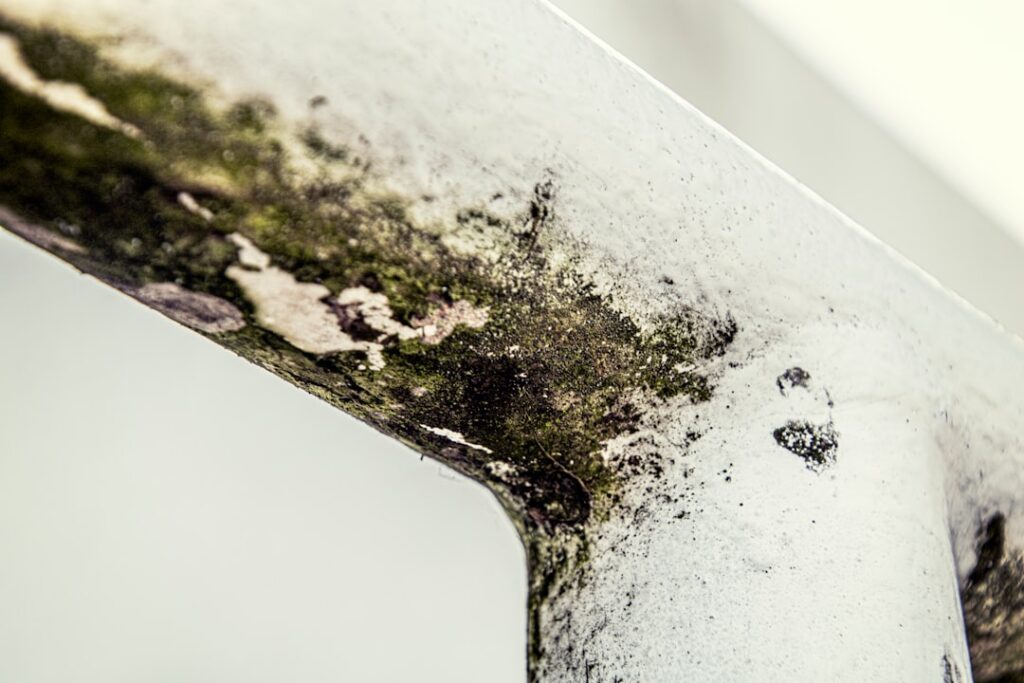
“Mold abatement” is the term many homeowners and contractors use for the professional process of removing mold and the conditions that feed it. The first thing people want to know is the price, and the honest answer is that how much mold abatement costs depends on the size of the problem, where it is hidden, and what caused the moisture. A small contained job and a flooded basement live in completely different price brackets. This guide summarizes EPA and CDC guidance current as of 2026 and is educational only; consult your physician about symptoms and a certified professional for testing and removal decisions.
Is this mold, asbestos, or water damage? Get a free instant screen
Upload a clear photo of the suspect area. You'll get an instant AI screening opinion and what to do next. This is screening guidance, not a professional determination.
Screening guidance only. AI can be wrong. Confirm asbestos, mold type, or lead with lab testing or a licensed professional before acting.
How Much Is Mold Abatement?
For a small, contained area on hard surfaces, the EPA notes homeowners can often handle the work themselves for the cost of supplies. Professional abatement begins where that ends. Industry estimates commonly place small contained professional jobs in the low four figures, mid-size multi-room projects in the mid four figures, and large or structural projects, those with extensive demolition, framing replacement, or HVAC contamination, well into five figures.
These are ranges, not quotes. Square footage, accessibility, material type, and the moisture source all shift the figure, so itemized written estimates for your specific home are the only reliable number. The ranges here exist to help you recognize a fair bid.
What “Abatement” Actually Covers
Mold abatement and mold remediation are used almost interchangeably. Both describe the controlled removal of mold-contaminated materials, drying of the structure, and correction of the moisture source. The EPA frames it around one rule: fix the water, or the mold returns. A quoted price should reflect all three components, removal, drying, and the moisture repair, not just scraping visible growth off a wall.
For a fuller walk-through of the steps a professional follows, the mold inspection and testing hub lays out containment, removal, drying, and verification.
The Factors That Drive the Cost
Size of the Affected Area
Square footage is the dominant cost driver. A patch under a sink is inexpensive; growth spanning multiple walls, a ceiling, or a whole basement multiplies labor, containment, and disposal. Some contractors price loosely by area, though material type complicates any per-square-foot rule.
Accessibility
Mold behind walls, under floors, in crawlspaces, or inside ducts costs more because reaching it requires demolition or specialized equipment. Open, visible growth is cheaper to address than the same amount hidden in a cavity.
Material Type
Porous materials, drywall, insulation, carpet, must be removed and replaced, adding demolition and reconstruction cost. Hard, nonporous surfaces can be cleaned in place far more cheaply. The share of porous material in the affected area strongly influences the total.
Moisture Source and Repairs
A complete abatement includes the moisture fix. A simple plumbing repair is cheap; foundation waterproofing, roof repair, or HVAC correction is not. Skipping the repair to lower the quote guarantees recurrence, so a credible bid names and addresses the source.
Typical Project Ranges
A useful mental model: a single moldy bathroom wall or under-sink cabinet often lands in the low four figures professionally. A room with growth across several surfaces and some drywall replacement moves into the mid four figures. A flooded basement, widespread crawlspace contamination, or HVAC involvement can reach five figures once demolition, drying, and rebuild are included.
Homeowners wanting to compare how contractors structure bids can review the mold remediation cost per square foot guide.
DIY Versus Professional Abatement
DIY handling of a small nonporous patch costs the price of detergent, an N-95 respirator, gloves, and eye protection, usually under fifty dollars, plus your time. It suits small areas with an obvious, easily fixed moisture source. Professional abatement buys containment, HEPA filtration, proper disposal, drying equipment, and verification a homeowner cannot replicate, which is why the EPA recommends professionals for larger jobs, HVAC contamination, or contaminated-water sources.
The lowest sticker price is not always the cheapest outcome. Re-cleaning a wall that keeps re-molding because the moisture was never fixed wastes money and prolongs exposure.
What Insurance May Cover
Coverage hinges on the cause. Mold from a sudden covered event, such as a burst pipe, is often covered, sometimes subject to a mold-specific dollar cap. Mold from long-term neglect, deferred maintenance, or flooding is typically excluded, with flooding requiring separate flood insurance. Document the moisture source and timeline carefully, since insurers examine causation closely, and review your policy’s mold provisions before assuming coverage.
Hidden Costs to Anticipate
The abatement quote may not be the whole bill. Reconstruction, replacing removed drywall, flooring, or cabinetry, is often a separate line or contractor. Pre-1978 homes may incur added cost if lead paint or asbestos is disturbed during demolition. Independent clearance testing adds a modest fee if you want third-party verification. Budgeting for these avoids surprises at the end of the job.
Health Considerations
The CDC and NIEHS associate indoor dampness and mold with respiratory irritation, coughing, wheezing, and aggravated asthma, with greater risk for sensitive groups. Postponing abatement to save money can prolong exposure and let the problem, and its cost, grow. No home test diagnoses mold illness; persistent symptoms warrant a physician’s evaluation.
How to Get an Accurate Quote
Collect two or three itemized written estimates that separate abatement, moisture repair, and reconstruction. A credible bid identifies the moisture source, specifies containment and disposal, and explains what will be removed versus cleaned. Be wary of unusually low quotes that skip the moisture fix or high-pressure “fogging” offers that spray a biocide without removing wet materials, which the EPA cautions does not solve the problem.
Using an independent assessor for the evaluation and a separate firm for clearance keeps both scope and pricing honest. For broader budgeting context, the cost to remediate mold guide sets useful expectations.
Abatement Cost by Location in the Home
Where the mold sits shapes the price. Bathroom abatement is common and often moderate when caught early, but climbs once growth reaches the subfloor. Basement and crawlspace work usually costs more because it pairs removal with drainage improvements and involves awkward access. Attic abatement adds the cost of correcting the ventilation or roof leak behind the growth. HVAC contamination is among the most expensive because affected ductwork or components may need replacement and the system spreads spores until handled.
The consistent rule is that hidden, hard-to-reach, porous-material problems cost the most, while visible growth on accessible hard surfaces costs the least.
What a Detailed Estimate Should Itemize
A trustworthy abatement estimate breaks the job into clear parts: containment setup, removal of contaminated materials, drying, the moisture-source repair, disposal, clearance testing if included, and reconstruction. Each line lets you see what you are paying for and compare bids fairly. A single lump sum with no breakdown makes it impossible to tell whether the quote includes the moisture fix and the rebuild, or stops at tearing out wet drywall.
Ask specifically whether reconstruction is included. A low abatement number that leaves a gutted room behind is not the bargain it appears to be once you add the cost of finishing the space.
How to Avoid Overpaying
The biggest lever is early action: a square foot of mold is cheap, a wall full of it is not. Fixing leaks within the EPA’s 24-to-48-hour drying window can prevent abatement cost entirely. Beyond that, collect multiple itemized estimates, insist the moisture source be named and addressed, and separate the abatement quote from reconstruction. Resist the lowest bid that skips the water fix, since paying again when the mold returns wipes out any saving.
Red Flags in an Abatement Quote
Watch for quotes that name no moisture source, that lean on chemical “fogging” instead of removing wet materials, that pressure immediate signing, or that hide everything in one vague fee. The EPA cautions that biocide application alone does not solve a mold problem, so a quote built around spraying rather than removal and moisture repair warrants scrutiny. The most reliable bids come from contractors who explain where the water is coming from and itemize how they will remove the mold, dry the structure, and prevent its return.
How the Moisture Source Shapes the Abatement Bill
Two homes with the same visible mold can carry very different abatement costs depending on the water behind it. A simple supply-line leak is cheap to resolve once the line is repaired. A failing roof, a cracked foundation, or chronic groundwater intrusion pulls in roofing, waterproofing, or drainage work that can dwarf the mold removal. When you receive an estimate, the moisture repair is often the line item that moves the total most, which is why a contractor who has actually diagnosed the source can quote far more accurately than one who only eyeballed the growth.
Why Early Abatement Costs Less
Abatement pricing tracks how far the problem has progressed. A colony confined to a square foot is inexpensive; the same problem left to spread across a wall and into framing over months can multiply in cost as more material is removed and structural repair enters the picture. Postponing to save money usually means spending more later, plus reconstruction and the prolonged exposure in between. Drying any water event within the EPA’s 24-to-48-hour window is the cheapest intervention of all, since it can prevent abatement entirely.
Comparing Bids the Smart Way
When weighing abatement quotes, look past the headline number to what each bid actually includes. A cheap quote that omits the moisture repair, skips containment, or substitutes chemical fogging for removing wet materials may cost little upfront and fail within months. A higher bid that diagnoses the source, itemizes removal, drying, repair, and reconstruction, and supports independent clearance testing often delivers far better value. Collecting two or three detailed, itemized estimates and comparing scope, not just price, is the surest way to spend wisely on mold abatement.
Planning Your Abatement Budget
Because mold abatement costs vary so widely, the most practical move is to budget for the entire project rather than fixating on the lowest visible number. Begin by having the moisture source diagnosed, since whether the water comes from a simple leak or a failing roof or foundation often decides whether the job is modest or major. Then gather two or three itemized written estimates that separately list containment, removal, drying, the moisture repair, disposal, optional clearance testing, and reconstruction, and add a contingency for what demolition commonly uncovers, larger hidden growth, or lead paint and asbestos in older homes that require specialized handling.
Homeowners who plan for the full scope avoid the gap between a tear-out quote and the real cost of restoring the space. Weigh abatement against the price of doing nothing, since delaying lets the problem and its cost grow while exposure continues, and remember that acting within the EPA’s 24-to-48-hour drying window after any water event is the cheapest intervention of all. A transparent contractor who diagnoses the source, itemizes the work, and supports independent clearance testing is worth more than the lowest headline figure, because the goal is a problem solved once rather than a cheap job that has to be redone when the mold returns. Approached as a planned investment with a clear scope and a realistic contingency, mold abatement becomes a manageable, one-time expense rather than the open-ended surprise that catches unprepared homeowners off guard.
References
- Mold Cleanup in Your Home — U.S. Environmental Protection Agency
- About Mold and Health — Centers for Disease Control and Prevention
- Mold and Your Health — National Institute of Environmental Health Sciences
If you have found mold and want an independent read on the scope and likely cost in your Front Range home, get in touch through our contact page to connect with a vetted local inspector.