Cost to Remediate Mold: What Homeowners Need to Know
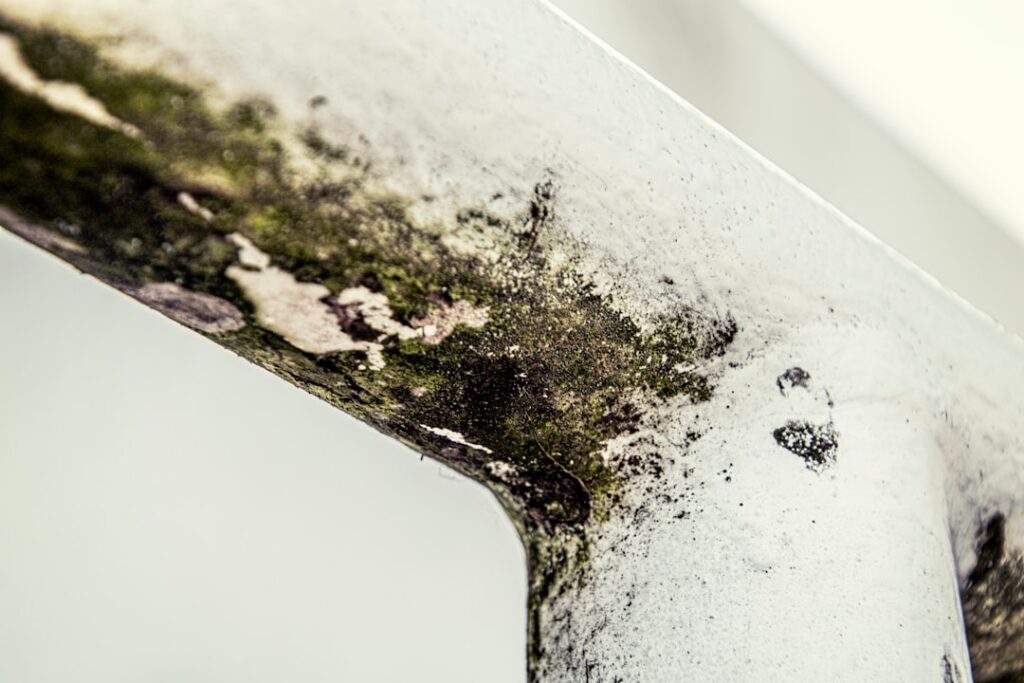
Price is usually the first question a homeowner asks after spotting mold, and it is also the hardest to answer cleanly, because no two infestations cost the same. The cost to remediate mold spans from a few dollars of cleaning supplies for a small patch to five figures for a flooded basement with extensive demolition. Understanding what drives that range lets homeowners read a quote critically and avoid both overpaying and under-fixing. This guide summarizes EPA and HUD guidance current as of 2026; it is educational only, and decisions about testing or removal belong with a certified professional, while health symptoms belong with your physician.
Part of our Mold Removal & Remediation guide — start there for the full picture →
Is this mold, asbestos, or water damage? Get a free instant screen
Upload a clear photo of the suspect area. You'll get an instant AI screening opinion and what to do next. This is screening guidance, not a professional determination.
Screening guidance only. AI can be wrong. Confirm asbestos, mold type, or lead with lab testing or a licensed professional before acting.
What Does Mold Remediation Cost?
Costs scale with the size of the affected area, the type of materials involved, and how much demolition and rebuilding the job requires. A small, contained spot a homeowner cleans personally costs little beyond protective gear and supplies. A professionally handled single-room job commonly lands in the low-to-mid four figures, while large multi-room or whole-basement projects with significant restoration can climb well into five figures.
These are industry estimate ranges, not fixed prices, because local labor rates, accessibility, and the extent of hidden damage vary widely. The single most useful number is not a national average but an itemized estimate for your specific situation. A quote that separates assessment, cleanup, and restoration lets you see where the money goes and compare bids meaningfully. The EPA’s framing helps here: the goal is removing growth and fixing moisture, and the cost follows the scope of those two tasks.
The Main Factors That Drive Price
Several variables move a quote up or down, and understanding them demystifies the numbers.
Size of the Affected Area
The biggest driver. The EPA’s roughly ten-square-foot threshold separates many DIY jobs from professional ones, and cost rises with every additional square foot of contaminated material.
Location and Accessibility
Mold in an open basement wall is cheaper to address than mold in a tight crawl space, inside wall cavities, or within HVAC ductwork, where labor and specialized access drive costs up.
Type of Material
Porous materials like drywall, carpet, and insulation usually require removal and replacement, while hard surfaces can be cleaned. Demolition and rebuild add materially to the bill.
Water Category and Cause
Mold from clean-water leaks is less costly than mold tied to contaminated or sewage water, which requires additional safety measures and disposal.
Typical Cost Ranges by Project Size
While every job is unique, grouping projects by size gives homeowners a rough mental model for budgeting. A small, contained surface problem on a hard material, the kind a homeowner can clean within the EPA’s ten-square-foot guideline, costs little beyond protective gear and cleaning supplies. A modest single-room professional remediation, such as a bathroom or a section of one wall, commonly falls in the low-to-mid four figures once containment, removal, and drying are included.
Mid-size jobs that involve a finished basement section, multiple affected materials, or a crawl space climb higher, often into the mid-to-upper four figures, especially when restoration is added. Large projects, such as a flooded basement with extensive drywall removal, structural drying, and full rebuilding, or contamination spread through HVAC ductwork, can reach five figures. These are industry estimate ranges, not quotes, and local labor rates and hidden damage shift them. The point of the model is not a precise number but a sense of scale, so a homeowner can recognize whether a quote sits in a plausible range for the job’s size or looks suspiciously high or low.
DIY vs. Professional: The Cost Trade-Off
For small areas under about ten square feet on hard surfaces, doing the work yourself can cost very little, mainly an N-95 respirator, gloves, eye protection, cleaning solution, and plastic sheeting. Our guide on DIY mold remediation walks through the steps that make a self-handled job successful.
Professional remediation costs more but includes containment, proper removal, drying, and verification that a homeowner cannot easily replicate. The trade-off is not simply price; attempting a large job without containment can spread spores throughout the home and turn a contained problem into a whole-house contamination that costs far more to fix. Paying for professional work on a large or hidden problem is often the cheaper outcome over time. The decision should track scope, not just the sticker price.
Hidden Costs to Anticipate
The initial quote rarely tells the whole story, because much of a mold problem is invisible until demolition begins. Once a contractor opens a wall, additional growth may appear, expanding the scope. Budgeting a contingency for discovered damage is prudent.
Restoration is a frequently underestimated line item. Removing moldy drywall is only half the job; replacing and finishing it adds cost. Addressing the moisture source, whether a failed sump pump, poor grading, or a plumbing leak, is essential and sometimes its own project. In older homes, disturbing materials may trigger asbestos or lead concerns that require coordinated, regulated handling. Reading test results correctly before committing helps, as our overview of a positive black mold test explains.
Does Insurance Cover Mold Remediation?
Coverage depends heavily on the cause. Many homeowners policies cover mold that results from a sudden, covered event such as a burst pipe, while excluding mold that develops from long-term humidity, neglect, or unaddressed leaks. Some policies cap mold coverage at a specific dollar amount regardless of cause.
Documentation matters. Photograph the damage, identify and record the water source, and report promptly. Review your specific policy language and consider whether you carry any mold endorsement. Because coverage varies so much, do not assume a claim will pay; confirm with your insurer before committing to a large remediation expecting reimbursement. HUD and consumer resources note that understanding your policy before a loss is the best protection.
How to Compare Quotes Fairly
The strongest defense against overcharging is gathering two or three written, itemized estimates. Compare them line by line: assessment, containment, removal of specific materials, drying, and restoration. A quote that lumps everything into a single number is harder to evaluate and easier to pad.
Beyond price, weigh credentials, insurance, and process. A reputable provider explains containment, documents moisture readings, and supports independent clearance testing rather than discouraging it. Be wary of bids that are dramatically lower than others, which may skip steps, or dramatically higher without justification. The mold inspection and testing hub outlines how an independent assessment keeps the scope, and therefore the cost, honest.
Getting Multiple Estimates and What to Compare
Gathering two or three written estimates is the most reliable way to understand a fair price for your specific job, but the estimates only help if you compare them on the same terms. Line them up by scope: the size of the area each company plans to treat, the materials each will remove versus clean, whether containment and HEPA filtration are included, the drying and verification steps, and the extent of restoration.
Differences in the bottom line often trace to differences in scope rather than to one company simply being cheaper. One quote may include restoring the wall while another stops at demolition, making a direct number comparison misleading. Ask each provider to itemize, and ask what happens to the price if hidden mold is discovered once a wall is opened. Confirm that each carries insurance and supports independent clearance verification. When the estimates converge on a similar scope and price, that range is a trustworthy guide to local cost. When one is dramatically lower, scrutinize what it leaves out before treating it as a bargain.
Why Cheap Quotes Can Cost More
The lowest bid is a frequent trap in mold remediation, because the cheapest path often skips the steps that make a job last. A quote that omits proper containment may spread spores through the home, turning a contained problem into a whole-house one. A quote that skips drying verification may close walls over damp materials, guaranteeing regrowth and a second remediation. A quote that ignores the moisture source treats the symptom and leaves the cause in place.
Each of these omissions lowers the upfront number while raising the lifetime cost. A homeowner who hires the cheapest option and then pays again to redo the work has spent more than if they had chosen a thorough provider the first time. This is why comparing itemized estimates matters more than comparing headline prices; the line items reveal whether containment, drying, verification, and moisture correction are actually included. A fair price for complete work beats a low price for incomplete work every time, and recognizing that distinction is central to spending wisely on mold.
Cost by Location in the Home
Where mold grows shapes the price as much as how much of it there is, because access and material type vary by area. Bathroom mold is often among the cheaper remediations when caught early, since the affected materials are usually limited to tile, caulk, and a section of drywall, though hidden growth behind the shower surround can raise the scope.
Basement remediation tends to cost more because of the larger surface areas, finished walls that must be opened, and the moisture-control work that follows. Crawl-space jobs carry a labor premium due to limited clearance and awkward working conditions, and they frequently include vapor-barrier installation. Attic mold tied to a roof leak adds the cost of the roof repair itself. HVAC and duct contamination is among the more expensive, because cleaning a duct system properly requires specialized equipment and care to avoid spreading spores house-wide. Knowing that location drives cost helps a homeowner understand why two jobs of similar size can carry very different price tags.
Cost of Prevention vs. Cost of Remediation
The cheapest mold remediation is the one you never need, and prevention costs a fraction of cleanup. A quality dehumidifier, a few exhaust fans, prompt leak repairs, and good gutter and grading maintenance represent a modest investment compared with a basement remediation. The EPA’s emphasis on keeping indoor humidity below 60 percent and drying any water intrusion within 24 to 48 hours is, in financial terms, advice about avoiding a far larger bill later.
This framing helps homeowners weigh spending. Investing in moisture control after a remediation protects the money already spent, since a cleanup without prevention simply schedules a repeat. It also helps when budgeting for a home with known risk factors, such as a damp crawl space or a history of basement seepage, where preventive measures cost less than the recurring remediation they head off. Viewed over several years, the dollars spent on prevention almost always undercut the dollars spent reacting to mold that prevention would have stopped. Homeowners managing a recurring problem can pair this with the prevention habits covered across the mold inspection and testing hub.
When to Call a Professional
Call a professional when the affected area exceeds about ten square feet, when mold is hidden behind walls or in HVAC systems, when contaminated water was involved, or when occupants have respiratory conditions. These situations carry higher cost but also higher risk if handled improperly.
For small, accessible patches, careful DIY keeps costs minimal. For everything larger, an independent assessment establishes the scope and an itemized professional estimate makes the cost transparent. Spending on the right scope, neither padded nor skimped, is what protects both your home and your budget over the long run.
References
- Mold Cleanup in Your Home — U.S. Environmental Protection Agency
- A Brief Guide to Mold, Moisture and Your Home — U.S. Environmental Protection Agency
- Healthy Homes Program Guidance — U.S. Department of Housing and Urban Development
- About Mold and Health — Centers for Disease Control and Prevention
Frequently asked questions
How much does professional mold remediation usually cost?
Single-room jobs commonly fall in the low-to-mid four figures, while large multi-room or whole-basement projects with restoration can reach five figures. These are industry estimate ranges; an itemized estimate for your specific situation is the only reliable number.
What makes mold remediation more expensive?
The size of the affected area is the biggest factor, followed by accessibility, the type of materials, the amount of demolition and rebuilding, and the water category. Hidden growth and contaminated water raise costs further.
Will homeowners insurance pay for mold remediation?
It depends on the cause. Many policies cover mold from a sudden covered event like a burst pipe but exclude mold from long-term humidity or neglect, and some cap mold coverage. Document the source and confirm with your insurer before committing.
Is DIY mold removal cheaper than hiring a pro?
For small areas under about ten square feet on hard surfaces, DIY costs little beyond gear and supplies. For large or hidden problems, attempting it without containment can spread spores and cost far more, so professional work is often cheaper over time.
If you want an itemized, honest read on what your mold problem should cost to fix, a grounded assessment is the place to start. Front Range homeowners can get in touch through our contact page to connect with a vetted inspector.