Mold Remediation Los Angeles CA: A Homeowner Guide
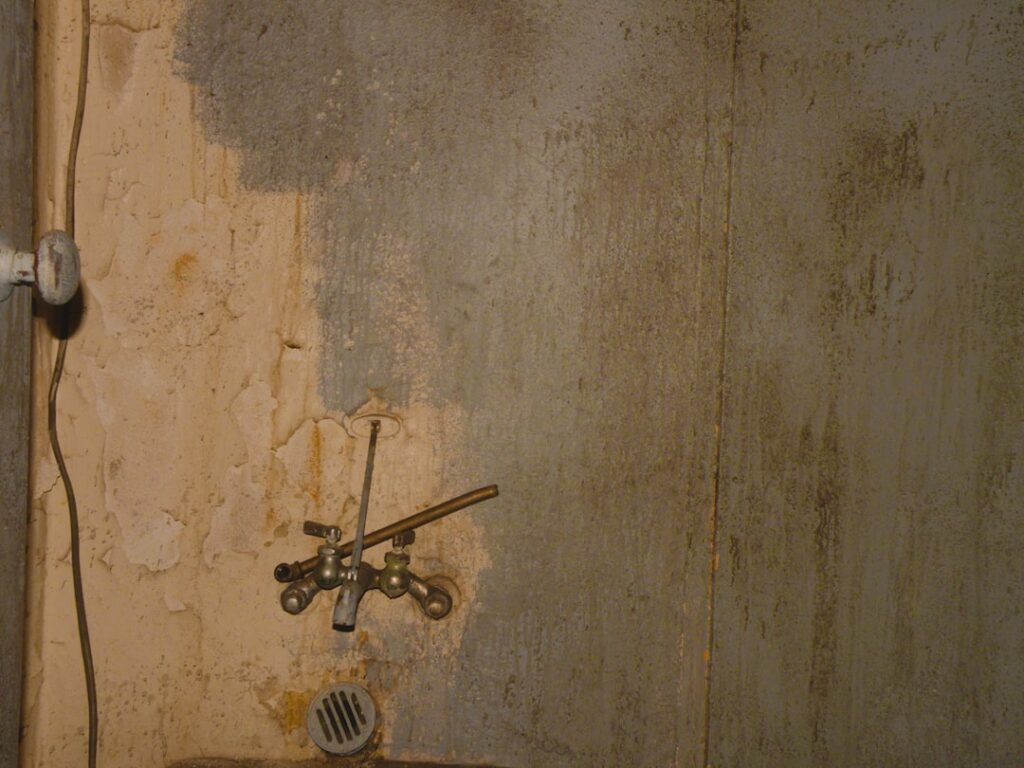
Los Angeles homes rarely fit the picture most people have of a moldy house. The region is dry for much of the year, yet marine-layer humidity, slab-on-grade construction, aging plumbing, and the occasional atmospheric-river storm create conditions where mold thrives quietly behind walls and under sinks. Understanding mold remediation los angeles ca homeowners actually need starts with recognizing how the local climate drives moisture problems. This guide summarizes EPA and CDC guidance current as of 2026 and is educational only; consult your physician about health symptoms and a certified professional for testing and removal decisions.
Is this mold, asbestos, or water damage? Get a free instant screen
Upload a clear photo of the suspect area. You'll get an instant AI screening opinion and what to do next. This is screening guidance, not a professional determination.
Screening guidance only. AI can be wrong. Confirm asbestos, mold type, or lead with lab testing or a licensed professional before acting.
What Mold Remediation Means for Los Angeles Homes
Remediation is the controlled process of removing mold-contaminated materials, drying the structure, and correcting the moisture source that allowed growth in the first place. It is not the same as a quick surface cleaning. The U.S. Environmental Protection Agency frames remediation around a simple principle: fix the water problem, or the mold returns no matter how thoroughly you scrub.
In Los Angeles, the moisture sources differ from those in wetter climates. Slow slab leaks, condensation on single-pane windows in older bungalows, poorly vented bathrooms, and HVAC condensate lines top the list. Coastal neighborhoods such as Venice, Santa Monica, and San Pedro see persistent overnight humidity from the marine layer, which keeps materials damp long enough for spores to colonize. Inland valleys stay drier but suffer sharper plumbing-leak and roof-leak events during winter storms.
Why LA’s Climate Still Produces Mold Problems
Southern California averages low annual rainfall, so many residents assume mold is a Pacific-Northwest concern. The reality is more nuanced. Relative humidity along the coast frequently sits above 70 percent at night, and the CDC notes that indoor mold growth needs only sustained dampness, not standing water. A bathroom that never fully dries between showers can grow Cladosporium or Aspergillus within days.
Construction style compounds this. A large share of LA housing predates modern vapor barriers and uses stucco over wood framing, which traps moisture when flashing fails. Post-1994 earthquake retrofits sometimes sealed crawlspaces in ways that reduced ventilation. The result is a city where mold is common but hidden, surfacing during real-estate inspections or after a leak rather than as obvious black patches on the wall.
Common Signs You Need Remediation
Visible discoloration on drywall, baseboards, or grout is the obvious cue, but most LA mold announces itself indirectly. A persistent musty odor in a closet or hallway, allergy symptoms that ease when you leave the house, warped flooring, or staining around windows all warrant attention. Peeling paint near plumbing and a chalky white efflorescence on garage slabs point to moisture intrusion that often hides mold behind finishes.
Homeowners weighing whether a problem is cosmetic or structural can review broader guidance on the mold inspection and testing hub, which explains when a visual check is enough and when sampling adds value.
The Remediation Process Step by Step
A professional remediation in Los Angeles generally follows the EPA’s containment-and-removal sequence. First, the contractor isolates the work area with plastic sheeting and negative air pressure so spores do not spread to clean rooms. Air scrubbers fitted with HEPA filters run throughout the job.
Next, porous materials that cannot be cleaned, such as soaked drywall and carpet padding, are bagged and removed. Semi-porous wood framing is HEPA-vacuumed, damp-wiped, and sometimes sanded. The structure is then dried with commercial dehumidifiers until moisture meters confirm normal levels. Only after drying does the crew apply any antimicrobial treatment, because coating a wet surface seals moisture in. The final step is rebuilding the removed finishes once a clearance test passes.
Containment and Air Filtration
Containment matters more in dense LA neighborhoods where homes share walls or sit close together. Cross-contamination into a neighboring unit in a duplex or fourplex can turn a small job into a liability problem, so reputable firms document their containment setup with photos.
Mold Testing Before and After
Pre-remediation testing identifies the species and rough concentration, which helps scope the job and set realistic expectations. Post-remediation clearance testing, ideally by an independent party who did not perform the removal, confirms the work succeeded. The CDC does not require species identification for cleanup decisions, since the response to any indoor mold is the same: remove it and fix the water. Testing is most useful for documentation, insurance, and disputes.
Buyers and sellers in LA’s competitive market often use a professional mold cleaning service together with third-party clearance so transactions close without a moisture cloud hanging over the deal.
What Mold Remediation Costs in Los Angeles
Costs vary widely with the size and location of the affected area. Industry estimates commonly place small, contained jobs (a single bathroom wall or under-sink cabinet) in the low four figures, while whole-room or multi-room projects involving framing replacement can run several times higher. Los Angeles labor rates trend above the national median, so local pricing skews to the upper end of published ranges.
Factors that push cost up include hard-to-reach growth inside wall cavities, asbestos or lead concerns in pre-1980 finishes that require specialized handling, and the extent of rebuild after demolition. Getting two or three itemized written estimates is the most reliable way to gauge a fair price for your specific situation.
Health Considerations
The CDC and the National Institute of Environmental Health Sciences link indoor dampness and mold to upper-respiratory symptoms, coughing, wheezing, and aggravated asthma, particularly in sensitive groups. There is no validated home test that diagnoses mold-related illness, and reactions vary by person. Anyone experiencing persistent symptoms should consult a physician rather than self-diagnose from a test kit.
Choosing a Remediation Contractor in LA
California does not license mold remediators specifically, which makes vetting more important. Look for technicians certified through the IICRC, proof of liability insurance, and a written scope that separates remediation from the moisture repair. Be cautious of any contractor who sells you on “fogging” or chemical treatment without removing wet materials, since the EPA warns that biocides alone do not address the underlying problem.
Ask whether the same company performs the clearance test; using an independent tester avoids the conflict of a contractor grading its own work. For homeowners comparing scope and price across multiple jobs, the broader cost to remediate mold guide offers a useful baseline.
Preventing Mold After Remediation
Remediation only lasts if the moisture source stays fixed. In LA homes, that usually means running bathroom exhaust fans for fifteen minutes after showering, keeping indoor humidity below 50 percent during marine-layer mornings, servicing HVAC condensate drains, and addressing slab and roof leaks promptly. Coastal-property owners benefit from periodic checks of north-facing rooms that get less sun and dry slowly.
A hygrometer in the dampest room is one of the cheapest tools a homeowner can buy. Watching humidity climb during a stretch of marine-layer mornings gives early warning before condensation ever shows on a wall. Many LA homeowners run a portable dehumidifier in a closet or laundry room during the cooler months when windows stay shut and the air goes stale.
Neighborhood-by-Neighborhood Moisture Patterns
Mold risk in Los Angeles is not uniform across the basin. Coastal communities such as Venice, Santa Monica, Marina del Rey, and San Pedro carry the highest baseline humidity because the marine layer parks over them most mornings. Homes there often need active dehumidification even in summer, and slab-on-grade construction near the water can wick ground moisture upward.
Inland and valley neighborhoods, the San Fernando Valley, Pasadena, and the foothills, stay drier on average but face sharper episodic risk. A single winter atmospheric-river storm can overwhelm older roofs and clogged gutters, dumping water into wall cavities in hours. Hillside homes in areas like Silver Lake and the Hollywood Hills add a third pattern: cut-and-fill lots where uphill soil moisture pushes against foundation walls, feeding mold in lower-level rooms and garages.
Recognizing which pattern your home fits helps you target prevention. A beach condo needs humidity control; a foothill house needs roof and drainage vigilance; a hillside home needs foundation waterproofing attention.
How Long Remediation Takes
Homeowners often want a timeline before committing. A small, contained job, one bathroom wall or an under-sink cabinet, typically takes two to four days including the drying period. The demolition and cleaning may finish in a single day, but commercial dehumidifiers must run until moisture meters confirm the framing has returned to a safe range, and that drying step cannot be rushed without risking regrowth.
Larger projects stretch longer. A multi-room job with framing replacement and reconstruction can run one to two weeks, with clearance testing and rebuild adding days on top. Coastal homes dry more slowly because the ambient humidity fights the dehumidifiers, so a beach-adjacent project may take longer than the same job inland. A contractor who promises same-day completion on a wet structure is skipping the drying step that makes remediation last.
What to Expect During the Job
A professional remediation is disruptive but predictable. The work area is sealed off with plastic sheeting, and you may need to relocate furniture or stay out of certain rooms. Air scrubbers run continuously and are noisy. Expect the crew to document conditions with photos before and after, take moisture readings at intervals, and provide a written summary of what was removed and why.
Pets and family members with respiratory sensitivities should stay away from the containment zone, since demolition stirs up spores even with negative air pressure in place. Good contractors walk you through the plan, the containment, and the expected disruption before they start, so nothing about the process is a surprise.
Insurance and Documentation in California
California homeowners navigating a mold claim should understand how insurers approach causation. Most standard policies cover mold only when it results from a sudden, covered peril such as a burst pipe or an overflow, and many include a specific dollar cap on mold-related cleanup. Damage from gradual leaks, deferred maintenance, or flooding is typically excluded, and flood damage requires a separate policy entirely.
Documentation makes or breaks a claim. Photograph the water source and the damage as soon as it is discovered, keep receipts, and save the contractor’s written scope and clearance results. Reporting promptly matters too, since delay can be read as neglect. A well-documented sudden-loss claim with a clear moisture origin stands a far better chance than a vague report filed weeks later.
Choosing Between Cleaning and Full Remediation
Not every spot of mold in an LA home demands a full remediation crew. A small patch of surface mold on a hard, nonporous surface, the EPA cites roughly 10 square feet as a rough threshold, can often be cleaned by a homeowner who fixes the moisture and uses proper protective gear. The decision tips toward professional remediation when growth is extensive, hidden inside walls, present in the HVAC system, tied to contaminated water, or recurring despite cleaning.
Coastal homeowners face this choice often, since chronic humidity produces repeat surface growth in bathrooms and closets. If the same spot keeps returning, the real problem is moisture control, not cleaning technique, and addressing humidity is what finally ends the cycle.
Questions to Ask Before Hiring
A short list of questions separates serious contractors from the rest. Ask what the moisture source is and how they confirmed it. Ask whether they will document containment with photos and provide moisture readings. Ask what will be removed versus cleaned, and why. Ask whether an independent party will perform the clearance test. And ask for proof of liability insurance and IICRC-certified technicians. Vague answers, or pressure to skip the moisture diagnosis in favor of a quick chemical treatment, are reasons to keep looking.
References
- Mold Cleanup in Your Home — U.S. Environmental Protection Agency
- About Mold and Health — Centers for Disease Control and Prevention
- Mold and Your Health — National Institute of Environmental Health Sciences
If you own or are buying a home in the Los Angeles area and want a clear read on a moisture or mold concern before you commit, reach out through our contact page to connect with a vetted inspector.