Home Inspection Los Angeles: A Buyer’s Guide
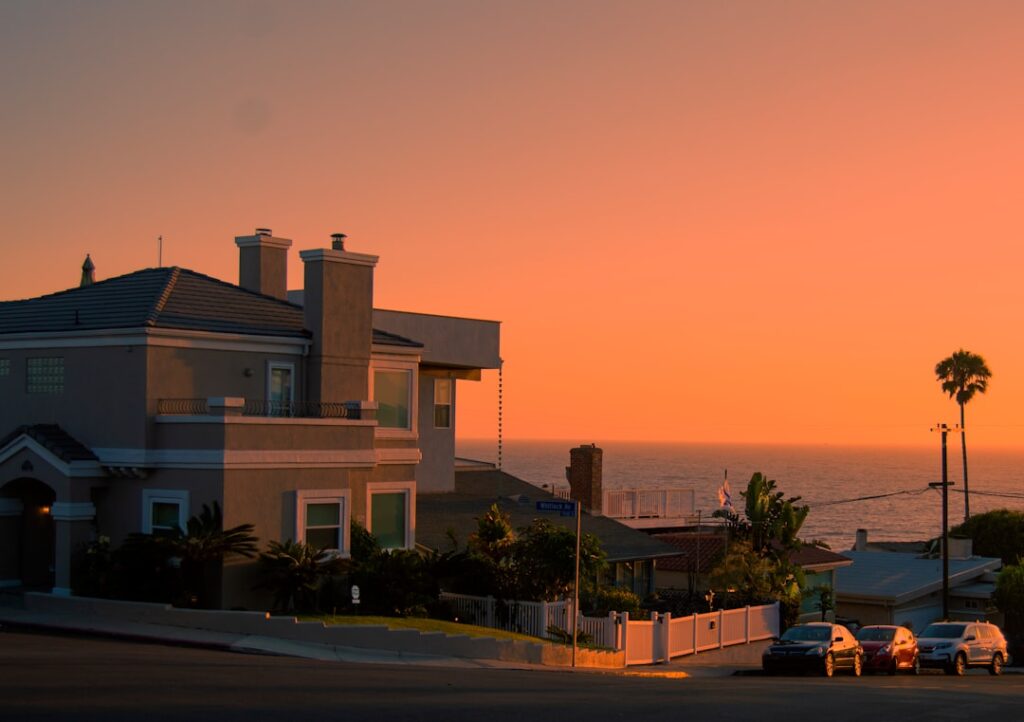
A home inspection in Los Angeles is a top-to-bottom visual evaluation of a property’s condition before a buyer commits to a purchase. The market here mixes 1920s Spanish bungalows, postwar San Fernando Valley tract houses, hillside homes in the Santa Monica Mountains, and dense condo stock, so no two inspections look alike. Add seismic risk, decades-old plumbing, and the wildfire-urban interface, and the stakes for getting an honest report climb fast. A good home inspection Los Angeles buyers can rely on flags the costly problems early, when there is still leverage to negotiate or walk away.
Part of our Home Inspections Explained guide — start there for the full picture →
What a Home Inspection in Los Angeles Actually Covers
A standard inspection follows the same core scope nationwide: a licensed or certified inspector examines the readily accessible parts of the home and documents defects in a written report. The American Society of Home Inspectors publishes a Standard of Practice that most reputable inspectors follow, covering ten systems — structure, exterior, roofing, plumbing, electrical, heating, cooling, interior, insulation/ventilation, and the foundation.
In Los Angeles, several of those systems carry extra weight. Roofs take a beating from intense UV exposure and rare but heavy seasonal rain, so flat and low-slope roofs common on midcentury homes get close attention. Aging galvanized steel and cast-iron drain lines in pre-1960 houses are frequent failure points. Electrical panels — especially Federal Pacific and Zinsco brands found in homes from the 1950s through 1970s — are routinely flagged as safety concerns. The inspector also notes grading, drainage, and any signs of hillside movement on the many properties built on slopes.
An inspection is non-invasive. The inspector does not open walls, move heavy furniture, or test for things outside the visual scope unless you hire specialists. For a fuller picture of the inspector’s role, the guide to hiring a qualified home inspector walks through how the profession defines its limits.
How Much Does a Home Inspection Cost in Los Angeles?
Pricing in the LA metro generally runs higher than the national average because of property values and square footage. For a typical single-family home, expect roughly $400 to $700, with larger or older homes pushing past $800. Condos and small units may come in around $300 to $450. The biggest cost drivers are square footage, age, the number of separate structures (detached garage, guest house, ADU), and travel distance to outlying areas like the Antelope Valley.
That base fee usually buys a general inspection only. Los Angeles buyers frequently add specialized inspections, each priced separately, and budgeting for them up front avoids sticker shock. The article on how much a pre-purchase inspection costs breaks down the line items in more detail.
Common Add-On Inspections
Sewer lateral scope: A camera run through the main sewer line, typically $150 to $300. In older neighborhoods like Highland Park, Eagle Rock, and parts of the Westside, clay pipes with root intrusion or cracks are common, and a replacement can exceed $10,000.
Chimney inspection: Many LA homes have masonry fireplaces that cracked in past earthquakes; a Level 2 chimney scan runs $100 to $250.
Pool and spa: With pools so common in the region, expect $150 to $250 for equipment and surface evaluation.
Termite and wood-destroying organisms: A separate licensed pest inspection, often $75 to $150, is nearly universal in California transactions and is frequently required by lenders.
Seismic and Hillside Concerns Unique to Los Angeles
Earthquake readiness sets LA inspections apart from most of the country. A general inspector is not a structural engineer, but a competent one will note whether the house appears to be bolted to its foundation and whether cripple walls in the crawl space are braced. Homes built before the 1980s often lack both. The absence of foundation bolting is one of the most common — and most consequential — findings, because retrofitting can cost several thousand dollars but dramatically reduces collapse risk.
Hillside homes raise additional questions. Inspectors look for stepped cracks in retaining walls, separation at decks and stairs, doors that no longer close square, and signs of soil creep. When evidence of movement appears, the right next step is a referral to a licensed structural or geotechnical engineer rather than a guess from the general report. The piece on what a structural home inspection involves explains when that escalation makes sense.
The U.S. Geological Survey notes that Southern California sits atop hundreds of known faults, and the federal Earthquake Hazards Program publishes building and retrofit guidance worth reviewing before you buy an older property here.
Aging Housing Stock: Lead, Asbestos, and Old Systems
A large share of Los Angeles housing predates 1978, the year the federal government banned lead-based paint for residential use. That timing matters. Homes built earlier are likely to contain lead paint, and pre-1980 construction may hold asbestos in popcorn ceilings, floor tile, pipe wrap, and HVAC duct tape. A general inspector does not test for these materials, but should advise you when the home’s age warrants follow-up sampling by an accredited lab.
Older mechanical systems also age out quietly. Wall and floor furnaces, common in LA’s smaller homes, may lack modern safety features. Knob-and-tube or ungrounded two-prong wiring shows up in pre-WWII houses. Galvanized supply piping corrodes from the inside and chokes water pressure. None of these is automatically a deal-breaker, but each carries a replacement cost a buyer should price before closing.
How to Vet a Home Inspector in Los Angeles
California does not license home inspectors at the state level, which makes vetting your inspector more important here than in regulated states. Look for membership in a recognized trade body — ASHI (the American Society of Home Inspectors) or InterNACHI (the International Association of Certified Home Inspectors) — both of which require adherence to a written Standard of Practice and continuing education.
Ask how many inspections the person has performed, request a sample report, and confirm they carry errors-and-omissions and general liability insurance. A thorough inspection of an average house takes two to three hours; anyone promising a 45-minute walkthrough is cutting corners. Read recent reviews, and prefer an inspector with no financial tie to the agent representing either side of the deal so the findings stay independent.
Attending the inspection in person, or at least the final walkthrough portion, lets you see issues firsthand and ask questions while standing in front of the defect. The resulting report becomes a roadmap for repairs, negotiations, and future maintenance long after you take the keys.
What the Inspection Report Should Tell You
A Los Angeles inspection report typically runs 30 to 60 pages and arrives within 24 to 48 hours. The most useful reports open with a summary that flags safety hazards and major defects, then walk system by system with photographs. Read the summary first, then the body for context. Not every note is a deal-breaker — most reports list dozens of minor maintenance items that come standard with any resale home.
Pay closest attention to four categories in the LA context: anything structural or foundation-related, the roof’s remaining life, the electrical panel type and condition, and the age of major mechanical systems. A 1965 home with original galvanized plumbing, a Zinsco panel, and a 25-year-old roof carries a different repair budget than one that has been updated, even if both pass the same general inspection. The report should also list its own limitations — areas the inspector could not access, such as a roof too steep to walk or an attic blocked by stored belongings — and those gaps are worth noting before you close.
Condos, Multi-Unit, and Hillside Specifics
Los Angeles has a large condominium and small multi-unit market, and inspections there differ from single-family homes. A condo inspection focuses on the interior of the unit and the systems serving it, since the homeowners association is responsible for the building envelope, roof, and common areas. Buyers should pair the unit inspection with a review of the HOA’s reserve study and maintenance records, because a deferred-maintenance building can saddle owners with special assessments that dwarf any single repair.
Hillside and view properties — common from the Hollywood Hills to Palos Verdes — carry their own checklist. Beyond the structural concerns already noted, inspectors look at retaining wall condition, drainage that directs water away from the foundation, deck and balcony attachment, and the condition of caissons or piers where visible. Poor drainage on a slope is a slow-motion problem that can undermine a foundation over years, so its presence in a report deserves serious weight. Many hillside buyers commission a geotechnical or structural engineer in addition to the general inspection.
Timing the Inspection in a Competitive Market
Los Angeles transactions often move fast, and in hot stretches buyers feel pressure to waive the inspection contingency to win a bid. That is a gamble. Even when a contingency is shortened, scheduling the inspection promptly after acceptance preserves the most leverage. California’s standard purchase agreement provides an inspection contingency period, and using it fully — rather than rushing — gives time to bring in specialists for the sewer line, chimney, and any structural questions the general inspection raises.
Some buyers in competitive situations arrange a pre-offer inspection, paying for an evaluation before submitting a bid so they can make a stronger, better-informed offer. It costs money on a home you may not get, but it removes the guesswork and can justify a non-contingent offer with eyes open rather than blind. Whichever path fits the deal, the inspection should never be treated as a formality — in a market with this much aging, seismically exposed housing stock, it is the buyer’s primary defense against an expensive mistake.
Specialized Inspections Worth Adding in LA
Beyond the general inspection, several specialist evaluations recur in Los Angeles transactions because of the housing stock and geography. A sewer lateral camera scope is near the top of the list, since clay sewer pipes in older neighborhoods commonly suffer root intrusion and cracking that no above-ground inspection can detect, and replacement runs deep into the thousands. A chimney scan matters in a region where past earthquakes have cracked masonry flues that look fine from the room below.
Pool and spa inspections protect buyers of the many LA homes with backyard pools from inheriting a failing pump, heater, or cracked surface. A termite and wood-destroying organism report is effectively standard and frequently required by lenders. Where the general inspector flags possible asbestos in popcorn ceilings or floor tile, or lead in pre-1978 paint, accredited sampling is the appropriate follow-up. Mold testing may be warranted in homes with a history of water intrusion. Bundling the right specialists for a given property gives a far more complete picture than the general inspection alone, and discussing which apply with the inspector before booking prevents both gaps and wasted spending.
Using Findings to Negotiate or Walk
The inspection’s real payoff comes in how its findings shape the transaction. With a report in hand, a buyer and agent decide whether to request repairs, ask for a credit toward closing costs, negotiate a price reduction, or, when the problems are severe enough, exercise the inspection contingency and walk away. California’s standard purchase agreement provides that contingency period precisely so buyers can make these decisions informed rather than blind.
Major and safety items — a roof at end of life, an unbolted foundation, a failing furnace, active hillside movement — carry the most negotiating weight. Cosmetic and minor maintenance notes generally do not, and pressing a seller on every small item can sour a deal unnecessarily. In a competitive LA market, the skill lies in distinguishing the findings that justify action from the long tail of routine wear that comes with any pre-owned home, and in pricing the consequential repairs realistically before deciding how hard to push.
References
- ASHI Standard of Practice — American Society of Home Inspectors
- InterNACHI Standards of Practice — International Association of Certified Home Inspectors
- International Codes and Building Standards — International Code Council
Frequently asked questions
How long does a home inspection take in Los Angeles?
A typical single-family home takes two to three hours. Larger homes, multiple structures, or extensive add-on inspections like sewer scoping and pool checks add time.
Is a home inspection required to buy a house in Los Angeles?
It is not legally required, but it is strongly recommended and is standard practice in nearly every California transaction. Lenders often require a separate termite report.
Does a general inspection check for earthquake safety?
A general inspector notes visible items like foundation bolting and cripple-wall bracing but is not a structural engineer. Significant findings should be referred to a licensed engineer.
Are home inspectors licensed in California?
No. California does not license home inspectors at the state level, so vetting credentials such as ASHI or InterNACHI membership and insurance is especially important.