Mold Removal Los Angeles: A Homeowner’s Guide
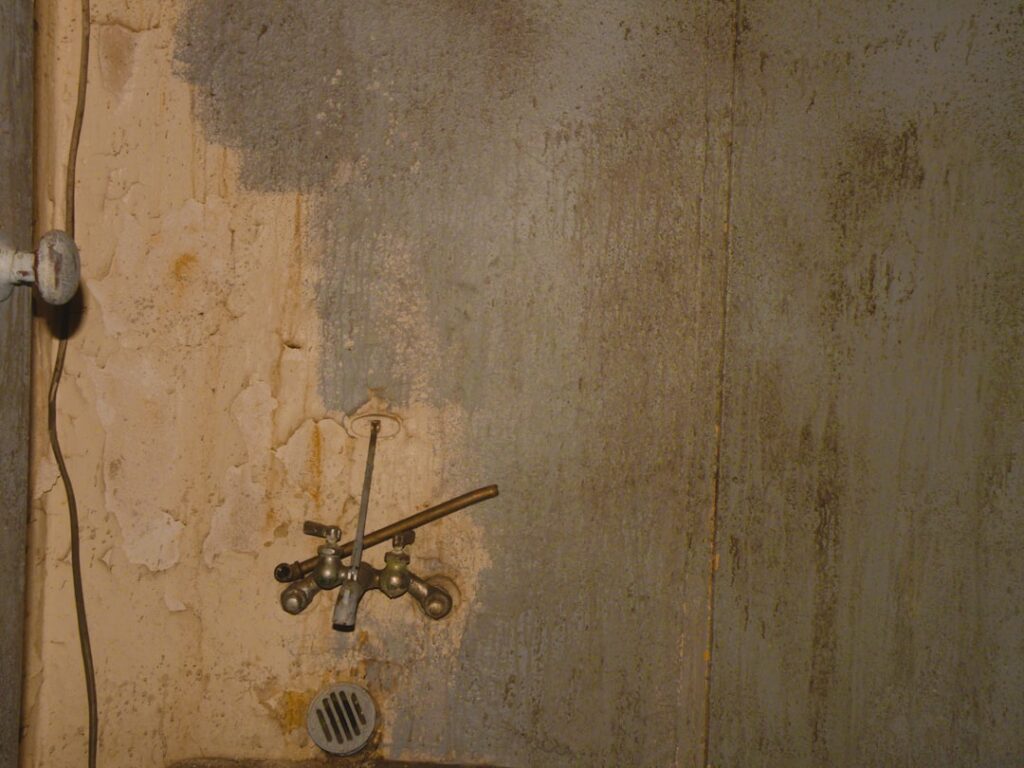
Los Angeles sits in a climate most people would not associate with mold — sunny, dry much of the year — yet coastal humidity, aging housing stock, and slab-leak plumbing make mold a steady concern across the region. Homeowners searching for mold removal in Los Angeles usually want two things: a fair price and a company that fixes the cause, not just the stain. This guide summarizes EPA and CDC guidance current as of 2026 and is educational only; it is not medical advice, and large problems warrant a certified professional. Here is how to approach mold removal in the LA area.
Part of our Mold Removal & Remediation guide — start there for the full picture →
Is this mold, asbestos, or water damage? Get a free instant screen
Upload a clear photo of the suspect area. You'll get an instant AI screening opinion and what to do next. This is screening guidance, not a professional determination.
Screening guidance only. AI can be wrong. Confirm asbestos, mold type, or lead with lab testing or a licensed professional before acting.
What does mold removal in Los Angeles involve?
Mold removal — properly called remediation — follows the same evidence-based process everywhere, Los Angeles included. A reputable crew assesses the extent and the moisture source, contains the area with plastic sheeting, removes or thoroughly cleans affected materials, runs HEPA filtration, dries the space, and verifies the result. The EPA’s core principle holds regardless of region: remove the mold and correct the water problem that caused it.
The local twist is the moisture sources. In Los Angeles, common triggers include coastal marine-layer humidity, slab leaks under concrete foundations, older buildings with minimal ventilation, and water intrusion during the winter rainy season. A capable LA-area company understands these patterns and looks for them rather than just spraying the visible growth.
Where mold hides in LA homes
Los Angeles housing spans a wide range — Spanish-style homes from the 1920s, mid-century ranches, dense apartment stock, and tightly sealed new construction — and each tends to hide mold in characteristic places. Older homes often have minimal mechanical ventilation, so bathrooms and kitchens trap humidity, and original single-pane windows collect condensation. Plaster walls in vintage homes can hold moisture differently than modern drywall, sometimes masking a problem until it spreads.
Slab-foundation homes hide mold low on walls and along baseboards, fed by under-slab plumbing leaks that wick upward unseen. Coastal-adjacent properties battle marine-layer humidity that keeps interiors damp and feeds mold in closets, behind furniture on exterior walls, and in poorly ventilated rooms. Apartments and condos add shared-wall and stacked-plumbing complications, where a neighbor’s leak becomes your mold. And throughout the region, anywhere air moves little and moisture lingers — under sinks, behind appliances, in rarely opened closets — gives mold a foothold.
Because so much LA mold is hidden rather than obvious, a capable remediation firm leads with moisture detection rather than surface cleaning. A musty smell with no visible source, a spike in the water bill, or warping flooring can all signal hidden growth that a spray bottle will never reach. Knowing the housing-specific patterns helps homeowners point an inspector toward the likely spots and avoid treating only the visible symptom.
What mold removal costs in the LA area
Costs vary with the size of the affected area, the materials involved, and local labor rates, which tend to run higher in major metros like Los Angeles. Industry-reported ranges put many residential jobs between roughly $1,500 and $6,000, with small isolated patches sometimes under $1,000 and major contamination — whole-room, HVAC, or flood-related — climbing well into five figures.
Because LA labor and disposal costs sit toward the higher end nationally, homeowners should expect figures at the upper part of typical ranges and budget for the moisture repair separately. A slab-leak fix, for instance, is its own significant cost on top of the remediation. Comparing two or three itemized bids against the same scope is the reliable way to gauge a fair price. Our general guide to how much mold removal costs breaks down the drivers that apply in any market.
When LA mold becomes a professional job
Much of the mold that LA homeowners encounter crosses the line from a DIY task into professional territory, largely because so much of it is hidden and tied to plumbing or marine moisture. The EPA’s roughly 10-square-foot threshold is the starting reference, but several LA-specific situations push toward hiring a professional even for smaller visible patches.
Mold fed by a slab leak is one: the visible growth low on a wall is the tip of a problem rooted under the foundation, and addressing it means locating and repairing the leak before any cleanup. Mold in the HVAC system is another, since central air can distribute spores throughout the home. Hidden mold behind plaster or drywall, suspected from a musty smell or warping without visible growth, calls for investigation that disturbs materials and therefore needs containment. And any mold tied to sewage or significant water intrusion is a professional job regardless of size.
Households with a member who has asthma, a mold allergy, or a weakened immune system should also lean toward professional handling, since even small disturbances can trigger symptoms. The judgment call comes down to whether the source is accessible and the area small, or whether the moisture is hidden, the area large, or the occupants vulnerable. When in doubt, an independent assessment clarifies which category a given LA mold situation falls into before any money is spent on cleanup.
How to vet a Los Angeles mold removal company
LA’s large market means plenty of qualified firms and plenty of opportunists. The same vetting checklist applies as anywhere:
- Credentials. Look for IICRC-certified technicians and adherence to EPA remediation guidance.
- Licensing and insurance. Confirm a valid California contractor’s license where required and current liability insurance.
- Independent assessment. A firm that both tests and remediates has an incentive to find work; independent testing before and after avoids that conflict.
- Itemized scope. The estimate should detail containment, removal, drying, and the moisture fix, not a single lump sum.
- Local references. Recent references from your part of the LA basin matter more than a flashy ad.
The conflict-of-interest issue is worth weight in any market: independent clearance testing, done by someone who is not selling the cleanup, gives you an unbiased confirmation the work succeeded. Our guide to finding a mold detection service near you explains how to keep assessment and remediation separate.
When LA homeowners can handle mold themselves
Not every spot needs a contractor. The EPA suggests a homeowner can often clean an area smaller than about 10 square feet on hard, non-porous surfaces using detergent and water, an N95 respirator, gloves, and eye protection, discarding porous materials that cannot be cleaned. A patch of bathroom mildew or a small spot on tile usually qualifies.
The case for hiring out grows when the area is larger, when mold reaches the HVAC system, when the water involved sewage or flooding, or when a household member has asthma, a mold allergy, or a weakened immune system. Hidden mold behind walls — common with LA slab leaks that wick moisture upward — also needs professional investigation, since disturbing it without containment spreads spores. The broader mold inspection and testing hub outlines where that line falls.
Slab leaks: an LA-specific mold driver
Los Angeles homes built on concrete slab foundations face a moisture problem less common in other regions: the slab leak. Copper supply lines embedded in or beneath the slab can develop pinhole leaks from age, corrosion, or soil movement, releasing water under the floor where it goes unseen for weeks or months. That water wicks up into baseboards, walls, and flooring, feeding mold in places a homeowner cannot inspect directly.
The warning signs are worth knowing: an unexplained jump in the water bill, the sound of running water with all fixtures off, warm spots on the floor (for hot-water-line leaks), persistent musty odor, or cupping and discoloration of flooring. Because the moisture originates below the slab, surface cleaning of the resulting mold accomplishes nothing until the leak is located and repaired by a plumber. A capable LA remediation firm will look for a slab leak when mold appears low on walls or along the floor line with no obvious overhead source.
Addressing a slab leak is its own significant cost on top of the mold remediation, which is part of why LA mold jobs can run higher than the national average. The sequence matters: fix the slab leak first, then remediate the mold and dry the affected materials. Reversing that order wastes the cleanup. Our general guide to how much mold removal costs covers how a hidden moisture source like this drives the total bill.
What to expect from an LA remediation job
An LA-area remediation follows the same evidence-based workflow used everywhere, with local emphasis on finding hidden moisture. Expect an initial assessment that includes moisture mapping, since so much LA mold hides behind walls fed by slab or marine-driven dampness. Containment with plastic sheeting and HEPA air filtration keeps spores from spreading during the work, and porous materials like soaked drywall and carpet leave the home in sealed bags.
Hard surfaces are cleaned and HEPA-vacuumed, the area is dried with dehumidifiers and fans, and the moisture source is corrected before restoration begins. A thorough contractor documents the work and, on significant jobs, arranges independent verification. Because LA’s coastal humidity slows drying, expect crews to run dehumidification longer than they might in an arid climate, and to emphasize ventilation in the moisture-control plan.
Homeowners should confirm up front who handles the moisture repair — the remediation firm, a plumber, or a separate trade — and whether clearance verification is included or billed separately. Clear answers on these points prevent the most common post-job disputes, and they signal a contractor who understands that durable results depend on the moisture fix, not just the visible cleanup.
Preventing mold in a Los Angeles home
Prevention in LA centers on controlling the region’s specific moisture inputs. The EPA recommends keeping indoor relative humidity between 30 and 50 percent. Practical local steps include:
- Address slab leaks fast. A slow under-slab leak can feed mold in walls for months before it is visible.
- Manage marine-layer humidity. Ventilate or dehumidify in coastal-adjacent homes prone to damp interiors.
- Maintain bathroom and kitchen fans. Older LA housing often lacks adequate exhaust ventilation.
- Watch for rainy-season intrusion. Inspect roofs, windows, and grading before winter rains.
While this guide focuses on Los Angeles, the principles travel. InspectandTest serves the Colorado Front Range, where the moisture triggers differ — basement seepage, swamp-cooler humidity, and ice-dam leaks — but the remediation logic is identical: find the water, remove the mold, verify the result, and prevent recurrence by controlling humidity. Whatever the metro, the company worth hiring is the one that treats the cause, not just the cosmetic stain.
Mold and the LA rental market
Los Angeles has a large rental population, and mold frequently becomes a point of conflict between tenants and landlords. California law obligates landlords to maintain habitable housing, and persistent mold from unaddressed leaks or ventilation failures can implicate that duty. Tenants who discover mold should document it with dated photos, report it in writing, and keep a record of the landlord’s response. Landlords, in turn, benefit from responding promptly, since ignored moisture problems grow more expensive and more contentious over time.
The recurring complication is determining cause. Mold from a sudden event like a burst pipe is treated differently from mold attributed to a tenant’s own habits, such as never running a bathroom fan. Independent assessment — by a party who does not profit from the remediation — helps establish the source and the appropriate responsibility, which is why documentation matters so much in disputes. A neutral inspection report carries more weight than either side’s assertion.
For both tenants and owners, the practical path is the same as for any mold problem: identify the moisture source, remove the growth properly, and verify the result, ideally with independent confirmation. The legal and financial questions resolve more cleanly when the underlying facts — where the water came from and whether it has been fixed — are documented by someone with no stake in the answer. That neutral foundation tends to defuse a conflict faster than argument does, in LA’s rental market or anywhere else. For both tenants and owners, the lesson mirrors the one that runs through every mold situation: the dispute over blame matters far less than finding the moisture source, removing the growth properly, and confirming the fix, because a problem that is genuinely solved gives neither side anything left to argue about.
References
- Mold Cleanup in Your Home — U.S. EPA
- Mold Remediation Guidance — U.S. EPA
- Basic Facts About Mold — CDC
- Mold and Dampness Indoors — American Lung Association
Frequently asked questions
Why is mold a problem in dry Los Angeles?
Despite the sunny climate, coastal marine-layer humidity, slab leaks under concrete foundations, older buildings with poor ventilation, and winter rainy-season intrusion all create the sustained moisture mold needs. Many LA mold problems are hidden behind walls fed by slow leaks.
How much does mold removal cost in Los Angeles?
Many residential jobs run roughly $1,500 to $6,000, with small patches sometimes under $1,000 and major contamination well into five figures. LA labor and disposal costs trend higher, so expect the upper part of typical ranges plus the separate cost of fixing the leak.
Should I hire a company that both tests and removes mold?
Ideally not for clearance. A firm that tests and remediates has an incentive to find work. Independent testing before and after, by someone not selling the cleanup, gives an unbiased confirmation the job succeeded.
Can I remove mold myself in my LA home?
For hard-surface patches under about 10 square feet, the EPA says many homeowners can clean it with detergent, water, and protective gear. Larger areas, HVAC contamination, slab-leak moisture in walls, or a high-risk occupant call for a professional.
InspectandTest connects homeowners with vetted inspectors across the Colorado Front Range — if your home is here and mold has you concerned, you can reach out through our contact page.
Mold removal & cleanup picks
For a small, contained patch (under ~10 sq ft) these EPA-friendly removers handle surface mold. Larger or recurring growth warrants a professional assessment first.
| Product | Why | Buy |
|---|---|---|
 RMR-86 Instant Mold Stain Remover RMR-86 Instant Mold Stain Remover | Fast-acting on stains; ventilate and wear PPE. | Amazon — $29.99 |
 Concrobium Mold Control Concrobium Mold Control | No-bleach formula that also helps prevent regrowth. | Amazon — $11.26 |
 Mold Armor Mold & Mildew Remover Mold Armor Mold & Mildew Remover | Widely stocked bathroom/surface remover. | Amazon — $22.98 |