Mold Inspection Los Angeles CA: What Homeowners Need to Know
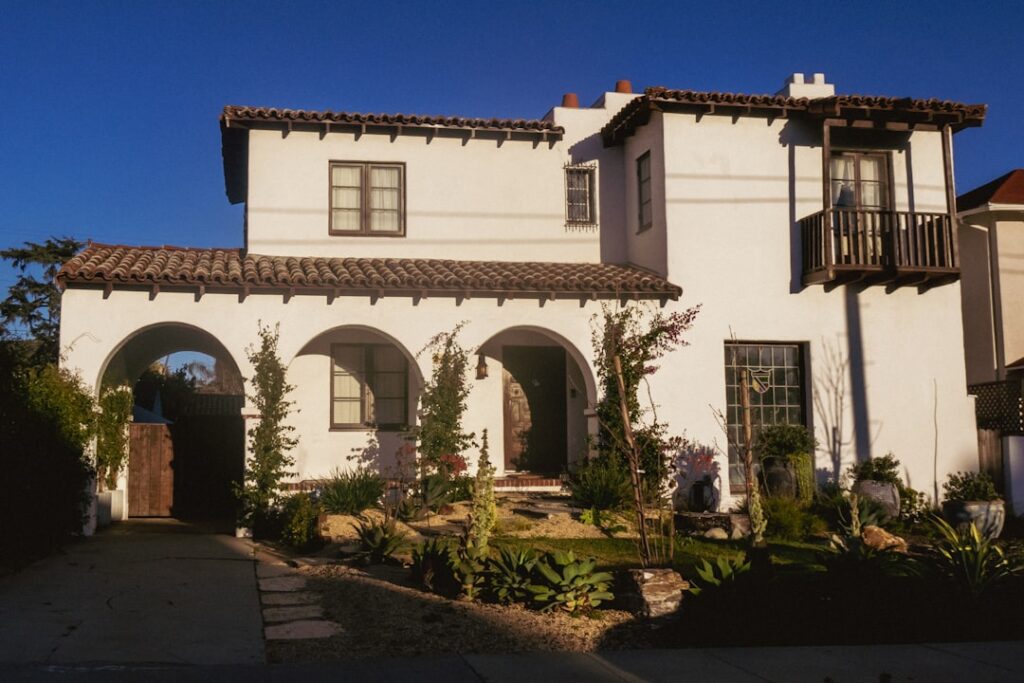
Los Angeles homeowners often assume the city’s dry climate puts mold concerns into someone else’s market. The assumption is wrong in ways that matter. Indoor moisture sources — slab plumbing leaks, irrigation overspray, AC condensate problems, shower-pan failures, and atmospheric river storms — drive most LA mold complaints independent of outdoor humidity. A mold inspection Los Angeles CA homeowners commission has to focus on building science specific to California construction, not generic humid-climate playbooks. This guide summarizes EPA and CDC guidance current as of 2026 and walks through what the inspection covers, what it costs, and how to find a qualified inspector. InspectandTest’s service area is the Colorado Front Range. The principles in this guide apply nationally, but readers in Los Angeles should look for ASHI or InterNACHI-certified local inspectors who understand California construction.
Part of our Mold Testing & Inspection guide — start there for the full picture →
Is this mold, asbestos, or water damage? Get a free instant screen
Upload a clear photo of the suspect area. You'll get an instant AI screening opinion and what to do next. This is screening guidance, not a professional determination.
Screening guidance only. AI can be wrong. Confirm asbestos, mold type, or lead with lab testing or a licensed professional before acting.
What Mold Inspection in Los Angeles Actually Covers
The inspector performs a non-invasive walkthrough supported by moisture meter readings on suspect surfaces and thermal-camera imaging to detect temperature differentials suggesting hidden moisture. They examine the building exterior for drainage problems, irrigation patterns hitting stucco, flat-roof flashing issues, and AC condensate termination problems. Interior priorities for LA homes include slab-edge wall plates, the bottom 18 inches of drywall in any room with plumbing on the slab, tile shower pans, the wall behind washing-machine standpipes, AC closet condensate handling, and any flat or low-slope roof penetrations.
If visible growth is present and the moisture source is obvious, EPA guidance treats sampling as optional. If growth is suspected but hidden, the inspector may take air samples, surface tape lifts, or bulk samples and ship them to an AIHA-accredited laboratory. The inspector should produce a written report with photographs, instrument readings, lab results if applicable, and a clearly written interpretation that connects findings to a remediation scope.
Why LA Moisture Patterns Are Different
LA averages low ambient humidity for most of the year — outdoor dew points typically run below 60 degrees Fahrenheit. CDC indoor-air guidance recommends interior humidity below 50 percent, a target that’s relatively easy to hit in LA’s natural climate. The mold problems that occur are almost always driven by indoor moisture sources rather than envelope-driven humidity infiltration. That changes what an inspection looks for.
Slab Plumbing and Hot Water Leaks
Most LA homes built between the 1950s and 1990s have copper or galvanized plumbing routed through concrete slabs. Pinhole leaks below grade are common as systems age, and water can saturate flooring and bottom-plate framing for months before any visible sign appears. Thermal imaging can sometimes spot the warm trace of a hot-water slab leak; moisture meters at bottom plates can confirm saturation. Suspected slab leaks usually require ultrasonic or pressure-test confirmation from a leak detection specialist, which is outside the typical mold inspection scope but should be recommended in the report.
Irrigation, Stucco, and Hardscape
LA’s heavy irrigation culture creates moisture loads against exterior walls that arid-climate construction may not handle well. Lawn sprinklers hitting stucco daily for years can saturate the wall assembly. Hardscape (concrete patios, walks, driveways) sloped toward the foundation directs runoff into the building. Drip irrigation lines that fail near foundations can create slow saturation events that go undetected for months. An inspection should evaluate exterior grading and irrigation patterns.
Atmospheric Rivers and Flat Roofs
LA receives most of its annual precipitation in a few intense storm events. Flat and low-slope roofs common in mid-century LA architecture rely on functioning scuppers, parapet flashings, and membrane integrity to handle short bursts of heavy rain. Marginal installations that pass during light rain can dump significant water into wall cavities during an atmospheric river event. Damage is often invisible from the interior for weeks until staining or odor emerges.
What an LA Mold Inspection Typically Costs
Pricing varies with home size, sampling involvement, and inspection scope. Visual inspections with moisture and thermal scanning but no lab sampling sit at the low end. Mid-tier engagements add an outdoor reference air sample and two to three indoor samples. Comprehensive assessments with moisture mapping, multiple sampling locations, and a written remediation scope sit at the top. Lab fees pass through separately. Our explainer on mold inspection and testing cost walks through the typical line items nationally.
California Licensing and Inspector Qualifications
California does not currently license mold inspectors as a separate trade. Consumers must vet inspectors using national credentials: ASHI, InterNACHI, IICRC microbial training, and the IAQA Certified Mold Inspector designation are the relevant markers. The California Department of Public Health publishes a position statement explicitly recommending that consumers prioritize source identification and remediation over species identification — inspectors who lead with “we’ll test for toxic mold” rather than “we’ll find the moisture source” are working from marketing scripts.
Ask any prospective inspector whether they also perform remediation. EPA guidance recommends separating diagnostic and remediation services. The cleanest engagements involve an independent inspector, an accredited laboratory, and a separately contracted remediation company. The mold inspection hub covers the general workflow that applies nationally.
Sampling Methods and Interpreting Results
Air samples capture airborne spores on sticky cassette media pulled at a calibrated airflow rate over several minutes. The lab counts spores by genus and reports concentrations per cubic meter. Tape lifts capture surface growth directly. Bulk samples remove a piece of suspect material for analysis. Genera commonly reported in LA inspections include Cladosporium, Penicillium, Aspergillus, and occasionally Stachybotrys.
No federal action threshold exists for indoor spore counts. The lab report must be interpreted against an outdoor reference sample taken the same day. Indoor counts that exceed outdoor for Penicillium and Aspergillus suggest indoor amplification. Cladosporium counts that track outdoor levels typically reflect normal infiltration. A report without a written interpretation from the inspector is not actionable.
Pre-Purchase Inspections in the LA Market
Buyers in the LA market should consider mold inspection a standard add-on to a general home inspection rather than an optional extra, particularly for any home over 25 years old, any home with reported water damage history, and any home with a flat or low-slope roof. Disclosure obligations under California Civil Code require sellers to disclose known mold issues, but “known” leaves room for legitimate dispute. A pre-purchase inspection establishes a baseline at closing that supports any future claim.
Health Considerations
The CDC, EPA, and American Lung Association all recognize indoor mold as an asthma trigger and respiratory irritant. Severe immunocompromise can occasionally lead to invasive fungal infections from heavy environmental exposure. Anyone in an LA household experiencing persistent cough, wheezing, sinus congestion, or fatigue that improves when they leave home should consult their physician. The inspection documents the environment; medical decisions belong to a doctor.
What to Do With the Report
Read the moisture findings first. Remediation without source repair will fail. If the report identifies an irrigation issue, slab leak, AC condensate problem, or roof flashing failure, that must be fixed before remediation begins. If air samples show indoor amplification, the report should specify rooms, genera, and the containment level the remediation contractor should follow. Solicit two to three remediation quotes that reference the inspection scope.
For pre-purchase situations, the inspection report becomes negotiation leverage with the seller. For insurance claims after a covered loss event, the inspection report supports the scope of work and the linkage between the loss event and the damage.
National Standards Versus Regional Practice
LA mold inspections draw on the same national frameworks that anchor the field elsewhere: EPA investigation and remediation guidance, IICRC S520 standard of care for professional mold remediation, and ASHI or InterNACHI inspection standards of practice. The S520 standard sets containment, PPE, and clearance criteria that competent remediation contractors follow regardless of state licensing. National standards anchor the methodology; regional practice is what the inspector reads off the housing stock — slab plumbing in mid-century tracts, parapet-roof construction in older multifamily, hillside drainage in canyon properties, stucco-and-wood-frame wall assemblies with marginal drainage planes.
EPA Region 9 covers California and publishes regional indoor air quality guidance that supplements the national mold pages. Inspectors who reference both the national standards and the regional framework demonstrate defensible methodology. The California Department of Public Health’s mold position statement is short and worth reading before any inspection conversation; it sets reasonable expectations about what testing can and cannot tell a homeowner.
Why Local Certified Inspectors Matter
The construction patterns that drive most LA mold findings — slab-edge plumbing, stucco-and-wood-frame walls with limited drainage planes, flat or low-slope roofs with parapets and scuppers, AC condensate routing through unconditioned closets, hillside hardscape directing runoff toward foundations — are unfamiliar to inspectors who do most of their work in different climates. A defensible LA mold inspection requires someone who reads those assemblies fluently and recognizes the failure patterns by sight. Out-of-area inspectors brought in for a single visit may carry strong national credentials but lack the local pattern recognition that catches the parapet flashing detail or the irrigation pattern hitting a north-facing stucco wall.
References
- EPA mold cleanup and investigation guidance — U.S. Environmental Protection Agency
- CDC overview of mold and dampness — Centers for Disease Control and Prevention
- InterNACHI mold inspection standards — International Association of Certified Home Inspectors
- American Lung Association mold guidance — American Lung Association
Frequently asked questions
Does LA's dry climate mean mold inspections are unnecessary?
No. Indoor moisture sources — slab plumbing leaks, irrigation overspray, AC condensate, atmospheric river storm damage — drive most LA mold problems independent of outdoor humidity. Pre-purchase inspections and post-water-event inspections are routinely warranted.
How urgent is inspection after an atmospheric river storm?
If water entered through a roof, window, or door, schedule promptly. EPA guidance notes microbial growth can begin within 24 to 72 hours on saturated materials. Even partial drying does not guarantee that wall cavities or subfloor framing have returned to safe moisture content.
Can my homeowners insurance pay for a mold inspection?
Standard policies typically cover inspections related to sudden covered loss events (storm damage, plumbing burst). Long-term seepage and gradual leaks are generally excluded. Read the policy and document the event timeline carefully.
Should I test for a specific 'toxic mold' species?
EPA and California Department of Public Health guidance both recommend prioritizing moisture source identification and remediation over species testing. Visible mold should be cleaned up regardless of species. Species-specific testing is most useful for post-remediation verification.
Readers outside the Colorado Front Range can search the InterNACHI directory at nachi.org for an ASHI or InterNACHI-certified mold inspector in the Los Angeles metro, prioritizing inspectors with documented California construction experience.