How to Get Black Mold Off Walls: A Plain-Language Guide
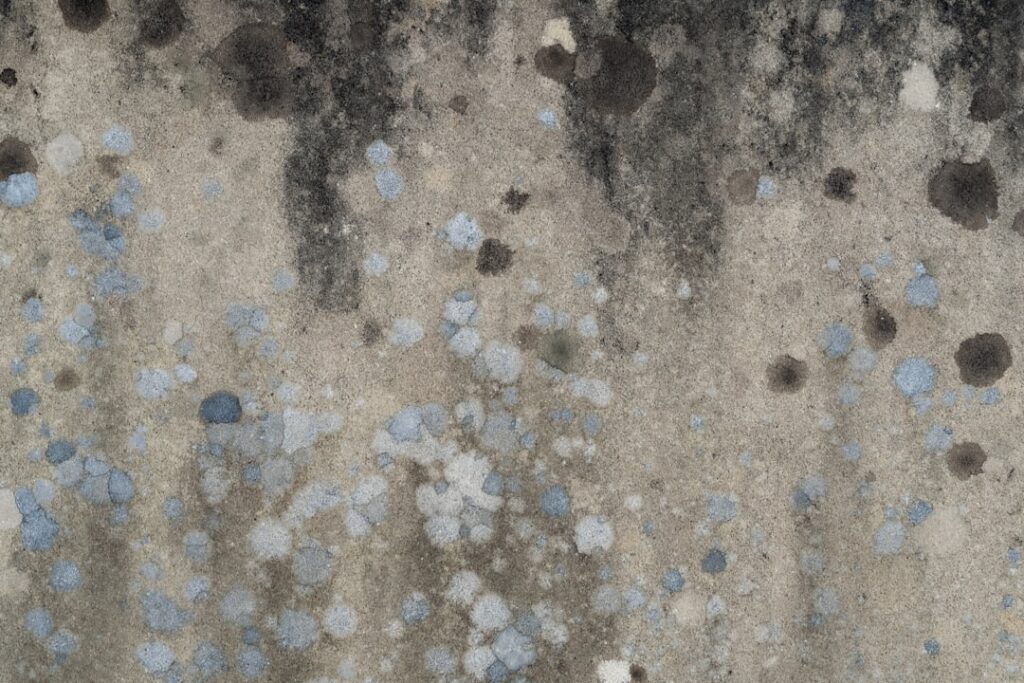
A dark, fuzzy stain creeping up a basement or bathroom wall is one of the most common moisture problems Front Range homeowners report. Knowing how to get black mold off walls starts with a simple rule: clean small patches yourself, but treat the moisture source as the real problem. This guide summarizes EPA and CDC guidance current as of 2026 and is informational only — consult your physician for symptoms and a certified professional for testing or large-scale removal decisions.
Is this mold, asbestos, or water damage? Get a free instant screen
Upload a clear photo of the suspect area. You'll get an instant AI screening opinion and what to do next. This is screening guidance, not a professional determination.
Screening guidance only. AI can be wrong. Confirm asbestos, mold type, or lead with lab testing or a licensed professional before acting.
How to Get Black Mold Off Walls: The Short Answer
For a visible patch smaller than roughly 10 square feet on a hard, non-porous wall, the EPA says most homeowners can handle cleanup themselves. The basic sequence is: protect yourself with gloves, an N95 respirator, and eye protection; contain the area; scrub the surface with detergent and water; dry it completely; and then fix whatever leak or humidity problem caused the growth. Bleach is not required on non-porous surfaces — soap and water plus thorough drying removes most surface mold. The single most important step is drying, because mold cannot regrow on a surface kept below the moisture level it needs.
Porous materials are a different story. Drywall, unsealed plaster, and ceiling tile soak moisture deep into the material, and surface scrubbing rarely reaches the colony inside. Those materials usually need to be cut out and replaced rather than cleaned.
Gather Supplies and Protective Gear First
Before touching the wall, assemble what you need so you are not walking back and forth spreading spores. A typical kit includes nitrile or rubber gloves, an N95 (or better) respirator, safety glasses or goggles, old clothes you can wash in hot water, a spray bottle, scrub brushes or sponges, plastic sheeting, painter’s tape, and heavy-duty trash bags.
Set up before you start so the job flows in one direction, from clean to contaminated. Bag your waste as you go rather than letting moldy debris sit in the open, and keep the trash bags inside the contained area until they are sealed. Have a second pair of gloves ready in case the first tears, and keep the respirator on for the entire job, not just the scrubbing. A small investment in the right gear up front prevents the two most common problems: spreading spores into clean rooms and breathing them in while you work.
The CDC recommends respiratory protection because disturbing mold releases spores into the air. A cloth dust mask is not adequate. An N95 forms a seal and filters fine particles, which matters most during scrubbing when the surface is actively being agitated. Open a window for ventilation, but close interior doors so spores do not drift into clean rooms.
Step-by-Step: Cleaning Mold From a Hard Wall
1. Contain the Work Area
Tape plastic sheeting over nearby vents and lay sheeting on the floor below the patch. Containment keeps loosened spores from settling across the room and makes cleanup easier — you simply fold the sheeting inward and bag it.
2. Mix a Cleaning Solution
A mix of dish detergent and warm water handles most surface mold on painted or sealed walls. If you prefer a disinfectant, a solution of no more than one cup of household bleach per gallon of water is the EPA’s stated ceiling, and it should never be combined with ammonia or other cleaners. White vinegar in a spray bottle is a milder alternative many homeowners use on tile and grout.
3. Scrub Gently
Spray or sponge the solution onto the stain, let it sit a few minutes, then scrub with a soft brush. Work from the outer edge inward to avoid spreading the colony. Avoid aggressive scraping on painted drywall, which can tear the paper face and expose the porous core underneath.
4. Wipe and Rinse
Wipe the area with clean water and a fresh cloth. Discard sponges and brushes that contacted heavy growth rather than reusing them on clean surfaces.
5. Dry Thoroughly
Run a fan, dehumidifier, or both until the wall is bone dry to the touch. This is the step homeowners skip most often, and skipping it is why mold returns within weeks.
Why Black Mold Keeps Coming Back
Mold is a symptom, not the disease. If a patch reappears after cleaning, the underlying moisture source is still feeding it. Common Front Range culprits include condensation on cold basement walls, a slow plumbing leak behind a vanity, ice-dam meltwater along an exterior wall, and high indoor humidity during winter when homes are sealed tight against the cold.
The EPA’s guidance is blunt: control moisture and you control mold. That means repairing leaks promptly, keeping indoor relative humidity below 50 percent, venting bathrooms and kitchens to the outside, and improving air circulation in closets and corners where air stagnates. For a deeper look at the inspection side of moisture problems, the mold inspection and testing hub walks through how professionals trace hidden sources.
Common Mistakes to Avoid
The costliest mistake is painting over black mold. A fresh coat hides the stain for a few weeks while the colony keeps growing underneath, then bleeds through again — now with time lost and paint wasted. The second is cleaning the surface while ignoring the moisture source, which guarantees the stain returns on the same schedule as the dampness feeding it. Over-relying on bleach is another, since it does not penetrate porous materials and is not required by EPA guidance for routine cleanup. Skipping protective gear and disturbing growth without an N95 respirator raises exposure needlessly, and scrubbing painted drywall hard enough to tear the paper face exposes the vulnerable core. Avoiding these errors comes down to two habits: stop the water first, and match the effort to the size and surface of the problem.
Bleach vs. Vinegar vs. Detergent
Homeowners often ask which cleaner kills mold best. The honest answer is that on a non-porous surface, physical removal matters more than the chemical. Detergent and water lift mold off the surface effectively. Vinegar is mildly antifungal and useful on grout and tile. Bleach disinfects and lightens stains but does not penetrate porous materials, so it can leave the wall looking clean while a colony survives inside the wall cavity.
For a side-by-side breakdown of products and methods specifically for wallboard, the guide on the best way to kill mold on drywall covers what works on the paper face versus the gypsum core.
When Drywall Has to Come Out
If the paper face of the drywall is stained, soft, or crumbling, surface cleaning will not fix it. Mold has likely colonized the cellulose in the paper and possibly the insulation behind it. In that case the affected section is cut out — typically several inches beyond the visible edge of growth — bagged, and replaced. Cutting drywall releases spores, so containment and respiratory protection become more important, not less.
Homeowners dealing with mold after a burst pipe or flooding should treat the situation as time-sensitive. Materials that stay wet longer than 24 to 48 hours are prime mold habitat, which is why fast drying after water intrusion is the best prevention there is.
Front Range Moisture Sources to Check
Colorado’s dry air does not exempt homes from wall mold; it just shifts where the moisture comes from. Below-grade basement walls stay cool year-round, and warm interior air condensing against them wets drywall from behind. Tightly sealed homes trap winter humidity from showers, cooking, and humidifiers. Ice dams along the eaves push meltwater into wall cavities during snowy stretches, and a slow plumbing leak behind a vanity or appliance can feed a colony for months. Matching the location of a stain to its likely source — low on a basement wall points to condensation or groundwater, high on an exterior wall after snow points to an ice dam — speeds the repair that any lasting fix depends on.
Cleaning Mold in High-Humidity Rooms
Bathrooms and laundry rooms generate moisture daily, so mold returns fastest there. Run the exhaust fan during and for 20 minutes after every shower, squeegee glass and tile, and wash bathroom walls periodically before growth takes hold. For a room-specific routine, see the walkthrough on how to clean mold off walls in a bathroom, which addresses grout, caulk, and painted surfaces separately.
What Black Mold Actually Is
“Black mold” is a loose term, not a single species. People often mean Stachybotrys chartarum, a dark, slimy mold associated with chronically wet materials, but many common molds appear black or dark green and are far more frequent on household walls. The CDC and EPA both make the same practical point: the color or species does not change what you should do. There is no need to identify it before acting, because the response to any visible mold is identical — remove it and correct the moisture that allowed it to grow.
This matters because fear of “toxic black mold” sometimes drives homeowners toward expensive testing or panic when the situation calls for straightforward cleanup and a moisture repair. Treat every dark patch the same way, scaled to its size: small and on a hard surface, clean it; large, porous, or recurring, bring in help.
How Professionals Trace the Moisture
When black mold keeps returning, the value of a professional lies less in the cleaning and more in finding the water. Inspectors use moisture meters to read the water content of walls and floors without opening them, infrared cameras to spot cool, damp areas behind finishes, and sometimes a borescope to look inside a wall cavity through a small hole. These tools turn a recurring stain into a traceable source, so the repair targets the actual leak or condensation point rather than the spot where mold happened to surface. Homeowners curious about the equipment can read about the home inspection moisture meter and what its readings mean.
Health Precautions During Cleanup
People with asthma, allergies, weakened immune systems, or chronic lung conditions should not perform mold cleanup themselves, according to CDC guidance. For everyone else, the protective gear described above lowers exposure during the job. If you develop coughing, wheezing, eye irritation, or congestion that you connect to a moldy area, stop work, ventilate, and contact your doctor. There is no need to identify the exact species of mold first — the CDC notes that the response is the same regardless of type: remove it and fix the moisture.
Drying: The Step That Determines Success
Of every step in mold cleanup, drying decides whether the work lasts. A wall that looks clean but stays even slightly damp will grow mold again within weeks, because the spores left behind only need moisture to recolonize. After scrubbing, run a fan, a dehumidifier, or both, and keep them going until the surface and the material behind it are fully dry — often longer than people expect for plaster or drywall that absorbed water. A moisture meter takes the guesswork out, confirming the reading has dropped to normal before you repaint or move furniture back. Pair the drying with the moisture-source repair, and the same patch that kept returning finally stays gone.
When to Call a Professional
Call in a remediation contractor when the affected area exceeds about 10 square feet, when mold is in the HVAC system, when it returns repeatedly despite cleaning, when there has been significant water or sewage damage, or when an occupant has a health condition that makes exposure risky. A professional can also perform containment and post-cleanup verification that a do-it-yourself effort cannot. Buyers and sellers in a real estate transaction often want documentation, which is another reason to bring in a qualified inspector.
References
- Mold Cleanup in Your Home — U.S. Environmental Protection Agency
- About Mold and Health — Centers for Disease Control and Prevention
- Mold and Your Health — Colorado Department of Public Health and Environment
If a mold patch keeps returning or you suspect hidden moisture behind a wall, a vetted Front Range inspector can trace the source before you spend money on cosmetic fixes. Reach out through our contact page to get connected with a qualified local professional.