Emergency Mold Removal Services: 24-72 Hour Response Guide
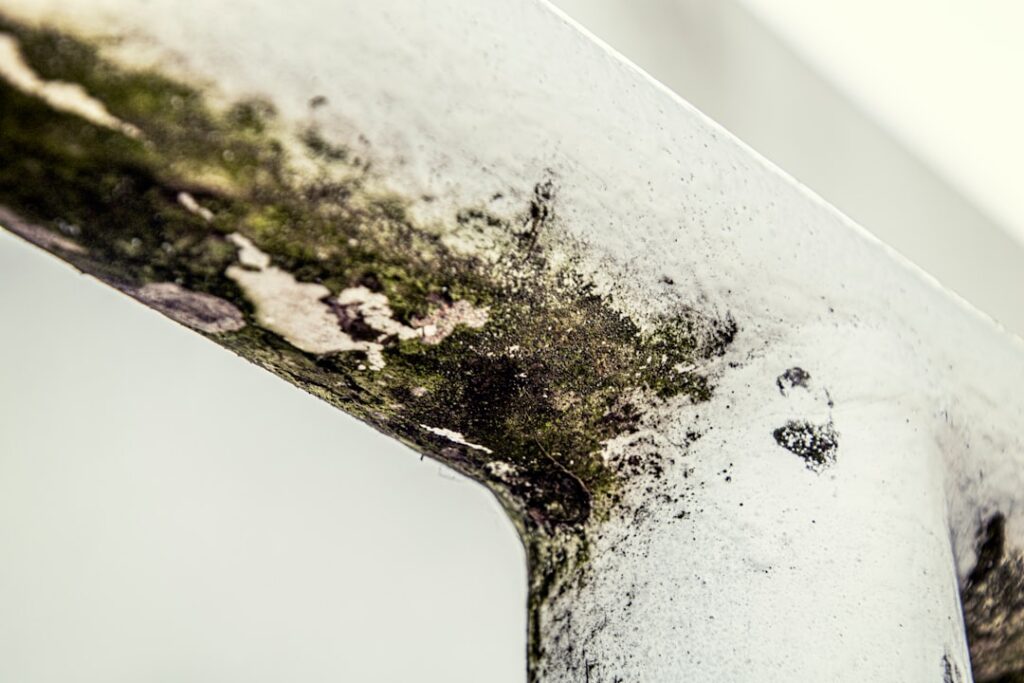
“Emergency mold removal services” reflects a specific homeowner scenario: a recent water event — burst pipe, appliance failure, flood, fire-suppression discharge — and a window of roughly 24 to 72 hours before mold growth begins in earnest on wet structural materials. The “emergency” label is genuine for this window; outside it, the work usually shifts to standard remediation. This guide explains what triggers emergency response, what crews actually do in the first 72 hours, and how homeowners vet rapidly when the timeline does not permit a normal three-bid process. It summarizes EPA and CDC guidance current as of 2026; consult a certified indoor environmental professional for testing, and your physician for symptoms.
Is this mold, asbestos, or water damage? Get a free instant screen
Upload a clear photo of the suspect area. You'll get an instant AI screening opinion and what to do next. This is screening guidance, not a professional determination.
Screening guidance only. AI can be wrong. Confirm asbestos, mold type, or lead with lab testing or a licensed professional before acting.
The 24-72 hour window: why timing matters
Mold spores are present in every indoor environment as a baseline. What changes after a water event is moisture availability — spores that were dormant on a dry surface have water, organic substrate, and warmth, which are the three conditions for growth. EPA guidance and IICRC standards both reference a roughly 24-48 hour window as the threshold past which visible growth becomes likely on porous materials (drywall, insulation, carpet, paper-faced finishes). By 72 hours, growth is typically established.
The practical implication is that “emergency mold removal services” are usually emergency water mitigation services first — the priority in the first 72 hours is drying the structure aggressively enough to prevent mold rather than removing mold that has already grown. Once growth has established, the work shifts to standard remediation timelines.
What triggers true emergency response
Five conditions where emergency mobilization is appropriate. First: a fresh water event within the 72-hour window with porous materials still wet. Second: an active leak that cannot be shut off, or a leak that recurs faster than drying can keep up. Third: contaminated water (Category 2 or 3 in IICRC S500 terms — gray water from appliance discharge or black water from sewage backflow) requiring containment beyond standard drying. Fourth: post-fire water-suppression damage where fire crews left hundreds or thousands of gallons in the structure. Fifth: any combination of the above in occupied buildings with high-risk residents (infants, elderly, immunocompromised).
Conditions that are not true emergencies despite homeowner urgency: visible mold growth without active water source, growth discovered during home purchase due diligence, long-standing mold suddenly noticed, and mold revealed during routine renovation. These are standard-timeline remediation scopes.
What an emergency crew does in the first 72 hours
The first 72-hour scope is dominated by water mitigation rather than mold work. Hour 0-4: arrival, source identification, water extraction (truck-mount or portable extractors removing standing water and water from saturated carpets and pads). Hour 4-12: structural drying setup — air movers placed at every wet surface, dehumidifiers sized for the affected square footage and humidity load, moisture mapping documented for the insurance file. Hour 12-72: continuous drying with daily moisture readings to confirm progressive drop, removal of any porous materials that cannot be dried (saturated drywall, soaked insulation, severely affected carpet pad).
Mold-specific work — containment, antimicrobial application, post-remediation verification — typically begins after the drying phase concludes, usually day 3 through day 7 depending on extent. The “emergency” label covers the rapid mobilization; the actual mold remediation follows the standard IICRC S520 protocol once growth is identified.
Our mold inspection hub covers the inspection side that drives any subsequent remediation scope after the emergency drying phase wraps.
Credentials for emergency service providers
Emergency providers ideally hold two credentials: IICRC WRT (Water Damage Restoration Technician) for the water mitigation phase, and IICRC AMRT (Applied Microbial Remediation Technician) for any mold work that follows. The WRT credential is the specifically relevant one for the first 72 hours. Companies that hold only AMRT but not WRT are mold specialists rather than emergency water responders; companies that hold only WRT are water mitigation specialists who may refer the mold phase to a different contractor.
The strongest credentialing combination is a company with both certifications and a documented hand-off protocol between phases.
How to vet rapidly when timing does not permit three bids
Five steps that compress a normal vetting process into a phone call:
- Confirm IICRC WRT certification at the technician level (not just company level)
- Confirm general liability AND pollution liability coverage on a current certificate
- Confirm 24/7 emergency dispatch with documented arrival time commitment
- Confirm direct insurance billing if filing a claim
- Confirm written scope before any major demolition work begins (drying alone is acceptable on a verbal scope; demolition is not)
The vetting framework above is condensed from the normal multi-bid process because timing genuinely matters. For deeper context our mold remediation contractors overview covers the contractor-type landscape that feeds into emergency vetting.
Pricing for emergency response
Emergency pricing is higher than standard remediation pricing — typically 15-30% above for equivalent post-event scope, reflecting after-hours mobilization, equipment depreciation, and crew overtime. Industry-reported 2026 ranges for emergency response and subsequent remediation:
- Emergency mobilization fee: $300 to $800 (often credited toward the scope)
- Water mitigation, single room: $1,500 to $4,500
- Water mitigation, multi-room or basement flood: $4,500 to $15,000
- Subsequent mold remediation (if growth established before drying): $1,500 to $12,000 depending on scope
For insurance-covered events, most of this pricing flows through the homeowner’s water-damage policy coverage rather than out of pocket. Confirm coverage with the carrier before any non-emergency expenses are authorized — preventive drying is usually covered, while elective upgrades during reconstruction may not be.
What homeowners can do in the first hour
Before the emergency crew arrives, four actions that meaningfully affect outcomes. Shut off the water source if possible (main shutoff, individual fixture shutoff, breaker for hot water heater leaks). Move undamaged porous items (rugs, books, electronics) out of the affected area to prevent secondary damage. Photograph everything before any cleanup begins — the insurance file benefits from time-stamped photos. Do not run HVAC if the affected area is downstream of an air return — circulating moist air can spread the moisture problem.
Do not start drying with household fans if the water is contaminated (Category 2 or 3) — circulating contaminated water aerosolizes the contamination and worsens the situation. Wait for credentialed crews on Category 2 and 3 events.
What standard remediation looks like after the emergency phase
Once the drying phase concludes (typically day 3-5), the work shifts to standard mold remediation if growth was established before drying succeeded. Standard scope includes containment, HEPA filtration, physical removal of unsalvageable porous materials, antimicrobial application, and independent post-remediation verification. The transition from emergency to standard phase should be marked by a written scope update — the verbal emergency authorization does not cover the standard remediation work that follows.
The IICRC water damage categories explained
The IICRC S500 standard for water damage restoration classifies water events into three categories based on source contamination. Knowing which category applies determines what scope of work is necessary and what PPE the crew uses.
Category 1 water is clean water from a sanitary source — a supply line break, a faucet left running, a filtered ice maker line. Category 1 water poses minimal contamination risk at the moment of the event but degrades to Category 2 within 48 hours if left untreated due to bacterial growth and contact with building materials. Standard water mitigation procedures apply, and most porous materials in the affected area can be dried and retained.
Category 2 water (gray water) carries significant contamination — appliance discharge from dishwashers or washing machines, aquarium leaks, toilet overflow without sewage. Category 2 water requires more aggressive sanitization, and porous materials saturated with Category 2 water typically need to be removed rather than dried in place. The crew uses upgraded PPE compared to Category 1 work.
Category 3 water (black water) is grossly contaminated — sewage backflow, flooding from sources upstream of sanitation, river or storm flood water. Category 3 work requires full PPE, containment, and removal of any porous materials with Category 3 contact. The remediation phase that follows water mitigation is typically more extensive because biological contamination amplifies the mold-growth potential and adds bacterial and viral concerns.
Emergency response crews assess water category in the first walkthrough and adjust the scope accordingly. A reputable provider documents the category in writing and adjusts pricing based on the actual scope rather than the consumer-visible “water damage” label.
Documentation during an active emergency
The documentation produced during an emergency response is critical for the insurance claim and for any subsequent dispute resolution. Three documentation streams should run in parallel during the work.
Photographic documentation is the most important. Time-stamped photos of every affected area before work begins, at each major phase, and at completion provide the visual record that supports the claim narrative. Crews should photograph from multiple angles and at multiple distances, with reference objects (rulers, recognizable items) for scale where useful.
Moisture-reading logs document the drying progress. Daily moisture readings on each affected material — wood framing, drywall, subfloor — show the progressive drop from saturation toward target moisture content. The log demonstrates that drying succeeded and supports the claim that retained materials are now within acceptable specifications.
Equipment runtime logs document the labor and equipment cost basis for the claim. Air movers, dehumidifiers, and air scrubbers all carry daily rental or use rates. Logs showing how many of each unit ran for how many hours support invoicing that the carrier will accept without dispute.
Homeowners should request copies of all documentation streams at the conclusion of the work, regardless of whether the carrier is paying directly or the homeowner is submitting for reimbursement.
When to call a professional
Any water event affecting more than a single small room, any contaminated water event regardless of size, any post-fire situation, and any event in an occupied building with high-risk residents all warrant credentialed emergency response within the 24-72 hour window. Small clean-water events in a non-occupied area (a slow leak under a vacation home sink discovered after a long absence, for example) may be standard-timeline situations even though the homeowner notices them suddenly.
For homeowners on the Colorado Front Range, the late winter and spring melt periods produce the highest seasonal volume of emergency water events. Sump-pump failures during late-season snowstorms and ice-dam moisture intrusion during the freeze-thaw cycle are the dominant patterns. Front Range crews with regional experience know the patterns and prepare accordingly.
Post-emergency follow-up planning
After the emergency drying and any initial remediation phase concludes, several follow-up activities should be planned to ensure the long-term outcome holds. Three categories of follow-up matter.
Source-repair verification confirms that the moisture cause has been permanently addressed. If the original event was a plumbing failure, a follow-up plumbing inspection within 30 days verifies the repair held. If grading or drainage was implicated, a follow-up after the next major rain event confirms the drainage solution worked.
Indoor air-quality follow-up provides reassurance after the immediate work is done. Some homeowners schedule a third-party air-quality test 30 to 60 days post-completion to document that spore counts have returned to normal background levels and remained there. The cost ($300-$600) is modest relative to the peace of mind for affected households.
Insurance claim finalization typically takes 60-90 days after the last invoice. Homeowners should keep all documentation through this period and respond promptly to any carrier requests for additional information. Closing the claim cleanly avoids future complications with policy renewals.
References
- EPA Mold Cleanup in Your Home — U.S. Environmental Protection Agency
- CDC Mold Cleanup and Remediation — Centers for Disease Control and Prevention
- OSHA Flood Cleanup Worker Safety — Occupational Safety and Health Administration
- InterNACHI Mold Inspection Standards — International Association of Certified Home Inspectors
Front Range homeowners dealing with an active water event can reach out through our contact page to be connected with a vetted local inspector and emergency-credentialed crews.
Mold removal & cleanup picks
For a small, contained patch (under ~10 sq ft) these EPA-friendly removers handle surface mold. Larger or recurring growth warrants a professional assessment first.
| Product | Why | Buy |
|---|---|---|
 RMR-86 Instant Mold Stain Remover RMR-86 Instant Mold Stain Remover | Fast-acting on stains; ventilate and wear PPE. | Amazon — $18.38 |
 Concrobium Mold Control Concrobium Mold Control | No-bleach formula that also helps prevent regrowth. | Amazon — $13.48 |
 Mold Armor Mold & Mildew Remover Mold Armor Mold & Mildew Remover | Widely stocked bathroom/surface remover. | Amazon — $22.98 |