Indoor Mold and Mildew Remover: A Buyer Guide
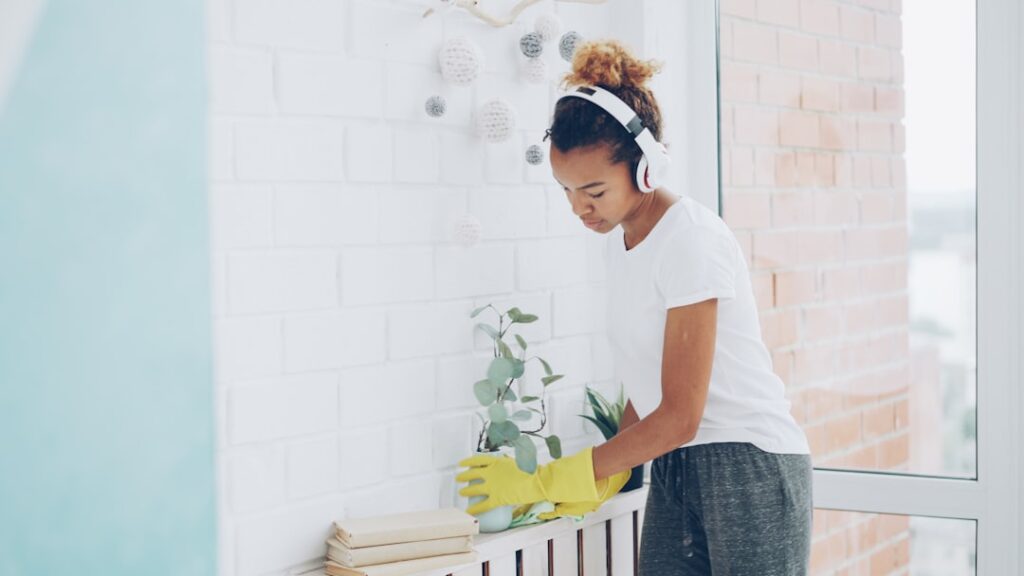
An indoor mold and mildew remover is a product chosen for use inside the home, where enclosed air, nearby occupants, and finished surfaces change what counts as the right choice. A remover that works fine in a detached garage may be too harsh, too smelly, or too damaging for a bedroom or finished basement. This guide summarizes EPA and CDC guidance current as of 2026 and is educational only. It does not replace a physician for health symptoms or a certified professional for testing and remediation decisions.
Part of our Mold Removal & Remediation guide — start there for the full picture →
Is this mold, asbestos, or water damage? Get a free instant screen
Upload a clear photo of the suspect area. You'll get an instant AI screening opinion and what to do next. This is screening guidance, not a professional determination.
Screening guidance only. AI can be wrong. Confirm asbestos, mold type, or lead with lab testing or a licensed professional before acting.
What Makes a Remover Right for Indoor Use
Three qualities matter more indoors than out. Fume profile comes first: strong chlorine or solvent odors linger in closed rooms and bother sensitive occupants, so lower-odor peroxide or botanical removers are often easier to live with. Residue comes second: a remover that dries to a sticky or dusty film inside a living space is less desirable than one that rinses clean or evaporates. Surface compatibility comes third, because indoor surfaces are varied and frequently finished, and an oxidizer that bleaches fabric or dulls hardwood trades one problem for another.
The EPA’s central point carries extra weight indoors: the aim is to remove the growth and its spores, not just to kill it in place, because dead spores can still trigger allergic reactions in an enclosed home. An indoor remover that leaves dead growth embedded in porous material has not protected the air you breathe.
Matching the Remover to Indoor Surfaces
Hard, non-porous indoor surfaces are the best candidates for cleaning and reuse. Glazed bathroom tile, sealed countertops, glass shower doors, and finished metal fixtures can be treated, allowed to dwell for the labeled time, agitated, and dried. The EPA notes hard surfaces can generally be cleaned and reused once dry.
Porous indoor materials are the trouble spots. Drywall paper, ceiling tile, carpet, upholstery, and bare wood let mold grow below the surface where a topical remover cannot reach. The EPA generally advises removing and replacing visibly moldy porous materials rather than relying on repeated treatment. That guidance matters most indoors, where leaving colonized material in place keeps a spore source inside the breathing zone.
The Spots Indoor Mildew Loves
Indoor mildew favors stagnant, cool, damp spots: window sills with condensation, closets on exterior walls, corners behind furniture, and bathroom caulk. Treating the visible patch is only half the fix. Window condensation, poor closet airflow, and cold exterior walls cause the growth, so wiping condensation, improving circulation, and pulling furniture off the wall prevent return more reliably than the remover itself.
Best Mold and Mildew Remover: our top 3 picks
| Product | Best for | Key features | Price | Buy |
|---|---|---|---|---|
| RMR-86 Instant Stain Remover | Fast mildew stain removal |
| — | Buy now →Check current price |
| Concrobium Mold Control | Mold control and prevention |
| — | Buy now →Check current price |
| 30 SECONDS Pro | Indoor and outdoor stains |
| $17.28as of Nov 5, 2026 6:40 am GMT+0000 | Buy now →Check current price |


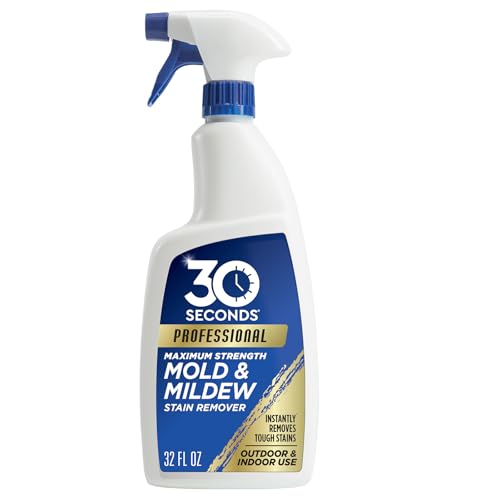
Prices are Amazon’s listed prices as of the time shown and change often; check Amazon for today’s price. As an Amazon Associate we earn from qualifying purchases.
Using an Indoor Remover Safely
Indoor treatment concentrates both chemical fumes and disturbed spores in a small volume of air, so protection matters more than outdoors. The CDC recommends gloves, eye protection, and an N-95 respirator for anyone disturbing mold. Open windows, run an exhaust fan, and isolate the room when growth is significant so spores do not migrate through the home.
Never mix chlorine and ammonia products; the reaction releases toxic gas, and the danger is greater in a closed room. People with asthma, allergies, or weakened immunity should avoid doing the treatment, since the CDC identifies these groups as facing higher exposure risk. Keep the area ventilated until fumes clear and the surface is dry.
A Remover Is the Last Step, Not the First
An indoor remover works best as part of a sequence. First, find and fix the moisture source, whether a leak, condensation, or high humidity. Second, dry the area within the EPA’s 24-to-48-hour window. Third, remove colonized porous materials. Treating a salvageable hard surface with a remover is the finishing step. Reverse that order and the growth returns indoors, where it most affects daily life.
Homeowners trying to gauge an indoor problem’s seriousness can begin with the broader mold inspection and testing overview, which explains assessment and the professional threshold. For surface-specific technique, our guide to choosing an indoor mold cleaner and the walkthrough on cleaning mold from walls add detail.
Indoor Air and the Limits of Treatment
Treating a visible patch does not guarantee clean indoor air. Spores are microscopic and become airborne when growth is disturbed, which is exactly what treatment does. That is why the EPA emphasizes drying and removal over chemical treatment alone. A small, ventilated treatment of a hard surface is reasonable, but a large or hidden colony can degrade air quality across a floor if disturbed without containment. There is no enforceable federal indoor mold standard, so visible growth, a musty odor, and a water history are the practical indicators.
Preventing Indoor Regrowth
Prevention indoors is humidity control. The CDC and EPA point to keeping indoor relative humidity below roughly 50 percent, ventilating bathrooms and kitchens, and fixing leaks quickly. A hygrometer in problem rooms catches creeping humidity early. In Front Range homes, winter humidifier overuse, swamp coolers, and finished basements are common indoor sources worth monitoring. After treating, dry the area and revisit it; quick recurrence means the moisture source remains.
Choosing Among Indoor Remover Chemistries
For indoor use, the chemistry families differ most in how they affect the room’s air and finishes. Chlorine bleach removers act fast and cost little, but their fumes linger in closed spaces and they corrode and discolor many materials, which makes them a weak default for finished interiors. Hydrogen peroxide removers break down into water and oxygen, leaving minimal residue and far less odor, a real advantage where people will breathe the room’s air soon after.
Quaternary ammonium removers leave an antimicrobial residue, a consideration on indoor surfaces touched daily. Botanical removers built on thymol or citric acid market a lower-toxicity profile suited to households with chemical sensitivities, asthma, or young children, though they often need longer contact time. Indoors, the balance tilts toward lower-odor, lower-residue options more than it would outdoors, because the people living there are the ones exposed to whatever the remover leaves behind.
Protecting the Household During Indoor Treatment
Indoor treatment affects more than the person doing the work. Disturbed spores can drift to other rooms through open doors and the HVAC system, so isolating the work area matters. Close interior doors, cover supply and return vents, and create a single controlled entry. A window fan exhausting outward pulls air, fumes, and spores out of the space rather than circulating them through the home.
The CDC identifies people with asthma, allergies, weakened immune systems, and respiratory conditions as facing higher risk from mold exposure, and children and older adults often fall into these groups. Where possible, have at-risk household members stay elsewhere during the work and until the area is cleaned, dried, and ventilated. These steps cost nothing and meaningfully limit the exposure that careless indoor treatment can spread through a home.
Seasonal Indoor Moisture in Front Range Homes
Indoor mildew in Colorado follows seasonal patterns worth knowing. Winter humidifier use against dry air, if set too high, raises relative humidity enough to support growth on cool exterior walls, window frames, and closet corners. Summer evaporative coolers add humidity that can settle on cooler basement surfaces. Finished basements are the year-round trouble zone, where warm interior air meets cool foundation walls and condenses.
A simple hygrometer in problem rooms reveals these patterns before growth appears. Keeping indoor relative humidity below roughly 50 percent, improving airflow in stagnant spots, and wiping window condensation in winter reduce the conditions that lead to growth. An indoor remover addresses the result; managing seasonal humidity addresses the cause, and the second approach keeps the remover on the shelf rather than in constant use.
When to Call a Professional
Bring in a remediation specialist when indoor growth exceeds about ten square feet, when it sits inside walls or the HVAC system, when sewage or flood water is involved, or when occupants have respiratory conditions or weakened immunity. Professionals contain the work, remove contaminated materials safely, and verify the result, protecting the indoor air of the whole home rather than the single patch you can see.
Indoors, professional containment carries extra value, because uncontained disturbance of a large colony can spread spores through the air a household breathes daily. A specialist also locates the hidden moisture source feeding indoor growth and confirms the space is dry before rebuilding. That diagnosis is what protects indoor air quality over the long term, well beyond what a household remover can achieve.
Health Considerations for Indoor Exposure
The reason careful indoor work matters is health. The CDC notes that damp, moldy indoor environments can cause a range of effects, and that sensitive individuals, including people with allergies, asthma, or weakened immune systems, may react more strongly. Because indoor growth sits in the air people breathe daily, a remover that fades a stain without removing the growth or controlling moisture leaves a spore source in the living space, working against the health goal the cleanup is meant to serve.
For healthy occupants, a brief, well-ventilated treatment with protective gear carries limited risk. The larger concern is ongoing exposure from growth that is treated cosmetically but never resolved. Children, older adults, and anyone with respiratory conditions deserve extra caution, and at-risk household members should stay elsewhere during the work and until the area is cleaned, dried, and ventilated. Anyone experiencing symptoms they suspect are mold-related should consult a physician rather than relying on a product. The remover handles the surface, a doctor addresses symptoms, and a professional addresses the source.
Ventilation and Air Movement Indoors
Ventilation during indoor treatment does double duty: it clears chemical fumes and directs where disturbed spores travel. The aim is to move air, and the spores it carries, out of the home rather than circulating it through other rooms. A window fan exhausting outward pulls room air past the work area and out, while a second window cracked on the far side supplies clean replacement air, creating a current that carries contamination away from the living space.
Avoid running central HVAC during treatment, since it can draw spores into the ducts and spread them house-wide; cover supply and return vents in the work room. Keep the room ventilated afterward until the surface is dry and any odor clears. These airflow tactics cost nothing and substantially limit how far spores spread, which matters most indoors where the household itself is the group exposed to whatever the treatment stirs up.
Cost and Realistic Indoor Expectations
Indoor removers range from inexpensive bleach solutions to pricier low-odor and botanical formulas. The premium options are not stronger at killing mold; they are better suited to enclosed living spaces because of lower fumes and residue. For a small indoor job near occupants, that suitability can justify the higher cost, while a durable garage surface does fine with the cheaper option.
Regardless of price, an indoor remover’s value rests on realistic expectations. Expect it to treat hard surfaces effectively, to need its full dwell time, and to do nothing lasting about porous materials or hidden moisture. A homeowner repeatedly buying remover for the same indoor spot is paying for a symptom while the cause persists. Viewed honestly, an indoor remover is a finishing tool, and the lasting work of keeping indoor air clear happens through humidity control, ventilation, and prompt repair of leaks and condensation.
References
- Mold Cleanup in Your Home — U.S. Environmental Protection Agency
- About Mold and Your Health — Centers for Disease Control and Prevention
- A Brief Guide to Mold, Moisture and Your Home — U.S. Environmental Protection Agency
Frequently asked questions
What is the best indoor mold and mildew remover?
For enclosed living spaces, lower-odor peroxide or botanical removers are often easier on occupants than strong chlorine formulas. The more important factor is surface type: hard non-porous surfaces can be treated, while colonized porous materials usually need removal.
Is it safe to remove mold indoors myself?
Small hard-surface areas under about ten square feet can be treated with gloves, eye protection, an N-95 respirator, and ventilation. Isolate the room so spores do not spread, and fix the moisture source first.
Why does indoor mildew keep coming back?
Indoor mildew thrives in stagnant, damp, cool spots like window sills, closets, and corners behind furniture. Improve airflow, wipe condensation, and control humidity, because treatment alone will not stop recurrence.
Does removing mold improve indoor air quality?
A small, ventilated treatment removes a visible source, but disturbing mold releases spores, so a large hidden colony can worsen air quality if disturbed without containment. Drying and removal matter more than chemicals.
Front Range homeowners who want a vetted inspector to evaluate an indoor moisture problem can get in touch through our contact page.