Mildew Remover: What Homeowners Need to Know
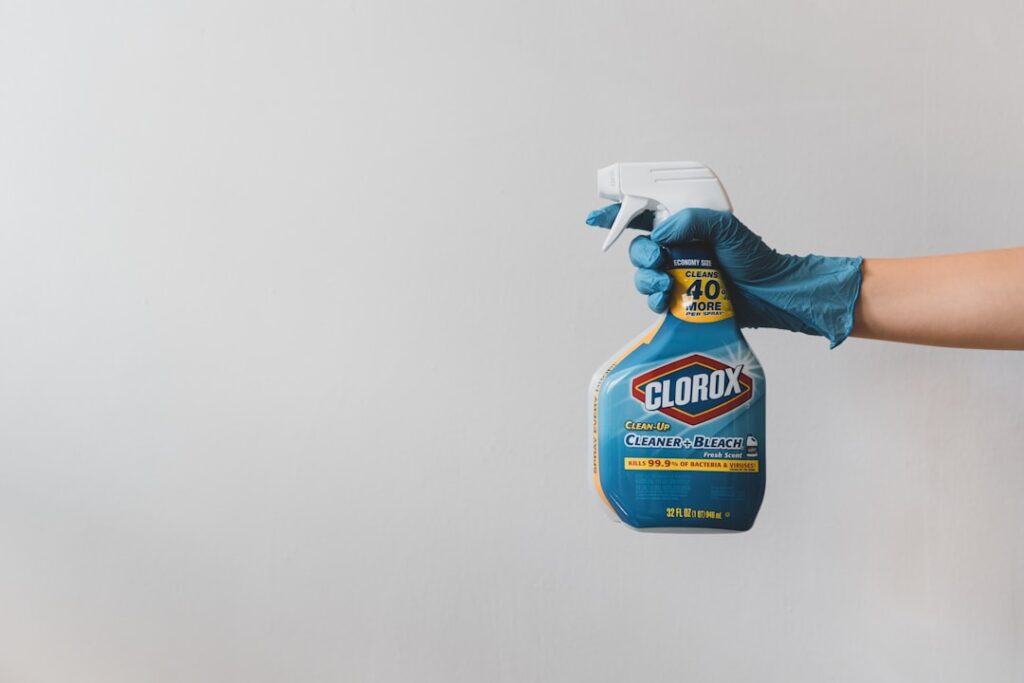
A mildew remover is one of the most-bought cleaning products in any home, and for good reason: mildew shows up fast in bathrooms, on window frames, in laundry left damp, and along grout lines, and it spreads if ignored. The good news is that mildew, unlike deep mold, lives on the surface and clears with the right product and a little technique. The catch is that the same staining keeps returning unless you address the dampness behind it. This guide explains what mildew is, how removers work, which products fit which surfaces, and how to keep the growth from coming back. It summarizes EPA and CDC guidance current as of 2026; consult your physician about symptoms and a certified professional for any large or recurring mold problem.
Part of our Mold Removal & Remediation guide — start there for the full picture →
Is this mold, asbestos, or water damage? Get a free instant screen
Upload a clear photo of the suspect area. You'll get an instant AI screening opinion and what to do next. This is screening guidance, not a professional determination.
Screening guidance only. AI can be wrong. Confirm asbestos, mold type, or lead with lab testing or a licensed professional before acting.
What Mildew Is and Why It Wipes Off
Mildew is a flat, surface-growing form of mold. It appears as a powdery or downy film, usually gray, white, or yellowish, on damp surfaces. Because it does not penetrate deeply, mildew responds to cleaning far more easily than the raised, fuzzy mold that grows into porous materials. The CDC notes that the practical task is removing the growth and controlling the moisture, not identifying the exact organism. So a mildew remover that lifts the stain and a dry surface afterward is most of the battle.
What a Mildew Remover Is Made to Do
A mildew remover is built around two jobs working together: a biocide kills the living growth, and a cleaning or oxidizing agent lifts the discoloration it leaves behind. That pairing is why a good remover both clears the stain and disinfects the surface in one application, rather than leaving a faint shadow where dead mildew remains. The product is optimized for the flat, surface-level growth that mildew represents, which is exactly why it works so reliably on bathroom tile, glass, and similar nonporous materials.
The design also explains the remover’s boundary. Because it acts on the surface, it cannot follow growth into a porous material, and it does nothing about the moisture that allowed the mildew to appear. A mildew remover is therefore a precise tool for a specific job, surface fungal growth on a cleanable surface, and understanding that scope keeps expectations realistic. Used within its design, it is fast and effective; pushed beyond it, onto saturated drywall or against a chronic humidity problem, it cannot deliver what it was never built to do.
Mildew Versus Mold
The distinction matters because it tells you whether a remover will be enough. Mildew stays on the surface and is typically light-colored and flat. Mold can be the same surface form, or it can be a deeper green, black, or brown colony that has worked into drywall, wood, or carpet. A mildew remover handles the surface forms of both, but it cannot reach embedded mold. The EPA advises that porous materials which stay contaminated should be removed rather than cleaned. If a “mildew” stain comes back no matter how often you clean it, or the material feels soft, you may be dealing with deeper mold that needs a different approach. Our guide to telling black mold from mildew helps you distinguish the two.
Why Mildew Appears Where It Does
Mildew is not random; it grows wherever warmth, moisture, and a food source meet poor airflow. That combination explains its favorite locations. Bathrooms supply heat and humidity from showers, with grout and caulk offering microscopic footholds. Laundry areas hold dampness in towels, gaskets, and lint. Windows collect condensation when warm indoor air meets cold glass. Closets and corners on exterior walls trap still, humid air against cool surfaces where it lingers long enough for mildew to establish.
Recognizing the conditions, rather than just the stain, points toward both removal and prevention. A surface that mildews repeatedly is telling you that one of the three ingredients, usually moisture or airflow, is out of balance there. You can clear the growth with a remover, but the spot will return until you change the condition: run the fan, circulate the air, dry the surface, or lower the humidity. Reading mildew as a symptom of local dampness turns a recurring chore into a solvable problem, because the remover handles the visible growth while the condition change keeps it from coming back.
Types of Mildew Remover and Their Surfaces
Bleach-Based Removers
Sodium hypochlorite is the classic mildew remover. It bleaches out staining quickly and works best on hard, nonporous bathroom surfaces such as tile, glass, and fiberglass. It needs ventilation, and it must never be mixed with ammonia or acidic cleaners, which produces toxic gas.
Hydrogen Peroxide Removers
Peroxide-based removers oxidize mildew with much less odor than bleach and break down into water and oxygen. They suit households sensitive to fumes and work well with adequate dwell time on the surface.
Quat and Botanical Removers
Quaternary ammonium products disinfect and leave a residual film. Botanical removers use actives such as thyme oil or citric acid. Both offer lower-odor cleaning and handle surface mildew, though heavy staining may need extra scrubbing.
Choosing the Right Remover Form
Mildew removers come in several forms, and the form often matters as much as the active ingredient. Trigger sprays are convenient for quick, flat surfaces but run off vertical grout and caulk before the contact time elapses. Foaming and gel removers cling to vertical and overhead surfaces, holding the active ingredient in place long enough to work, which makes them the better choice for shower grout and tub caulk. Concentrates suit larger areas and lower the cost per use, with the requirement of correct dilution.
For laundry and fabrics, a remover designed as a laundry additive is the right form rather than a hard-surface spray. For a quick spot on a windowsill, a wipe or small spray is enough. Matching the form to the surface and the orientation, gel for vertical lines, spray for flat surfaces, additive for fabric, gets the active ingredient where it needs to be for as long as it needs to be there. This small choice is the difference between a remover that clears a stain on the first pass and one that seems weak only because it never stayed in contact.
How to Use a Mildew Remover Safely
Technique separates a clean result from a smeared one. Ventilate the room to the outdoors and put on an N95 respirator, gloves, and eye protection, as the CDC and EPA recommend. Pre-clean any soap scum or grease, since biocides bind to grime and lose strength on dirty surfaces. Apply the remover evenly, then let it dwell for the label’s contact time instead of wiping immediately. Scrub grout and textured areas with a stiff brush. Wipe away the residue, rinse, and dry the surface thoroughly. People with asthma, allergies, or weakened immunity should not do the work, and any area larger than about 10 square feet calls for professional help under EPA guidance. For a step-by-step household routine, the home mildew remover walkthrough covers the process in order.
When “Mildew” Is Actually Deeper Mold
A remover assumes you are dealing with true surface mildew, but sometimes the label on the problem is wrong. If a stain returns within days of cleaning, spreads despite treatment, or sits on a material that feels soft or smells musty even when dry, you may be facing mold that has grown into the substrate rather than flat mildew on the surface. A remover cannot reach embedded growth, and the EPA advises removing porous materials that stay contaminated rather than repeatedly cleaning them.
The signs are worth knowing because they change the response. Flat, light-colored growth that wipes away and stays gone was genuine mildew, well handled by a remover. Raised, fuzzy, dark, or rapidly recurring growth, especially on drywall, wood, or behind a wall, points to deeper mold that needs material removal and a moisture fix. Treating deep mold as if it were mildew leads to endless cleaning with no lasting result. Knowing the difference tells you when the remover is the right tool and when the problem has outgrown it and warrants a closer look.
The Surfaces That Trap Mildew
Mildew favors warm, damp, poorly ventilated spots. Bathroom tile and grout, shower curtains and liners, window sills and frames where condensation collects, laundry and towels left damp, and the rubber gaskets of front-loading washers are the usual hotspots. Grout is the trickiest because it is porous and can hold staining even after the live mildew is gone; a grout-safe cleaner and a brush handle most of it, and persistent staining may need the grout resealed.
Mildew on Fabric, Grout, and Caulk
Mildew is not confined to hard surfaces, and the material it grows on changes the approach. On fabric, shower curtains, upholstery, and clothing left damp, mildew can stain and weaken fibers. Washable fabrics often recover with laundering and a mildew-targeted laundry additive, while heavily affected porous textiles may not fully clean, since the growth works into the weave. Acting quickly, before the mildew sets, gives the best chance of saving the item.
Grout and caulk are the hard-surface equivalents of fabric, porous enough to hold staining after the live mildew is gone. A grout-safe remover and a stiff brush clear most grout, and resealing afterward slows recurrence. Silicone caulk around tubs and sinks is trickier; once mildew has rooted into aging caulk and discolored it permanently, the durable fix is to cut out the old caulk and apply a fresh, mildew-resistant bead. Recognizing when a surface can be cleaned versus when it needs replacing saves the frustration of scrubbing a stain that will never lift.
How a Remover Actually Lifts the Stain
Understanding the mechanism helps you use a remover better. A mildew remover works in two ways at once: the biocide kills the living growth, and the surfactant or oxidizer lifts the discoloration the growth left behind. Killing alone does not erase the stain, which is why a product that only disinfects can leave a gray shadow even after the mildew is dead. The lifting action, whether oxidation by bleach or peroxide or the loosening action of a detergent, is what restores the surface to clean.
This two-part action explains the importance of contact time and agitation. The biocide needs minutes on the surface to kill, and the staining often needs a brush to release from a textured surface or grout line. Rushing either step leaves a partial result. The EPA also notes that dead mildew residue can still cause reactions, so removing the lifted material rather than leaving it in place matters for health as well as appearance. Worked properly, the remover both kills and clears, which is the result homeowners actually want.
Preventing Mildew From Returning
Removal is temporary without moisture control. The EPA recommends keeping indoor relative humidity between 30 and 50 percent and running exhaust fans during and after showers and cooking. Wipe down wet shower walls, hang towels to dry, leave the bathroom door open after bathing, and clean front-loader gaskets regularly. In Front Range homes, winter condensation on cold windows and walls plus humidity from evaporative coolers are frequent mildew triggers despite the dry outdoor climate. Treat the remover as cleanup and the ventilation as prevention. When surface cleaning keeps failing, the mold inspection and testing resource explains how a professional locates the hidden moisture behind the recurrence.
References
- Mold Cleanup in Your Home — U.S. Environmental Protection Agency
- You Can Control Mold — Centers for Disease Control and Prevention
- A Brief Guide to Mold, Moisture and Your Home — U.S. Environmental Protection Agency
Frequently asked questions
What is the best mildew remover for bathroom tile?
For hard, nonporous tile and grout, a bleach-based remover lifts staining fast, while hydrogen peroxide and botanical products offer lower-odor options. Pre-clean soap scum first, respect the label dwell time, then rinse and dry.
Is mildew the same as mold?
Mildew is a flat, surface form of mold that wipes off relatively easily. Mold is the broader category and can grow deeper into porous materials. A mildew remover handles surface growth but cannot reach embedded mold.
Why does mildew keep coming back?
Recurring mildew signals excess moisture. Keep indoor humidity between 30 and 50 percent, run exhaust fans, and dry wet surfaces. The remover clears the stain, but ventilation and moisture control prevent the return.
Can I use a mildew remover without a mask?
It is not advised. Cleaning disturbs spores and chemical fumes. The CDC and EPA recommend an N95 respirator, gloves, and eye protection, with ventilation to the outdoors. People with asthma should avoid the task.
Front Range homeowners battling recurring mildew can get in touch through our contact page to connect with a qualified local inspector who can trace the moisture behind it.