Mold Abatement Services: What They Cover and Cost
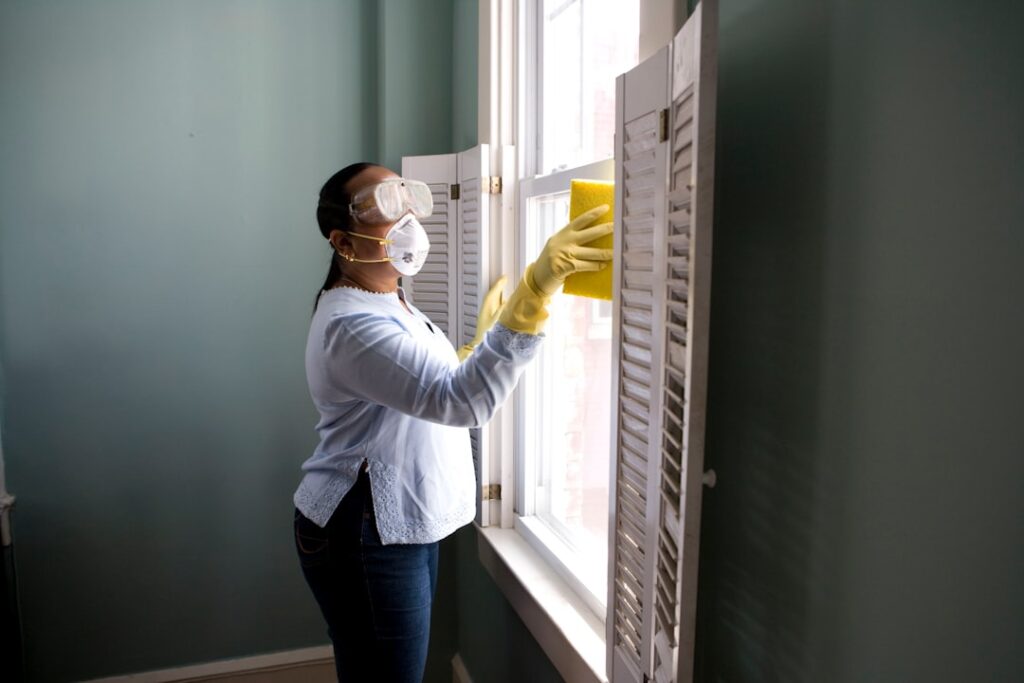
The phrase mold abatement services sounds technical, and homeowners often wonder whether it differs from remediation or removal. In practice the terms overlap heavily — abatement refers to the controlled reduction and elimination of mold contamination through containment, removal, cleaning, and verification. What matters more than the label is understanding the process, the cost drivers, and how to hire a provider that does the job correctly. This guide summarizes EPA and CDC guidance current as of 2026; consult a physician for symptoms and a certified professional for testing and abatement decisions.
Is this mold, asbestos, or water damage? Get a free instant screen
Upload a clear photo of the suspect area. You'll get an instant AI screening opinion and what to do next. This is screening guidance, not a professional determination.
Screening guidance only. AI can be wrong. Confirm asbestos, mold type, or lead with lab testing or a licensed professional before acting.
What are mold abatement services?
Mold abatement services are professional interventions that reduce or eliminate mold contamination in a building while controlling the spread of spores during the work. The process follows the framework the EPA describes for any mold cleanup: assess the extent and find the moisture source, contain the area, remove contaminated porous materials, clean salvageable surfaces, dry everything thoroughly, and verify the result. “Abatement,” “remediation,” and “removal” are largely interchangeable in common usage, though “removal” emphasizes the demolition step and “abatement” emphasizes the overall reduction of contamination.
The defining feature of professional abatement — versus DIY cleaning — is containment and HEPA filtration. These keep spores from migrating to clean areas during removal, which is the step a homeowner with a spray bottle and a box fan cannot replicate.
What the abatement process covers
A legitimate abatement engagement moves through defined phases.
Assessment and moisture source
Every durable abatement starts by finding why the mold grew. Technicians use moisture meters and thermal imaging to map growth and trace the water — a leak, condensation, or chronic humidity. The CDC and EPA both stress that moisture control is the foundation; abatement without a moisture fix simply repeats. For how diagnosis fits into the broader picture, see the mold inspection and testing hub.
Containment
Crews build plastic barriers and establish negative air pressure with HEPA air scrubbers so spores released during removal cannot reach clean spaces. HVAC vents are sealed to keep the duct system clear.
Removal of contaminated materials
Porous materials with real growth — drywall, ceiling tile, carpet, padding, insulation — are removed and bagged, typically cut at least a foot beyond the visible growth. Materials are misted first to suppress airborne spores. Solid wood framing is often salvageable through cleaning.
Cleaning and drying
Remaining surfaces are HEPA-vacuumed and damp-wiped, and the space is dried with dehumidifiers and air movers until moisture readings normalize. The EPA targets drying wet materials within 24–48 hours to prevent regrowth.
Clearance verification
An independent assessor often performs a visual inspection and clearance air sampling, comparing indoor counts to an outdoor baseline, before the space is rebuilt. This confirms the abatement worked.
What mold abatement services cost
Costs scale with the size of the affected area, the type and volume of material removed, access difficulty, and whether reconstruction is included. Industry estimates commonly range from a few hundred dollars for a small contained job to several thousand for whole-room or basement abatement, with extensive contamination running higher. Basement projects, where mold often spreads across framing and finished walls, sit toward the upper end — our breakdown of basement mold removal cost shows how the variables stack up.
Obtain itemized scopes from at least two providers and compare what each includes. A bid that omits containment, moisture repair, or clearance verification is not genuinely cheaper — it just defers cost to the inevitable repeat.
Abatement, remediation, and removal: the terms untangled
The overlapping vocabulary causes real confusion, so it helps to pin down the usage. “Abatement” emphasizes reducing and controlling contamination overall, a term borrowed from the asbestos and lead world where it carries regulatory weight. “Remediation” is the broad, commonly used term for the whole corrective process. “Removal” specifically denotes the demolition step where contaminated porous materials are taken out. In everyday practice, providers and homeowners use all three loosely and often interchangeably, and no universal legal distinction governs them for residential mold the way it does for asbestos. What matters is not the label on the invoice but whether the work follows the EPA’s framework — assess, contain, remove, clean, dry, verify — and whether it addresses the moisture source. Judge providers on process, not terminology.
The equipment that defines professional abatement
Several pieces of equipment separate genuine abatement from a homeowner-scale effort:
- HEPA air scrubbers create negative pressure and filter spores from the work-zone air, capturing particles down to 0.3 microns.
- HEPA vacuums remove settled spores from surfaces without exhausting them back into the room, as a standard shop vacuum would.
- Commercial dehumidifiers and air movers dry structural materials quickly and thoroughly.
- Containment barriers of plastic sheeting isolate the work zone from occupied space.
- Moisture meters and thermal cameras map dampness and verify drying.
The HEPA filtration is the linchpin: it is what allows material to be removed without spreading spores throughout the building, and it is precisely what a homeowner with a box fan cannot replicate.
How to vet a mold abatement provider
The quality of the provider determines whether the abatement holds. Evaluate candidates on:
- Certifications and licensing: Recognized industry credentials and any state requirements.
- Insurance: Liability coverage appropriate to demolition work.
- Written scope: Itemized phases including containment, removal, drying, moisture repair, and clearance.
- Independent clearance: Prefer providers who support third-party post-abatement verification.
- References: Recent, verifiable jobs comparable to yours.
A provider who resists a written scope or dismisses clearance testing is cutting the corners that matter most. For broader hiring guidance, our overview of mold removal specialists covers what a quality engagement looks like.
The moisture source decides whether abatement lasts
No abatement, however thorough, keeps mold away if the water remains. Mold needs sustained moisture, so the source must be repaired — by the abatement crew, a plumber, or another trade — before reconstruction. Along the Front Range, common sources include foundation seepage, swamp-cooler condensation, ice-dam leaks during snowmelt, and bathrooms with weak ventilation. Rebuilding over an unrepaired leak guarantees a repeat project. This is the single most important thing to confirm is in your provider’s scope.
DIY versus professional abatement
The EPA suggests homeowners can handle areas under roughly 10 square feet on hard surfaces with proper protection. Professional abatement services are warranted when growth exceeds that, when mold is inside HVAC ducts, when it follows flooding or sewage, when materials are saturated, or when occupants have respiratory conditions. The professional advantage is containment, HEPA filtration, and clearance verification — protections that determine whether the work is genuinely complete or merely cosmetic.
What to expect on abatement day
Knowing the day-of sequence helps homeowners prepare and judge the work. The crew arrives and reviews the scope, then sets up containment — sealing the work area with plastic and establishing negative pressure with air scrubbers. Occupants and pets are kept clear of the containment, and HVAC vents within it are sealed. The team suits up in respirators and protective clothing, mists surfaces to suppress spores, and removes contaminated materials into sealed bags carried out by the shortest exterior route. Salvageable surfaces are HEPA-vacuumed and cleaned, and drying equipment is positioned. On larger jobs this spans several days, with the crew often leaving dehumidifiers running between visits. The project closes when moisture readings normalize, the source is repaired, and — ideally — independent clearance confirms the air is clean.
Preparing your home for the crew
A little preparation makes the work faster and cheaper. Clear access to the affected area by moving furniture and stored items the crew would otherwise have to relocate on billable time. Identify and, where possible, arrange repair of the moisture source in advance so the abatement is not undone by an ongoing leak. Plan for the affected area to be off-limits during the work, and arrange alternate space if the project is large or central to the home. Secure pets away from containment, since the barriers and equipment are easily disturbed. Confirming these details with the provider beforehand avoids surprises and keeps the project on schedule.
When to call for abatement services
Reach out to a professional when visible growth is extensive, when a musty smell signals hidden contamination, when ductwork is involved, when water damage has saturated building materials, or when previous cleanup attempts have failed. Acting promptly limits both the spread and the eventual cost. The earlier abatement begins, the less material has to be removed and rebuilt.
Abatement versus DIY: drawing the line
The dividing line between professional abatement and homeowner cleanup comes down to scale, location, and exposure rather than the mold itself. The EPA’s roughly 10-square-foot guideline is the starting point: smaller surface growth on hard materials is reasonable for a careful homeowner, while larger areas warrant professional handling. Location matters too — mold inside HVAC ducts, behind finished walls, or in crawlspaces requires equipment and access most homeowners lack. Exposure is the third factor: contamination from sewage or flooding, or any situation involving occupants with respiratory conditions or weakened immunity, calls for professional containment regardless of size. The professional advantage is not a better chemical but better control: negative-pressure containment, HEPA filtration, structural drying, and clearance verification. When any of these is needed, abatement services are the right call; when the job is a small, accessible, hard-surface patch, careful DIY plus a moisture fix suffices.
Verifying the work is complete
The end of an abatement project should be objective, not a handshake. Clearance verification — a visual inspection plus air sampling compared to an outdoor baseline, ideally by an independent assessor — confirms the work succeeded before reconstruction and before occupants return. Without it, “done” rests on appearance alone, which can hide residual contamination or an unaddressed moisture source. Reputable providers welcome independent clearance because it documents that the job met standard and protects them as much as the homeowner. Insist on it for any significant abatement, and keep the clearance report alongside the scope and invoices as a record of what was done and verified.
That documentation has practical value beyond peace of mind. It supports any insurance claim tied to the original water event, it answers questions if you later sell the home and a buyer’s inspection raises the area, and it provides a baseline if mold ever recurs. Treat the paperwork as part of the deliverable, not an afterthought — a thorough provider produces it as a matter of course, and a reluctance to document is itself a reason to reconsider the choice. Keeping a complete file — assessment, scope, daily progress, photographs, and clearance results — turns an abatement from a one-time expense into a documented improvement you can point to for years. That record is often what separates a smooth future home sale or insurance interaction from a contested one, which is why the strongest providers treat documentation as part of the deliverable rather than a favor.
References
- Mold Cleanup in Your Home — U.S. Environmental Protection Agency
- Mold Remediation Guidance — U.S. Environmental Protection Agency
- About Mold and Your Health — Centers for Disease Control and Prevention
- Mold and Dampness — American Lung Association
If your Front Range home needs professional mold abatement, a vetted local provider can scope and verify the work properly — reach out through our contact page.