Identifying Mold Types: A Homeowner Field Guide
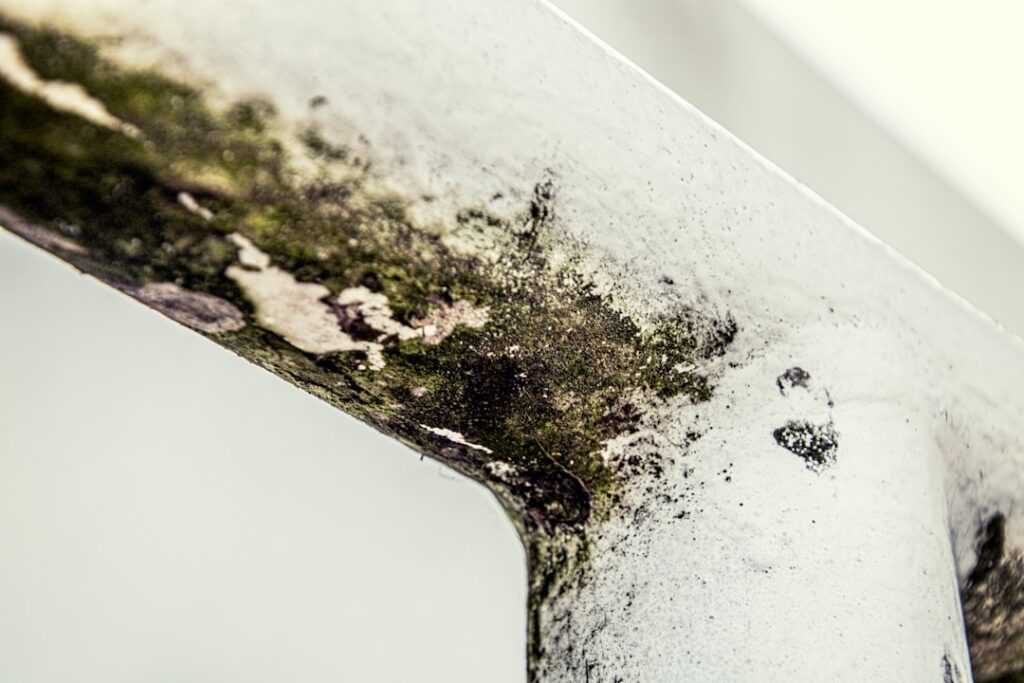
Homeowners often want to put a name to the mold on a wall, hoping the species will tell them how worried to be. Identifying mold types is partly possible by eye, through color, texture, and location, but it has real limits, since many molds look alike and only lab analysis confirms a species. This guide explains what visual identification can and cannot reveal, the common types you may encounter, and when testing is worth the cost. It summarizes EPA and CDC guidance current as of 2026; consult a certified professional for testing and your physician for any health symptoms.
Part of our Types of Mold guide — start there for the full picture →
Is this mold, asbestos, or water damage? Get a free instant screen
Upload a clear photo of the suspect area. You'll get an instant AI screening opinion and what to do next. This is screening guidance, not a professional determination.
Screening guidance only. AI can be wrong. Confirm asbestos, mold type, or lead with lab testing or a licensed professional before acting.
Can you identify mold types by sight?
You can narrow the possibilities by sight, but you cannot confirm a species. Color, texture, and where the mold grows offer clues that experienced inspectors use to form a working guess. A black slimy patch in a chronically wet area suggests different organisms than a powdery green film on a damp windowsill.
The honest limit is that many molds share appearances, and the same species can look different depending on the surface and its age. Visual identification guides your response and urgency, not a definitive label. For a focused look at the molds specific to wet rooms, our guide to bathroom mold types covers that niche, while this guide spans the whole house.
Identifying mold by color
Color is the first clue most people notice. Black or dark-green growth often appears where moisture is heavy and persistent, on drywall, wood, and grout. Green molds in various shades are among the most common indoor types, showing on damp walls, food, and organic material. White molds can look powdery or cottony and sometimes get mistaken for efflorescence, the mineral salt deposit on masonry.
Other colors carry their own hints. Yellow and orange growths sometimes appear on wood and damp wood-based materials, while pink or salmon films, common in bathrooms, are frequently bacteria rather than true mold. Color suggests a family, not a verdict. Our broader catalog of the different types of mold maps these colors to common organisms.
Why color alone can mislead
The same mold can shift color as it matures or as it grows on different surfaces, and unrelated molds can share a hue. The CDC notes that all indoor mold should be removed regardless of color, which means the practical response rarely hinges on the exact shade. Color is a starting point for understanding, not a basis for deciding whether mold is safe.
Identifying mold by texture
Texture refines the read. Fuzzy or cottony growth suggests one group of molds, while slimy or wet-looking growth suggests organisms that thrive in heavy moisture. Powdery surfaces point toward yet another group, and the dry, dusty look of some molds distinguishes them from the glistening sheen of others.
Texture also separates mold from look-alikes. Efflorescence is crystalline and dissolves in water, while mold is organic and does not. Soot is flat and smears greasily. A raised, three-dimensional quality you can see at an angle in good light usually signals living mold rather than a flat stain.
Identifying mold by location
Where mold grows is one of the most useful clues, because location reflects the moisture source. Mold low on a basement wall points to groundwater or foundation seepage. Growth on cold exterior walls and ceilings suggests condensation. Patches around windows indicate leaks or condensation on the glass.
Bathroom and kitchen walls often hide plumbing leaks, while attic sheathing mold ties to ventilation problems. Reading location helps you find the cause, which matters more than the species name for fixing the problem. The mold inspection and testing hub explains how location guides the search for hidden moisture.
When lab testing is worth it
Lab analysis is the only way to confirm a species, but most homeowners do not need it. Since the EPA and CDC advise removing all indoor mold regardless of type, knowing the exact species rarely changes the cleanup. Testing makes sense in specific situations rather than as a routine first step.
Testing helps when a health condition makes the species relevant, when a real estate transaction or insurance claim demands documentation, when mold is suspected but not visible, or to verify that remediation succeeded. In those cases, sampling by a qualified party provides a defensible record. Our guide to choosing a mold inspector near you covers how testing should stay independent of any remediation sale.
Why species matters less than moisture
The recurring theme in mold identification is that the moisture behind the mold matters more than its name. Every common indoor mold needs sustained dampness, so the durable fix is always the same: remove the growth and correct the water source. A precise species label does not change that prescription.
This is why professionals spend more time tracing moisture than naming organisms. Whether a wall hosts one green mold or another, the remediation and the prevention are driven by the leak, condensation, or humidity feeding it. Identifying the type satisfies curiosity and occasionally a documentation need, but the cure is moisture control.
How to respond once you have identified mold
Once you recognize mold, respond proportionally. Small surface patches under about 10 square feet on hard surfaces are usually within a careful homeowner’s reach with proper protection. Larger areas, porous materials, hidden growth, and any link to flooding call for professional assessment.
Resist the urge to over-interpret color or texture into a panic. The presence of mold and the moisture feeding it are what matter, not whether you can name the species. Identify enough to gauge scale and urgency, fix the moisture, remove the growth safely, and call a professional when the problem proves larger than a surface patch.
Distinguishing mold from common look-alikes
A useful identification skill is ruling out the things mistaken for mold. Efflorescence, the white crystalline deposit on basement walls and masonry, is mineral salt left by evaporating water, not a living organism, and it dissolves in water while mold does not. Soot and dust form flat, even layers that wipe away cleanly.
Water stains are another frequent false alarm. They appear as flat, often ring-shaped marks with crisp edges and no texture, unlike the raised, fuzzy quality of mold. A simple test of dabbing the spot with diluted detergent helps: mold often smears or lightens, while a mineral deposit or stain behaves differently. Confirming you are actually looking at mold prevents wasted effort and unnecessary worry.
How professionals identify mold
Inspectors combine visual assessment with tools and, when warranted, sampling. They read color, texture, and location to form a working judgment, then use moisture meters to find the dampness feeding the growth and sometimes thermal imaging to reveal hidden wet areas behind surfaces. This moisture mapping often matters more than naming the organism.
When identification of the species is genuinely needed, professionals collect samples for laboratory analysis under controlled conditions. The lab examines the sample under magnification to identify the mold present. Because sampling and interpretation require care to be meaningful, this is where professional involvement adds value beyond what a homeowner can determine by eye.
Types of mold sampling and testing
Mold testing comes in a few forms, each answering a different question. Air sampling measures spore levels in the air, useful for assessing overall conditions and comparing affected to unaffected areas. Surface sampling, by swab or tape lift, identifies what is growing on a specific spot. Bulk sampling analyzes a piece of the material itself.
Each method has appropriate uses and limits. Air sampling can vary with conditions and timing, so interpreting it requires context, such as comparing indoor to outdoor levels. Surface and bulk sampling confirm what is present on a given surface but say nothing about the air. Understanding what each test does and does not reveal keeps homeowners from over-reading a single result.
When identification changes the response
For most household mold, the species does not change the cleanup, since all indoor mold is removed and the moisture corrected regardless. There are exceptions where identification genuinely matters. A documented species can inform medical decisions when a household member has a relevant health condition, in consultation with a physician.
Identification also serves documentation needs. Real estate transactions, insurance claims, and landlord-tenant disputes sometimes require a defensible record of what was present and at what levels. In these cases, qualified sampling provides evidence that visual assessment cannot. Outside such situations, though, energy spent identifying the exact mold is better spent removing it and fixing the moisture.
Building a practical identification habit
Homeowners benefit from a simple, repeatable way to assess mold rather than a botanist’s precision. Note the color, the texture, the location, and any musty odor, then rule out look-alikes like efflorescence and stains. Use that read to judge two things: how large the problem is and what moisture source is likely feeding it.
That practical assessment drives the right response. Small surface patches on hard surfaces in dry rooms are usually do-it-yourself work; large areas, porous materials, hidden growth, or any link to flooding call for professional help. Identifying enough to gauge scale and source, without obsessing over the species name, is the habit that serves homeowners best.
The limits of at-home mold test kits
At-home mold test kits promise easy identification, but their results require careful interpretation. Settling-plate kits, which leave an agar dish open to collect spores, almost always grow something, since mold spores are present in normal indoor air everywhere. A positive result therefore confirms little on its own and can cause unnecessary alarm.
The missing piece is context. Meaningful testing compares affected areas against unaffected or outdoor baselines and is interpreted by someone who understands normal spore levels. A kit that grows mold without that comparison cannot tell you whether you have a problem. For most homeowners, visible growth and a musty smell are more actionable signals than an unreferenced kit result.
How identification guides prevention
Identifying mold by location is most valuable for prevention, because the spot reveals the moisture source to fix. Mold low on a basement wall directs you to foundation moisture and drainage, attic sheathing mold points to ventilation, and bathroom growth implicates the exhaust fan. The type matters less than the water story the location tells.
Acting on that story is what prevents recurrence. Once you trace the growth to its moisture source and correct it, the specific mold loses the dampness it needs and does not return. This is why experienced inspectors treat identification mainly as a means of finding moisture, since solving the water problem is what keeps any mold, named or not, from coming back.
Keeping identification in perspective
It is easy to get drawn into naming the exact mold on a wall, but perspective serves homeowners better than precision here. The presence of mold and the moisture feeding it drive the response, while the species name rarely changes what you do. Both the EPA and CDC frame the action around removal and moisture control regardless of type.
Holding that perspective prevents two opposite errors. It guards against panic, since not every dark patch is a uniquely dangerous toxin, and against complacency, since all indoor mold warrants removal. Identify enough to judge scale and trace moisture, address the water source, remove the growth safely, and bring in a professional when the problem outgrows a surface patch.
References
- A Brief Guide to Mold, Moisture and Your Home — U.S. Environmental Protection Agency
- About Mold and Health — Centers for Disease Control and Prevention
- Mold Cleanup in Your Home — U.S. Environmental Protection Agency
- Mold Inspection Standards — International Association of Certified Home Inspectors
Frequently asked questions
Can I identify mold types just by looking?
You can narrow the possibilities by color, texture, and location, but you cannot confirm a species by sight, since many molds look alike and the same species varies by surface and age. Visual cues guide your response and urgency, not a definitive label.
Does the color of mold tell me if it is dangerous?
Not reliably. The same mold can change color as it matures, and unrelated molds share hues. The CDC advises removing all indoor mold regardless of color, so the response rarely depends on the exact shade.
When should I pay for lab testing of mold?
Testing makes sense when a health condition makes the species relevant, when a sale or insurance claim needs documentation, when mold is suspected but hidden, or to verify remediation worked. For routine visible mold, the cleanup is the same regardless of species.
Why does moisture matter more than the mold species?
Every common indoor mold needs sustained dampness, so the fix is always to remove the growth and correct the water source. A precise species name does not change that, which is why professionals focus on tracing moisture rather than labeling organisms.
If you are on the Front Range and want help identifying mold and the moisture behind it, reach out through our contact page for a connection to a qualified local inspector.
DIY mold test kits
A test kit can confirm whether a suspect patch is mold and (with lab analysis) what type — though visible mold over ~10 sq ft generally warrants a professional.
| Product | Why | Buy |
|---|---|---|
 DIY Mold Test (lab included) DIY Mold Test (lab included) | Surface + air-sampling options. | Amazon — $49.99 |
 Healthful Home 5-Minute Mold Test Healthful Home 5-Minute Mold Test | Rapid screening strips. | Amazon — $35.47 |
 Mold Test Plates (DIY petri dishes) Mold Test Plates (DIY petri dishes) | Settle-plate style sampling you culture at home. | Amazon — $22.99 |