Types of Mold: What Homeowners Need to Know in 2026
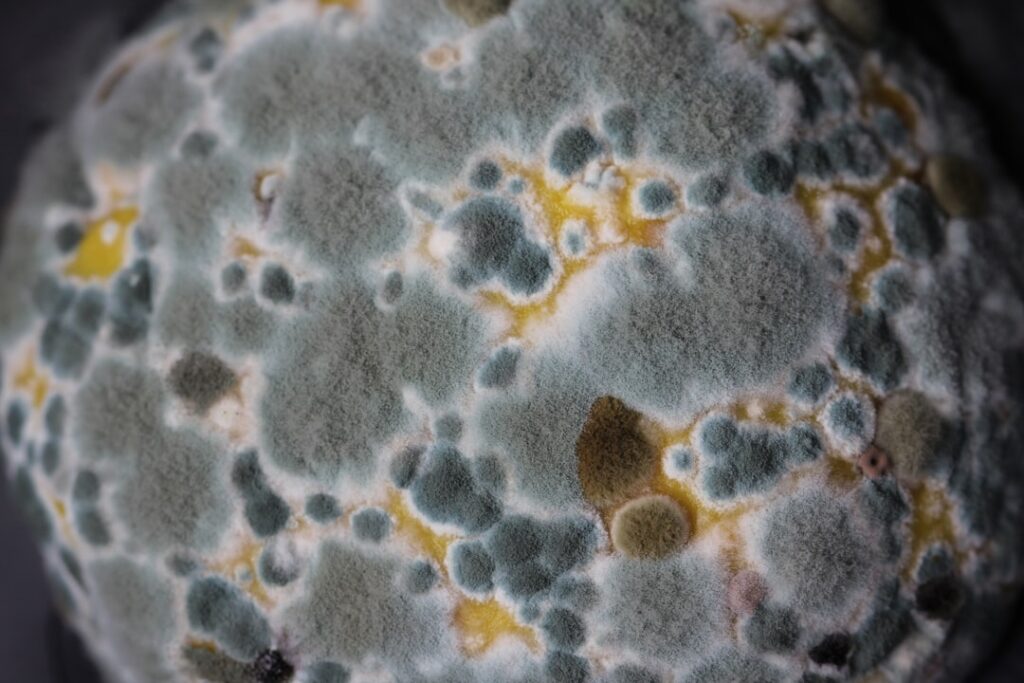
Homeowners researching “types of mold” usually want a practical reference: which fungal genera show up in homes, what each one looks like, which are most concerning for health, and when laboratory identification is worth the cost. Hundreds of fungal species can establish indoors under the right moisture conditions, but a small set of genera dominate residential findings. Knowing the major players, their visual signatures, and their general health profiles helps homeowners interpret lab reports and prioritize remediation. This guide summarizes EPA, CDC, NIH/NIEHS, and peer-reviewed mycology guidance current as of 2026 — consult your physician for symptoms and a certified professional for testing decisions.
Is this mold, asbestos, or water damage? Get a free instant screen
Upload a clear photo of the suspect area. You'll get an instant AI screening opinion and what to do next. This is screening guidance, not a professional determination.
Screening guidance only. AI can be wrong. Confirm asbestos, mold type, or lead with lab testing or a licensed professional before acting.
How types of mold are categorized
Mycologists categorize indoor molds by three overlapping frameworks. The first is genus and species — taxonomic identification through spore morphology, hyphal structure, or DNA sequencing. The second is health effect — toxigenic species produce mycotoxins, allergenic species trigger immune responses without toxicity, and pathogenic species can cause infections in immunocompromised hosts. The third is ecological role — water-damage indicators thrive on saturated cellulose, surface contaminants persist on damp paint and tile, and HVAC-zone fungi colonize cool damp metal and accumulated dust.
A single species often fits multiple categories. Aspergillus fumigatus, for example, is both allergenic and pathogenic. Stachybotrys chartarum is primarily toxigenic but also allergenic. The frameworks are interpretive aids, not rigid boxes.
Stachybotrys chartarum — the “black mold”
Stachybotrys chartarum is the species most associated with the popular term “toxic black mold.” Colonies appear dark olive-green to black, often slimy when actively growing on wet cellulose substrates. Stachybotrys produces macrocyclic trichothecene mycotoxins under certain growth conditions, which is the basis for its toxigenic classification. Health effects from inhalation exposure have been associated with respiratory irritation, headaches, fatigue, and worsening asthma in sensitive individuals. The CDC notes that the popular 1990s link between Stachybotrys and infant pulmonary hemorrhage cases could not be confirmed in subsequent epidemiological review.
Stachybotrys is slower-growing than most household molds and typically requires days to weeks of continuous wetness on cellulose to establish. It is rarely the first colonizer of a wet surface — faster-growing genera like Penicillium usually arrive first. The in-batch how to get black mold guide covers Stachybotrys characteristics in detail.
Aspergillus — the most common indoor mold
Aspergillus is one of the most common indoor mold genera worldwide, with hundreds of species. Common indoor species include Aspergillus niger (black powdery colonies), Aspergillus flavus (yellow-green), and Aspergillus fumigatus (gray-green). Aspergillus fumigatus is clinically significant because it can cause invasive aspergillosis in immunocompromised patients — a serious infection requiring antifungal treatment. Most Aspergillus species are primarily allergenic, triggering rhinitis, sinusitis, and asthma symptoms in sensitive individuals. The NIH/NIEHS documents that Aspergillus exposure is one of the more clinically relevant indoor mold concerns for people with respiratory conditions.
In lab reports, Aspergillus is typically counted together with Penicillium under the combined “Penicillium/Aspergillus” category because their spore shapes overlap under microscopy. Species-level identification requires culture or PCR.
Penicillium — the water-damage indicator
Penicillium is the genus most commonly elevated in indoor air samples from water-damaged buildings. Colonies are typically blue-green to green with a powdery texture and grow on a wide range of substrates including damp drywall, wallpaper, carpet, and stored food. Penicillium species are primarily allergenic, contributing to upper respiratory symptoms, sinusitis, and asthma exacerbation in sensitive individuals. Some species produce mycotoxins under specific conditions, though clinical significance varies. Penicillium is often the first colonizer of newly-wet surfaces, appearing within 24-48 hours of sustained moisture.
Elevated Penicillium/Aspergillus counts on air samples are one of the strongest signals of indoor water damage, regardless of whether Stachybotrys is also present.
Cladosporium — the outdoor-indoor crossover
Cladosporium is one of the most abundant outdoor mold genera in most North American airsheds and consistently appears as a top-three genus on outdoor air samples. Indoor colonies appear olive-green to brown to black on a range of substrates including painted surfaces, tile grout, window frames, and HVAC components. Cladosporium is primarily allergenic, triggering rhinitis and asthma symptoms similar to other airborne allergens. Indoor counts that match outdoor counts indicate normal infiltration, not indoor amplification — high Cladosporium alone is rarely a remediation trigger.
Cladosporium that forms visible growth on indoor surfaces, however, indicates sustained surface moisture that warrants source identification regardless of the genus involved.
Alternaria — the allergenic outdoor fungus
Alternaria is another common outdoor genus with strong allergenic potential. Indoor findings concentrate on damp surfaces around windows, bathrooms, and HVAC components. Colonies are typically dark olive-green to black with a velvety texture, and the spores under microscopy have a distinctive ovate shape with longitudinal and transverse septa. Alternaria is one of the most common triggers for seasonal allergic asthma in the United States, and indoor exposure compounds outdoor sensitization in many patients.
Lab reports listing Alternaria typically reflect outdoor infiltration unless visible indoor growth is also identified. The American Lung Association lists Alternaria among the major fungal allergens.
Fusarium — the HVAC and carpet fungus
Fusarium is less common in residential air samples but warrants attention because of its clinical profile. Several Fusarium species can cause keratitis (corneal infection) in contact lens wearers exposed to contaminated lens solutions or water sources. Fusarium has also been linked to water-damaged HVAC components and persistent damp carpets. Colonies are typically white to pink to purple with a cottony texture. Health effects include allergic reactions and, in immunocompromised hosts, opportunistic infections. Peer-reviewed studies indexed on ncbi.nlm.nih.gov document Fusarium’s medical relevance, particularly in healthcare and contact-lens-related contexts.
Trichoderma — HVAC and surface fungus
Trichoderma is a green-tinted fungus that commonly colonizes HVAC components, wood surfaces, and damp wallpaper. Colonies appear white initially and develop green tones as they mature. Trichoderma produces a range of secondary metabolites including some mycotoxins, though clinical significance for typical residential exposures is less well-characterized than for Stachybotrys or Aspergillus. Identification on lab reports often indicates sustained moisture in HVAC zones or on cellulose substrates.
Chaetomium — paired with Stachybotrys
Chaetomium often appears alongside Stachybotrys on water-damaged cellulose materials. Colonies are typically dark olive-green to black with a cottony or wooly texture, and the spores under microscopy have distinctive lemon shapes with terminal pores. Chaetomium can produce mycotoxins and is generally treated similarly to Stachybotrys in remediation decisions. Lab identification of Chaetomium on an indoor sample is a strong signal of long-term water damage on cellulose substrates.
Basidiospores and Ascospores — the outdoor reference baseline
Two spore categories that consistently appear at high counts on outdoor air samples are Basidiospores (from mushroom-forming fungi) and Ascospores (from sac fungi). Both reflect outdoor fungal activity rather than indoor mold problems, and high indoor counts almost always trace to infiltration from outdoor air. Lab reports typically list these counts alongside the more conventional indoor genera, providing important context for outdoor reference comparison. A homeowner reading an air-sample report should expect to see Basidiospores and Ascospores in both indoor and outdoor counts; their presence is normal.
Mucor and Rhizopus — the “pin molds”
Mucor and Rhizopus are zygomycete fungi sometimes grouped as “pin molds” because of their characteristic sporangiophore structure. Colonies grow rapidly on damp surfaces, food, and decaying organic matter. They produce gray to black fluffy growth that may resemble Stachybotrys to the untrained eye but is distinguished easily under microscopy. Most Mucor and Rhizopus species are primarily allergenic, though invasive mucormycosis is a rare but serious infection that can affect immunocompromised patients — particularly those with poorly controlled diabetes. Lab reports flag these genera when present at indoor counts exceeding outdoor.
How toxigenic, allergenic, and pathogenic categories differ
Three health categories help homeowners interpret what a lab result means. Toxigenic species produce mycotoxins — secondary metabolites that can cause systemic health effects through inhalation, ingestion, or dermal contact in high concentrations. Stachybotrys, Chaetomium, certain Aspergillus, and some Fusarium species fall here. Allergenic species trigger immune responses without producing toxins; most household molds fall in this category, including Cladosporium, Alternaria, Penicillium, and many Aspergillus species. Pathogenic species can cause infections in immunocompromised hosts; Aspergillus fumigatus is the most clinically important indoor example. A single species can belong to multiple categories.
When laboratory identification matters
Genus-level identification through air-cassette or surface tape lift sampling is sufficient for most remediation decisions. Species-level identification (typically through culture or PCR) becomes relevant in three scenarios: medical evaluation of a specific patient by a physician, post-remediation clearance verification where the original problem species needs documented absence, and forensic or legal investigations where specific identification matters for liability. Routine cleanup of visible mold on porous surfaces under 10 square feet rarely requires identification — the EPA and CDC both note that visible growth should be cleaned regardless of species.
The mold detection methodology guide covers sampling and ID techniques in detail, and the mold inspection and testing pillar walks through method selection.
DIY surface swab vs lab PCR culture
Homeowners can collect DIY surface samples — tape lifts or sterile swabs of visible growth — and send them to an AIHA-accredited lab for genus-level identification through direct microscopy. Cost runs $25-$50 per sample with 3-7 business day turnaround. Direct microscopy distinguishes major genera reliably. Species-level identification requires either culture (where the lab grows the fungus on agar and identifies it morphologically) or PCR (which amplifies species-specific DNA). Culture and PCR add $50-$150 per sample and 1-2 weeks of additional turnaround. Most consumer testing stops at genus level because that is enough to guide remediation decisions.
Front Range climate and the types of mold most often seen
Colorado’s semi-arid climate means outdoor air typically carries lower total spore loads than humid-coastal regions. Outdoor reference samples in Front Range counties usually show Cladosporium and Basidiospores dominating, with seasonal Alternaria spikes during late summer and Penicillium increases after rainfall. Indoor amplification cases most often involve Penicillium/Aspergillus elevated above outdoor baseline, with Stachybotrys appearing in roughly 5-15% of confirmed water-damaged buildings depending on substrate and moisture duration. Fusarium and Chaetomium appear less frequently but when present typically indicate long-term substrate saturation. Trichoderma shows up in HVAC-zone samples from homes with chronic condensate issues.
ERMI species list — the 26 indicator molds
The Environmental Relative Moldiness Index (ERMI) developed by the EPA’s environmental research office focuses on 26 indicator mold species grouped into two categories. Group 1 includes 26 species associated with water-damaged buildings, including Stachybotrys chartarum, Chaetomium globosum, several Aspergillus species, several Penicillium species, Trichoderma viride, and Wallemia sebi. Group 2 includes nine species commonly found in normal homes regardless of water damage. The ERMI score compares Group 1 to Group 2 abundance, returning a single number that places the home in a percentile relative to a national database. PCR-based detection makes ERMI relatively repeatable, though sampling-technique variability remains a documented limitation.
How indoor types of mold compare to outdoor air
Outdoor air across most of North America carries thousands of spores per cubic meter at any time, dominated by Cladosporium, Alternaria, Basidiospores, and Ascospores in proportions that vary with season, weather, and geography. Indoor air without amplification reflects this outdoor composition, modified by infiltration patterns and HVAC filtration. The diagnostic question on any lab report is therefore not “are there spores indoors” — there always are — but “do indoor counts and species composition match the outdoor reference, or do they show compositional shifts that suggest indoor amplification.” A homeowner reading the report should focus on the indoor-vs-outdoor ratio for each genus rather than the absolute indoor count.
Why species identification rarely changes home cleanup decisions
For most homeowner scenarios — visible growth on a bathroom ceiling, a small patch behind a sink cabinet, a contained surface area on a basement wall — the species identification adds little practical value beyond satisfying curiosity. The cleanup steps are the same regardless of genus: identify and stop the moisture source, ventilate, wear PPE, scrub non-porous surfaces with detergent and water, replace contaminated porous materials, and verify with a moisture meter. The EPA’s consumer guidance is explicit on this point. Where species identification does change decisions is in clearance testing protocol, medical evaluation for immunocompromised occupants, and insurance or legal documentation.
How types of mold affect remediation scope
Remediation scope is driven primarily by the affected area, the porosity of the substrate, and the moisture source — not by the species identified. The EPA’s 10-square-foot threshold applies regardless of whether the mold is Stachybotrys or Cladosporium. Porous materials with established growth (drywall paper face, carpet pad, ceiling tiles) need to be removed and replaced regardless of genus. The moisture source must be identified and stopped in every case. Species identification can influence two specific decisions: clearance testing protocol and physician consultation for occupants with respiratory conditions.
When to call a professional
Hire a certified inspector when the affected area exceeds the EPA’s 10-square-foot threshold, when species identification is needed for documentation or medical evaluation, when growth is suspected in HVAC or behind walls, or when occupants have asthma or immunosuppression. Verify ASHI, InterNACHI, IICRC, or NAMP credentials and confirm any sampling lab is AIHA-accredited.
References
- Mold and Health — U.S. Environmental Protection Agency
- About Mold and Dampness — Centers for Disease Control and Prevention
- Mold Health Topic — National Institute of Environmental Health Sciences
- Indoor Fungal Exposure Review — National Center for Biotechnology Information
- Mold and Dampness Indoor Air Quality — American Lung Association
Front Range homeowners who want laboratory identification of suspect indoor mold types and a written remediation plan can connect with a vetted local inspector through our contact page.