Mold Types: What Homeowners Need to Know
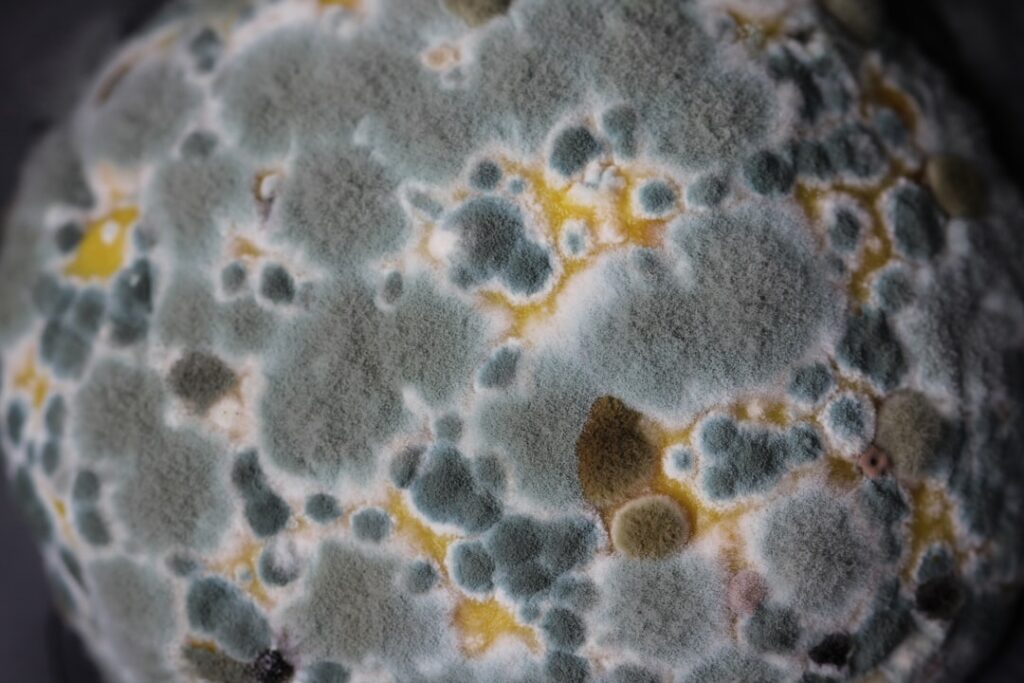
Homeowners who find a discolored patch on a wall or ceiling usually want one answer fast: what kind of mold is this, and how worried should I be? There are thousands of mold species, but only a handful turn up indoors with any regularity. This guide covers the common mold types found in U.S. homes, what each looks like, where it grows, and what the EPA and CDC actually recommend doing about it. This guide summarizes EPA and CDC guidance current as of 2026 and is not medical advice; consult your physician for symptoms and a certified professional for testing decisions.
Is this mold, asbestos, or water damage? Get a free instant screen
Upload a clear photo of the suspect area. You'll get an instant AI screening opinion and what to do next. This is screening guidance, not a professional determination.
Screening guidance only. AI can be wrong. Confirm asbestos, mold type, or lead with lab testing or a licensed professional before acting.
What are the most common mold types in homes?
Indoor mold falls into a few recurring groups. The most frequently identified household molds are Cladosporium, Penicillium, Aspergillus, Alternaria, and Stachybotrys (often called “black mold”). Each looks somewhat different and prefers different conditions, but they share one requirement: moisture. The EPA is direct on this point. There is no practical way to eliminate all mold spores indoors, so the goal is to control the moisture that lets spores grow into visible colonies.
Color alone is an unreliable way to identify a mold type. Many species shift color as they mature, and very different molds can look identical to the eye. Laboratory analysis is the only way to confirm a species.
It also helps to understand why certain types dominate indoors. Mold is opportunistic: whichever spores happen to land on a damp surface with a food source will colonize it. Because Cladosporium, Penicillium, and Aspergillus spores are abundant in ordinary air, they are the usual first arrivals after a leak. Stachybotrys is pickier and needs sustained saturation, so it shows up later and only where water lingers. Knowing this sequence helps you read a situation: light green fuzz appearing fast suggests common molds and a recent moisture event, while dark slimy growth suggests a chronic, unaddressed leak.
Cladosporium
Cladosporium is one of the most common molds both indoors and out. It usually appears olive-green, brown, or black, with a suede-like texture. It grows on painted surfaces, fabrics, wood, and the back of toilets and damp window frames. It tolerates cooler temperatures better than many molds, so it shows up in refrigerators and basements. For most people it is an allergen rather than a toxic threat.
Penicillium and Aspergillus
These two genera are frequently grouped together in lab reports because their spores look similar under a microscope. Penicillium is often blue-green and velvety and spreads quickly across water-damaged materials, carpet, and insulation. Aspergillus is extremely common and can be green, gray, white, or yellow. Both can trigger allergies, and certain Aspergillus species pose a more serious risk to people with weakened immune systems. Our deeper explainer on the penicillium-aspergillus group covers why labs report them together.
Alternaria
Alternaria is a dark green or brown mold with a woolly or downy texture. It favors damp spots like showers, under sinks, and around windows. It is a well-documented allergen and is associated with asthma symptoms in sensitive people. Because it travels indoors easily from outdoor air, it is one of the most common molds found in indoor air samples.
Stachybotrys chartarum (“black mold”)
Stachybotrys is the species most people mean when they say “toxic black mold.” It is slimy and dark greenish-black and needs sustained, heavy moisture to grow, so it tends to appear on chronically wet drywall, cardboard, and wood. The CDC notes that while some molds produce mycotoxins, a direct causal link between household Stachybotrys and severe illness has not been firmly established. The practical advice does not change: find the water source, remove the material, and dry the area.
The fear around black mold often outpaces the evidence. That does not mean it is harmless or that you should ignore it, only that the response is the same as for any heavy mold problem. Because Stachybotrys signals a long-standing water issue, finding and fixing the source is at least as important as removing the visible growth. If the leak remains, the mold returns.
Other molds you might encounter
Beyond the big five, a few other molds turn up often enough to mention. Aureobasidium is a pink-to-black mold common on caulk, grout, and painted surfaces. Trichoderma appears on persistently wet wood and wallpaper. Ulocladium thrives in areas of extreme moisture, such as around plumbing leaks and after flooding, and is sometimes used by inspectors as an indicator of serious water damage.
Mucor and Rhizopus, the molds often seen on spoiled bread and fruit, can also grow indoors on damp materials. None of these change the homeowner’s basic playbook. The takeaway from the long list of possible species is that identification is rarely the deciding factor in what you do. Moisture is. Whichever mold you have, it is there because something is wet, and the durable fix addresses the water.
How to identify a mold type at home
You can narrow things down by location, color, and texture, but you cannot confirm a species without a lab. A few practical pointers help:
- Location: bathrooms and kitchens favor moisture-loving species; basements favor cool-tolerant ones.
- Texture: fuzzy, slimy, and powdery textures point to different groups.
- Surface: growth on food, drywall, grout, or wood each suggests different likely candidates.
For a visual reference, our mold identification chart shows how appearance maps to common groups. The broader mold inspection hub explains when paying for lab testing is worthwhile versus simply cleaning up.
Does the mold type change how you clean it?
For homeowners, the EPA’s cleanup guidance is largely the same regardless of species. Small areas, under roughly 10 square feet, can usually be cleaned by the homeowner with detergent and water, followed by thorough drying. The species matters more for deciding whether to involve a professional and for understanding health risk than for choosing a cleaning method. Porous materials like drywall and carpet that are heavily colonized often need to be removed rather than cleaned.
Larger areas, mold from sewage or contaminated water, or growth inside HVAC systems should be handled by a remediation professional. People who are immunocompromised should avoid disturbing mold themselves.
One species-related caveat: when a household member is immunocompromised and the lab identifies certain Aspergillus species, a physician may want that information. In most homes, though, the cleanup itself does not hinge on the name. The EPA advises removing mold rather than only killing it, because even dead spores can trigger allergic reactions, so wiping a surface with a disinfectant and leaving dead growth in place is not enough. Physical removal and drying are what matter.
How to keep mold types from coming back
Prevention is identical across every mold type because they all need water. Keep indoor humidity between 30 and 50 percent, using a dehumidifier in damp basements and during humid months. Run exhaust fans in bathrooms and kitchens, fix leaks within 24 to 48 hours, and improve airflow in closets, crawl spaces, and behind furniture on exterior walls. Address condensation on windows and cold pipes, which feeds growth in spots people rarely check.
Because spores are always present in the air, you cannot eliminate the seeds of mold, only the conditions that let them grow. Homeowners who treat moisture control as routine maintenance, rather than a reaction to visible growth, rarely have to worry about which species they are dealing with in the first place.
When to call a professional
Call a certified inspector or remediation contractor when growth covers more than about 10 square feet, when it keeps returning after cleaning, when it is hidden inside walls or ductwork, or when a household member has respiratory illness or a weakened immune system. A professional can confirm the mold type, find the moisture source, and scope the cleanup. Identifying the species is rarely worth doing on its own unless health or legal questions are involved.
References
- Mold Cleanup in Your Home — U.S. Environmental Protection Agency
- About Mold — Centers for Disease Control and Prevention
- Mold Health Topic — National Institute of Environmental Health Sciences
Front Range homeowners who want a connection to a qualified local inspector for a mold assessment can get in touch here.