Chart Mold Identification: What Homeowners Need to Know
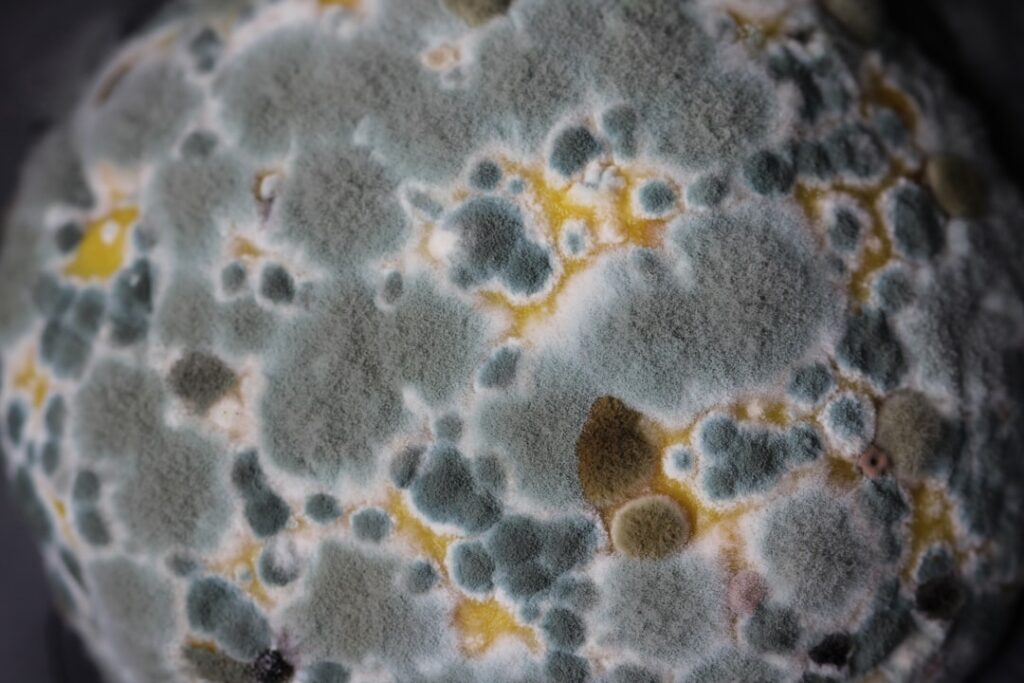
Type a mold question into a search bar and you will find a chart mold identification tool promising to identify what is growing on your wall. These mold identification charts are popular because they offer a quick answer, but they have real limits. A chart can help you describe and categorize growth and judge how urgent it is — it cannot reliably name a species or confirm whether something is dangerous. This guide explains how to use a mold identification chart sensibly, what the visual cues mean, and where charts fall short. It summarizes EPA and CDC guidance current as of 2026 and is educational only; consult a certified professional for testing or remediation decisions.
Part of our Types of Mold guide — start there for the full picture →
Is this mold, asbestos, or water damage? Get a free instant screen
Upload a clear photo of the suspect area. You'll get an instant AI screening opinion and what to do next. This is screening guidance, not a professional determination.
Screening guidance only. AI can be wrong. Confirm asbestos, mold type, or lead with lab testing or a licensed professional before acting.
Can a chart identify mold accurately?
A mold identification chart can suggest a category based on color and texture, but it cannot accurately identify a species. Many different molds share the same color, and a single species can appear in different colors depending on the surface, age, and moisture. The EPA’s position is that visual identification of species is unreliable and, more importantly, usually unnecessary — the response to indoor mold is the same regardless of type: remove it and fix the moisture. So a chart is a descriptive tool, not a diagnostic one.
Used realistically, a chart helps a homeowner put words to what they see — “fuzzy black growth on damp drywall” — which is useful for describing the problem and gauging urgency. Treating its color labels as a firm species ID, or as proof of danger, is where charts mislead. For confirmation, only lab analysis of a physical sample works.
What mold colors suggest
Black and dark green
Dark growth often appears where moisture has lingered a long time. It draws the most fear because of “toxic black mold” headlines, but the EPA stresses that no color reliably indicates toxicity. Dark mold on saturated material may signal serious water damage and possible wood rot.
Green and blue-green
Very common indoor colors, associated with many genera including Penicillium and Aspergillus. Frequent on damp drywall, food, and fabrics.
White and gray
Often early-stage growth or a species trait, sometimes confused with efflorescence (mineral salts) on masonry or with the white mycelium of wood-rot fungi. Fuzzy white that wipes off is usually surface mold.
Orange, pink, and brown
Less common indoors and sometimes bacterial rather than fungal, particularly pink growth in bathrooms. Brown growth appears on various damp surfaces.
What texture tells you
Texture often says more about urgency than color does. Powdery or flat growth is frequently early-stage and the kind homeowners call mildew. Fuzzy or cottony growth indicates a mature colony actively producing spores, which is more likely to release them into the air when disturbed. Slimy or wet-looking growth signals a saturated surface and a heavier moisture problem, often beyond cleaning. Pairing texture with location — bathroom grout versus a structural joist — gives a better sense of severity than color alone. Our guide on what mold shape reveals goes deeper on this.
Why location matters as much as appearance
Where mold grows shapes how concerned to be, regardless of what a chart says. Growth on bathroom grout or a window frame is usually a contained, cleanable issue tied to condensation. Growth on framing, joists, subfloor, or roof sheathing is structural and signals a moisture path that needs investigation. The same green fuzz means very different things on a shower tile versus a floor joist. A chart that focuses only on color misses this crucial context.
The limits of visual identification
Beyond the species problem, charts cannot tell you whether mold is producing mycotoxins, how far growth extends behind a surface, or whether a household member will react to it. They also cannot distinguish mold from look-alikes such as efflorescence, soot, or bacterial growth. Relying on a chart to decide a mold is harmless — or dangerous — can lead to ignoring a real problem or panicking over a minor one. When identification genuinely matters, for a health concern or a dispute, lab analysis is the only reliable route.
How a chart can still be useful
None of this means a chart mold identification reference is worthless — it just has a narrow proper use. As a vocabulary and triage aid, a chart helps a homeowner describe growth accurately (“fuzzy, dark green, spreading on damp drywall near a window”) and decide how urgently to act. It can flag the difference between a minor bathroom film and growth on structural wood, and it can prompt the right questions before calling a professional. Used as a starting point for observation rather than a final diagnosis, it adds value.
The trouble comes when the chart’s color labels are treated as certainty — concluding a growth is “harmless green mold” and ignoring it, or panicking over “toxic black mold” that is no such thing. Holding the chart lightly, as one input among location, texture, moisture history, and professional judgment, keeps it helpful instead of misleading.
How professionals identify mold
When identification genuinely matters, professionals do not rely on visual charts. They collect physical samples — air samples drawn through a spore trap, surface swabs, or tape lifts — and send them to an accredited laboratory. Analysts examine the samples under a microscope and, where needed, culture them or use DNA methods to identify genera and species and to count spores. Air samples are usually paired with an outdoor reference so indoor levels can be compared to the background.
This lab-based approach is what produces a defensible answer for a real-estate transaction, a legal dispute, a physician’s evaluation, or verification that remediation worked. It is the reliable counterpart to the quick guess a chart offers, and it is the route to take whenever the identification carries real consequences.
When does identifying the species matter?
For most homeowners, it does not. The cleanup is identical whether the mold is Cladosporium or Stachybotrys. Species identification through professional sampling becomes worthwhile in specific cases: documenting a problem for a real-estate transaction or legal dispute, verifying that remediation succeeded, or supporting a physician’s evaluation when a vulnerable person has health symptoms. Outside those situations, the EPA’s guidance is to skip the ID and focus on removing the mold and fixing the moisture. The broader approach is covered in our mold inspection hub.
Common look-alikes a chart misses
One of the biggest weaknesses of relying on a chart mold identification approach is that several non-mold substances mimic mold and are easily misjudged from color alone. Efflorescence — white or grayish crystalline mineral salts — appears on basement masonry where water evaporated; it brushes off as powder and is not mold at all. Soot from candles or a fireplace leaves dark deposits that can look like mold near vents. Mineral staining and water rings discolor surfaces without any living growth. Pink or orange residue in bathrooms is often a bacterium rather than a fungus.
A chart organized by color invites a homeowner to match these look-alikes to a mold category and either over-react or under-react. The texture-and-context check is the antidote: mold typically has texture and a musty smell and grows in damp areas, while efflorescence is dry and powdery and soot wipes to a smear. When a substance does not behave like mold, a color chart will still cheerfully suggest a mold name, which is precisely its limitation.
Combining clues for a better read
The most reliable homeowner assessment comes from combining several observations rather than leaning on a color chart alone. Consider the color and texture together, the location and what it is growing on, the moisture history of the spot, whether there is a musty odor, and whether the growth keeps returning. A dark, fuzzy, spreading patch on damp drywall near a known leak that smells musty is almost certainly mold needing attention. A dry, powdery white film on a basement block wall with no odor is likely efflorescence.
This layered reading does what a chart cannot: it weighs context that color ignores. It still will not name a species — only a lab does that — but it produces a sound judgment about whether something is mold, how urgent it is, and whether it is a surface or structural problem. That judgment, not a color label, is what should drive the next step.
When to call a professional
Call a professional when growth covers more than about ten square feet, when it appears on structural wood or inside HVAC, when materials look saturated or slimy, when there has been flooding, when a musty smell persists with no visible source, or when documentation or a health concern requires real identification. An inspector can sample for lab analysis, find hidden moisture, and map the full extent that a chart can only hint at. On the Front Range, basement and crawl-space dampness drives most sustained indoor growth.
Using a chart without being misled
To get value from a chart mold identification reference while avoiding its traps, treat it as one observation among several rather than the answer. Use it to put precise words to color and texture, then layer in the factors a chart ignores: where the growth is, what it is growing on, whether the area is damp, whether there is a musty smell, and whether it keeps returning. Resist the urge to read a color label as either a guarantee of safety or proof of danger, since neither conclusion is reliable from appearance alone.
Above all, let the chart prompt action rather than replace it. If growth is present, the EPA-backed response is to remove it and fix the moisture regardless of what the chart suggests it might be. If the situation is large, hidden, structural, or tied to a health concern, the chart’s job is done and the next step is professional sampling and assessment. Held this way, a chart is a harmless aid; treated as a diagnosis, it misleads.
The bottom line on identification charts
A chart mold identification reference is a reasonable starting point and a poor finish line. It helps describe and categorize what you see and decide how urgently to respond, which has genuine value at the kitchen-table stage of figuring out a problem. What it cannot do is name a species, confirm toxicity, measure how far growth extends, or substitute for the action that actually matters. Color in particular is an unreliable guide that has launched plenty of needless panic and plenty of unwarranted complacency.
For most homeowners the practical conclusion is liberating: you do not need to identify the mold to deal with it, because the EPA-backed response is the same regardless — remove the growth and fix the moisture. Reserve real identification, via professional lab sampling, for the situations that demand documentation or support a health evaluation. Held in that frame, a chart is a useful aid that knows its place, rather than a diagnosis dressed up in color swatches.
This perspective spares homeowners a common trap: spending time and worry trying to match a wall stain to a chart entry before doing anything about it. The growth needs removing and the moisture needs fixing whether the chart says green, black, or white. Letting go of the need to name it, and acting on it instead, is both faster and more effective than treating a color reference as a gatekeeper to action it was never designed to be.
References
- Mold Cleanup and Identification Guidance — U.S. Environmental Protection Agency
- About Mold and Dampness — Centers for Disease Control and Prevention
- Mold and Health — National Institute of Environmental Health Sciences
Frequently asked questions
Can a chart accurately identify mold species?
No. Many molds share the same color, and a single species can appear in different colors. A chart helps describe and categorize growth but cannot reliably name a species. Only lab analysis of a physical sample confirms identification.
Does mold color tell you if it is dangerous?
Not reliably. The EPA stresses that no color indicates toxicity. Dark or black growth is not automatically toxic, and light growth is not automatically harmless. Texture, location, and the moisture source say more about urgency than color does.
When is identifying the mold species worth it?
For most homeowners it is not, since cleanup is the same regardless of type. Professional identification helps when documenting a problem for a sale or dispute, verifying remediation worked, or supporting a physician's evaluation for a vulnerable person.
What does mold texture indicate?
Powdery or flat growth is often early-stage. Fuzzy growth is a mature colony actively producing spores and more likely to release them when disturbed. Slimy growth signals a saturated surface and a heavier moisture problem, often beyond cleaning.
If you want a real answer rather than a chart guess, a vetted Front Range inspector can sample for lab analysis and find the moisture behind the growth — get connected through our contact page.
DIY mold test kits
A test kit can confirm whether a suspect patch is mold and (with lab analysis) what type — though visible mold over ~10 sq ft generally warrants a professional.
| Product | Why | Buy |
|---|---|---|
 DIY Mold Test (lab included) DIY Mold Test (lab included) | Surface + air-sampling options. | Amazon — $49.99 |
 Healthful Home 5-Minute Mold Test Healthful Home 5-Minute Mold Test | Rapid screening strips. | Amazon — $35.47 |
 Mold Test Plates (DIY petri dishes) Mold Test Plates (DIY petri dishes) | Settle-plate style sampling you culture at home. | Amazon — $22.99 |