Mold Identification Photos: What Homeowners Need to Know
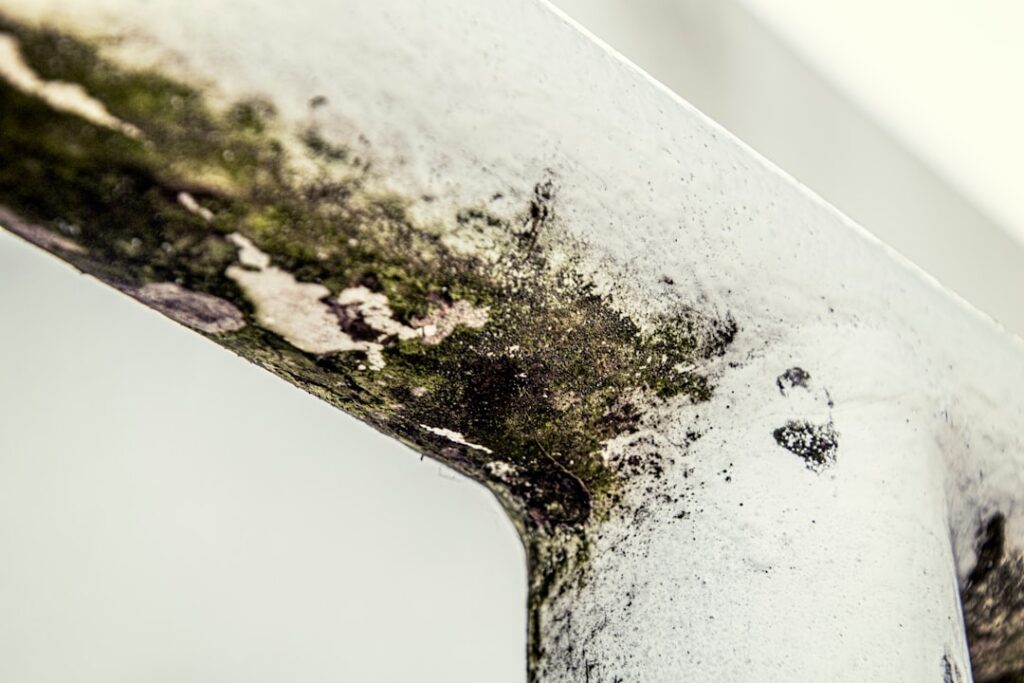
When a dark patch shows up on a wall or ceiling, the first instinct is to search online for matching mold identification photos and try to name the species. Photos are genuinely useful for recognizing that something is growing and for documenting its spread over time, but they have real limits that homeowners should understand before drawing conclusions. Color and texture can suggest a category, yet they cannot reliably confirm whether a growth is toxic, harmless, or even mold at all. This guide summarizes EPA and CDC guidance current as of 2026; consult your physician for symptoms and a certified professional for testing and remediation decisions.
Part of our Types of Mold guide — start there for the full picture →
Is this mold, asbestos, or water damage? Get a free instant screen
Upload a clear photo of the suspect area. You'll get an instant AI screening opinion and what to do next. This is screening guidance, not a professional determination.
Screening guidance only. AI can be wrong. Confirm asbestos, mold type, or lead with lab testing or a licensed professional before acting.
Can you identify mold from photos alone?
You can use photos to flag likely mold and to track changes, but you cannot reliably identify the species from an image. The EPA and CDC are consistent on this point: many mold types look similar to the naked eye, and accurate species identification requires laboratory analysis of a physical sample under a microscope. A photo captures surface color and pattern, while a lab can examine spore structure that distinguishes one genus from another.
Photos do serve a practical purpose. They confirm the presence of growth, record its size and location, and help an assessor or remediator understand the situation before a visit. For homeowners, the most valuable use of a photo is documentation, not diagnosis.
What different mold colors can suggest
Color offers a rough hint, not a verdict, because a single species can appear in several colors depending on its surface, age, and moisture level.
Black or dark green
Dark, slimy growth on chronically wet drywall or wood is the look people associate with “black mold,” often Stachybotrys chartarum. But many harmless molds also appear black, so the color alone proves nothing. The companion piece on what mold color means explains why appearance is an unreliable guide.
White or gray
Powdery white or gray growth is common on grout, soil in potted plants, and damp wood. It is frequently confused with efflorescence, the harmless mineral salt that crystallizes on concrete and brick.
Orange, pink, or yellow
Brightly colored growth often appears in bathrooms and on caulk. Some pink residue is actually bacteria rather than mold. This is exactly where photo-based guessing breaks down.
The limits of photo identification
Several factors make photos unreliable for diagnosis. Lighting and camera color balance shift how a growth appears. Surface texture that matters under a microscope is invisible in a snapshot. And look-alikes are everywhere: soot, dirt, mineral deposits, and even some food stains can mimic mold.
The bigger issue is that species identification rarely changes the homeowner response. The EPA states plainly that all indoor mold should be removed regardless of type, and that sampling is not required before cleanup in most residential cases. So a perfect species match from a photo would not, by itself, change the recommended action.
How lighting and camera settings distort mold photos
Even when a photo genuinely shows mold, the image can mislead because cameras do not capture color and texture the way the eye and a microscope do. Phone cameras apply automatic white balance and color processing that shift hues, so the same growth can look gray in one shot and green in another depending on the light. Warm indoor bulbs push colors yellow, while cool daylight pushes them blue, and neither matches the neutral conditions a lab uses.
Texture suffers too. The microscopic spore structures that distinguish one mold from another are invisible at the resolution of a snapshot, and compression artifacts can blur fine detail further. Shadows in a dim corner hide the edges of a colony, while a flash washes out surface texture entirely. These distortions are why two people looking at the same photo can disagree about what they see, and why no responsible lab or assessor will commit to a species from an image alone. The takeaway is not that photos are useless, but that they answer “is something growing here” far better than “what exactly is it.”
How professionals actually identify mold
Certified assessors combine several methods that a photo cannot replace. They inspect with their eyes and a flashlight, use a moisture meter to find dampness behind surfaces, and collect physical samples when identification matters.
- Tape lift or bulk sampling — a physical sample sent to an accredited lab for microscopy.
- Air sampling — captures airborne spores to compare indoor and outdoor counts.
- Moisture mapping — locates the water source feeding the growth.
For homeowners who want to understand the inspection process, the mold inspection and testing hub describes what an assessment involves, and the overview of professional mold assessments explains when sampling adds value.
How to document mold with photos
If you are going to take photos, do it in a way that helps a professional or supports an insurance claim.
- Shoot in good light, ideally daylight, and avoid heavy filters.
- Include a wide shot for context and a close-up for detail.
- Place a coin or ruler beside the growth to show scale.
- Photograph the suspected moisture source, such as a leaking pipe or stained ceiling.
- Date your images and keep a simple log of when the growth appeared or spread.
Good documentation matters when filing claims, because the question of whether homeowners insurance covers mold often turns on showing the cause and timeline of the damage.
When photo identification is genuinely helpful
Despite its limits, there are situations where a photo carries real weight. Sharing a clear image with a remediation company before a visit helps them bring the right equipment and estimate scope, which can save a wasted trip. Photos sent to a landlord create a dated record of a maintenance request. And for a homeowner tracking a recurring spot, a comparison series shows whether a previous cleanup held or whether moisture is still active.
Photos also support a second opinion. If one contractor recommends extensive demolition for what looks like a small patch, dated images let another professional weigh in before major work begins. The key is to use the photo as a communication and documentation tool, the thing it does well, rather than as a substitute for the visual inspection, moisture mapping, and, where warranted, laboratory sampling that a professional brings. Framed that way, a phone camera becomes a genuinely useful part of managing a mold problem, even though it cannot name a species or measure a risk on its own. Pairing photos with notes on humidity and any moisture events makes them more valuable still, since context is what turns an image into evidence.
What to do once you spot mold
The response is the same whether or not you can name the species. The EPA recommends cleaning small areas, under about ten square feet, using detergent and water on nonporous surfaces, then drying thoroughly. Porous materials that stay contaminated, such as ceiling tiles and carpet padding, should be discarded. Above all, fix the moisture source, because new growth returns within days if dampness persists.
Wear an N95 respirator, gloves, and eye protection during cleanup, and avoid disturbing large areas that could release spores into the air.
Common things mistaken for mold in photos
A surprising share of “is this mold?” photos turn out to be something else entirely. Recognizing the impostors saves needless worry and money.
Efflorescence
The white, crystalline, sometimes fuzzy deposit on basement concrete and brick is efflorescence, a mineral salt left behind as water evaporates. It looks like white mold in a photo but brushes off as a powder and dissolves in water, whereas mold smears. Its presence does signal moisture moving through masonry, which is worth addressing, but it is not mold.
Soot and dirt
Dark streaks above baseboards, around outlets, or near candles and fireplaces are often soot or settled dust, not mold. These “ghosting” marks follow temperature differences in wall framing and can look alarming in a tight close-up.
Water stains and adhesive residue
Old water stains leave brown or yellow rings that photograph like growth but are simply discolored, dry material. Dried adhesive, paint defects, and even some food splatter round out the list of look-alikes that fool photo identification.
Why species identification rarely changes the response
Homeowners often hope a photo or a lab result will tell them whether they have the “dangerous” kind of mold. The EPA’s position reframes that hope: all indoor mold should be removed, and the cleanup method depends on the size of the affected area and the type of material, not the species. Whether a wall hosts blue-green Penicillium or dark Stachybotrys, the steps are the same, clean small nonporous areas, discard contaminated porous material, and fix the moisture.
Species testing earns its cost in specific situations: confirming that a remediation succeeded, supporting an insurance or legal claim, or investigating a health complaint under a physician’s direction. For the everyday question of “should I clean this,” a photo and a tape measure answer it better than a microscope. This is why federal guidance steers homeowners toward action rather than identification.
Using reference photos responsibly
Online galleries of mold identification photos can still serve a useful, if limited, purpose. They help a homeowner recognize that a growth pattern looks biological rather than like a stain, and they build a general sense of how mold appears on different surfaces. Used as a rough orientation tool, they are fine. The trouble starts when someone treats a visual match as a diagnosis and makes decisions, or skips professional help, on that basis.
A responsible approach uses reference photos to decide whether to investigate further, rather than to settle what species is present or how dangerous it is. If an online image resembles what is on your wall, the right next step is to assess the size of the area, look for the moisture source, and clean or call a professional accordingly, exactly the steps the EPA recommends regardless of species. The reference photo prompts action; it does not replace the measured, moisture-focused response that actually resolves a mold problem.
Building a useful timeline with photos
Where photos genuinely shine is documenting change over time. A single image proves little, but a dated series showing a patch growing, or recurring after cleanup, tells a clear story. That story matters for two audiences. An assessor uses it to gauge whether moisture is ongoing, since growth that returns within days points to an active water source. An insurer uses it to evaluate the cause and timeline of a claim, which often decides coverage.
Keep images organized by location and date, photograph the same spot from the same angle on each visit, and pair each shot with a quick note about any moisture event. This habit turns a phone full of random pictures into evidence that supports good decisions.
When to call a professional
Bring in a professional when growth exceeds roughly ten square feet, when it involves HVAC systems, when there has been sewage or major water damage, or when occupants have ongoing health symptoms. A photo can start the conversation, but a trained assessor confirms what is actually present and finds the moisture source driving it. In Colorado, where mold remediation is not state-licensed, homeowners should verify a contractor’s training and insurance. A professional can also tell you quickly whether the photo shows mold at all, sparing the cost of unnecessary remediation when the culprit is efflorescence or soot.
References
- A Brief Guide to Mold, Moisture, and Your Home — U.S. Environmental Protection Agency
- Basic Facts About Mold and Dampness — Centers for Disease Control and Prevention
- Mold Cleanup in Your Home — U.S. Environmental Protection Agency
Frequently asked questions
Can I identify the type of mold from a photo?
No. The EPA and CDC note that many molds look alike, and accurate species identification requires laboratory analysis of a physical sample. A photo can confirm that growth is present and document its size, but it cannot reliably name the species or tell you whether it is toxic.
Does the type of mold change how I should respond?
Usually not. The EPA advises removing all indoor mold regardless of species and fixing the moisture source. Sampling is generally not required before cleanup in residential cases, so naming the mold rarely changes the recommended action.
What looks like mold but isn't?
Soot, dirt, mineral efflorescence on concrete, and some bacteria can all be mistaken for mold in photos. Efflorescence in particular is a harmless white mineral salt often confused with white mold.
How should I photograph mold for an insurance claim?
Use good light, take both wide and close-up shots, include a ruler or coin for scale, and photograph the moisture source. Date the images and keep a log of when the growth appeared, since claims often depend on showing the cause and timeline.
If you have spotted growth and want a clear answer rather than a guess from a photo, a qualified Front Range assessor can sample and locate the source. Get in touch through our contact page to connect with a vetted local inspector.
DIY mold test kits
A test kit can confirm whether a suspect patch is mold and (with lab analysis) what type — though visible mold over ~10 sq ft generally warrants a professional.
| Product | Why | Buy |
|---|---|---|
 DIY Mold Test (lab included) DIY Mold Test (lab included) | Surface + air-sampling options. | Amazon — $49.99 |
 Healthful Home 5-Minute Mold Test Healthful Home 5-Minute Mold Test | Rapid screening strips. | Amazon — $35.47 |
 Mold Test Plates (DIY petri dishes) Mold Test Plates (DIY petri dishes) | Settle-plate style sampling you culture at home. | Amazon — $22.99 |