House Fungus Identification: What Homeowners Know
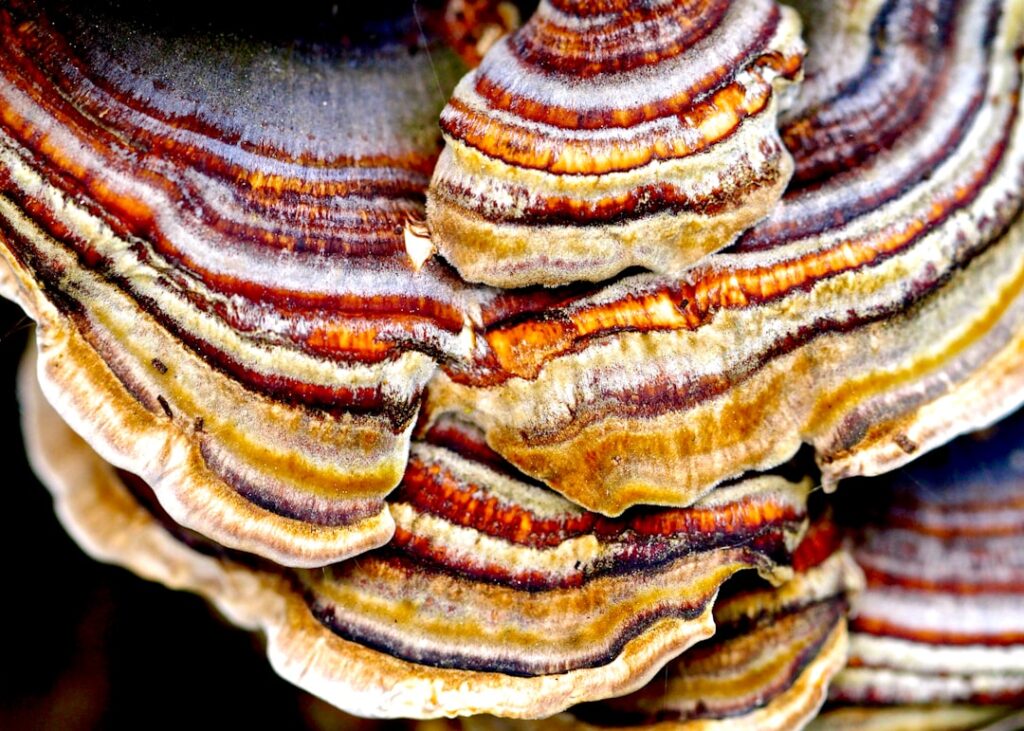
Fungus in a home takes many forms, from a powdery patch in the shower to spongy wood in a crawl space. Accurate house fungus identification matters because the response differs: surface mildew wipes off, while wood-decay fungus can threaten structural framing. This guide helps homeowners recognize the main categories of household fungus, understand what each one signals, and decide when to act. It summarizes EPA and CDC guidance current as of 2026; consult your physician for symptoms and a certified professional for testing and remediation decisions in your home.
Part of our Types of Mold guide — start there for the full picture →
Dealing with mold or water damage? Talk to a remediation pro now.
📞 Call (833) 723-1134House Fungus Identification: The Main Categories
Most household fungus falls into three practical groups, all united by one requirement, moisture. Identifying which group you are looking at points you toward the right fix.
- Surface molds and mildew — flat to fuzzy growth on tile, drywall, fabric, and food.
- Wood-decay (rot) fungi — organisms that break down structural wood, including brown rot, white rot, and so-called dry rot.
- Yeasts and outdoor fungi tracked indoors — less common as a structural concern but part of the broader picture.
The EPA’s framing holds across all of them: visible fungus means a moisture problem to correct, and the species usually matters less than fixing the water. The exception is wood-decay fungus, where structural safety raises the stakes.
Identifying Mold and Mildew
Mold and mildew are the fungi homeowners encounter most. Mildew is the flat, powdery, surface-level form, typically white, gray, or yellow, found on shower tile, windowsills, and fabric. It usually wipes off hard surfaces. Heavier mold is fuzzier or slimier, often green, black, or blue, and tends to penetrate porous materials like drywall and grout.
Color is an unreliable identifier on its own, since many species share hues. Texture, location, and depth of growth tell you more. For the appearance side, our guides on what mildew looks like and what mold color reveals help you read the visual clues without over-relying on them.
Identifying Wood-Decay Fungus
Wood-rot fungi are the most consequential household fungi because they attack the building itself. They appear in chronically damp framing, crawl spaces, sill plates, and around persistent leaks.
Brown rot
Wood turns brown, shrinks, and cracks into cube-like sections that crumble when dry. It destroys the wood’s strength quickly.
White rot
Wood becomes pale, stringy, and spongy, sometimes with a bleached look. It breaks down a different component of the wood than brown rot.
“Dry rot”
A misleading name, since it still requires moisture to start. Once established it can spread through wood and even across masonry via root-like strands, continuing in conditions that seem dry. It often shows a fluffy white or gray growth and a distinct musty smell.
If a screwdriver pushes easily into framing, or wood sounds hollow and crumbles, you may have active wood decay that warrants a professional structural assessment.
Using Color and Texture as Identification Clues
While laboratory analysis is the only way to name a species with certainty, color and texture still offer useful preliminary clues for house fungus identification, provided you understand their limits. Used together, and combined with location and smell, they help you categorize what you are seeing well enough to decide on a response.
Texture is the more reliable of the two. Surface mildew is flat and powdery; heavier mold is raised, fuzzy, or slimy; wood-decay fungus makes the wood itself soft, stringy, or cubed and crumbling. A patch you can wipe off a hard surface behaves very differently from one embedded in drywall or one accompanied by spongy framing. Texture, in other words, tells you how deeply the fungus has established and therefore how serious the problem is.
Color is the weaker clue, because many species share hues and the same species can look different on different materials or at different ages. A dark patch is not automatically dangerous, and a light one is not automatically harmless. Treat color as a starting hint, not a verdict. The danger of over-relying on it is real enough that our dedicated guide on what mold color reveals exists to temper the assumptions homeowners commonly make. Combine color with texture, location, and a musty smell, and you can categorize most household fungus accurately enough to act.
Telling Fungus From Other Stains
Not every dark or fuzzy mark is fungus. Common look-alikes include:
- Efflorescence — white, crystalline mineral deposits on masonry, which brush off as powder and are not living.
- Soot and dust — dark films from candles, fireplaces, or HVAC that smear rather than grow.
- Water stains — brown rings on ceilings from past leaks, which mark old moisture without active growth.
A simple field check helps: living fungus often has texture and may smell musty, while mineral deposits are dry, powdery, and odorless. When in doubt, the safest assumption is that a damp, musty, textured patch is fungal and tied to a moisture source.
Where Household Fungus Grows
Fungus clusters where water lingers and air is still: bathrooms, kitchens, basements, crawl spaces, attics near roof leaks, and inside wall cavities. In Colorado’s dry climate, indoor fungus usually traces to a discrete event, snowmelt seepage, a roof or plumbing leak, or a swamp cooler running without ventilation, rather than constant ambient humidity.
Crawl spaces deserve special attention for wood decay, because they combine ground moisture, poor airflow, and direct contact with structural wood. A systematic walkthrough, like the one in our guide on checking for mold in the home, helps you reach these hidden areas in a sensible order.
Seasonal Patterns of Household Fungus
Household fungus is not constant; it ebbs and flows with the seasons, and recognizing the pattern helps with both identification and timing your inspections. In Colorado’s dry climate especially, fungus tends to follow discrete moisture events rather than persistent ambient dampness.
Spring is the highest-risk season. Snowmelt drives water against foundations and through roofs, loading basements, crawl spaces, and attics with their heaviest moisture of the year. This is when seepage-related growth and the early stages of wood decay are most likely to appear or accelerate. A late-spring inspection catches these problems while the evidence is fresh and before summer warmth speeds growth.
Summer shifts the focus to cooling equipment, evaporative coolers add indoor humidity, and condensation forms on cold supply ducts. Winter brings condensation-driven mildew on cold windows and exterior walls of tightly sealed, humidified homes. Each season has its signature fungus location, so aligning your check with the calendar, foundations and roofs in spring, cooling systems in summer, windows in winter, makes identification more efficient. A patch that recurs only in one season also tells you something about its moisture source, which the room-by-room method in our guide on checking for mold in the home helps you trace.
Health Considerations
The CDC notes that damp, moldy environments can cause upper-respiratory symptoms in sensitive people, including congestion, coughing, and eye irritation, with stronger reactions among those who have asthma, allergies, or weakened immunity. Wood-decay fungi are primarily a structural concern rather than a recognized inhalation hazard, but the damp conditions that feed them also support allergenic molds.
As always, these symptoms are nonspecific, and the CDC cautions against attributing serious illness to household fungus without medical evidence. Consult a physician for any persistent symptom.
Fungus in Crawl Spaces and Basements
If any part of a home deserves dedicated attention for fungus, it is the crawl space and basement. These areas combine the three things fungus needs, moisture, organic material, and still air, more reliably than anywhere else in the house. Ground moisture wicks up through soil and concrete, structural wood sits close to that dampness, and poor ventilation lets humidity linger.
In crawl spaces, the chief worry is wood-decay fungus attacking joists, beams, and the sill plate that anchors the house to its foundation. Early decay is easy to miss because it hides beneath the floor, so probing suspect wood with a screwdriver is one of the most valuable checks you can do. Soft, spongy, or crumbling wood signals active decay that warrants professional evaluation. Surface molds also flourish on the underside of subflooring and on stored items.
Basements present a similar picture with finished surfaces added. Behind drywall and under carpet, growth can spread unseen after seepage. Controlling the environment, keeping humidity below 50 percent, improving drainage, and considering a vapor barrier in crawl spaces, addresses the conditions that feed every type of fungus at once. A dehumidifier is often the single most effective tool; our guide on a basement dehumidifier covers sizing for these spaces.
The Role of a Musty Smell in Identification
Smell is one of the most reliable early indicators of fungus, and it deserves weight in any identification effort. Both surface molds and wood-decay fungi produce microbial volatile organic compounds, the earthy, damp odor people describe as resembling wet cardboard or an old cellar. Often the smell arrives before any visible growth, signaling a colony forming inside a wall, under flooring, or in a crawl space.
A localized musty odor narrows your search dramatically. If one room, closet, or corner smells damp while the rest of the house does not, the source is almost certainly nearby and hidden. Odors that intensify after rain, after snowmelt, or when the HVAC runs add further clues about the moisture pathway. Trust the nose over the eye in early stages, because hidden fungus is common precisely where you cannot see it.
That said, smell identifies the presence of fungus, not the type. A musty odor tells you to investigate moisture, not whether you are dealing with surface mold or structural rot. Pair the smell with the visual and probing checks above, and with the room-by-room method in our guide on checking for mold in the home, to move from “something is growing” to “here is what and where.”
When to Call a Professional
Identification guides your next step. Handle small surface mold yourself, but escalate when you find:
- Wood that is soft, crumbling, hollow-sounding, or visibly decayed.
- Fungus covering more than about 10 square feet.
- Growth inside HVAC systems or after contaminated water.
- Recurring growth despite cleaning.
- Any suspected structural involvement in framing, joists, or sill plates.
Wood-decay fungus in particular is a job for a professional, since it can compromise the home’s structure and often hides behind finishes. House fungus identification is one entry point into the broader mold inspection and testing hub, where related guides cover testing, removal, and prevention.
The unifying lesson across all these categories is that fungus is a moisture problem first and a cleaning problem second. Surface mold, mildew, and wood-decay fungi all require sustained dampness, so identifying which type you have matters mainly for judging severity and choosing whether to handle it yourself or call a professional. The fix, in every case, traces back to finding and correcting the water source. Accurate identification points you toward the right level of response, but moisture control is what actually resolves the problem and prevents its return, whether the growth is a powdery patch in the shower or active decay in a crawl-space joist.
References
- A Brief Guide to Mold, Moisture and Your Home — U.S. Environmental Protection Agency
- Mold Cleanup in Your Home — U.S. Environmental Protection Agency
- About Mold and Health — Centers for Disease Control and Prevention
- Mold and Your Health — National Institute of Environmental Health Sciences
Frequently asked questions
How do I identify fungus in my house?
Sort it into three groups: surface mold and mildew, wood-decay rot fungi, and look-alike stains. Surface mold is fuzzy or powdery on tile and drywall, wood rot makes framing soft or crumbly, and look-alikes like efflorescence are dry and powdery. Texture, location, and a musty smell are the best clues.
What is the difference between mold and wood rot?
Mold is surface or material growth that signals dampness, while wood-decay fungus actively breaks down structural wood, making it soft, stringy, or crumbly. Wood rot is a structural safety issue and usually warrants a professional assessment.
How can I tell fungus from mineral deposits?
Living fungus often has texture and a musty odor, while efflorescence is a dry, powdery, odorless mineral deposit that brushes off masonry. Soot smears, and water stains are flat brown rings without active growth.
When should I call a professional for house fungus?
Call a pro for soft or crumbling wood, growth over about 10 square feet, HVAC contamination, recurring growth, or any suspected structural involvement. Wood-decay fungus in particular should be evaluated professionally.
If you find soft wood or fungus you cannot identify, Front Range homeowners can connect with a qualified local inspector through our contact page for an independent evaluation.