Grants for Mold Removal: What Help Is Available
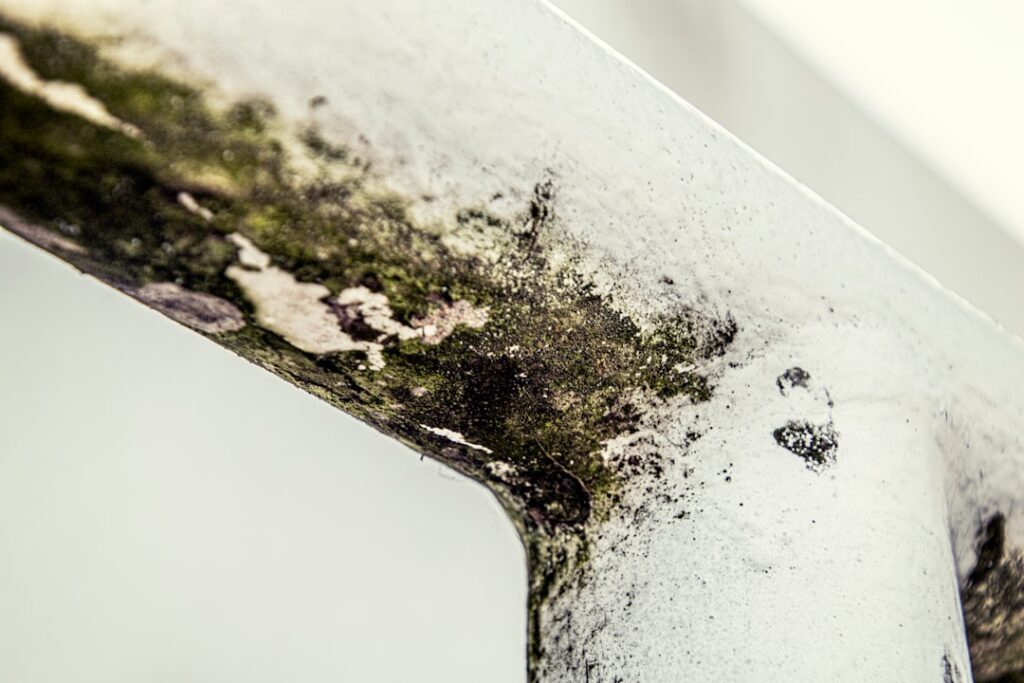
Mold remediation is rarely cheap, and for households on tight budgets the cost can feel out of reach. That drives many people to search for grants for mold removal, hoping for a program that simply pays for the work. The honest picture is more nuanced: dedicated, direct mold-removal grants are uncommon, but several federal, state, and local programs can help with the moisture problems and home repairs that mold rides on. This guide explains what assistance realistically exists, where to look, and how to set expectations. It summarizes HUD and EPA guidance current as of 2026 and is general information, not legal, financial, or medical advice; program eligibility and availability change, so confirm details with the administering agency.
Is this mold, asbestos, or water damage? Get a free instant screen
Upload a clear photo of the suspect area. You'll get an instant AI screening opinion and what to do next. This is screening guidance, not a professional determination.
Screening guidance only. AI can be wrong. Confirm asbestos, mold type, or lead with lab testing or a licensed professional before acting.
Grants for Mold Removal: Setting Honest Expectations
The first thing worth saying clearly is that programs labeled specifically “mold removal grant” are rare, and many offers that advertise free mold-grant money are aggressive marketing rather than genuine public assistance. Be cautious with any private site promising guaranteed grants in exchange for fees or personal information.
Genuine help usually arrives indirectly. Because mold is fundamentally a moisture problem, programs that address home repairs, weatherization, water damage, and health hazards often cover the conditions that cause mold, and sometimes the remediation itself, even if “mold” is not in the program name. Understanding mold as a symptom of moisture, the framing throughout the mold inspection and testing hub, helps you find the programs that actually apply rather than chasing ones that do not exist.
HUD Programs That May Help
The U.S. Department of Housing and Urban Development funds several programs that can touch mold-related repairs, usually routed through state and local agencies rather than paid directly to homeowners.
Community Development Block Grants
HUD’s Community Development Block Grant program sends funds to states and localities, which often run housing-rehabilitation programs for income-eligible homeowners. These rehab programs can cover repairs that address moisture intrusion and, in some cases, mold remediation as part of making a home safe and habitable. Availability and rules vary by jurisdiction, so the path is to contact your city or county housing or community-development office.
HOME Investment Partnerships and Rehabilitation Help
The HOME program and related HUD rehabilitation efforts can fund home repairs for qualifying low-income owners. Where mold stems from a covered repair issue, like a failing roof or plumbing, the underlying fix may be eligible. HUD also offers home-improvement loan options that, while not grants, can finance remediation affordably.
Weatherization Assistance Program
One of the most relevant federal programs is the Weatherization Assistance Program, administered through the Department of Energy and delivered by state and local agencies. Its purpose is energy efficiency, but the work, sealing leaks, improving ventilation, adding insulation, and addressing moisture, directly targets the conditions that breed mold.
Many weatherization programs include health-and-safety measures and may address moisture problems and, in some cases, limited mold remediation when it is tied to the weatherization work. Eligibility is income-based, often tied to a percentage of the state median income or participation in other assistance programs. Because moisture control and mold prevention overlap so directly, weatherization is frequently the most practical avenue for households that qualify. Contact your state weatherization office or local community-action agency to apply.
Local Health Departments and Community Resources
State and local health departments are an underused resource. They may not write checks for remediation, but they can offer inspections, guidance, referrals, and information about local assistance, and in cases involving children with health concerns, they sometimes coordinate help.
Other community avenues include local nonprofits, programs like Habitat for Humanity’s repair efforts, area agencies on aging for older homeowners, and disability-focused organizations. Some communities run housing-quality or healthy-homes initiatives that address moisture and mold for vulnerable residents. Front Range homeowners can start with their county health department and community-action agency. For renters, local health departments and housing-code enforcement are also the route when a landlord is not addressing a moisture or mold problem that affects habitability.
Help for Renters Facing Mold
Renters are often left out of mold-assistance conversations, yet they face the problem frequently and have a different set of avenues than owners. The first distinction is responsibility. In many places, landlords are obligated to maintain a habitable dwelling, and serious moisture or mold that affects habitability can fall to the landlord to address rather than the tenant.
When a landlord is unresponsive, the practical channels are local rather than grant-based. Local health departments and housing-code enforcement offices can inspect rental units and, where applicable, require a landlord to remediate moisture and mold problems. Tenant-rights organizations and legal-aid services can advise on the specific protections in a given jurisdiction, which vary widely. Documenting the problem thoroughly, photographs, dates, written requests to the landlord, the moisture source, strengthens any complaint or request for enforcement. Front Range renters can start with their county or city health department and, if needed, a local legal-aid clinic. Direct financial grants for renters to remediate mold themselves are uncommon, since the responsibility usually rests with the property owner, so the most effective route is typically enforcement of habitability standards rather than a grant application. Understanding mold as a habitability and moisture issue, the framing throughout the cleaning versus the real fix overview, helps renters make the case clearly.
How to Spot Grant Scams
The demand for mold-removal funding has attracted predatory marketing, so part of finding real help is recognizing what is not real. Legitimate government and nonprofit assistance does not ask you to pay a fee to apply for or guarantee a grant, and any site promising guaranteed free grant money in exchange for an upfront payment or sensitive personal information should be treated with suspicion.
Genuine programs are administered by government agencies, established nonprofits, and community-action organizations, and they have eligibility requirements, documentation, and often waitlists rather than instant guaranteed payouts. Be wary of unsolicited calls or messages claiming you have been approved for a mold grant you never applied for, of pressure to act immediately, and of requests for bank-account access framed as necessary to receive funds. When in doubt, go directly to official sources, your city or county housing office, your state weatherization office, HUD’s own resources, rather than through a third-party site that found you. Verifying a program through the administering agency before sharing any information protects both your money and your identity. Real assistance is worth pursuing, but it always travels through legitimate, verifiable channels.
What These Programs Usually Require
Most assistance is income-qualified, so expect to document household income and size. Many programs prioritize owner-occupied primary residences, households with children, older adults, or people with disabilities, and homes where the moisture problem poses a clear health or safety risk.
Documentation typically includes proof of ownership or tenancy, income records, and often an inspection or assessment identifying the moisture source and scope of work. Because mold is treated as a consequence of a repair issue, programs frequently fund the repair plus remediation together rather than remediation alone. Applications take time, funds are limited, and waitlists are common, so apply early and to more than one program. If you are weighing what the actual work will involve so you can scope an application, the overview of cleaning versus the real fix explains the steps a program might fund.
Nonprofit and Community Assistance
Beyond government programs, a network of nonprofit and community organizations sometimes helps with the home repairs that mold rides on, and these are worth pursuing alongside any public application. They rarely advertise mold help specifically, but their repair work often addresses the moisture problems that cause it.
Habitat for Humanity operates home-repair and rehabilitation programs in many areas that can include moisture-related fixes for qualifying low-income homeowners. Area agencies on aging may offer or coordinate home-repair help for older adults, and disability-focused organizations sometimes assist residents with disabilities. Faith-based groups, community-action agencies, and local charities occasionally run home-repair funds or volunteer programs. Some utilities and weatherization-adjacent nonprofits address ventilation and moisture as part of efficiency work. The common thread is that these organizations think in terms of safe, livable housing rather than mold per se, so framing your need around the underlying repair and the household’s circumstances, age, income, disability, children at risk, tends to resonate. Front Range residents can ask their county human-services office and local 2-1-1 information line for referrals to organizations active in their area. As with any assistance, legitimate help does not charge a fee to apply, and you should verify any organization directly before sharing personal information.
If Grants Are Not Available to You
Many households will not qualify for or cannot wait for grant funding, so it helps to know the alternatives. Low-interest home-repair loans, including HUD-backed options, can spread the cost. Homeowners insurance sometimes covers mold remediation when it results from a sudden, covered event such as a burst pipe, though policies often exclude mold from long-term leaks, so read the policy and document the cause.
For smaller problems, the EPA notes that homeowners can often handle areas under roughly 10 square feet themselves with proper precautions, which avoids the cost of a contractor entirely. And because prevention is far cheaper than remediation, investing modestly in moisture control, a dehumidifier, exhaust fans, prompt leak repairs, keeps small problems from becoming the expensive kind that needs a grant in the first place. When the problem is large or health-sensitive, professional remediation remains the right call regardless of funding, and addressing it sooner generally costs less than waiting.
It also helps to think in terms of the underlying repair rather than the mold alone. Because assistance programs fund moisture fixes and home repairs more readily than mold remediation by name, framing your need around the leak, the failing roof, or the drainage problem, with mold as the consequence, often opens more doors than asking for mold help directly. Gather an assessment that documents the moisture source, apply to several programs at once, and pair any public help with the low-cost prevention steps that keep the problem from returning after the funded work is done. Persistence and the right framing turn a discouraging search into a realistic plan, even when a single dedicated mold grant does not exist.
Preparing a Strong Assistance Request
Whatever program you pursue, the quality of your application affects your odds, and a little preparation goes a long way given how limited these funds are. The single most useful document is an assessment that identifies the moisture source and the scope of work, because programs fund the underlying repair, and a clear diagnosis shows exactly what needs doing and why.
Gather proof of ownership or tenancy, income documentation appropriate to the program’s eligibility rules, and photographs that show the extent of the moisture and mold problem. Write a brief, factual description that frames the issue around the repair, the failing roof, the plumbing leak, the drainage problem, with mold as the consequence, since that framing matches how programs are structured. Note any circumstances that programs prioritize, such as children in the home, older or disabled residents, or a clear health-and-safety risk. Apply to more than one program where you qualify, since funds run out and waitlists are common, and keep copies of everything you submit. Respond promptly to any requests for additional information, as delays can cost a spot in line. A well-documented, clearly framed request that arrives early stands out from vague ones, and in a competitive, underfunded landscape that difference can determine whether you receive help at all.
References
- Housing Assistance Programs — U.S. Department of Housing and Urban Development
- Weatherization Assistance Program — U.S. Department of Energy
- Mold Cleanup in Your Home — U.S. Environmental Protection Agency
Front Range homeowners who need a moisture assessment to document a problem for an assistance application can connect with a vetted local inspector through our contact page.
Mold removal & cleanup picks
For a small, contained patch (under ~10 sq ft) these EPA-friendly removers handle surface mold. Larger or recurring growth warrants a professional assessment first.
| Product | Why | Buy |
|---|---|---|
 RMR-86 Instant Mold Stain Remover RMR-86 Instant Mold Stain Remover | Fast-acting on stains; ventilate and wear PPE. | Amazon — $18.38 |
 Concrobium Mold Control Concrobium Mold Control | No-bleach formula that also helps prevent regrowth. | Amazon — $13.47 |
 Mold Armor Mold & Mildew Remover Mold Armor Mold & Mildew Remover | Widely stocked bathroom/surface remover. | Amazon — $22.98 |