Mold Removal Cost: What Homeowners Need to Know
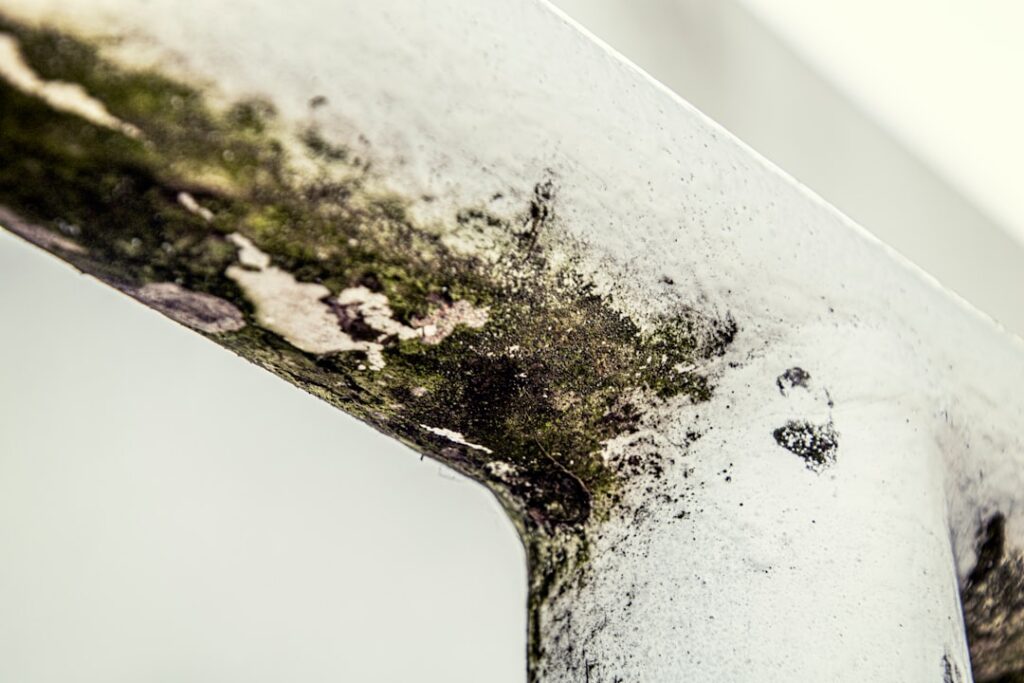
Few home repairs come with a price range as wide as mold removal. A small bathroom patch you clean yourself costs a few dollars in supplies; a whole-basement remediation with structural drying can run into five figures. Understanding what actually drives mold removal cost helps you budget honestly and spot inflated quotes. This guide summarizes EPA and CDC guidance current as of 2026; consult your physician for symptoms and a certified professional for testing decisions. Pricing here reflects published industry ranges, not a fixed quote for any one Front Range home.
Part of our Mold Removal & Remediation guide — start there for the full picture →
Is this mold, asbestos, or water damage? Get a free instant screen
Upload a clear photo of the suspect area. You'll get an instant AI screening opinion and what to do next. This is screening guidance, not a professional determination.
Screening guidance only. AI can be wrong. Confirm asbestos, mold type, or lead with lab testing or a licensed professional before acting.
What does mold removal cost on average?
Industry estimates put most professional mold remediation jobs in the rough range of 1,500 to 6,000 dollars, with smaller contained jobs landing lower and major infestations climbing well above. Many companies price by the affected area, often somewhere between 15 and 30 dollars per square foot for accessible surfaces.
A single moldy bathroom wall might cost a few hundred dollars to address professionally. A flooded basement with mold across joists, drywall, and insulation can exceed 10,000 dollars once demolition and rebuilding are factored in. The spread is the whole story.
What drives the price up or down
Size is the first factor. The EPA treats roughly 10 square feet as the line between a DIY job and one worth hiring out, and cost scales with every square foot beyond that.
Location inside the home matters as much as area. Mold on an open wall is cheap to reach. The same amount inside a crawl space, behind finished walls, or under a subfloor multiplies labor. Our breakdown of how much mold removal costs digs further into these line items.
Cost by location in the home
Bathrooms and small rooms usually sit at the low end because growth is visible and surfaces are hard. Basements run higher due to moisture sources and the volume of porous material like drywall and carpet.
Attics add the cost of working around insulation and tight access. Crawl spaces are often the most expensive per square foot because of confined-space labor and vapor-barrier work, as our crawl space mold remediation guide explains.
DIY versus professional cost
For patches under about 10 square feet on hard surfaces, the EPA says homeowners can usually handle cleanup themselves. Your cost is then an N95 respirator, gloves, eye protection, detergent, and maybe a dehumidifier, generally under 100 dollars.
Professional remediation buys containment, HEPA filtration, negative air pressure, and proper disposal. That labor and equipment is what separates a 50 dollar weekend from a 3,000 dollar contract. The trade-off is safety and thoroughness, especially when growth is hidden or widespread.
What a professional quote should include
A legitimate quote itemizes the affected square footage, containment setup, removal and disposal of porous materials, HEPA cleaning, and post-remediation drying. Vague flat fees with no scope detail are a red flag.
Watch for quotes that bundle in testing performed by the same company doing the removal, which is a conflict of interest. Independent assessment before and after the work gives you a cleaner picture of whether you got what you paid for.
Hidden costs to plan for
The removal itself is only part of the bill. If mold grew because of a roof leak, burst pipe, or grading problem, fixing that water source is a separate cost and a non-negotiable one.
Reconstruction adds up too. Removing moldy drywall, insulation, or flooring leaves you with a rebuild. Budget for new materials, paint, and labor on top of the remediation line. Mold testing, when warranted, typically adds a few hundred dollars.
Does insurance cover mold removal?
Coverage depends entirely on the cause. Many homeowner policies cover mold only when it results from a sudden, covered event like a burst pipe, and exclude mold from long-term leaks or neglected maintenance.
Read your policy’s mold endorsement and cap, which often limits payouts to a few thousand dollars. Document the water source and the damage with photos before any cleanup begins, since insurers want to see the chain of cause and effect.
How testing affects the bill
Pre-remediation testing confirms whether you have a problem and how far it spreads, which can justify or shrink the scope of work. Post-remediation testing verifies the job worked. For an overview of options, see our look at at-home mold testing versus lab analysis.
Testing is not always necessary. The EPA notes that if mold is visible, testing is generally not required before cleanup, because the response is the same regardless of species. Spend the testing budget where it resolves real uncertainty.
Front Range pricing context
Labor rates and material costs vary by region, and the Denver metro generally runs at or slightly above national averages. Older homes in Boulder, Jefferson, and Adams counties sometimes carry added cost when remediation uncovers asbestos in pre-1980 materials, which requires separate abatement.
Get at least two or three itemized quotes from certified local firms. Wide gaps between bids usually trace to different scopes, not different skill, so compare what each one actually includes.
Cost by severity level
Remediation pros often think in tiers. A small, contained job, such as a single bathroom wall or a closet corner, typically lands at the low end, sometimes a few hundred dollars. A medium job spanning a room or involving moderate drywall removal moves into the low thousands.
Large infestations, where mold has spread across a basement, attic, or multiple rooms, or where flooding saturated the structure, push into the high thousands and beyond. Each tier roughly doubles the previous one, because containment, labor hours, and disposal all scale with the affected area.
Emergency and after-hours premiums
Mold from a sudden event, a burst pipe over a weekend or a flood, often comes with urgency that raises the price. Emergency water extraction and drying, sometimes needed within hours to limit mold, carry premium rates.
If you can document the event and start drying quickly, you may shrink the eventual mold scope and cost. The EPA’s 24-to-48-hour drying window is not just health advice; it is a budgeting principle, since materials dried in time often do not need removal at all.
What a low quote might be hiding
A bid far below the others is rarely a bargain. It often skips containment, omits the moisture-source repair, or plans to clean materials that should be removed. Each omission shows up later as recurring mold or spread contamination.
Read what the low quote excludes as carefully as what it includes. A contractor who leaves out drying or source repair is quoting a partial job, and the missing piece becomes your problem and your second invoice.
Saving money without cutting corners
The biggest savings come from acting early. A patch caught at a few square feet is a DIY afternoon; the same problem ignored for months becomes a multi-thousand-dollar contract. Regular checks of basements, under sinks, and around windows pay for themselves.
You can also handle the cosmetic rebuild yourself after a pro remediates, repainting and reinstalling trim to save on labor. And getting an independent assessment first ensures you only pay for the scope you actually need, not the scope a removal company would prefer to sell.
Regional and home-age factors
Older homes carry hidden cost risk. In pre-1980 Front Range houses, demolition can expose asbestos-containing materials that require separate, licensed abatement before mold work continues. That discovery can add thousands and is impossible to predict from the surface.
Home size, finish quality, and access all matter too. Tearing out custom tile or finished basement walls costs more to remove and replace than builder-grade materials. Factor the rebuild quality into your budget, not just the removal.
When the cost is worth it
Hire out the job when growth tops 10 square feet, hides inside walls or crawl spaces, follows sewage or floodwater, or pairs with household health complaints. The mold inspection and testing hub helps you decide when an independent assessment should come first.
Cutting corners on a large or hidden infestation usually costs more later, when the mold returns or the moisture damage spreads. Right-sizing the response is what keeps the bill reasonable, and an honest scope is worth more than the lowest number on the page.
The cost of doing nothing
Ignoring mold is rarely free. Growth left to spread expands the affected area, and per-square-foot pricing means a problem that doubles in size roughly doubles in cost. Moisture that feeds mold also rots framing, warps flooring, and damages insulation, adding structural repair to the eventual bill.
There is a health dimension too. The CDC links ongoing mold exposure to respiratory symptoms in sensitive people, so delay can carry a personal cost alongside the financial one. The cheapest mold is almost always the mold you address while it is small, which is why prompt action beats waiting and hoping it resolves on its own.
Financing and payment options
Larger remediation projects can strain a budget, and many homeowners do not have several thousand dollars on hand. Some remediation firms offer payment plans, and home equity lines or improvement loans are options for major work. If the mold stems from a covered event, an insurance payout may cover part of the cost.
Before financing, get the scope right with an independent assessment so you borrow against an accurate number rather than an inflated one. Spreading payment over time is reasonable for a necessary repair, but only once you are confident the quoted work matches the actual problem and includes the moisture-source fix.
How geography and access change the number
Two identical-looking mold patches can carry very different prices because of where they sit. Open-wall growth is quick to reach and clean, while the same square footage inside a crawl space, attic, or finished basement wall multiplies the labor hours and often the equipment required.
Local labor rates matter too. Denver metro pricing generally tracks at or slightly above national averages, and older Front Range homes can surprise owners when demolition uncovers pre-1980 asbestos that demands separate, licensed abatement. Asking each contractor how access and home age affect their bid explains most of the spread between quotes.
Comparing estimates without getting fooled
When several quotes land on your table, resist the urge to simply pick the lowest. Line them up and match what each one actually covers: assessment of the affected area, containment, removal and disposal of porous materials, HEPA cleaning, structural drying, and the moisture-source repair. A cheaper number usually means one of these is missing.
Ask each contractor how they handle surprises, such as hidden growth found mid-job, and whether the cosmetic rebuild is included or separate. A clear, itemized estimate from a firm that keeps assessment independent of removal is worth more than a vague flat fee, because it tells you exactly what you are buying and what will land on a second invoice later.
References
- Mold Cleanup in Your Home — U.S. Environmental Protection Agency
- Mold and Health — U.S. Environmental Protection Agency
- About Mold and Health — Centers for Disease Control and Prevention
- Mold and Indoor Air Quality — Colorado Department of Public Health and Environment
Frequently asked questions
What is the average mold removal cost?
Industry estimates place most professional jobs roughly between 1,500 and 6,000 dollars, with small contained jobs lower and major infestations higher. Many firms price around 15 to 30 dollars per square foot for accessible surfaces.
Is mold removal covered by homeowners insurance?
Sometimes. Many policies cover mold only when it stems from a sudden covered event like a burst pipe and exclude growth from long-term leaks or neglected maintenance. Check your mold endorsement and payout cap, and document the water source.
Why is crawl space mold so expensive to remove?
Confined-space labor, tight access, and vapor-barrier work drive up the per-square-foot price. Crawl spaces and attics are usually pricier than open bathroom walls because the work is slower and harder to reach.
Do I need mold testing before removal?
Not always. The EPA notes that if mold is visible, testing is generally unnecessary before cleanup because the response is the same regardless of species. Testing makes sense mainly to confirm hidden growth or verify a finished job.
If you are weighing mold removal quotes on the Front Range and want an unbiased read before you sign, reach out through our contact page and we will connect you with a vetted local inspector.
Mold removal & cleanup picks
For a small, contained patch (under ~10 sq ft) these EPA-friendly removers handle surface mold. Larger or recurring growth warrants a professional assessment first.
| Product | Why | Buy |
|---|---|---|
 RMR-86 Instant Mold Stain Remover RMR-86 Instant Mold Stain Remover | Fast-acting on stains; ventilate and wear PPE. | Amazon — $29.99 |
 Concrobium Mold Control Concrobium Mold Control | No-bleach formula that also helps prevent regrowth. | Amazon — $11.26 |
 Mold Armor Mold & Mildew Remover Mold Armor Mold & Mildew Remover | Widely stocked bathroom/surface remover. | Amazon — $22.98 |