Mold Removal Madison: What Homeowners Need to Know
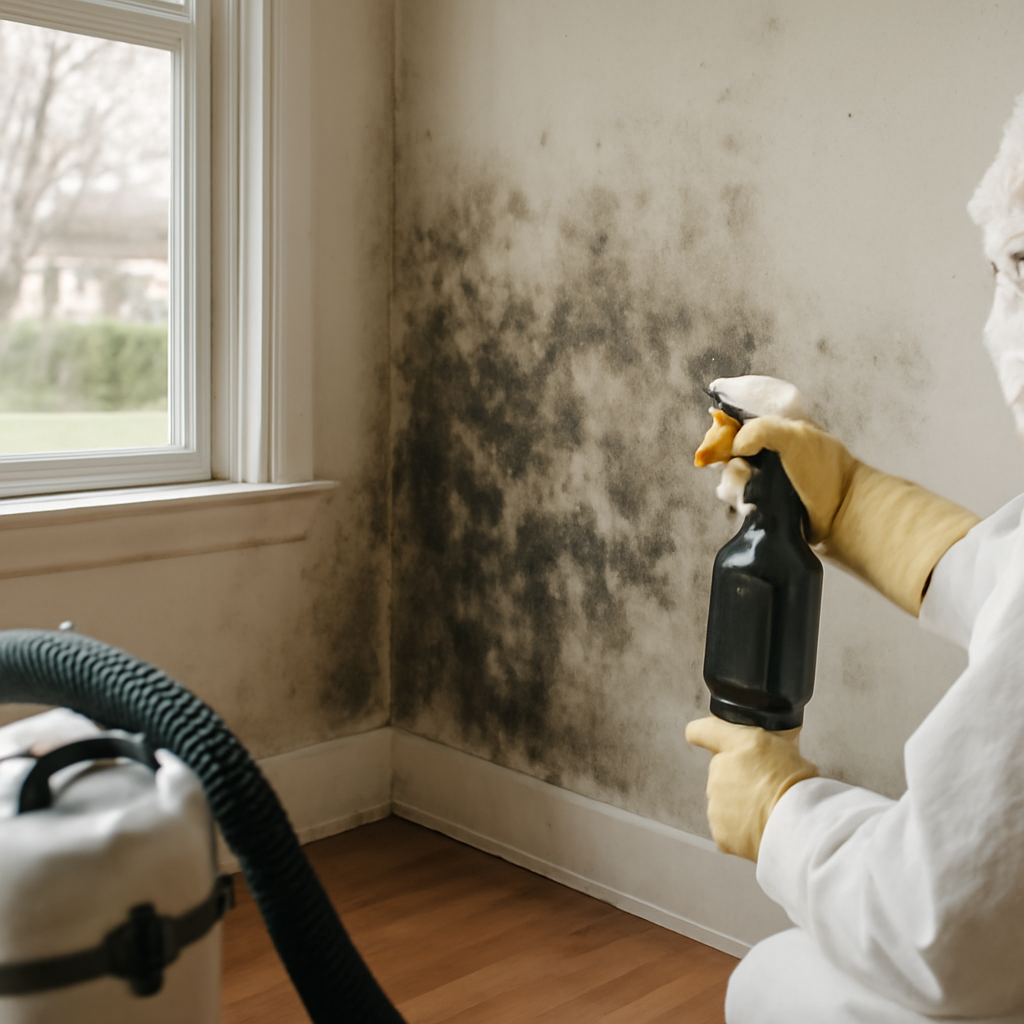
Madison’s lake-influenced climate brings humid summers and cold, snowy winters, and both ends of that range create moisture problems. Homeowners often discover mold in a damp basement, after spring snowmelt, or behind a wall where a slow leak went unnoticed. Knowing how mold removal Madison projects work helps you read bids, resist scare tactics, and confirm the water issue is actually solved. This guide summarizes EPA and CDC guidance current as of 2026 and is educational rather than a substitute for a licensed professional or medical advice.
Part of our Mold Removal & Remediation guide — start there for the full picture →
Is this mold, asbestos, or water damage? Get a free instant screen
Upload a clear photo of the suspect area. You'll get an instant AI screening opinion and what to do next. This is screening guidance, not a professional determination.
Screening guidance only. AI can be wrong. Confirm asbestos, mold type, or lead with lab testing or a licensed professional before acting.
What Does Mold Removal in Madison Involve?
Mold removal, properly called remediation, is the controlled process of finding the moisture source, containing the area, removing or cleaning contaminated materials, drying thoroughly, and verifying the space is normal again. A Madison project usually runs from inspection to containment to removal to drying and final clearance.
Identifying the water source comes first. Around the lakes that often means basement seepage, snowmelt against a foundation, condensation in a tightly built home, or a plumbing leak. The EPA stresses that mold cannot be controlled until the moisture problem is corrected, so cleanup that ignores the source is temporary.
Why Madison Homes See Mold
Humid summers near the lakes push moisture indoors, and many homes have basements that stay cool and damp. Cold winters bring heavy snow, and freeze-thaw cycles can drive meltwater toward foundations and into wall cavities. Energy-efficient construction traps indoor humidity when ventilation is poor.
The CDC recommends keeping indoor humidity below roughly 50 percent. In summer that means air conditioning and dehumidification; in winter it means balancing tight construction with ventilation so moisture does not condense on cold surfaces. Basements are the most common trouble spot.
The Removal Process Step by Step
Inspection and Moisture Source
A qualified contractor documents the growth, measures material moisture, and traces the water. Visible mold rarely needs lab testing to justify removal.
Containment
The area is sealed with sheeting and placed under negative air pressure using HEPA-filtered equipment so spores do not spread.
Removal and Cleaning
Saturated porous materials are bagged and discarded; salvageable surfaces are HEPA vacuumed and damp wiped. Our overview of HEPA vacuuming during remediation explains why sealed equipment matters.
Drying and Clearance
Dehumidifiers and air movers return moisture to normal, and many projects close with independent verification.
What Mold Removal Costs in Madison
Costs scale with the size and location of the problem. Small contained jobs are at the low end of national ranges, while whole-room or structural work can reach several thousand dollars. Basement and snowmelt-related projects add drying costs.
Hidden growth and HVAC involvement raise the figure. Get more than one written, inspection-based estimate, and be cautious of any quote made before an inspection or any bundle where the same firm tests and removes.
Hiring a Mold Removal Contractor
Look for recognized industry certification, proper insurance, and a written scope naming the moisture source, the materials to be removed, and the cleanup standard. Favor independent clearance testing so the contractor does not grade their own work.
Ask whether they follow EPA remediation guidance and how they will keep basement or snowmelt moisture from recurring. Our guide to choosing a reputable mold remediation company lists the right questions, and the broader mold inspection and testing hub shows how assessment, removal, and verification fit together.
Health Considerations
Mold affects people differently. Some notice little; others experience congestion, coughing, eye irritation, or worsened asthma. People with allergies, asthma, or weakened immune systems are more sensitive, and the CDC advises them to avoid moldy areas and the cleanup itself.
No quick test diagnoses a mold illness. If symptoms persist, consult a physician while separately fixing the moisture and mold. The two are parallel tracks.
Preventing Mold From Returning
After removal, focus on moisture. Run a dehumidifier in the basement, grade soil so snowmelt drains away from the foundation, and keep gutters clear. Balance winter ventilation against tight construction so indoor moisture does not condense, and dry any wet area within 24 to 48 hours, the window the EPA cites before mold typically begins to grow.
Vent bathroom and kitchen fans outside and repair small leaks promptly. Prevention costs far less than a second job.
Signs You May Have a Mold Problem
Mold does not always announce itself with an obvious black patch on a wall. Often the first clue is a persistent musty or earthy odor that lingers even after cleaning, which usually points to growth hidden inside a wall cavity, under flooring, or in an HVAC system. A smell with no visible source is a reason to investigate rather than to mask with air fresheners.
Other indicators include discoloration or staining that returns after wiping, warped or bubbling paint and drywall, peeling wallpaper, and a recurring damp feeling in a room. Condensation on windows or pipes, water stains on a ceiling, and a history of leaks or flooding all raise the odds. Some households also notice that allergy-like symptoms ease when they leave the house and return indoors, a pattern worth mentioning to a physician. None of these signs confirms mold on their own, but together they justify a closer look before the moisture has time to spread the problem further.
Getting Multiple Estimates and Comparing Scopes
Because pricing for Madison removal varies so widely, gathering two or three written estimates is one of the most useful steps a homeowner can take. The goal is not simply to find the lowest number but to compare what each contractor actually proposes to do. A detailed scope that names the moisture source, the containment method, the materials to be removed, the drying plan, and the verification step is worth more than a single lump sum with no breakdown.
When estimates differ sharply, the difference usually lies in scope rather than greed. A cheaper bid may omit containment, skip moisture diagnosis, or plan to clean materials that should be removed, which sets up a repeat problem. A higher bid may include structural drying and independent clearance testing that the cheaper one leaves out. Reading the scopes side by side lets you see what you are actually buying. If a contractor cannot or will not put the plan in writing, that alone is a reason to keep looking.
How Long Does Mold Removal Take?
Timelines vary with the size of the affected area and how much drying is required. A small, contained bathroom or closet job might wrap up in a day or two, including setup and final cleaning. A whole-room project with significant material removal and structural drying can run several days to a week, because dehumidifiers and air movers need time to bring moisture readings down to a verified level.
Drying is the step homeowners most often underestimate. Building materials release moisture slowly, and rushing this stage leaves dampness in framing that supports regrowth. A contractor who promises to finish a flooded room in a single afternoon is almost certainly skipping verification. Reputable crews in Madison monitor moisture daily and only close the job when readings confirm the structure is dry. Repairs that follow, such as new drywall and paint, add their own timeline on top of the removal itself.
Why the Moisture Source Matters Most
It is worth restating because it is the single point that determines success. Mold is the visible symptom of a water problem; it is not the disease. Vacuuming, wiping, and replacing materials all address the symptom, but if the leak, condensation, or humidity that fed the growth remains, new mold will appear in weeks or months.
This is why a thorough contractor spends time tracing water before touching the mold. In a Madison home that might mean basement seepage, snowmelt against the foundation, or condensation in a tight home. The fix could be as simple as clearing a clogged drain line or as involved as repairing a foundation leak. Either way, naming and correcting the source belongs in the written scope. When a bid is silent on the water source, it is describing a temporary cosmetic repair rather than true removal, and the cost will return with the mold.
Can You Remove Mold Yourself in Madison?
For a small patch on a hard, non-porous surface, the EPA suggests many homeowners can handle cleanup themselves, generally for areas under about 10 square feet. That might mean a little growth on tile grout, a window frame, or a section of finished concrete. Cleaning with detergent and water, drying thoroughly, and wearing an N-95 respirator, gloves, and eye protection is usually adequate at that scale.
The do-it-yourself approach breaks down quickly once the problem grows. Mold on drywall, carpet, or insulation means the porous material is contaminated and should be removed, not cleaned, which calls for containment so spores do not spread through the house. Hidden growth, mold in the HVAC system, or any situation involving a household member with asthma or a weakened immune system moves the job firmly into professional territory. Spending money on a partial self-cleanup that misses the moisture source is a common way Madison homeowners end up paying twice.
Insurance and Documentation
Whether homeowners insurance covers mold depends heavily on the cause. Policies often cover mold that results from a sudden, accidental event, such as a burst pipe, while excluding mold tied to long-term neglect or unresolved humidity. Reading the policy and documenting the loss matters as much as the cleanup itself.
Keep a clear record from the start: photos of the affected area, the contractor’s written scope, moisture readings, receipts, and any clearance report. This documentation supports an insurance claim and protects you during a future home sale, when sellers must disclose known material defects. A reputable removal firm provides this paperwork as a matter of course, and an independent clearance test gives you third-party evidence that the work met its goal rather than the contractor’s own assurance.
Keeping Mold Claims in Perspective
Sensational stories about a single “toxic black mold” causing severe systemic illness are not well supported by current CDC guidance. The practical message is steadier and applies to any mold: visible indoor growth from moisture should be removed promptly, and the underlying water problem corrected, regardless of the species involved. Worrying about which mold you have rarely changes what you should do about it, and it should never delay fixing the leak that caused it.
That perspective also helps homeowners resist high-pressure sales tactics. A contractor who leans on fear of a specific mold species, or who urges you to sign immediately before testing or inspection, is not following the measured approach the EPA and CDC describe. The sound sequence stays the same in every climate: find the water, contain the area, remove damaged material, clean and dry the rest, then verify. A firm that follows that order earns trust; one that skips to an alarming sales pitch does not.
What to Expect During the First Visit
The first visit from a qualified professional is an assessment, not a sales pitch. Expect them to walk the affected area, use a moisture meter on suspect materials, look for the water source, and ask about the home’s history of leaks, flooding, or humidity. They may check behind accessible panels, inspect the basement or crawl space, and look at the HVAC system if a musty smell suggests duct involvement. A thorough assessor explains what they find as they go rather than rushing to a quote.
By the end of the visit you should have a clear picture of the suspected source, the rough extent of the problem, and the next steps. A written scope and estimate usually follow within a day or two. Be wary of anyone who skips the assessment, quotes a price sight unseen, or pressures you to authorize work on the spot. The measured, document-everything approach is what separates a professional from an opportunist, and it gives you the records you will want if the issue ever surfaces during a home sale or an insurance claim.
When to Act Quickly
Visible mold spreading, a persistent musty odor, recent snowmelt intrusion, or basement seepage all warrant prompt assessment. The longer moisture sits, the more material must be removed. The smart sequence is assessment first, then a scoped removal, then verification.
References
- Mold Cleanup in Your Home — U.S. Environmental Protection Agency
- About Mold and Health — Centers for Disease Control and Prevention
- A Brief Guide to Mold, Moisture and Your Home — U.S. Environmental Protection Agency
- Mold and Indoor Air Quality — American Lung Association
Frequently asked questions
How much does mold removal cost in Madison?
It varies with the size and location of the problem. Small contained jobs are on the low end of national ranges, while whole-room or structural projects can reach several thousand dollars, with basement drying adding cost.
Why do Madison basements get mold?
Humid summers, cool basements, and snowmelt driven toward foundations all create dampness. Dehumidification, good drainage, and balanced ventilation help control it.
Do I need testing before removing visible mold?
Usually no. The EPA notes visible or smelled mold can be cleaned without testing. Testing is more useful for hidden growth or to verify a cleanup worked.
How do I keep mold from returning?
Fix the moisture source, run a basement dehumidifier, manage snowmelt drainage, keep humidity below about 50 percent, and dry wet areas within 24 to 48 hours.
Front Range homeowners and buyers comparing inspectors can get in touch through our contact page for a connection to a vetted professional who will scope the moisture problem before any removal.
Mold removal & cleanup picks
For a small, contained patch (under ~10 sq ft) these EPA-friendly removers handle surface mold. Larger or recurring growth warrants a professional assessment first.
| Product | Why | Buy |
|---|---|---|
 RMR-86 Instant Mold Stain Remover RMR-86 Instant Mold Stain Remover | Fast-acting on stains; ventilate and wear PPE. | Amazon — $29.99 |
 Concrobium Mold Control Concrobium Mold Control | No-bleach formula that also helps prevent regrowth. | Amazon — $11.26 |
 Mold Armor Mold & Mildew Remover Mold Armor Mold & Mildew Remover | Widely stocked bathroom/surface remover. | Amazon — $22.98 |