Mold Removal Companies Near Me: 2026 Local Vetting Guide
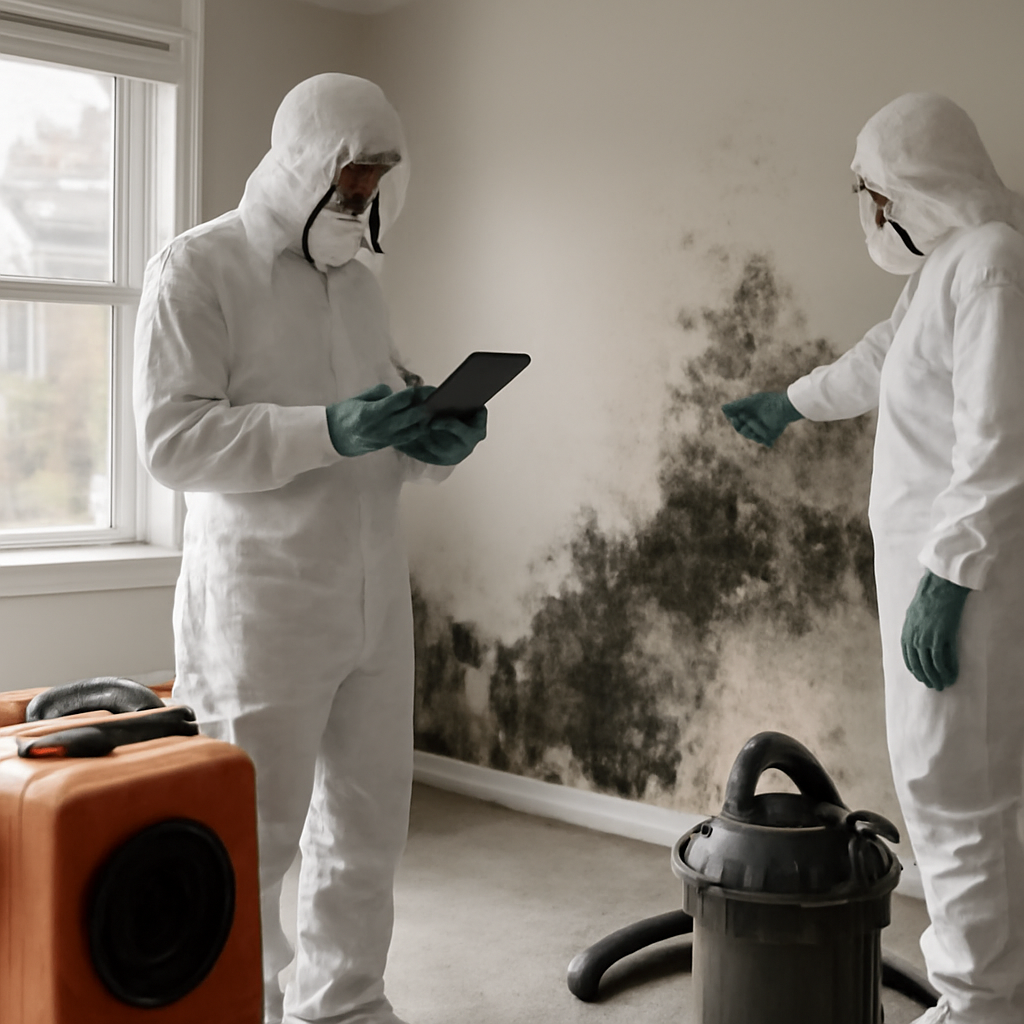
“Mold removal companies near me” is the most-searched phrase in this category, but proximity is the weakest of the criteria that actually determine outcome quality. A vendor 25 miles away with proper credentials, written scope, and clearance discipline outperforms a same-block operator on every metric except response time. This guide summarizes EPA and CDC guidance current as of 2026 and references IICRC consensus standards — consult your physician for symptoms and a certified professional before agreeing to scope or price.
Part of our Mold Removal & Remediation guide — start there for the full picture →
Is this mold, asbestos, or water damage? Get a free instant screen
Upload a clear photo of the suspect area. You'll get an instant AI screening opinion and what to do next. This is screening guidance, not a professional determination.
Screening guidance only. AI can be wrong. Confirm asbestos, mold type, or lead with lab testing or a licensed professional before acting.
What “near me” actually optimizes
Geographic proximity reduces travel surcharges and improves response speed during active moisture events. It does not predict quality of remediation, depth of certification, or willingness to support independent clearance. Use proximity as a starting filter, not a deciding factor.
The right search radius for Front Range homeowners
For most Denver metro and Front Range counties — Douglas, Elbert, Arapahoe, Jefferson, Adams, Boulder, Broomfield, El Paso — a 25-mile radius captures most IICRC-certified firms without significant travel surcharge. Extending to 40 miles for rural areas is reasonable; beyond that, surcharges typically apply.
Credentials worth checking after proximity
IICRC firm certification is verifiable on the IICRC website directly. AMRT (Applied Microbial Remediation Technician) certification covers individual supervising technicians. State contractor licensing applies for rebuild work but not specifically for remediation in most states. Verify each claim with the issuing authority, not the company’s own website.
Insurance levels that match the work
General liability of at least $1 million per occurrence, pollution liability with explicit mold coverage (standard GL policies exclude mold), and workers’ compensation for every technician on site. Request a certificate of insurance naming your address as additional insured for the project duration before any work begins.
Why the assessor should not be the remediator
EPA guidance recommends keeping mold assessment and mold remediation financially separate. The conflict is structural: a firm that diagnoses and treats has every incentive to over-scope. An independent assessor performs the initial evaluation and the post-remediation clearance test.
Written scope of work
The contract should specify affected area in square feet, containment method, HEPA filtration specifications, materials to be removed versus cleaned, antimicrobial products with EPA registration numbers, clearance criteria, and warranty terms. Generic descriptions like “remediate basement mold” are how scope creep enters invoices.
Bid comparison — three quotes, identical scope
The three-bid standard only works when each bid covers an identical scope. Use the independent assessor’s report as the scope-defining document, hand it to each prospective vendor, and require quotes against that scope. Bids on different scopes cannot be compared and typically produce the lowest-price-wins outcome that often leads to recurrence.
Reading reviews critically
Five-star reviews without detail, no project description, and clustered posting dates often indicate review-mining services. Look for reviews that describe contamination type, job duration, and clearance outcome. Negative reviews about surprise invoices or scope changes are more diagnostic than generic praise.
Response time expectations
For active water events, four-hour response is standard among quality firms. For scheduled remediation following an assessment, a one to two week lead time is reasonable. Vendors who claim same-day remediation on a Condition 3 job are often skipping containment setup or independent clearance — both non-negotiable steps.
What containment line items should show
6-mil polyethylene sheeting forming a containment barrier, zippered entry, decontamination chamber at the access point, negative-air machine vented outdoors maintaining pressure differential, and HEPA-rated air scrubber running during work. Any quoted job involving visible active mold without these line items is non-compliant with IICRC S520.
HEPA filtration — what to verify
True-HEPA filtration captures particles to 0.3 microns at 99.97 percent efficiency. Both the air scrubber and the technicians’ vacuums should be HEPA-rated. Shop-Vacs without HEPA filtration aerosolize spores. Ask the vendor to provide model numbers and HEPA certifications before signing.
Independent clearance testing
Post-remediation verification by an independent third party — not the remediation contractor — uses air and surface sampling to confirm the affected area now reads similar to or better than outdoor baseline. The homeowner pays the assessor directly. Clearance is the only objective evidence the work is complete. Reading the remediation certifications and standards breakdown helps you specify clearance terms in the contract.
Pricing context for the region
Residential remediation in the Front Range typically runs $1,500 to $9,000 depending on contamination area and materials. Sub-$1,000 quotes are usually Condition 2 cleaning rather than remediation. Above $10,000 should trigger a second independent assessment and additional bids.
Red flags during the quote process
Door-to-door solicitation after a storm, demands to sign assignment-of-benefits paperwork before assessment, pressure to pay in full up front, refusal to provide a certificate of insurance, resistance to independent clearance testing, and unwillingness to itemize line items are all individually disqualifying.
The four-phase methodology to verify
Phase one engineering controls (containment, negative air, HEPA scrubber), phase two removal of contaminated porous materials, phase three HEPA cleaning of all surfaces, phase four preparation for independent clearance. Bids missing any phase are incomplete. Compare the proposed methodology against the mold inspection hub framework.
What homeowners should do before vendors arrive
Stop the moisture source. A remediator called to a still-leaking pipe is being asked to fail. Document affected area with photos and dates, save all communication with insurers in writing, and isolate pets and immunocompromised family members from the affected zone until clearance passes.
How to handle insurance assignment-of-benefits paperwork
Some restoration companies present assignment-of-benefits (AOB) forms early in the process, transferring your insurance negotiation rights to the contractor. Reading and signing AOB paperwork before consulting your insurance broker is rarely in the homeowner’s interest. Decline until your broker has reviewed the document.
Subcontracted crews versus W-2 employees
Some firms subcontract remediation crews from third-party labor pools. Subcontracted crews are not necessarily lower quality, but accountability for property damage and quality complaints becomes harder when a chain of subcontractors is involved. Ask whether technicians are W-2 employees of the contracting firm.
Warranty terms for local jobs
A 12-month warranty against recontamination under unchanged moisture conditions is reasonable. The warranty should exclude new water events but cover any return of mold inside the originally contaminated area within the warranty period. Vague “satisfaction guarantee” language is marketing, not warranty.
When to call a professional
Visible mold larger than 10 square feet, mold inside HVAC components, contamination tied to sewage backup, persistent water intrusion, and any mold in a property being prepared for sale all warrant professional remediation. Smaller scopes can be DIY using EPA guidance and proper PPE.
How “near me” performs differently for emergency versus scheduled work
For emergency water events, proximity matters because four-hour response is achievable only within a reasonable service radius. For scheduled remediation after assessment, proximity is much less important — the work is planned, the technicians arrive at an agreed time, and travel surcharges are typically minimal within reasonable distances. Apply the proximity filter differently depending on whether the work is urgent or planned.
What “service area” really means
A firm’s “service area” reflects where they’re willing to send a truck and crew at standard pricing. Beyond that radius, travel surcharges or refusal to bid become common. Front Range Denver-based firms typically cover Adams, Arapahoe, Boulder, Broomfield, Denver, Douglas, Jefferson counties at standard pricing; Elbert, Larimer, and El Paso may incur surcharges. Ask explicitly during the bid.
Why some local firms aren’t actually local
National franchise locations often display local addresses but route calls through corporate dispatch in another state. The local label may be marketing rather than operations. Verify with a phone call: do they have a physical office in your county, how many trucks operate from that office, and what is the response time SLA they will commit to in writing.
How the moisture source diagnosis affects local choice
Some moisture sources — slab leaks, vapor intrusion from below grade, recurring HVAC condensate problems — are easier to diagnose with a contractor familiar with local construction styles, climate, and common failure modes. Front Range homes have specific patterns related to clay-soil expansion, dry indoor humidity in winter, and altitude-related HVAC sizing. Local experience helps with diagnosis.
How to evaluate company longevity
Companies with five-plus years of consistent operation under the same name and ownership are typically more reliable than newer entities or businesses that have rebranded recently. Verify Colorado Secretary of State business filings, look for documented year of founding rather than marketing claims, and ask for the longest customer relationship the firm can point to.
Trade association membership versus IICRC certification
Some firms cite “trade association memberships” that are actually paid directory listings with no quality threshold. IICRC certification, by contrast, requires technician training, exams, and continuing education. Distinguish credentialed organizations from pay-to-list directories when evaluating company claims.
Vehicle and equipment as informal indicators
Marked vehicles, professional uniforms, and well-maintained equipment are informal but useful indicators of process maturity. A crew arriving in an unmarked van with personal clothing and rental equipment may be perfectly competent — or may indicate a shoestring operation. Combine these informal indicators with formal credential checks.
Local building-code familiarity
Front Range jurisdictions have specific requirements for permits when drywall replacement exceeds defined thresholds, when electrical work is involved, and when HVAC reconnection is part of the scope. Local contractors familiar with these thresholds avoid permit-related delays. Out-of-area contractors sometimes skip permits inadvertently and create resale disclosure issues.
How seasonal demand affects local availability
Front Range mold demand spikes after spring snowmelt (April-May) and after summer thunderstorm clusters. During these peaks, local firms operate at capacity and lead times extend. If your situation isn’t acute, scheduling during off-peak periods (late fall through early winter) often produces better availability and occasionally better pricing.
How to use Better Business Bureau records
BBB records show formal complaints, response patterns, and accreditation status. A high BBB rating with multiple resolved complaints in the last 12 months is more informative than no record at all. Records showing repeated unresolved complaints, especially around scope changes or invoice disputes, are reliable warning signs.
How to make the final selection
After three scope-matched quotes, compare line items rather than bottom-line totals. Verify IICRC firm certification through the IICRC website. Confirm insurance limits and pollution endorsement. Award the contract to the firm whose documentation and answers hold up to scrutiny — not the firm with the lowest number.
References
- EPA mold remediation guidance — U.S. Environmental Protection Agency
- CDC about mold and health — Centers for Disease Control and Prevention
- OSHA mold worker protection — Occupational Safety and Health Administration
- InterNACHI mold inspection standards — International Association of Certified Home Inspectors
- CDPHE indoor air quality and mold — Colorado Department of Public Health and Environment
Frequently asked questions
Does proximity matter more than credentials for mold removal?
No. Proximity reduces travel surcharges and improves response time, but IICRC firm certification, AMRT-certified supervisors, and pollution liability insurance carry more weight in outcome quality. Use proximity as a starting filter only.
How fast should a mold removal company respond?
For active water events, four-hour response is standard. For scheduled remediation following assessment, one to two weeks of lead time is normal. Same-day remediation claims on Condition 3 jobs often mean skipped containment or clearance steps.
What's a reasonable search radius?
For Front Range homeowners, 25 miles typically captures qualified IICRC-certified firms without significant travel surcharge. Extending to 40 miles is reasonable for rural areas; beyond that, surcharges typically apply.
Should I sign assignment-of-benefits paperwork?
Not without your insurance broker reviewing it first. AOB documents transfer your insurance negotiation rights to the contractor, which is rarely in the homeowner's interest during a multi-phase claim.
Front Range homeowners weighing local remediation options can get in touch here for help identifying an independent assessor to scope the job before quotes.
Mold removal & cleanup picks
For a small, contained patch (under ~10 sq ft) these EPA-friendly removers handle surface mold. Larger or recurring growth warrants a professional assessment first.
| Product | Why | Buy |
|---|---|---|
 RMR-86 Instant Mold Stain Remover | Fast-acting on stains; ventilate and wear PPE. | Amazon — $29.99 |
 Concrobium Mold Control | No-bleach formula that also helps prevent regrowth. | Amazon — $11.26 |
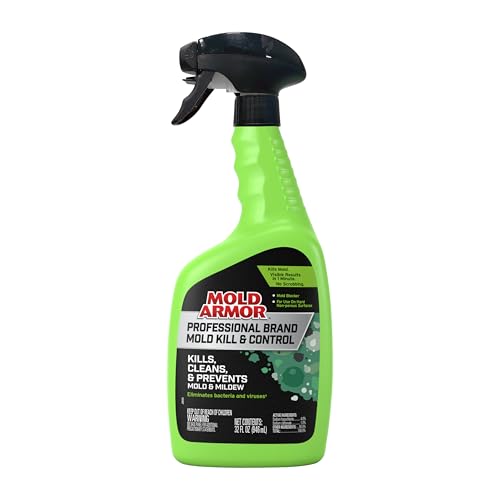 Mold Armor Mold & Mildew Remover | Widely stocked bathroom/surface remover. | Amazon — $22.98 |