Mold and Mildew Removal Companies Near Me: A Guide
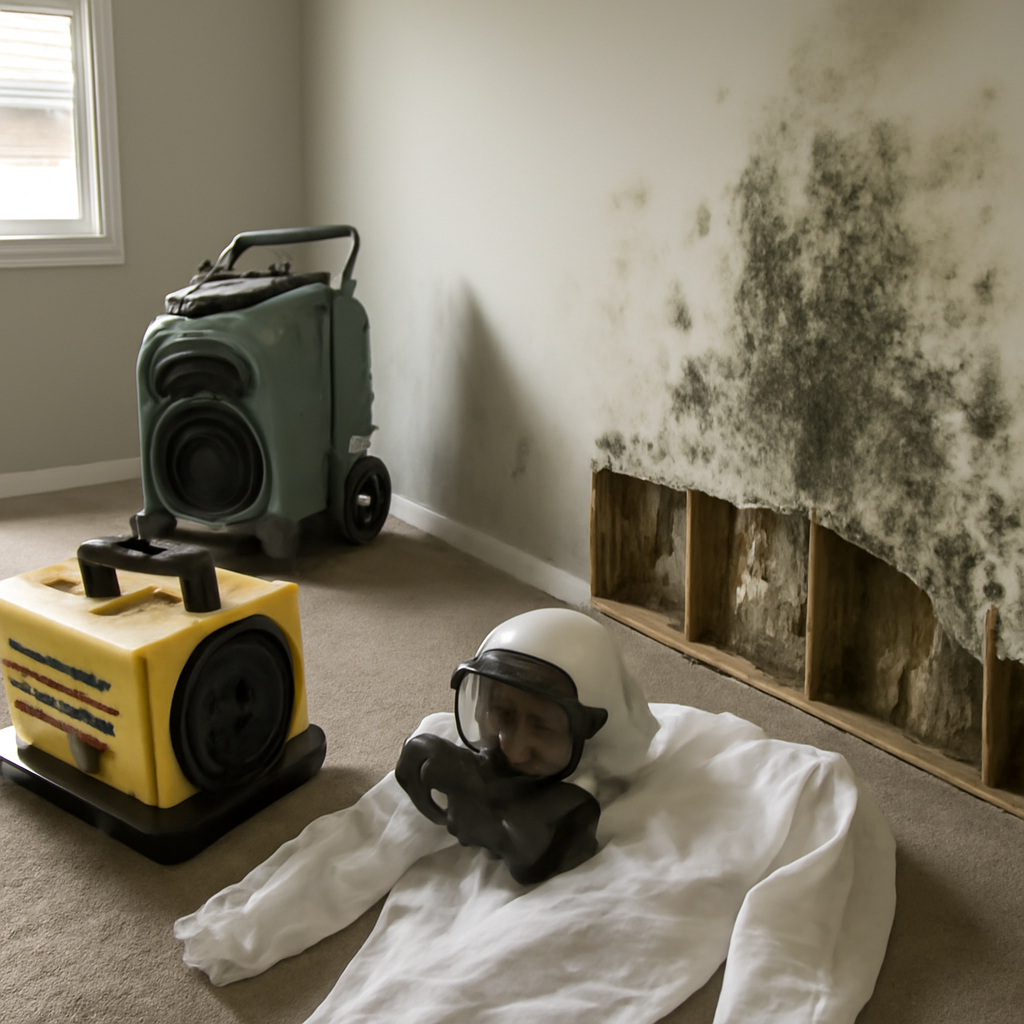
When mold spreads past a patch you can wipe away, the next step is hiring help, and a search for “mold and mildew removal companies near me” returns a crowded field. Some firms are skilled, certified, and fair. Others overscope the work, oversell testing, or cut corners on containment. Knowing how to tell them apart saves money and protects your home. This guide explains how to evaluate remediation companies and what legitimate service looks like. It summarizes EPA and CDC guidance current as of 2026; consult your physician for symptoms and a certified professional for remediation decisions.
Is this mold, asbestos, or water damage? Get a free instant screen
Upload a clear photo of the suspect area. You'll get an instant AI screening opinion and what to do next. This is screening guidance, not a professional determination.
Screening guidance only. AI can be wrong. Confirm asbestos, mold type, or lead with lab testing or a licensed professional before acting.
How Do You Choose Mold and Mildew Removal Companies Near Me?
The strongest candidates share a few traits. They hold recognized certifications, carry liability insurance, follow established remediation standards, and provide a written scope of work with a clear price. They also fix or coordinate the moisture source, because the EPA is emphatic that mold returns if the water problem is not solved. A company that scrubs and leaves without addressing the leak is selling a temporary result.
Start by confirming credentials. Look for certifications from the Institute of Inspection, Cleaning and Restoration Certification or InterNACHI, and verify the company carries general liability insurance and workers’ compensation. Ask whether they follow guidance such as the EPA’s mold remediation recommendations and industry standards for containment. A reputable firm answers these questions readily and puts the answers in writing.
Beyond credentials, judge communication. A good company inspects the area, explains the cause, defines a containment and removal plan, and walks you through what success looks like. Vague promises and pressure to sign immediately point the other direction. The mold inspection and testing hub outlines how an independent assessment can guide your hiring before you call any removal crew.
Mold Versus Mildew: Does the Difference Matter?
Homeowners often use the terms interchangeably, but the distinction shapes who you need. Mildew is a surface growth, usually powdery and white or gray, common on shower tile and fabrics. It typically wipes away with cleaner and rarely requires a contractor. True mold growth penetrates materials, can spread within walls and under floors, and is what remediation companies address.
If your problem is surface mildew on bathroom grout, you likely do not need a removal company at all. The guide on how to clean mold covers the small jobs a homeowner can handle. Removal companies earn their fee when growth is extensive, has invaded porous materials, follows water damage, or sits inside building cavities where DIY cleaning cannot reach.
What Does Professional Mold Remediation Include?
Quality remediation follows a recognizable sequence. The crew assesses the extent of growth and the moisture source, then establishes containment to keep spores from spreading to clean areas. Containment often means plastic sheeting and negative air pressure with HEPA-filtered air scrubbers. Workers wear protective equipment, and the EPA recommends this approach scale up with the size of the job.
Next comes removal. Non-salvageable porous materials, such as saturated drywall, carpet, and insulation, are bagged and discarded. Salvageable hard surfaces are cleaned and HEPA-vacuumed. The area is dried thoroughly, because residual moisture invites regrowth. Finally, the moisture source is corrected or referred to the appropriate trade, and many firms recommend post-remediation verification to confirm the work succeeded. A company that skips containment or drying is not following accepted practice.
What Should Mold Removal Cost?
Costs depend on the size of the affected area, the materials involved, accessibility, and your region. Industry sources commonly cite a wide range, with small contained jobs at the lower end and whole-home or structural remediation reaching several thousand dollars or more. Attic, crawl space, and HVAC contamination raise costs because of access and complexity.
Get at least two or three written estimates and compare not just totals but scope. One bid may include containment, disposal, and drying while another quietly omits them, making the cheaper bid more expensive once the missing work is added back. The guide on mold removal cost per square foot explains how to read these estimates, and the professional mold removal cost guide covers the variables that move the price.
How to Vet a Removal Company
Credentials and Insurance
Confirm certification from a recognized body and verify active liability insurance and workers’ compensation. Uninsured workers on your property expose you to liability if someone is injured. Ask for proof rather than taking verbal assurance.
Independence From Testing
Be cautious when one company both tests and removes, because that structure rewards inflated findings. An ideal arrangement uses an independent assessor to define the problem and a separate firm to perform the remediation, with post-work verification by the independent party. When the same firm does everything, ask how they keep the diagnosis honest.
Written Scope and Warranty
Insist on a detailed written scope: what will be removed, how containment will be set up, how the area will be dried, and how the moisture source will be addressed. Ask whether they offer any warranty and what it covers. A handshake estimate scribbled on a notepad is a red flag.
References and Reviews
Request recent local references and read independent reviews. The guide on finding and vetting a mold professional details the questions that separate skilled firms from opportunists. Patterns matter more than any single review.
Red Flags to Avoid
Several behaviors should end the conversation. High-pressure sales that demand an immediate signature, refusal to provide a written scope, and dramatic claims about “toxic black mold” used to justify a large bill are all warning signs. The CDC considers the term “toxic mold” misleading, so leaning on it heavily is usually marketing rather than science.
Other red flags include companies that skip containment to save time, do not address the moisture source, cannot show insurance, or offer a price far below every other bid. A lowball quote often signals omitted steps that surface as change orders later. Trust firms that educate you about the cause and resist the urge to inflate the scope.
Understanding Certifications and Standards
The credentials a removal company holds are easier to weigh once you know what they mean. The Institute of Inspection, Cleaning and Restoration Certification, often abbreviated IICRC, certifies technicians in mold remediation and water damage restoration, and its standards are widely referenced in the trade. The American Council for Accredited Certification offers mold remediator and assessor credentials. InterNACHI provides mold-related certifications to inspectors.
Beyond individual certifications, ask whether the company follows recognized guidance such as the EPA’s mold remediation recommendations and established industry standards for containment, removal, and clearance. These standards exist precisely because mold work done badly can spread the problem rather than solve it. A company that can name the standards it follows and explain how its process aligns with them is demonstrating competence; one that waves the question away is not. Verifying credentials directly with the issuing body, rather than trusting a website badge, is a quick step that filters out firms making claims they cannot back up. The guide on finding a mold professional covers how to confirm these credentials.
What to Do Before the Crew Arrives
A little preparation makes a remediation job smoother and protects your belongings. Before the crew arrives, move furniture, electronics, and valuables out of the work area if it is safe to do so, since these can collect spores or be damaged during the work. Photograph the affected area and the moisture source for your own records and any insurance claim. Clear a path for the crew to carry materials and equipment in and out.
Discuss logistics in advance: where they will set up containment, how long the job will take, whether you and pets should stay out of the area, and how they will protect the rest of the home. Confirm the agreed scope and price in writing one more time. Asking these questions upfront sets expectations and gives you a baseline to judge the work against. A reputable company welcomes the questions; one that seems annoyed by them is telling you something about how the job will go. The guide on what mold remediation entails helps you anticipate each stage.
Local Versus National Mold Removal Companies
The search for nearby companies turns up both independent local firms and branches of national franchises, and each has trade-offs. National brands offer name recognition, standardized procedures, and the resources to handle large losses quickly, which can matter after a major flood. Their pricing, however, can run higher, and the quality of any given branch depends on local management and crews rather than the brand alone.
Independent local firms often offer more personal service and competitive pricing, and an established local company has a reputation in the community to protect. The downside is variability: local quality ranges widely, so vetting matters even more. For most homeowners, the brand is less important than the specifics, certification, insurance, written scope, containment practice, and references. A well-vetted local firm and a well-run national branch can both do excellent work; the screening questions, not the logo, predict the outcome. The guide on mold remediation and removal covers what quality work looks like regardless of company size.
Getting and Comparing Estimates
Collect at least two or three written estimates before committing. A useful estimate specifies the affected area, the materials to be removed, the containment method, the drying plan, and how the moisture source will be handled. Vague one-line quotes make comparison impossible and often hide omitted steps that resurface as change orders.
Compare scope before price. The lowest bid frequently leaves out containment, disposal, or drying, which makes it the most expensive option once the missing work is added back. Ask each company to walk you through their estimate line by line, and note who explains the cause of the problem versus who simply quotes a number. A firm that ties its estimate to the moisture source and a clear remediation plan is generally the safer choice, even if it is not the cheapest. Beware any bid that comes in dramatically below the others, since that gap usually reflects skipped steps rather than efficiency.
What to Expect During the Remediation Process
Understanding the day-to-day flow of a remediation job helps you hold a company accountable. After the initial assessment and agreement on scope, the crew typically arrives to set up containment first. For larger jobs this means sealing off the work area with plastic sheeting and establishing negative air pressure with HEPA-filtered air scrubbers, so spores cannot escape into clean parts of the home while materials are disturbed.
Removal follows. Workers in protective equipment cut out and bag contaminated porous materials, then clean and HEPA-vacuum salvageable hard surfaces. The area is dried with fans and dehumidifiers, often over a day or more, because residual moisture would undo the work. Finally, the crew or a separate trade addresses the moisture source. A reputable company documents each phase with photographs and explains what they are doing and why. If a firm shows up, scrubs surfaces, and leaves the same afternoon with no containment or drying, the job was not done to standard.
How Long Does Mold Removal Take?
Timelines vary with the size and complexity of the job. A small, contained area might be handled in a day, while a larger project involving demolition, extensive drying, and reconstruction can stretch across several days or more. Drying time is often the limiting factor, because materials and cavities must reach an acceptable moisture level before the area is closed up.
Beware of a company that promises an unrealistically fast turnaround on a substantial job. Rushing through containment or skipping proper drying produces a cosmetic result that fails within weeks. A firm that gives you a realistic timeline, including the drying period, is generally more trustworthy than one that guarantees the problem will vanish overnight. Ask up front how long each phase will take so you can recognize corner-cutting if it happens.
Insurance and Mold Remediation
Whether homeowners insurance covers mold removal depends on the cause. Many policies cover mold only when it results from a sudden, covered event such as a burst pipe, and they often exclude mold caused by long-term neglect, gradual leaks, or flooding, which typically requires separate flood coverage. Reading your policy and documenting the cause matters before you assume the bill is covered.
A reputable remediation company will document the damage thoroughly to support a claim, but it should not promise that insurance will pay, since that decision rests with the insurer. Be cautious of firms that aggressively pitch insurance billing or encourage misrepresenting the cause of the damage. The guide on whether homeowners insurance covers black mold explains how coverage typically works and what documentation helps. Keeping your own photos and records of the water source and damage strengthens any claim.
The Role of an Independent Inspection
An independent inspection before hiring a removal crew is one of the most cost-effective steps a homeowner can take. An assessor with no stake in the removal work locates the moisture source, defines the true extent of growth, and gives you an objective scope to bid against. Armed with that document, you can compare removal companies on equal terms and resist overscoping.
The same independent party can perform post-remediation verification, confirming through visual inspection and, if warranted, sampling that the work resolved the problem. This check matters because remediation you pay for should leave the home dry and clean, not merely cosmetically improved. Separating diagnosis, removal, and verification keeps every party accountable.
Preventing the Next Mold Problem
The best outcome after remediation is never needing it again. The EPA’s core prevention message is moisture control: keep indoor humidity below 50 percent, fix leaks promptly, ventilate bathrooms and kitchens, and dry wet materials within 24 to 48 hours. Front Range homes often see basement and crawl space moisture, so dehumidification and grading that directs water away from the foundation pay off.
Ask your removal company what caused the growth and what specific prevention steps apply to your home. A firm focused on long-term results will offer that guidance; one focused on the transaction will not. When the moisture source is genuinely fixed and humidity stays controlled, mold rarely returns to the same spot. That durable result, not just a clean surface, is what you are paying for. The best remediation companies understand this and frame their work around it, which is why the questions you ask about the moisture source often tell you more about a firm’s quality than its price ever will.
References
- Mold Cleanup in Your Home — U.S. Environmental Protection Agency
- Mold Remediation in Schools and Commercial Buildings — U.S. Environmental Protection Agency
- About Mold and Health — Centers for Disease Control and Prevention
- Mold and Your Health — Colorado Department of Public Health and Environment
Front Range homeowners weighing mold and mildew removal companies can get a vetted, independent inspector to scope the problem first. Get in touch through our contact page for a local referral.