Mold Removal Cost Per Square Foot: A Price Guide
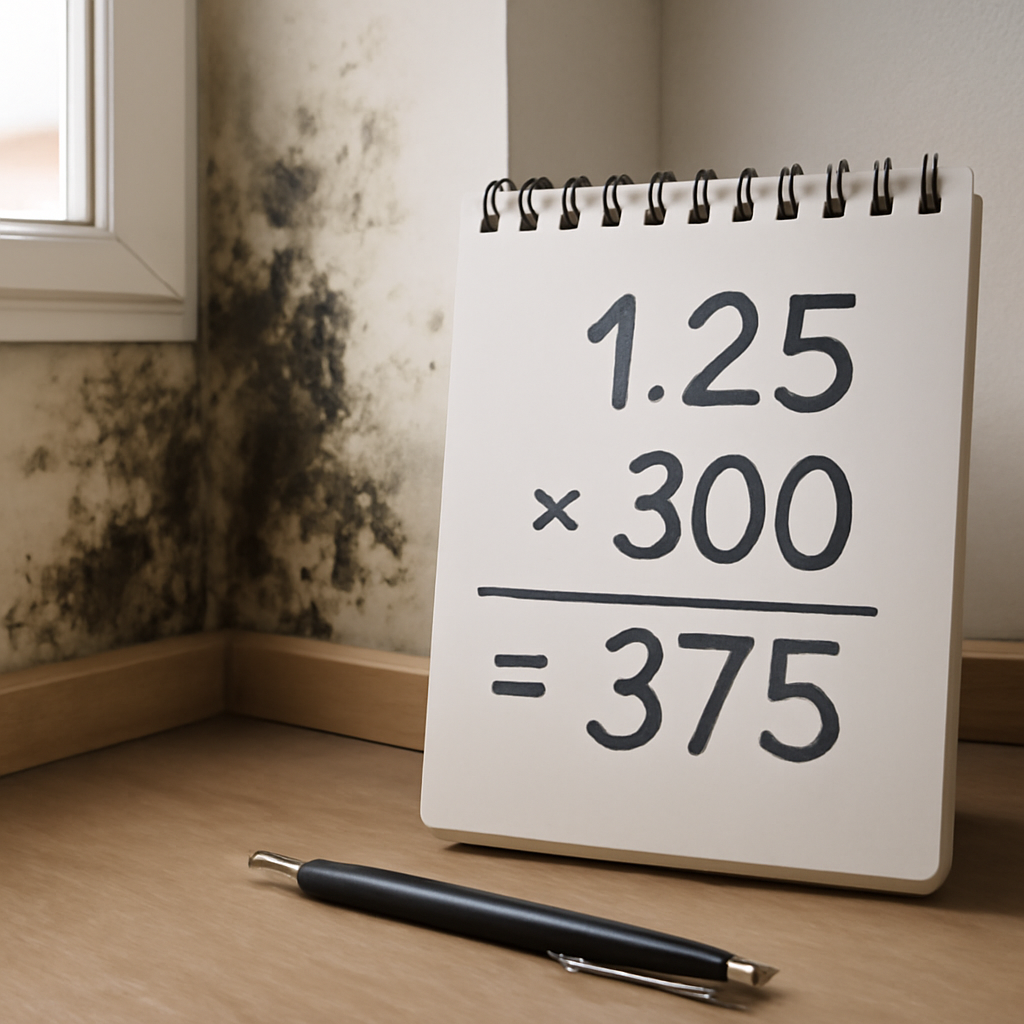
Few home repairs feel as unpredictable as mold cleanup, and the question homeowners ask first is almost always the same: what should this cost? Pricing for remediation is often quoted as a mold removal cost per square foot, but that number alone rarely tells the whole story. The figure shifts with the type of mold, where it grows, how much moisture damage came with it, and the labor rates in your region. This guide summarizes EPA and CDC guidance current as of 2026 and explains how square-foot pricing works in plain language. It does not replace a written estimate from a licensed remediation contractor, and it is not medical advice; consult your physician for health symptoms.
Part of our Mold Removal & Remediation guide — start there for the full picture →
Is this mold, asbestos, or water damage? Get a free instant screen
Upload a clear photo of the suspect area. You'll get an instant AI screening opinion and what to do next. This is screening guidance, not a professional determination.
Screening guidance only. AI can be wrong. Confirm asbestos, mold type, or lead with lab testing or a licensed professional before acting.
What Does Mold Removal Cost Per Square Foot?
Most remediation contractors price small to mid-size jobs in a range of roughly $10 to $25 per square foot for the affected area, with whole-project totals commonly landing between $1,200 and $6,000 for residential work. That per-square-foot band covers containment, HEPA filtration, removal of porous materials, antimicrobial treatment, and disposal. Very small surface jobs may be quoted as a flat fee instead, while severe contamination behind walls or under floors can push the effective rate well above $25.
The square-foot figure is a planning tool, not a guarantee. Two homes with the same visible area can carry very different bills once a crew opens the wall and finds wet framing, contaminated insulation, or a hidden plumbing leak feeding the growth. The EPA’s general rule of thumb is that mold covering more than about 10 square feet usually warrants professional attention, and that threshold is where per-square-foot pricing becomes the practical way to estimate a job.
What Drives the Per-Square-Foot Price?
Several variables move the number up or down. Understanding them helps you read an estimate critically rather than accepting the first quote.
Type and severity of mold
Surface mildew on a painted bathroom wall is far cheaper to address than colonized drywall or wood. When mold has penetrated porous materials, those materials must be cut out and replaced, which adds both labor and rebuild cost. Heavy infestations also require more aggressive containment to keep spores from spreading during the work.
Location in the home
Accessibility matters as much as area. A crawl space or attic with limited headroom slows a crew and raises the rate, while an open basement wall is straightforward. Crawl spaces in particular tend to price higher per square foot because of the awkward working conditions; our overview of crawl space mold remediation cost breaks that down further.
Moisture source and repairs
Mold is a symptom of a water problem. If a leaking pipe, failed grading, or chronic condensation caused the growth, that source has to be fixed or the mold returns. Plumbing repair, drywall replacement, and repainting are often billed separately from the remediation itself.
Typical Cost Ranges by Project Size
It helps to translate the per-square-foot rate into whole-project numbers. A small bathroom or closet job under 10 square feet might run a few hundred dollars or be handled by the homeowner with EPA-recommended precautions. A mid-size job covering a single room — say 100 to 300 square feet of affected wall and floor — commonly falls between $1,500 and $4,500. Large jobs involving multiple rooms, HVAC contamination, or structural drying can exceed $10,000.
Attic and basement remediation often sit at the higher end of the per-square-foot band because of insulation removal and ventilation work. Whole-home contamination, which is rare and usually tied to flooding or long-term neglect, is priced as a custom project rather than by a simple area rate.
What’s Included in a Remediation Estimate?
A complete estimate should itemize more than just the cleanup. Look for containment setup, negative air pressure with HEPA scrubbers, physical removal of contaminated materials, antimicrobial or biocide application, post-remediation cleaning, and disposal fees. Reputable contractors also document the moisture source and recommend the repairs needed to prevent recurrence.
Some companies bundle these into a single per-square-foot rate; others list them as line items. Neither approach is wrong, but the line-item version makes it easier to compare bids and spot gaps. If an estimate omits containment or post-cleaning verification, ask why. Understanding how mold remediation works step by step makes those line items far easier to evaluate.
Testing and Inspection Costs Are Separate
The price to remove mold rarely includes the cost to confirm it. Pre-remediation inspection and air or surface sampling typically run $300 to $700 and are billed independently. The EPA notes that sampling is not always necessary if visible mold is present, since the response is the same regardless of species — find the water, remove the mold, fix the source.
Many homeowners do choose post-remediation verification, especially during a real estate transaction or when health concerns are involved. That clearance testing confirms the work returned the space to normal fungal conditions and is worth budgeting for separately from the per-square-foot removal rate.
Regional and Front Range Considerations
Labor rates vary by metro area, and Colorado’s Front Range is no exception. Denver, Boulder, and Colorado Springs contractors price competitively, but the region’s dry climate changes the picture compared with humid coastal markets. Mold here tends to be tied to specific failures — basement seepage, ice-dam leaks, swamp-cooler condensation, or plumbing — rather than ambient humidity.
That localized pattern often means smaller affected areas and more targeted jobs, which can keep totals lower than in chronically damp climates. It also means finding and correcting the moisture source is usually the deciding factor in the final bill. For broader context on inspection and testing in the region, the mold inspection and testing hub collects guidance for Colorado homeowners.
How to Get an Accurate Quote
Always request a written, itemized estimate after an in-person assessment. Phone quotes based on a verbal description are guesses. Ask the contractor to identify the moisture source, describe the containment plan, and specify whether material replacement and repainting are included or extra.
Collect at least two or three bids for any job over a few hundred dollars. Be wary of estimates that are dramatically lower than the rest, since they often exclude containment or the rebuild. Confirm the company carries liability insurance and follows EPA remediation guidance, and ask whether they recommend independent clearance testing rather than verifying their own work.
When to Hire a Professional vs. DIY
The EPA suggests homeowners can often handle mold on hard surfaces covering less than about 10 square feet using detergent, water, and protective gear. Beyond that area, or anytime mold involves HVAC systems, sewage, or persistent moisture, professional remediation is the safer path. People with asthma, allergies, or weakened immune systems should avoid disturbing mold themselves and consult a physician about exposure.
Hiring out also protects you from the most common DIY mistake: cleaning the surface without fixing the leak, which simply resets the clock. A qualified contractor treats the cause and the symptom together, which is ultimately what the per-square-foot price is paying for.
How Location in the Home Affects Per-Square-Foot Pricing
The same square footage costs different amounts depending on where it sits. Open, accessible areas such as a finished basement wall or a main-floor room are the cheapest to address because a crew can work efficiently and bring equipment in and out easily. Pricing for these spaces tends to land at the lower end of the $10 to $25 band.
Confined and awkward spaces raise the rate. Crawl spaces force workers to operate on their knees or backs in limited headroom, slowing every task and often requiring encapsulation as part of the fix. Attics present heat, insulation removal, and difficult footing. Bathrooms and behind-tile work involve careful demolition around plumbing and finishes. Around HVAC equipment, contamination may require duct cleaning that adds its own cost. When comparing per-square-foot quotes, factor in that a contractor pricing a crawl space at the top of the range is not necessarily overcharging — the working conditions genuinely cost more per square foot than an open wall, and a bid that ignores that reality may be cutting corners.
How Material Type Changes the Cost
The materials involved have a large effect on what a square foot of removal actually costs. Non-porous surfaces such as tile, glass, sealed concrete, and metal can usually be cleaned in place, which keeps the rate at the lower end of the band. The crew treats and HEPA-vacuums the surface rather than tearing anything out, and there is no rebuild expense afterward.
Porous and semi-porous materials are where costs climb. Drywall, carpet, carpet padding, ceiling tile, and fiberglass insulation generally have to be cut out and replaced once mold has colonized them, because the growth penetrates too deeply to clean reliably. That means demolition labor, disposal fees, and a rebuild that adds drywall hanging, taping, texture, and paint. A 100-square-foot wall that only needs surface cleaning might cost a few hundred dollars, while the same wall requiring removal and reconstruction can run several times that. When you read a per-square-foot quote, ask which materials the crew expects to save and which they expect to replace, because that single distinction often explains the gap between two bids.
Hidden Costs That Inflate the Final Bill
The headline per-square-foot rate rarely captures everything. Several add-ons commonly appear once work begins. Structural drying with commercial dehumidifiers and air movers is billed by the day, and a saturated area may need three to five days of equipment. HVAC cleaning becomes necessary if spores have entered the ductwork, which is its own line item. Disposal of contaminated materials carries dump fees that scale with volume.
Then there is the moisture-source repair. A plumber, roofer, or foundation contractor may be needed to fix the leak or grading problem that caused the mold, and that trade is usually separate from the remediation company. Permits can apply when structural elements are replaced. Finally, post-remediation clearance testing adds $300 to $600. None of these are hidden in a dishonest sense, but homeowners who budget only for the square-foot rate are frequently surprised. A thorough contractor will flag the likely add-ons during the assessment so the total is realistic from the start.
How to Compare Bids Fairly
Because contractors structure quotes differently, comparing them takes care. Put each bid into the same framework: what area is covered, which materials are removed versus cleaned, whether containment and HEPA filtration are included, whether drying equipment and its rental days are listed, and whether the rebuild and moisture-source repair are in or out of scope. A bid that looks cheap often excludes the rebuild or the source fix, which simply shifts those costs to a later invoice.
Ask each contractor to identify the moisture source in writing and to state whether they recommend independent clearance testing. Bids that vary wildly usually differ in scope, not just price, so a line-by-line comparison reveals which one is actually complete. Three written estimates give you enough range to spot both the lowball that omits critical steps and the outlier that pads the job.
Insurance and Mold Removal Costs
Whether insurance offsets the per-square-foot cost depends on the cause. Many homeowners policies cover mold only when it results from a covered, sudden event — a burst pipe or an appliance overflow, for example — and exclude mold caused by long-term neglect, deferred maintenance, or flooding. Coverage caps for mold remediation are common, often limiting payouts to a few thousand dollars even when the policy responds.
If you plan to file a claim, document the damage thoroughly with photos before any cleanup, keep the contractor’s itemized estimate, and notify your insurer promptly. An independent assessment can support the claim by tying the mold to a specific covered event. Because coverage varies so widely, read your policy’s mold provisions or call your agent before assuming the cost will be reimbursed. The distinction between a sudden leak and gradual moisture intrusion frequently decides whether a claim succeeds.
References
- Mold Cleanup in Your Home — U.S. Environmental Protection Agency
- About Mold and Your Health — Centers for Disease Control and Prevention
- Mold and Your Health — Colorado Department of Public Health and Environment
Frequently asked questions
Is mold removal priced by the square foot or as a flat fee?
Both methods are common. Larger jobs are usually quoted per square foot of affected area, often $10 to $25, while very small surface jobs may carry a flat fee. Always ask which method a contractor uses and what it includes.
Does the per-square-foot price include fixing the leak?
Usually not. Remediation pricing covers cleanup and material removal, but plumbing repair, drywall replacement, and repainting are frequently billed separately. Ask the contractor to confirm what is and is not included.
Do I need mold testing before remediation?
Not always. The EPA notes that if mold is visible, the cleanup response is the same regardless of species. Testing is most useful for hidden mold, clearance verification, or real estate transactions.
How big does a mold problem have to be before I hire a pro?
The EPA suggests professional help for areas larger than about 10 square feet, or anytime mold involves HVAC systems, sewage, or ongoing moisture. People with health conditions should avoid disturbing mold themselves.
If you are on the Front Range and want a clear read on the size and cost of a mold problem before you commit to a remediation contract, reach out through our contact page to connect with a vetted local inspector.
Mold removal & cleanup picks
For a small, contained patch (under ~10 sq ft) these EPA-friendly removers handle surface mold. Larger or recurring growth warrants a professional assessment first.
| Product | Why | Buy |
|---|---|---|
 RMR-86 Instant Mold Stain Remover RMR-86 Instant Mold Stain Remover | Fast-acting on stains; ventilate and wear PPE. | Amazon — $29.99 |
 Concrobium Mold Control Concrobium Mold Control | No-bleach formula that also helps prevent regrowth. | Amazon — $34.27 |
 Mold Armor Mold & Mildew Remover Mold Armor Mold & Mildew Remover | Widely stocked bathroom/surface remover. | Amazon — $22.98 |