House Mold Removal Cost: Full Breakdown
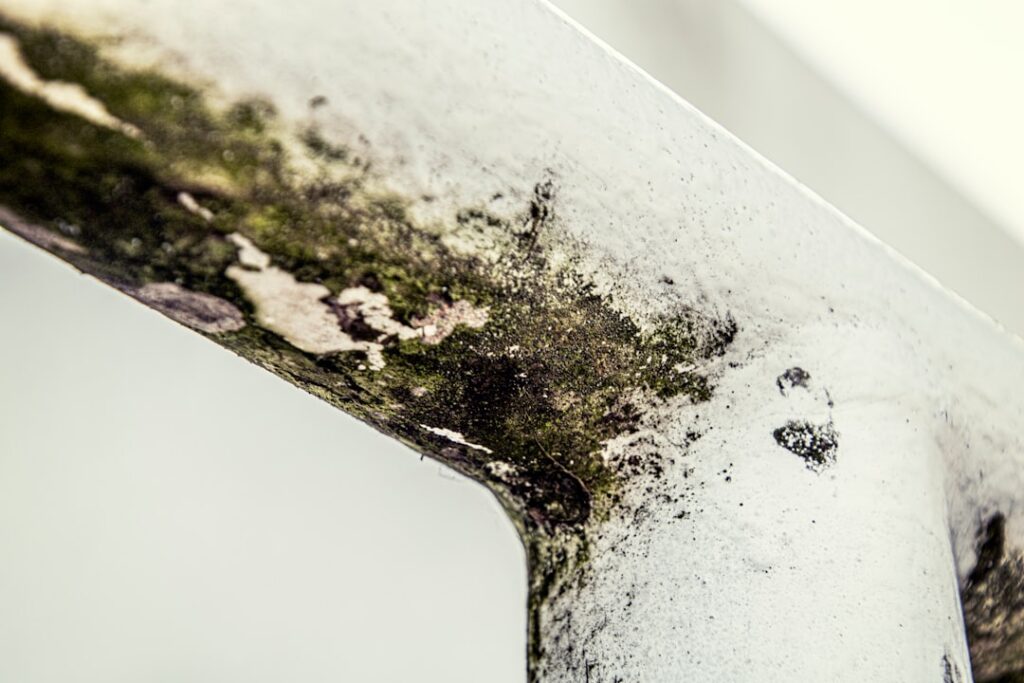
House Mold Removal Cost: A Whole-Home Breakdown
House mold removal cost is driven by three big variables: the size of your home and the affected area, where the growth is located, and how severe the damage has become. A whole-house project can range from a few thousand dollars to well into five figures depending on how those factors stack up; these are general industry estimate ranges for planning, not a quote for your property. Because mold is a moisture problem, the EPA and CDC both emphasize that lasting removal requires fixing the water source, which is its own cost line. The information here is educational and is not a remediation or medical diagnosis.
Part of our Mold Removal & Remediation guide — start there for the full picture →
Is this mold, asbestos, or water damage? Get a free instant screen
Upload a clear photo of the suspect area. You'll get an instant AI screening opinion and what to do next. This is screening guidance, not a professional determination.
Screening guidance only. AI can be wrong. Confirm asbestos, mold type, or lead with lab testing or a licensed professional before acting.
Why House-Wide Costs Differ From a Single Room
Removing mold from one bathroom is a contained, predictable job. A whole-house problem is different because growth in multiple areas usually shares a common moisture cause, such as high humidity, a failing roof, or foundation water, and treating it means addressing that systemic issue, not just scrubbing surfaces. The price reflects scale, complexity, and the need to solve the root condition across the building.
This is why whole-home estimates carry wider ranges than single-room jobs. Two houses of the same square footage can cost very differently depending on how far the moisture problem has spread and how deep into the structure it has gone.
Home Size and Affected Area
Square footage is the most direct cost driver. More affected area means more labor to remove and clean, more materials to replace, and more contaminated debris to dispose of. A few square feet in one room is inexpensive; growth spread across several rooms, a finished basement, or an attic multiplies every line item.
It is the affected area, not just the home’s total size, that matters most. A large house with one small patch costs far less than a smaller house where moisture has colonized multiple wall cavities. Inspectors map the true extent before pricing for this reason.
Location of the Growth
Where mold grows changes the cost dramatically. Surface growth on accessible walls is the cheapest to treat. Growth inside wall cavities, under flooring, above ceilings, in crawl spaces, or within HVAC ductwork is far more expensive because crews must open up the structure to reach it and then rebuild afterward.
HVAC contamination deserves special mention: when growth establishes inside the duct system, it can distribute spores throughout the entire house, expanding the scope from one area to the whole property and raising the cost accordingly.
Severity and Structural Damage
Severity ranges from light surface growth to deeply embedded colonies that have rotted framing, subflooring, or sheathing. Light cases need cleaning and minor material replacement. Severe cases require removing and rebuilding structural components, which adds both demolition and reconstruction to the bill.
Long-standing moisture problems tend to fall on the severe end because the water has had time to penetrate and degrade materials. Catching a problem early is the most effective way to keep a whole-house job from escalating into a major reconstruction project.
The Cost of Containment at Scale
Whole-house work demands extensive containment to keep spores from migrating between rooms during removal. Crews build plastic barriers, seal off zones, and run HEPA-filtered negative-air machines, often setting up and tearing down containment in several areas as the work progresses. The larger the job, the more this protective infrastructure contributes to the total.
Cutting containment to save money is a false economy on a house-wide job, because spreading spores to clean areas can expand the very problem you are paying to eliminate.
Moisture Repair Across the Home
A whole-house mold problem almost always has a systemic moisture cause. Resolving it may involve roof repair, foundation drainage improvements, crawl-space encapsulation, added ventilation, or whole-home dehumidification. These repairs are essential and can represent a substantial portion of the project, but skipping them guarantees regrowth.
To understand where that moisture originates, see our guide to finding the source of mold in a house. Solving the source is what separates a permanent fix from a recurring expense.
Reconstruction and Rebuild Costs
After removal, the materials taken out must be replaced: drywall, insulation, flooring, trim, and paint. On a whole-house job, reconstruction can rival or exceed the remediation itself, especially if structural members were affected. Clarify whether your estimate includes rebuild or stops at removal, because the difference can be many thousands of dollars.
Some companies handle both; others coordinate with general contractors. Either way, budget for putting the home back together as a distinct phase of the project.
Regional and Access Factors
Labor and disposal rates vary by region, so identical work costs differently across the country. Access also matters: a sprawling single-story home is easier to work in than a multi-story house with tight stairwells, and difficult access raises labor hours. Urgency, such as needing the job done quickly, can add cost as well.
Insurance Considerations for Whole-House Jobs
For large losses, insurance becomes important. Coverage often hinges on whether the underlying water event was sudden and accidental, like a burst pipe, versus gradual neglect, which many policies exclude. Mold payouts are also frequently capped. Thorough documentation of the originating event and an itemized scope improve your odds with an adjuster, so keep detailed records from the start.
How Multiple Moisture Sources Compound Cost
Whole-house problems frequently involve more than one moisture source acting at once, and the combination drives cost higher than any single issue would. A home might have a chronic roof leak feeding attic and ceiling growth, foundation moisture feeding the basement, and high indoor humidity feeding scattered growth in between. Each source must be identified and corrected, because fixing one while leaving the others active allows growth to persist where it was missed.
Untangling multiple sources is part of what makes whole-house assessment essential and whole-house pricing wider in range than single-room work. A thorough inspection that maps every contributing source prevents the costly scenario of remediating visible growth, declaring victory, and then watching new growth emerge from a source that was never addressed. Budgeting for a whole-house job means budgeting to fix all the moisture problems, not just the most obvious one.
How Inspectors Determine the True Scope
Accurate whole-house pricing depends on accurately measuring the problem, which is why a thorough assessment precedes any reliable quote. Inspectors map visible growth, then use moisture meters to find wet material behind intact surfaces and thermal imaging to reveal hidden dampness and missing insulation. They trace the moisture source and evaluate whether the cause is localized or systemic, since that distinction drives much of the cost.
This scoping step matters more on whole-house jobs than anywhere else, because hidden growth uncovered mid-project is the leading cause of cost overruns. A quote built on a careful assessment, including what lies behind walls and under floors, is far more dependable than one based on a quick visual walk-through. Investing in a proper assessment up front protects you from a quote that balloons once demolition begins.
Temporary Relocation and Living Costs
Large whole-house projects sometimes make a home temporarily uninhabitable, adding costs beyond the remediation itself. Extensive containment, demolition, and drying can disrupt key living areas, and households with health sensitivities may need to stay elsewhere during the work. Temporary lodging, meals, and storage of belongings are real expenses that homeowners often overlook when budgeting a major job.
Ask your contractor early how long the project will take and which areas will be unusable. Building these living costs into the overall budget prevents an unwelcome surprise, and in some cases insurance that covers the underlying water event may also help with additional living expenses, so review your policy and document everything.
Budgeting for a Whole-House Project
Get multiple itemized bids covering the same scope, including containment, moisture repair, and rebuild. Build in a contingency of 10 to 20 percent for hidden damage uncovered once walls open up, which is common on large jobs. For framing across the cost siblings, compare mold removal company cost and the flagship black mold removal cost guide, and start any project with a clear mold inspection.
How Inspectors Determine the True Scope
Accurate whole-house pricing depends on accurately measuring the problem, which is why a thorough assessment precedes any reliable quote. Inspectors map visible growth, then use moisture meters to find wet material behind intact surfaces and thermal imaging to reveal hidden dampness and missing insulation. They trace the moisture source and evaluate whether the cause is localized or systemic, since that distinction drives much of the cost.
This scoping step matters more on whole-house jobs than anywhere else, because hidden growth uncovered mid-project is the leading cause of cost overruns. A quote built on a careful assessment, including what lies behind walls and under floors, is far more dependable than one based on a quick visual walk-through. Investing in a proper assessment up front protects you from a quote that balloons once demolition begins.
Phased Versus All-at-Once Projects
Whole-house mold work can sometimes be staged rather than done in one pass, which affects both cost and disruption. Tackling the most severe or health-relevant areas first, then addressing lesser areas as budget allows, can spread the expense over time. The trade-off is that an unaddressed area sharing a systemic moisture cause may continue to grow, so phasing works best when the underlying moisture problem is corrected at the outset.
Doing everything at once typically costs less in total because containment and crew mobilization happen only once, and it resolves the systemic issue completely. Discuss both approaches with your contractor; the right choice depends on the severity, your budget, and whether the moisture cause can be fully fixed early so phased areas do not worsen while waiting.
Temporary Relocation and Living Costs
Large whole-house projects sometimes make a home temporarily uninhabitable, adding costs beyond the remediation itself. Extensive containment, demolition, and drying can disrupt key living areas, and households with health sensitivities may need to stay elsewhere during the work. Temporary lodging, meals, and storage of belongings are real expenses that homeowners often overlook when budgeting a major job.
Ask your contractor early how long the project will take and which areas will be unusable. Building these living costs into the overall budget prevents an unwelcome surprise, and in some cases insurance that covers the underlying water event may also help with additional living expenses, so review your policy and document everything.
Preventing the Next Whole-House Problem
Once a whole-house mold problem is resolved, protecting the investment means addressing the conditions that allowed it to spread so widely. Whole-home humidity control, well-maintained ventilation, a sound roof and envelope, proper foundation drainage, and prompt response to any future water event keep the home from sliding back into the conditions that fed the original outbreak.
These preventive measures are far cheaper than another whole-house remediation. Given that house-wide problems usually stem from systemic moisture, a modest ongoing commitment to moisture management is the single most cost-effective thing a homeowner can do after a major job. To understand the conditions you are maintaining against, our broader guidance on halting growth and controlling humidity applies directly to keeping a whole home dry.
References
- EPA: Mold Cleanup in Your Home
- CDC: Basic Facts About Mold and Dampness
- EPA: A Brief Guide to Mold, Moisture and Your Home
Frequently asked questions
What makes whole-house mold removal more expensive than one room?
A house-wide problem usually shares a systemic moisture cause and spans multiple areas, so the cost includes solving the root condition, extensive containment, and broader rebuild.
Does the size of my home determine the price?
The affected area matters more than total square footage. A large home with one small patch costs less than a smaller home with growth in multiple wall cavities.
Is reconstruction included in a mold removal quote?
Not always. Rebuilding drywall, flooring, and trim is sometimes a separate phase that can rival the removal cost, so confirm what your estimate covers.
Will fixing the moisture source add to my cost?
Yes, but it is essential. Roof, drainage, or ventilation repairs prevent regrowth; skipping them means paying to remove the same mold again.
Facing a whole-home mold problem? Contact our inspectors for a full-property assessment before you budget.
Mold removal & cleanup picks
For a small, contained patch (under ~10 sq ft) these EPA-friendly removers handle surface mold. Larger or recurring growth warrants a professional assessment first.
| Product | Why | Buy |
|---|---|---|
 RMR-86 Instant Mold Stain Remover RMR-86 Instant Mold Stain Remover | Fast-acting on stains; ventilate and wear PPE. | Amazon — $29.99 |
 Concrobium Mold Control Concrobium Mold Control | No-bleach formula that also helps prevent regrowth. | Amazon — $11.26 |
 Mold Armor Mold & Mildew Remover Mold Armor Mold & Mildew Remover | Widely stocked bathroom/surface remover. | Amazon — $22.98 |