Black Mold Removal Cost: 2026 Guide
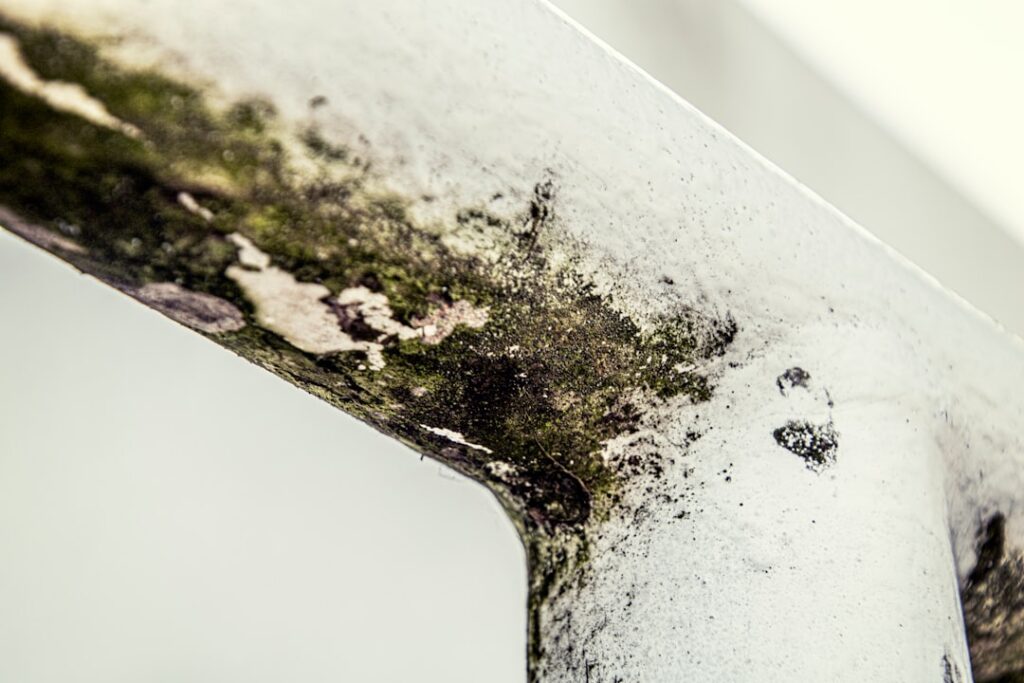
Black Mold Removal Cost: The Complete 2026 Guide
Black mold removal cost typically runs higher than ordinary mold cleanup, with professional projects commonly falling between roughly $1,000 and $6,000 for contained areas and reaching $10,000 or more for severe, whole-house, or structural cases; these are widely cited industry estimate ranges for planning, not a quote for your home. The premium exists because black mold, usually the genus Stachybotrys, grows on material that has stayed wet for a long time, which means more structural damage, more material to remove, and more extensive moisture repair. Both the EPA and CDC stress that the lasting fix is moisture control, not species hunting, and that response is the same regardless of type. This guide is educational and is not a remediation or medical diagnosis for your specific property.
Part of our Black Mold & Your Health guide — start there for the full picture →
Is this mold, asbestos, or water damage? Get a free instant screen
Upload a clear photo of the suspect area. You'll get an instant AI screening opinion and what to do next. This is screening guidance, not a professional determination.
Screening guidance only. AI can be wrong. Confirm asbestos, mold type, or lead with lab testing or a licensed professional before acting.
Why Black Mold Costs More to Remove
The higher price tag is not about the color or the species name itself; it is about the conditions black mold requires. Stachybotrys chartarum needs cellulose-rich material such as drywall, cardboard, or wood that has stayed soaked for an extended period. By the time it establishes, the water problem has usually been present for weeks or months, which means deeper damage to materials and structure.
That extended water exposure drives every cost upward. More drywall and framing must come out, the moisture problem behind it is often more serious, and the reconstruction is larger. In other words, you are paying not for the mold itself but for the aftermath of long-term water damage that the mold reveals.
The Core Cost Range Explained
For planning, think in tiers. A small, contained black mold patch caught relatively early may land in the low thousands. A multi-room or hidden problem moves into the middle of the range. A severe case with structural rot, HVAC contamination, or whole-house spread pushes into five figures. Where your situation falls depends on the four drivers covered below: size, location, severity, and the moisture source.
These tiers overlap with the broader mold cost siblings, but black mold skews toward the upper end of each because of its association with prolonged water damage. For DIY-versus-pro framing on mold generally, see how much it costs to remove mold.
Driver One: Size of the Affected Area
Square footage is the most direct cost factor. A small contained patch needs limited labor, materials, and disposal. Growth that has spread across multiple walls, a basement, or an attic multiplies every line item. The EPA’s guidance that areas under about 10 square feet can sometimes be handled by a homeowner applies cautiously to ordinary mold, but black mold’s structural involvement often pushes even modest areas toward professional work.
Inspectors measure the true affected area, including hidden growth behind surfaces, before pricing. Because black mold frequently hides inside wall cavities fed by a long-running leak, the visible patch is often smaller than the actual contaminated zone, which can surprise homeowners when the quote arrives.
Driver Two: Location of the Growth
Accessible surface growth is the cheapest to treat. Black mold inside wall cavities, under flooring, above ceilings, in crawl spaces, or within HVAC ductwork costs far more because crews must open the structure to reach it, then rebuild. HVAC contamination is especially costly because the duct system can distribute spores throughout the house, expanding a localized job into a whole-home one.
Location also affects how much demolition is required. Reaching growth behind tile, cabinetry, or built-in fixtures means removing and replacing those elements, adding both labor and material to the bill.
Driver Three: Severity and Structural Damage
Severity is where black mold earns its reputation for expense. Because it grows on long-soaked material, it frequently coincides with rotted framing, degraded subflooring, and compromised sheathing. Treating it then requires structural removal and reconstruction, not just surface cleaning. The longer the moisture has been present, the deeper this damage runs.
This is why early detection saves money so dramatically. A black mold problem caught within weeks of a leak costs a fraction of one discovered after months of hidden growth that has rotted the structure behind the wall.
Driver Four: The Moisture Source
Every black mold job includes fixing the water that fed it, and with black mold the source is often a serious, persistent problem: a chronic roof leak, a foundation moisture issue, a long-running plumbing failure, or sustained high humidity. Resolving these can be a substantial separate expense, but skipping the repair guarantees the growth returns. To pinpoint the cause, see how to find the source of mold in a house.
The moisture component is the single most important investment in the whole project. Spending thousands on removal while leaving a leak active is the most expensive mistake a homeowner can make.
What the Professional Process Includes
A licensed black mold removal project follows the standard remediation sequence, with extra care given the structural involvement. It begins with assessment and scoping, followed by robust containment using sealed barriers and HEPA-filtered negative air. Crews then remove contaminated porous materials, clean and treat salvageable surfaces, dry the area thoroughly, repair the moisture source, rebuild, and verify the result.
Containment is particularly important with black mold because disturbing it during removal can release spores. For a full component-by-component breakdown of these steps and their costs, see what mold remediation costs.
DIY vs. Licensed Professional for Black Mold
While the EPA suggests homeowners can sometimes handle small mold areas under about 10 square feet, black mold deserves extra caution. Its association with structural water damage and the difficulty of fully removing it from porous, soaked materials mean DIY is appropriate only for very small, recently formed surface patches on non-porous materials, and only with proper protective gear and containment.
For anything involving soaked drywall, hidden growth, large areas, structural damage, HVAC involvement, or occupants with health sensitivities, a licensed professional is the prudent choice. The cost of doing it wrong, including spreading spores and missing hidden structural rot, typically exceeds the savings of DIY. Professionals also document the work, which matters for insurance and resale.
Comparing Black Mold to Other Cost Scenarios
Black mold removal generally costs more than the equivalent job for common molds like Cladosporium or Penicillium, precisely because of the structural water damage involved. For whole-property scope, compare house mold removal cost; for what companies charge in general, see mold removal company cost. Identifying mold visually is covered in our guide to what mold looks like, and you can begin any project with a thorough mold inspection.
Does Insurance Cover Black Mold Removal?
Insurance coverage for black mold hinges on the originating water event. Many homeowners policies help when mold results from a sudden, accidental, covered event such as a burst pipe or a sudden appliance failure, but exclude growth caused by long-term moisture neglect or deferred maintenance. Because black mold often stems from prolonged, unaddressed water, claims can be challenging.
Many policies also cap mold-related payouts at a fixed amount regardless of the actual cost. To improve your chances, document the originating event thoroughly with photos and dates, keep records of repairs, and obtain an itemized scope from your remediation firm. An adjuster will look closely at whether the water damage was sudden or gradual, so clear evidence matters.
Hidden Costs to Anticipate
Several expenses surprise homeowners on black mold jobs. Hidden growth discovered once walls are opened can expand the scope mid-project. Structural repairs to rotted framing or subfloor add cost beyond the mold work itself. Temporary relocation may be necessary during extensive remediation. And reconstruction, replacing all the removed drywall, flooring, and trim, can rival the remediation cost on a large job.
Building a contingency of 15 to 20 percent into your budget cushions against these surprises, which are more common with black mold than with ordinary surface mold because of the structural element.
How to Get an Accurate, Fair Quote
Collect at least three itemized bids that cover the same scope, including assessment, containment, removal, moisture repair, reconstruction, and verification. Confirm each firm carries liability insurance and follows recognized industry practices for mold remediation. Be wary of any company that delivers an alarming on-the-spot diagnosis paired with a high-pressure, high-priced offer.
An independent assessment from a party that does not also perform the removal gives you an unbiased scope to compare bids against. That accurate scope is the single biggest lever on getting a fair final price for a black mold job.
How Early Detection Slashes the Cost
Nothing controls black mold cost more powerfully than catching it early. Because the genus grows on material that has stayed wet for an extended period, the longer a moisture problem goes unnoticed, the deeper the damage runs and the larger the eventual bill. A leak found and dried within days may produce no black mold at all, or only a small surface patch. The same leak ignored for months can rot framing, contaminate insulation, and spread inside wall cavities, turning a minor fix into a major reconstruction.
This relationship between time and cost is the strongest argument for responding quickly to any water event and for periodic inspection of moisture-prone areas. The expense of monitoring and prompt repair is trivial compared to the cost of remediating advanced black mold that has compromised the structure. Vigilance, not any product or technique, is the most effective cost-control measure a homeowner has.
The Cost of Testing and Documentation
Some black mold situations justify spending on testing even though the EPA notes that visible growth usually does not require it. When growth is hidden, when you need documentation for an insurance claim or a real estate dispute, or when you want post-remediation verification, sampling adds cost but provides evidence. Air and surface samples interpreted against an outdoor baseline, plus laboratory analysis, contribute to the total.
Weigh testing against its purpose. For a clear-cut visible problem you intend to remediate regardless, sampling adds expense without changing the response. For a contested insurance claim or a transaction where documentation carries weight, the cost can be worthwhile. Decide based on whether the information will actually affect a decision rather than testing reflexively.
Financing and Insurance Strategy
For a large black mold project, how you fund the work matters. If the originating water event was sudden and covered, pursue the insurance claim aggressively with thorough documentation: dated photos, repair records, and an itemized scope from your remediation firm. Adjusters scrutinize whether damage was sudden or gradual, so evidence that the water event was abrupt strengthens your position, while a known long-term leak weakens it.
Where insurance does not apply or caps the payout, some remediation firms offer payment plans, and addressing the most critical areas first can spread the expense. Avoid letting cost pressure push you toward a cut-rate job that omits containment or the moisture fix, because a failed remediation of black mold is among the most expensive mistakes to correct later.
Budgeting Realistically for Black Mold
For a small, recently formed contained patch, plan for the lower thousands. For multi-room, hidden, or structural problems, expect the middle to upper range and add a healthy contingency of 15 to 20 percent for hidden damage uncovered once walls open up. Always budget the moisture repair as a core expense rather than an afterthought, because it is what prevents you from paying for the same removal twice. Catching the problem early remains the most powerful cost-control measure available, often making the difference between a modest job and a five-figure reconstruction.
References
- EPA: Mold Cleanup in Your Home
- CDC: Basic Facts About Mold and Dampness
- EPA: A Brief Guide to Mold, Moisture and Your Home
- NIEHS: Mold Health Topic
Frequently asked questions
How much does black mold removal cost?
Professional projects commonly range from roughly $1,000 to $6,000 for contained areas, reaching $10,000 or more for severe, whole-house, or structural cases. Your quote depends on size, location, and damage.
Why is black mold more expensive to remove than other mold?
Black mold grows on long-soaked, cellulose-rich material, so it usually coincides with deeper structural damage and a more serious moisture problem, both of which raise the cost.
Can I remove black mold myself?
Only for very small, recently formed surface patches on non-porous materials with proper gear and containment. Soaked drywall, hidden growth, or structural damage call for a licensed professional.
Will insurance cover black mold removal?
Sometimes, when it stems from a sudden covered event like a burst pipe, but policies often exclude long-term moisture neglect and cap mold payouts. Document the water event thoroughly.
What is the most expensive mistake with black mold?
Paying to remove it without fixing the moisture source. The growth returns to the same spot, so the water repair must be part of the project budget.
Dealing with suspected black mold? Request an independent assessment from our inspection team before you commit to a remediation bid.
Mold removal & cleanup picks
For a small, contained patch (under ~10 sq ft) these EPA-friendly removers handle surface mold. Larger or recurring growth warrants a professional assessment first.
| Product | Why | Buy |
|---|---|---|
 RMR-86 Instant Mold Stain Remover RMR-86 Instant Mold Stain Remover | Fast-acting on stains; ventilate and wear PPE. | Amazon — $29.99 |
 Concrobium Mold Control Concrobium Mold Control | No-bleach formula that also helps prevent regrowth. | Amazon — $34.27 |
 Mold Armor Mold & Mildew Remover Mold Armor Mold & Mildew Remover | Widely stocked bathroom/surface remover. | Amazon — $22.98 |