Mold Removal Brooklyn: A Homeowner Guide
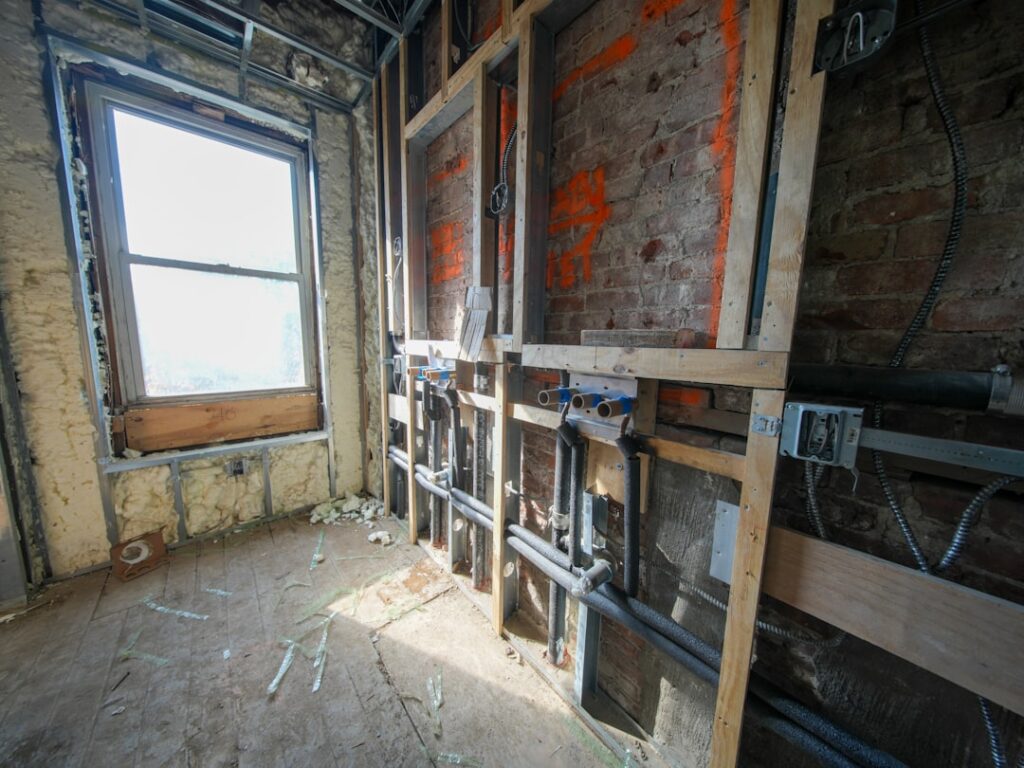
Brooklyn’s housing stock is unusually mold-prone for reasons that have little to do with weather alone. Century-old brownstones, converted basements, tightly packed row houses, and aging apartment buildings all trap moisture in ways newer suburban homes do not. Add humid New York summers and steam-heat condensation in winter, and growth finds plenty of footholds. Understanding what drives mold removal Brooklyn projects helps tenants and owners alike act before a small patch spreads. This guide summarizes EPA and CDC guidance current as of 2026; consult your physician for health symptoms and a certified professional for testing and removal decisions.
Part of our Mold Removal & Remediation guide — start there for the full picture →
Is this mold, asbestos, or water damage? Get a free instant screen
Upload a clear photo of the suspect area. You'll get an instant AI screening opinion and what to do next. This is screening guidance, not a professional determination.
Screening guidance only. AI can be wrong. Confirm asbestos, mold type, or lead with lab testing or a licensed professional before acting.
What mold removal involves in Brooklyn
Removal is the physical elimination of mold growth and the materials it has colonized, paired with drying so it cannot return. In dense older buildings, the work often means tracing moisture that travels between units or rises from a damp cellar. A contractor locates the water source, contains the area, removes unsalvageable porous materials, cleans the rest, and dries the space to a verified level.
The EPA’s rule of thumb applies in any borough: growth larger than about 10 square feet generally warrants professional handling, while small surface spots can be cleaned by a careful occupant. Brooklyn complicates that simple rule in two ways. First, the density of attached housing means a small visible patch can be the surface symptom of a much larger problem inside a shared wall. Second, New York’s licensing rules apply once a job exceeds a modest size, so the threshold for calling a professional is partly legal as well as practical. An occupant who finds more than a minor surface spot is usually looking at a job that both the EPA’s guidance and state law point toward a qualified contractor handling.
Why Brooklyn buildings grow mold
The age and density of the housing are the real story here.
Brownstone and row-house cellars
Many brownstones have stone or brick cellars below grade that wick groundwater. Finished basement apartments built into these spaces stay damp without dehumidification, feeding mold behind walls and under flooring.
Shared walls and hidden leaks
In attached row houses and apartment buildings, a leak in one unit can wet the wall of the next. Plumbing risers, old cast-iron stacks, and roof failures send water through shared assemblies where it is hard to trace.
Steam heat and condensation
Older buildings heated by steam radiators see sharp temperature swings that condense moisture on cold exterior walls and windows, especially in winter. Poor ventilation in compact apartments compounds the problem. Steam systems also tend to overheat units, prompting residents to open windows in winter, which drives further condensation as warm, moist indoor air meets cold surfaces and glass. The result is recurring growth around window frames, on closet walls against the building exterior, and in corners that the heat never quite reaches.
Below-grade and garden apartments
Brooklyn’s many basement and garden-level apartments sit partly or fully below grade, where they are closest to groundwater and farthest from natural ventilation. These units stay cooler and damper than upper floors, and finishes added to make a cellar habitable often trap moisture against masonry that needs to breathe. They are among the most mold-prone living spaces in the borough.
Does New York City regulate mold removal?
New York State requires licensing for mold assessment and remediation contractors on most jobs above a small size threshold, with limited exemptions for very small areas and for owners working on their own residences. New York City also has local rules and a complaint process for tenants in rental housing. Because licensing applies, Brooklyn residents should confirm a contractor holds the appropriate state license and keeps assessment separate from remediation on larger jobs. Our guide to certified mold remediation explains the credentials to verify.
The state framework is unusually protective for homeowners because it formalizes the separation of roles. Under New York’s structure, the licensed assessor who writes the remediation plan and the licensed remediation contractor who performs the work are meant to be independent, which removes much of the conflict of interest that plagues unlicensed markets elsewhere. A Brooklyn resident hiring for a covered job should verify both licenses, ask to see the written remediation plan the assessor produced, and confirm that the company performing the cleanup is not the same one that wrote the plan. This is one of the few places where the rules do a homeowner’s vetting for them, provided the homeowner actually checks the credentials rather than taking them on faith.
What does mold removal cost in Brooklyn?
Costs reflect the affected area, the materials, and access in tight urban buildings. Small contained jobs commonly run a few hundred dollars, while multi-room or cellar remediation can reach several thousand, with extensive contamination running higher still. Brooklyn pricing tends to run higher than the national average because of labor costs and the difficulty of working in occupied, attached buildings.
The licensing requirement also factors into price. Because covered jobs require both a licensed assessor and a licensed remediation contractor, a Brooklyn homeowner pays for two roles where a homeowner in an unlicensed state might pay for one — but that cost buys the independence that protects against an inflated scope. Access is the other big driver: narrow staircases, occupied units, shared walls that must be opened carefully, and the need to protect neighbors with containment all add labor. An assessment to scope the work and produce the remediation plan is a separate cost, and reconstruction is generally quoted apart from the remediation itself. Compare our breakdowns of the cost to remove mold and mold remediation cost per square foot.
The mold removal process
- Find the moisture — a leak, groundwater, or condensation, sometimes from an adjacent unit.
- Contain the area with sheeting and negative air pressure to protect neighbors.
- Remove porous materials such as saturated drywall, carpet, and insulation.
- Clean and HEPA-vacuum salvageable surfaces.
- Dry thoroughly with dehumidifiers and air movers.
- Verify dryness and cleanliness before rebuilding.
Our companion guide on how mold remediation is done covers each step.
Renters versus owners
Responsibility differs by situation. Owners control repairs and hire contractors directly. Renters in Brooklyn should report mold and underlying leaks to the landlord in writing and may use the city’s housing complaint process if the problem is not addressed. Either way, the EPA principle holds: the moisture source must be fixed, not just the visible mold.
For renters, written documentation is the key protection. A dated email or letter describing the mold and the suspected leak creates a record that the landlord was notified, which matters if the problem persists and the tenant later needs to escalate. Photographs of the growth and any water source strengthen that record. New York City maintains a complaint process for housing-maintenance issues, and persistent mold tied to a leak generally falls within a landlord’s repair obligations. Tenants should keep copies of all correspondence and avoid disturbing extensive growth themselves, both for safety and because remediation in a rental is usually the owner’s responsibility to arrange through a licensed contractor.
Preventing mold in an older Brooklyn building
Prevention focuses on moisture and ventilation. Run bathroom and kitchen exhaust fans, use a dehumidifier in damp cellars, keep indoor humidity below about 50 percent, insulate cold exterior walls to reduce condensation, and report leaks promptly so they do not migrate between units. The mold inspection and testing hub explains when independent testing helps in shared buildings.
A few habits suit the borough’s older housing specifically. Pulling furniture a few inches off cold exterior walls lets air circulate where condensation tends to form. In a steam-heated apartment, a thermostatic radiator valve, where one can be installed, reduces the overheating that prompts open winter windows. Wiping condensation off single-pane windows during cold snaps keeps that water from running into sills and frames. And in a below-grade unit, a properly sized dehumidifier running through the humid months does more than any cleaner to hold the space below the moisture level mold needs. Because problems in attached buildings can originate next door, reporting a leak early — even one that seems minor — keeps it from becoming a shared, multi-unit project later.
Mold in Brooklyn co-ops and condos
Apartment living adds a layer of complexity that single-family homeowners rarely face. In a co-op or condo, responsibility for a leak and the resulting mold can fall to the building, the shared structure, or the individual unit owner depending on where the water originates and what the governing documents say. A leak inside a common wall or from a roof is typically the building’s responsibility, while a problem confined to a unit’s own plumbing may belong to the owner. Documenting the source in writing and notifying the building’s management or board promptly protects an owner’s position, because delays can complicate who pays for both the repair and the remediation.
Tracing moisture between attached units
The defining challenge of Brooklyn’s attached housing is that water rarely respects unit boundaries. A pinhole leak in a riser, a failed roof flashing, or condensation on a shared cold wall can wet materials in a neighboring apartment, and the visible mold may appear far from the actual source. This is why a careful contractor or assessor in a multi-unit building looks beyond the obvious patch, using moisture meters and sometimes thermal imaging to trace dampness back to its origin. Cleaning the visible mold in one apartment while the source sits in another simply guarantees the problem returns.
Working in occupied, historic buildings
Many Brooklyn remediation jobs happen in occupied buildings full of irreplaceable historic detail — original plaster, moldings, and woodwork. Containment becomes especially important to keep spores from spreading to neighbors during the work, and crews must balance thorough removal against preserving period materials that cannot simply be replaced. A contractor experienced with brownstones and prewar buildings approaches demolition conservatively, removing only what is truly necessary and protecting the surrounding finishes. That care often costs more in labor but spares a homeowner the loss of features that give these homes their value.
How dense urban living shapes the problem
Brooklyn concentrates a set of conditions that, taken together, explain why mold is such a persistent feature of life there. Buildings share walls, so a moisture problem in one home becomes a neighbor’s problem. Many structures are a century or more old, with original plaster, masonry, and plumbing that age into the leaks and condensation that feed growth. Units are often small and packed, with limited cross-ventilation, so the moisture generated by ordinary living — cooking, showering, drying clothes — lingers instead of clearing. Steam heat overheats apartments in winter, prompting open windows and the condensation that follows. Below-grade and garden apartments sit close to groundwater. None of these factors is unique to Brooklyn, but their concentration is, and it is why a homeowner or renter there cannot treat mold as a rare event. The practical response is steady attention: controlling humidity within one’s own unit, reporting leaks early before they migrate, and recognizing that in attached housing the source of a problem is not always inside one’s own walls. Living well with the borough’s housing means managing moisture as an ongoing condition rather than reacting to it only when growth becomes visible.
When to call a professional
Call a licensed contractor when growth exceeds the small-area threshold, when moisture appears to come from an adjacent unit, when mold returns after cleaning, or when a musty odor persists without a visible source. People with asthma or weakened immunity should avoid disturbing mold and let a professional manage containment. Because New York’s licensing rules apply to most jobs beyond a small size, the decision to hire is often settled by law as much as by preference, and confirming both the assessor’s and the remediator’s licenses is the step that turns that legal protection into a real one for a Brooklyn resident.
References
- Mold Cleanup in Your Home — U.S. Environmental Protection Agency
- About Mold and Health — Centers for Disease Control and Prevention
- A Brief Guide to Mold, Moisture and Your Home — U.S. Environmental Protection Agency
Frequently asked questions
Why is mold common in Brooklyn buildings?
Old brownstones, below-grade cellars, shared walls, steam-heat condensation, and humid summers all trap moisture. Leaks in dense attached buildings can travel between units and feed hidden growth.
Does New York require a license for mold removal?
Yes, New York State licenses mold assessment and remediation contractors for most jobs above a small threshold, with limited exemptions. Confirm your contractor holds the appropriate license.
How much does mold removal cost in Brooklyn?
Small contained jobs often run a few hundred dollars, while multi-room or cellar work can reach several thousand. Urban labor costs and occupied attached buildings push prices above the national average.
What should renters do about mold in Brooklyn?
Report the mold and the underlying leak to the landlord in writing, and use the city's housing complaint process if it is not addressed. The moisture source must be fixed, not just the visible mold.
Brooklyn owners and buyers who want an independent read on a damp cellar or recurring mold can reach out through our contact page to connect with a qualified inspector.
Mold removal & cleanup picks
For a small, contained patch (under ~10 sq ft) these EPA-friendly removers handle surface mold. Larger or recurring growth warrants a professional assessment first.
| Product | Why | Buy |
|---|---|---|
 RMR-86 Instant Mold Stain Remover | Fast-acting on stains; ventilate and wear PPE. | Amazon — $29.99 |
 Concrobium Mold Control | No-bleach formula that also helps prevent regrowth. | Amazon — $11.26 |
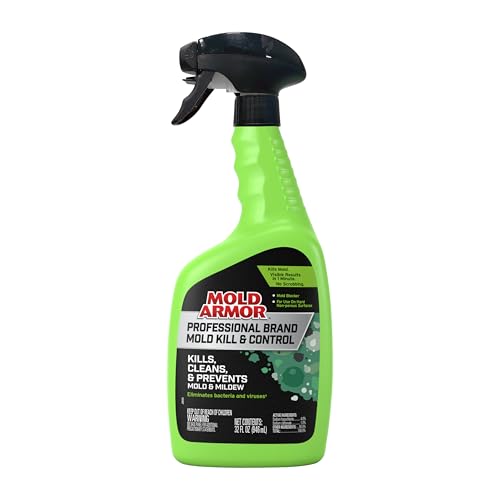 Mold Armor Mold & Mildew Remover | Widely stocked bathroom/surface remover. | Amazon — $22.98 |