Mold Remediation Brooklyn: A Homeowner’s Guide
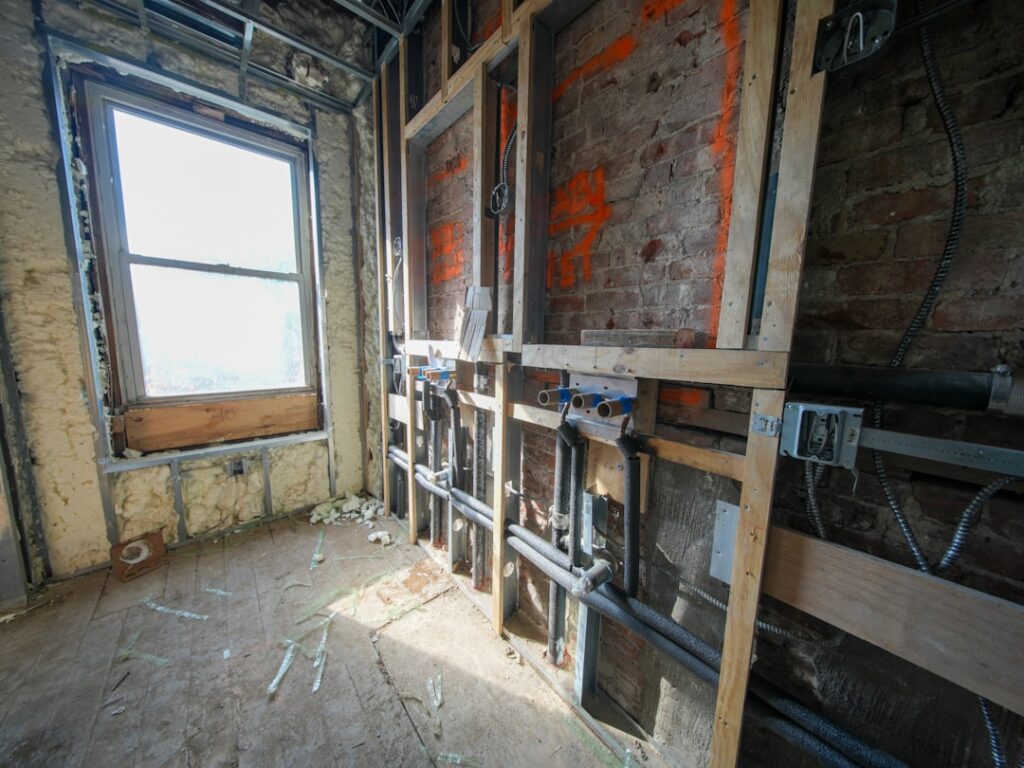
Brooklyn’s older brownstones, brick rowhouses, and basement apartments create conditions where mold thrives: tight construction, shared walls, below-grade living space, and the humidity of a coastal city. Mold remediation in Brooklyn comes with an added layer most of the country does not face — New York State and New York City both regulate who can perform the work and how. This guide summarizes EPA and CDC guidance current as of 2026 and is informational only; confirm licensing and consult a qualified, state-licensed remediation professional before any work begins.
Is this mold, asbestos, or water damage? Get a free instant screen
Upload a clear photo of the suspect area. You'll get an instant AI screening opinion and what to do next. This is screening guidance, not a professional determination.
Screening guidance only. AI can be wrong. Confirm asbestos, mold type, or lead with lab testing or a licensed professional before acting.
What Mold Remediation Involves in Brooklyn
Remediation is the structured process of removing mold, correcting the moisture that caused it, and restoring the affected area. In Brooklyn that process is shaped by New York State law: under the state’s mold program, contractors performing mold assessment or remediation on projects above a defined size threshold generally must hold a New York State Department of Labor mold license. The same person typically cannot both assess and remediate the same job, which is meant to prevent a conflict of interest where the company diagnosing the problem also profits from the cleanup.
For a homeowner, that means a Brooklyn remediation job often involves two parties: a licensed assessor who identifies the scope and writes a remediation plan, and a separate licensed remediation contractor who carries it out. Smaller projects below the regulatory threshold may not trigger the licensing requirement, but verifying current rules with the New York State Department of Labor before hiring is the safe move.
What It Typically Costs
Mold remediation pricing in Brooklyn tends to run higher than the national average because of labor costs, dense building stock, and the licensing structure. A small, contained job — a bathroom or a closet — might fall in the $700 to $1,500 range. A basement or cellar with significant growth, common in Brooklyn’s below-grade spaces, often runs $2,000 to $6,000. Extensive contamination involving structural drying, demolition, and reconstruction can climb well beyond that.
The separate assessment, where required, adds a few hundred dollars for the inspection and written protocol. These figures are industry-estimate ranges, not quotes; the only reliable number comes from an on-site evaluation. Our general overview of mold removal costs explains the variables that move the price in any market.
Why Brooklyn Homes Are Prone to Mold
Several features of Brooklyn housing stack the deck. Brownstones and brick rowhouses are masonry construction that can wick moisture inward, especially at the foundation and below-grade walls. Basement and cellar apartments sit at or below grade where groundwater and humidity collect. Shared party walls mean a leak in a neighboring unit can feed mold on your side. Steam-heat radiator systems and older plumbing add moisture sources. And the region’s humid summers keep indoor relative humidity high unless actively managed.
The EPA’s core message applies everywhere, including Brooklyn: mold needs moisture, and controlling moisture is the durable fix. A remediation that does not address water intrusion through an old foundation wall or a chronic plumbing leak will fail. For background on how growth establishes itself behind finishes, see our guide to black mold in walls, and the broader mold inspection and testing hub ties the prevention and cleanup pieces together.
Common Brooklyn Mold Hotspots
Certain spots recur across Brooklyn’s housing stock. Cellar and below-grade apartments are the most common, where groundwater and humidity collect against masonry walls and floors. Bathrooms in older buildings, often interior rooms with weak or absent ventilation, trap shower moisture on tile, grout, and ceilings. Kitchens with aging plumbing develop hidden under-sink and behind-cabinet growth. Window frames and the walls around them collect condensation, especially in steam-heated apartments where indoor humidity runs high in winter.
Party walls shared with neighboring units are a quieter hotspot: a leak or a damp condition next door can feed mold on your side of a shared wall with no visible source inside your own unit. Roof-level apartments and top-floor ceilings suffer from roof leaks that track down through the structure. Knowing these patterns helps a homeowner direct an inspector’s attention and recognize when a “small” patch is the visible edge of something larger behind a finish.
The Remediation Process Step by Step
Assessment and protocol
A licensed assessor inspects the property, identifies the moisture source and extent of growth, and writes a remediation plan describing the work area, containment, and clearance criteria. This document guides the remediation contractor and provides accountability.
Containment and removal
The contractor seals the work area with plastic barriers and runs negative-air machines with HEPA filtration so spores do not migrate to clean parts of the building — critical in attached Brooklyn housing. Porous contaminated materials are removed and bagged; hard surfaces are HEPA-vacuumed and cleaned.
Drying and source correction
Moisture is reduced with dehumidifiers and air movers, and the underlying water problem is repaired. Without this, regrowth is inevitable.
Clearance verification
Where an assessment was required, post-remediation verification — often a visual inspection and sometimes air or surface sampling by the independent assessor — confirms the work met the protocol before the area is restored.
How to Vet a Brooklyn Mold Contractor
Start by confirming the contractor holds a current New York State mold remediation license and ask to see it. Verify that whoever performed your assessment is independent from whoever does the remediation, as state law generally requires for larger jobs. Ask for proof of liability insurance and references from recent Brooklyn jobs. A reputable contractor will explain how they plan to fix the moisture source, not just remove visible mold, and will provide a written scope and clearance plan.
Be cautious of any company that pressures you toward expensive whole-home “air purification” add-ons or that promises to both diagnose and remediate without disclosing the licensing structure. The principles for choosing well are universal; our guide on choosing professional mold removal covers the vetting questions that apply in any city.
Mold in Brooklyn Rentals and Co-ops
A large share of Brooklyn residents rent or own co-op and condo units, which adds a layer that single-family guidance often skips: responsibility is shared and sometimes contested. In rental housing, New York City’s housing maintenance code generally obligates landlords to address mold conditions and the underlying leaks that cause them, particularly in multiple-dwelling buildings. Tenants who discover growth should document it with photos and dated written notice to the landlord, since a paper trail matters if the issue escalates.
In co-ops and condos, the line between unit-owner responsibility and building responsibility usually turns on where the water originates. A leak from the building’s common plumbing or roof is typically the association’s problem, while a leak from a fixture inside the unit may fall to the owner. Because attached units share walls and risers, a mold problem in one apartment frequently traces to water from another, which makes prompt, documented communication essential. Resolving the moisture source — not just cleaning the visible patch — is what protects neighboring units from recurring growth.
How Long Brooklyn Remediation Takes
Timelines depend on scope and the licensing structure. A small contained job — a bathroom or a closet — may be completed in a day once the assessment and protocol are in place. A basement or cellar remediation involving demolition, structural drying, and reconstruction can stretch across several days to more than a week, with drying being the step that most often extends the schedule in Brooklyn’s humid conditions. Where state law requires an independent assessment and post-remediation verification, scheduling those separate inspections adds time to the front and back of the project.
Homeowners planning around a real-estate closing or a tenant move-in should build in margin for the assessment, the remediation, the drying, the clearance check, and the reconstruction. Rushing any stage — especially drying or source correction — is the most common way a remediation fails and has to be repeated. For how the cleanup and the rebuild divide, our overview of the difference between remediation and restoration is a useful reference.
Avoiding Common Pitfalls With Brooklyn Contractors
The licensing structure exists to protect homeowners, but it also creates room for confusion that some companies exploit. Be wary of any contractor who offers to both assess and remediate a larger job without acknowledging the state’s independence requirement. Be cautious of “free mold inspections” that are really sales calls for remediation, and of lowball quotes that hint at skipped containment in attached housing where spore spread to neighbors is a real risk. Ask to see the New York State mold license, confirm liability insurance, and require a written scope with clearance criteria. A contractor confident in their work explains how they will stop the water intrusion, not just remove the stain.
Health Context and When to Act
The CDC associates indoor mold exposure with nasal congestion, throat irritation, coughing, wheezing, and eye irritation, and notes that people with asthma, allergies, or weakened immune systems may react more severely. In a dense building where air can move between units, addressing growth promptly limits both your exposure and your neighbors’. Persistent musty odors, visible growth larger than about ten square feet, or contamination tied to sewage or flooding all warrant professional handling rather than a DIY wipe-down.
Smaller, contained patches on hard surfaces can be cleaned by a homeowner with an N95 respirator, gloves, eye protection, and detergent, following EPA guidance. The judgment call in Brooklyn is that even a modest-looking patch in a below-grade space frequently understates hidden growth in damp masonry, so a persistent musty smell with no obvious source is worth a professional inspection. People with asthma or weakened immunity should let someone else handle removal, since disturbing mold temporarily raises airborne spore counts. For any symptoms that persist or worsen, a physician — not a contractor — is the right resource, with the home-side work focused squarely on eliminating the moisture that feeds the growth.
What a Brooklyn Remediation Costs to Restore
Remediation and restoration are separate line items, and Brooklyn homeowners are sometimes surprised that the cleanup quote does not include rebuilding the space. Remediation removes the mold and contaminated material and dries the area; restoration replaces the drywall, flooring, tile, paint, and trim that came out. In a city with high labor and material costs, the restoration portion of a basement or bathroom job can rival or exceed the remediation itself, particularly when finishes are custom or the space is hard to access in a walk-up building.
Clarify up front whether a quote covers remediation only or includes reconstruction, and confirm who performs the clearance verification before the rebuild begins. Where an insurance claim is involved, documentation of a sudden, covered cause — a burst pipe rather than years of seepage — is what determines coverage, and the mold portion is frequently capped. Keeping photos, dated notices, and contractor reports organized strengthens both the claim and any dispute with a landlord or association.
Preventing Mold in a Brooklyn Home
Because the city’s climate and housing stock keep supplying moisture, prevention is ongoing rather than one-time. Control humidity below 60 percent with a dehumidifier in cellars and below-grade spaces, monitored with a hygrometer. Run bathroom and kitchen exhaust fans and confirm they vent outdoors. Address foundation and below-grade seepage in masonry buildings, and keep an eye on shared walls where a neighbor’s leak can feed your side. Repair plumbing and roof leaks promptly, since material kept wet beyond a day or two is where mold establishes. In steam-heated apartments, managing winter condensation on cold surfaces helps. These habits, matched to Brooklyn’s specific moisture sources, turn mold prevention into a manageable routine and reduce the odds of needing the licensed remediation the city’s rules require for larger jobs.
References
- Mold Cleanup in Your Home — U.S. Environmental Protection Agency
- About Mold and Your Health — Centers for Disease Control and Prevention
- A Brief Guide to Mold, Moisture and Your Home — U.S. Environmental Protection Agency
Front Range homeowners reading this for a property elsewhere — or buyers comparing local options — can connect with a vetted inspector through our contact page before committing to remediation.