Black Mold Starting: Early-Stage Indicators and Action Steps
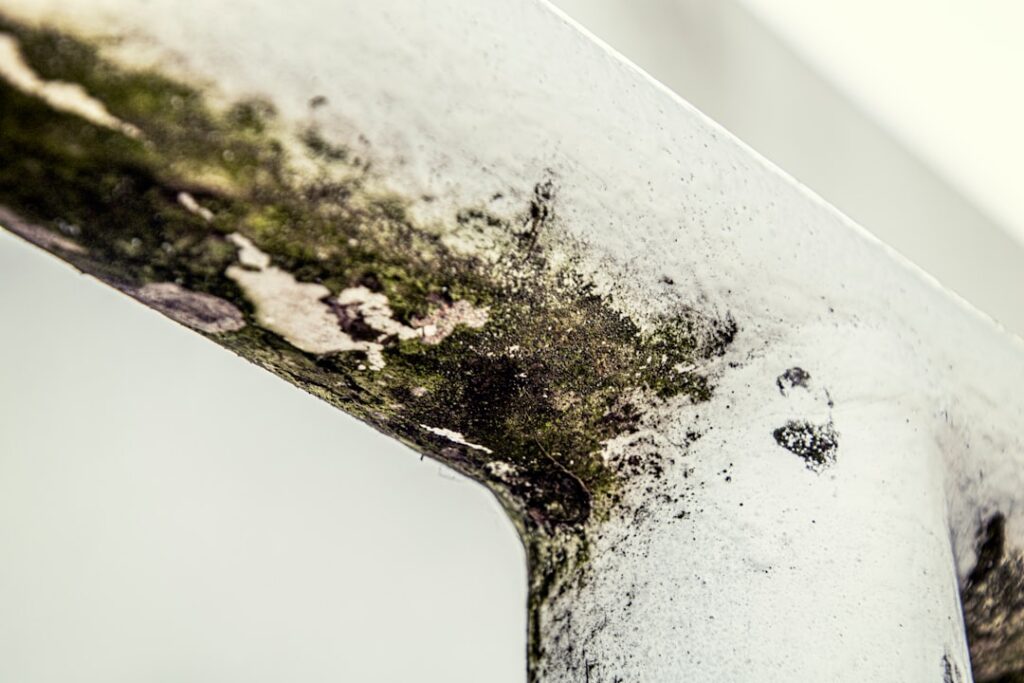
The best time to address black mold is when it’s just starting — small, contained, easily cleaned, and not yet established in the substrate. Catching early-stage growth saves hundreds to thousands of dollars in eventual remediation costs and reduces health exposure for occupants. The challenge is that early-stage mold is easy to miss or dismiss as harmless dust, water staining, or paint discoloration. Knowing what early growth looks like and where to check for it routinely puts homeowners well ahead of larger problems. This guide summarizes EPA and CDC guidance current as of 2026 — consult a certified mold inspector for testing decisions and your physician for symptom evaluation.
Is this mold, asbestos, or water damage? Get a free instant screen
Upload a clear photo of the suspect area. You'll get an instant AI screening opinion and what to do next. This is screening guidance, not a professional determination.
Screening guidance only. AI can be wrong. Confirm asbestos, mold type, or lead with lab testing or a licensed professional before acting.
Black Mold Starting: The Early Indicators
Early-stage mold growth typically shows several specific visual and sensory signs. None alone confirms mold, but the combination raises the probability that what looks like dust or staining is actually an early colony.
Pin-Prick to Dime-Size Dark Spots
The very earliest visible growth appears as small dark dots scattered across a damp surface — often along a window frame, in a closet corner, on shower caulk, or above a bathroom mirror. The spots are usually one to three millimeters across initially. Cladosporium and Aspergillus colonies start at this scale and grow outward as the colony establishes. A homeowner who notices a few pin-prick spots that weren’t there last week is looking at early-stage growth.
Light Staining or Shadowing
Sometimes early mold appears as light gray, brown, or olive shadowing on a surface rather than as discrete spots. The discoloration is subtle and easy to mistake for dust or normal aging of paint. A damp white cloth wiped across the area distinguishes — surface dust comes off, leaving the wall clean, while embedded early growth leaves a discoloration that the wipe doesn’t fully remove.
Faint Musty Smell Developing
Active colonies release microbial volatile organic compounds even when very small. The smell is often described as earthy, locker-room, wet cardboard, or basement smell. Early-stage smell is faint and intermittent — most noticeable on returning to the room after being away. A persistent musty smell that doesn’t have an obvious source (laundry hamper, garbage, mildewed towel) is worth investigating.
Slow-Growing Area
Mold colonies expand over days to weeks. A patch that’s the same size next week is probably surface staining or settled dust. A patch that’s visibly larger week over week is almost certainly active growth. Time-stamped photos taken weekly during investigation help confirm whether the area is expanding.
Substrate Beginning to Show Damage
Early growth on porous materials sometimes shows as paint that’s just beginning to blister, wallpaper that’s just starting to lift at the seams, or grout that’s developing a slight rough texture. These substrate changes precede the more obvious damage that established colonies produce.
Why Catching Early Matters
The cost and complexity of mold remediation scale dramatically with size and substrate involvement. A small early-stage patch can be cleaned with five minutes of homeowner time and a bottle of bathroom cleaner. The same colony given six months to spread, penetrate the substrate, and saturate adjacent materials may require professional remediation costing several thousand dollars.
The health exposure also scales. A small colony releases relatively few spores; an established colony with active sporulation can produce noticeable indoor air quality changes, particularly for occupants with asthma or allergies. The EPA’s 24-to-48-hour drying window for wet materials reflects the same principle — addressing moisture before mold establishes is much easier than addressing established mold.
Where to Look for Starting Mold
Routine inspection of specific high-risk locations catches most early-stage growth before it spreads. A monthly five-minute visual check of these locations is a reasonable preventive practice.
Bathroom Caulk and Grout
The first visible mold in most bathrooms appears on silicone caulk where surfaces meet (tub-to-tile, shower-to-floor, sink-to-counter). Routine inspection catches the first dark spots before they become a band of discoloration.
Window Frames and Sills
Single-pane and older double-pane windows condense moisture during cold weather, supporting early growth on wood or vinyl frames and on the sill where condensation collects. Check window frames after the first cold snap of fall.
Under-Sink Cabinets
Slow plumbing leaks under sinks often start as a small drip detected only by routine inspection. Early mold on the cabinet floor or back wall is a clear signal of an active drip.
Around Water Heaters
Water heater drain valves, pressure relief valves, and tank fittings occasionally weep. Early staining on the concrete or floor surface near the unit is worth investigating before the leak becomes major.
Behind Appliances
Washing machines, refrigerators with water dispensers, and dishwashers can develop slow leaks. The visible side often shows nothing; pulling the appliance forward for an annual inspection reveals early staining or growth on the wall behind.
Basement Wall-Floor Junctions
Spring snowmelt, summer thunderstorm runoff, and routine humidity all drive basement floor moisture. Early growth on the bottom of drywall, baseboards, or stored items pressed against basement walls is common.
Around Roof Penetrations
Skylights, chimneys, plumbing vents, and exhaust fan terminations all have flashing that can fail over time. Annual attic inspection during dry weather catches early staining on roof decking around these features before the leak becomes a visible interior problem.
What to Do at the Early Stage
Most early-stage mold responds to a simple three-step protocol that takes about an hour.
Step One: Identify the Moisture Source
Mold needs water. Where is this small colony getting moisture? Recent water event, slow leak, condensation problem, high humidity? Identify the source first. Cleaning without addressing the source produces guaranteed recurrence within weeks.
Step Two: Dry the Affected Area
Stop the moisture source. Run a fan to dry the surface. If condensation is the cause, address humidity (run an exhaust fan, open a window, run a dehumidifier). The EPA’s 24-to-48-hour drying guidance applies in reverse — dry materials thoroughly before cleaning.
Step Three: Clean the Visible Growth
For non-porous surfaces (tile, glass, sealed metal, fiberglass), detergent and water or diluted bleach (one cup per gallon) removes early-stage colonies completely. Wear gloves and an N95 mask. Ventilate during cleaning. For semi-porous surfaces like painted drywall, careful detergent cleaning with thorough drying afterward usually addresses early growth without need for substrate removal.
Tools That Help Catch Early Growth
Inexpensive household tools strengthen routine inspection for starting mold.
Digital Hygrometer ($10)
Verifies whether indoor humidity is actually staying below 60 percent. Readings above that threshold for sustained periods support mold growth on cool surfaces. Place one in each bathroom, basement, and any room with previous mold history.
Flashlight and Inspection Mirror ($10)
Looking under sinks, behind toilets, around water heaters, and into closet corners catches growth that wouldn’t be visible during normal use of the room.
Moisture Meter ($30-50)
A pin-type moisture meter pressed against drywall, wood trim, or other substrates reveals saturation that the eye can’t see. Useful for confirming whether a suspicious area is actually wet.
Hygrometer With Logger ($25-50)
A logging hygrometer records humidity over time and helps identify recurring patterns — high humidity at specific times of day, in specific seasons, or after specific events.
When Early Mold Isn’t Early Anymore
Several signals indicate that what looks like early-stage growth has actually been active for longer than the homeowner realized. Discoloration that extends behind a visible patch when the patch is cleaned. Soft or spongy substrate when pressed. Paint blistering or peeling around the patch. A musty smell that’s strong rather than faint. Visible growth on materials adjacent to the original patch.
These signals suggest the colony has been growing for weeks or months, and the visible side is the late-developing tip of a larger problem. At this stage, professional inspection is the safer path before any aggressive cleanup.
Prevention That Catches Starting Mold Before It Forms
The most reliable prevention catches conditions that would support mold growth before any colony forms. Quarterly checks of under-sink cabinets, behind toilets, around water heaters, and along basement walls. Annual roof and attic inspections during dry weather. Humidity monitoring with a $10 hygrometer in each bathroom and the basement. Quick response to any small water event — spilled drink, overflowing toilet, dishwasher leak — with thorough drying within hours rather than days.
For broader context on the inspection process, see the mold inspection and testing hub, and the related black mold water damage article covers post-water-event response in more detail.
When to Call a Professional
Most early-stage mold is a DIY cleanup project. Three scenarios escalate even early growth to professional involvement. First, growth that returns within days of cleaning — the moisture source is more than the homeowner can identify alone. Second, growth tied to a substrate that’s already showing damage — soft drywall, blistering paint, lifted wallpaper. Third, growth in a home with infants, elderly occupants, or immunocompromised members, where the safer cleanup approach is appropriate from the start.
The Documentation Habit
Photograph anything suspicious during routine inspections, even when the homeowner is fairly sure it’s just dust or staining. Time-stamped photos taken weekly establish a baseline that makes expansion much easier to spot. The phone camera does this work well — most modern phones embed time and location metadata automatically. After a year of photo documentation, the homeowner has a defensible record of what was where and when, useful for insurance claims and real estate disclosures alike.
Front Range Seasonal Patterns
Colorado homes have predictable seasonal mold-risk windows that focus the routine-inspection effort. Late winter and early spring (February through April) bring snowmelt-driven moisture into foundations, crawlspaces, and basement wall-floor junctions. Summer thunderstorm season (June through August) drives wind-driven rain into wall siding and around window frames. Fall (September through November) brings the first condensation events on window frames and exterior wall surfaces as outdoor temperatures drop. Inspections during these windows catch most early-stage growth before it has time to establish.
One specific Front Range issue: bathrooms in basements often combine cold below-grade walls with humidity from showers, producing condensation conditions year-round. These bathrooms benefit from extra-careful exhaust fan sizing and routing, plus a hygrometer in the room to verify humidity actually drops below 60 percent after showers.
Reading Substrate Cues Beyond the Visible Mold
Sometimes the substrate tells a story even before mold appears on the visible surface. Paint that takes on a slight matte finish in a previously glossy area can indicate moisture migration through the wall. Wallpaper that bubbles slightly along a single seam suggests humidity behind the wall. Wood trim that begins to swell at the end grain indicates moisture wicking from the wall behind. These pre-mold substrate cues are most useful when caught early — they precede the visible growth by days or weeks and allow corrective action before the colony establishes.
References
- Mold Cleanup in Your Home — U.S. Environmental Protection Agency
- About Mold, Moisture and Your Home — Centers for Disease Control and Prevention
- Brief Guide to Mold, Moisture and Your Home — U.S. Environmental Protection Agency
- Mold Health Effects — National Institute of Environmental Health Sciences
Front Range homeowners who spot what might be early-stage mold and want a second opinion before deciding on cleanup approach can reach out through our contact page for a referral to a vetted local mold inspector.