Mold Inspection in Greeley, Colorado | InspectandTest
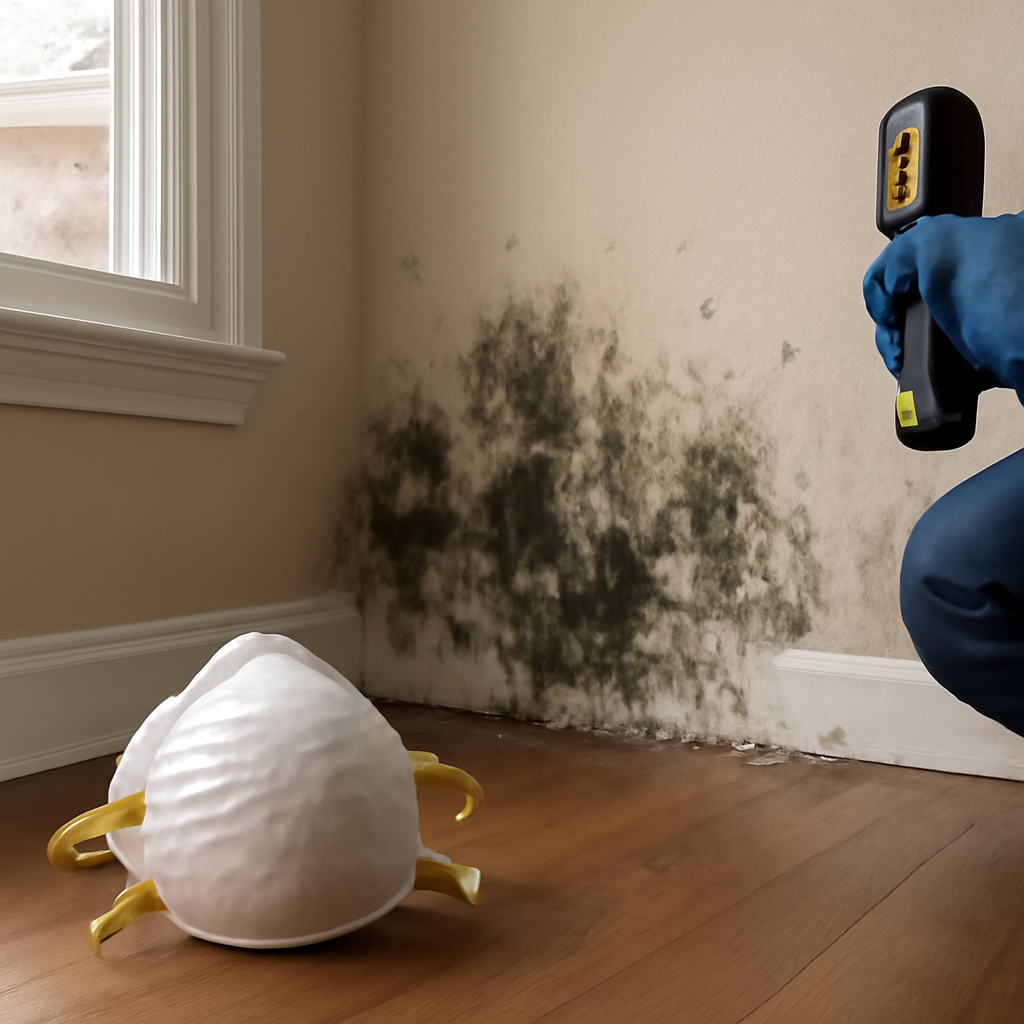
Greeley, the Weld County seat on Colorado’s northern plains, looks too dry for a mold problem, and that assumption is exactly what lets moisture hide. The city’s semi-arid climate keeps outdoor humidity low, but indoor sources, swamp coolers, sealed winter homes, basement bedrooms, and the aging plumbing of the historic Union Colony grid, create pockets where mold grows out of sight. A mold inspection finds those pockets before they spread or affect a sale. This page explains what a mold inspection greeley owners should expect, why local building patterns invite hidden growth, and what the service costs. This summary reflects EPA and CDPHE guidance current as of 2026; consult a certified professional for decisions about your home.
Part of our Mold Testing & Inspection guide — start there for the full picture →
Is this mold, asbestos, or water damage? Get a free instant screen
Upload a clear photo of the suspect area. You'll get an instant AI screening opinion and what to do next. This is screening guidance, not a professional determination.
Screening guidance only. AI can be wrong. Confirm asbestos, mold type, or lead with lab testing or a licensed professional before acting.
Mold inspection in Greeley: what to know
A mold inspection is a visual and moisture-driven assessment of a building, not a guess based on smell alone. A qualified inspector walks the home looking for staining, water damage, and the conditions that let mold establish, then uses a moisture meter and often a thermal camera to find dampness behind drywall, under flooring, and around plumbing. The goal is to locate active growth and the water source feeding it, because killing visible mold without fixing the moisture only buys a few weeks.
Inspection and testing are related but distinct. An inspection answers where the problem is and why it is happening; testing, covered on our companion page, quantifies what is in the air or on a surface. Many Greeley homeowners start with an inspection because it is the step that produces an action plan. For the science behind species, health effects, and remediation, our plain-language mold inspection and testing hub walks through the fundamentals.
Mold needs three things: moisture, an organic food source like drywall paper or wood, and time. Greeley homes supply the food and time readily; the variable is moisture, and that is what an inspection chases. A reading of elevated moisture behind a finished basement wall in west Greeley tells an inspector far more than a spot of surface mildew on a bathroom ceiling, because the hidden reading points to an active leak the homeowner cannot see.
Because moisture moves, an inspection is a snapshot of conditions on the day it is done, and conditions change. A home that reads dry in July after a long stretch of low humidity can read very differently in January when a swamp cooler has been drained but a slab leak persists. That is why an inspector documents not just what is visible but the moisture conditions that could let a small problem become a large one, giving a Greeley owner a realistic picture rather than a single clean snapshot.
Why Greeley homes need mold inspection
The local driver is indoor moisture, not outdoor humidity. Many Greeley homes use evaporative (swamp) coolers, which work by adding water vapor to the air; that cooling method is efficient on the dry plains but raises indoor humidity all summer, and when a cooler’s pads or supply line leak, the moisture lands inside wall and ceiling cavities. Cold, sealed winters compound the issue: homes stay closed for months, furnace-driven air carries moisture into cooler corners, and condensation forms where warm interior air meets cold exterior walls and unheated basement spaces.
Housing stock adds to the risk. The original Union Colony grid and historic downtown Greeley hold pre-1978 brick homes with older plumbing, slow drips, and basements that were finished decades after construction without modern vapor control. At the same time, the 1990s-to-2020s subdivision growth in west Greeley, Promontory, and Kelly Farm produced tightly built homes that trap any interior moisture more effectively once it appears. Both ends of the age spectrum create their own mold pathways.
Basements are where it concentrates. A finished basement bedroom or family room in a Greeley home is below grade, in contact with cool soil, and often the last space to be checked. Add a swamp cooler upstairs, a sealed winter, and a slow plumbing leak, and that lower level becomes the most likely place for hidden growth, which is exactly why an inspection targets the lowest livable level first. The EPA notes that controlling indoor moisture is the single most effective way to prevent mold, and in Greeley that means watching the cooler, the basement, and the winter envelope.
What a Greeley mold inspection covers
A thorough inspection starts at the roof and exterior, checking grading, downspouts, and the wall penetrations where water enters, then moves indoors to the spaces most prone to moisture: bathrooms, the kitchen, the laundry, around the water heater, and the full basement. The inspector documents staining, prior water damage, and musty odor, then verifies suspicions with instruments rather than relying on appearance.
Moisture mapping
A pin or pinless moisture meter reads the water content of building materials, revealing damp drywall or subfloor that looks dry on the surface. In a Greeley home this often pinpoints a swamp-cooler overflow stain, a slab-edge leak, or condensation behind a finished basement wall. Mapping the moisture is what separates a real diagnosis from a guess.
Thermal imaging and the moisture source
An infrared camera shows temperature differences that frequently mark hidden dampness or missing insulation, guiding the inspector to the exact cavity to investigate. Finding the water source matters most: an inspection that locates active growth but not the leak feeding it leaves the homeowner to repeat the problem. If results point to a need for air or surface sampling, our companion page on mold testing in Greeley explains how that step works.
Mold inspection cost in Greeley
A visual mold inspection in the Greeley market typically runs about $250 to $450 for a single-family home, depending on size and how much of the basement is finished. Adding laboratory sampling, when an inspector recommends it, generally pushes the total into the $450 to $700 range because each sample carries a lab fee. A larger home, a crawl space, or a suspected hidden source behind finished walls can raise the figure.
Weigh that against the cost of ignoring it. A small, caught leak behind a basement wall might mean a few hundred dollars in drywall and a cooler repair, while the same leak left for a season can rot framing and spread spores through the HVAC, turning into a multi-thousand-dollar remediation. For a home purchase, a $300 inspection that catches a hidden swamp-cooler or basement moisture problem is inexpensive insurance against inheriting someone else’s deferred repair.
The choice between inspection alone and inspection plus testing usually comes down to purpose. A homeowner who can see and smell a problem often needs the inspection to find the source and a repair plan, not a lab number. A buyer negotiating a transaction, or anyone with health concerns, may want sampling to document conditions objectively. A straight provider explains which path fits your situation rather than defaulting to the most expensive option.
Greeley regulations and disclosure
Colorado does not license home or mold inspectors and has no statewide mold remediation statute, so credentials matter more here than a license would. The state’s Seller’s Property Disclosure asks sellers to report known mold and water-damage history, which means an undisclosed past leak in a Greeley home can become a negotiation issue once an inspection surfaces it. Weld County permitting governs the plumbing and structural repairs that often follow a mold finding, so a significant fix may require a permit and inspection.
Disclosure cuts both ways in a sale. A seller who has inspected and remediated can document the repair as reassurance, while a seller who has never looked leaves the buyer to discover the problem during the contingency period, often producing a repair credit. Greeley buyers should treat a musty basement or a stained ceiling near a swamp cooler as a reason to inspect before waiving contingencies, not after.
Neighborhoods and areas served
Mold turns up across Greeley regardless of address: older brick homes in the downtown and Union Colony grid with aging plumbing, mid-century houses near Hillside, and newer finished-basement homes in west Greeley, Promontory, and Kelly Farm. Each pattern has its own moisture pathway, but all share the swamp-cooler and sealed-winter drivers that define the local climate.
Service typically extends to the adjacent Weld County communities of Evans, Garden City, Eaton, and Windsor, plus nearby Loveland, all sharing the same plains geology and cooling habits. Because the moisture drivers are regional rather than block-specific, the inspection approach is consistent across the area. For the full county picture and how Greeley fits the surrounding municipalities, see our mold inspection in Weld County overview.
How to choose a Greeley mold inspection provider
Ask whether the inspector uses a moisture meter and thermal camera and whether they investigate the water source, not just the visible mold. A good provider documents findings with photos and readings, explains the moisture pathway, and gives a clear repair sequence rather than steering straight to a remediation contract. Independence matters: an inspector who does not also profit from the remediation has no incentive to overstate the problem.
Confirm the provider follows recognized guidance such as the EPA’s mold remediation references and explains when sampling is and is not worthwhile. Because Colorado offers no license to lean on, look for relevant certification, demonstrated local experience with swamp-cooler and basement moisture, and references from Greeley-area work. A tester who talks you out of unnecessary lab fees when the source is obvious is showing the judgment worth paying for.
For a home purchase, bundling the mold check with a full inspection is efficient and gives one coordinated report. If a finding is borderline, a competent provider explains your options, including a follow-up moisture check after a repair, rather than pushing remediation you may not need. That kind of straight guidance is the mark of a provider worth hiring in a market where moisture hides as easily as it does on the Greeley plains.
References
- Mold and moisture control guidance — U.S. Environmental Protection Agency
- Indoor air quality and mold — Colorado Department of Public Health and Environment
- Mold and your health — Centers for Disease Control and Prevention
Frequently asked questions
Does dry Greeley really get mold?
Yes. Greeley's outdoor air is dry, but evaporative (swamp) coolers, sealed winters, and basement plumbing leaks raise indoor moisture, so hidden mold is common in finished basements and around cooling systems.
How much does a mold inspection cost in Greeley?
A visual mold inspection typically runs $250 to $450 for a single-family home. Adding laboratory sampling generally pushes the total to roughly $450 to $700 because each sample carries a lab fee.
What's the difference between mold inspection and mold testing?
An inspection finds where mold is and why, using visual checks, a moisture meter, and a thermal camera. Testing samples the air or a surface to quantify what is present. Many Greeley homeowners start with the inspection.
Do swamp coolers cause mold in Greeley homes?
They can. Evaporative coolers add water vapor to indoor air and can leak through pads or supply lines, depositing moisture in wall and ceiling cavities where mold grows out of sight.
Is mold a disclosure issue when selling in Greeley?
Yes. Colorado's Seller's Property Disclosure asks sellers to report known mold and water-damage history, so an undisclosed past leak can become a negotiation issue once an inspection surfaces it.
Greeley’s dry air hides indoor moisture rather than preventing it, so a mold inspection is practical due diligence for any older home, basement, or pending purchase. To connect with a vetted local inspector before your deadline or this cooling season, get in touch through our contact page.