Home Inspection in Greeley, Colorado | InspectandTest
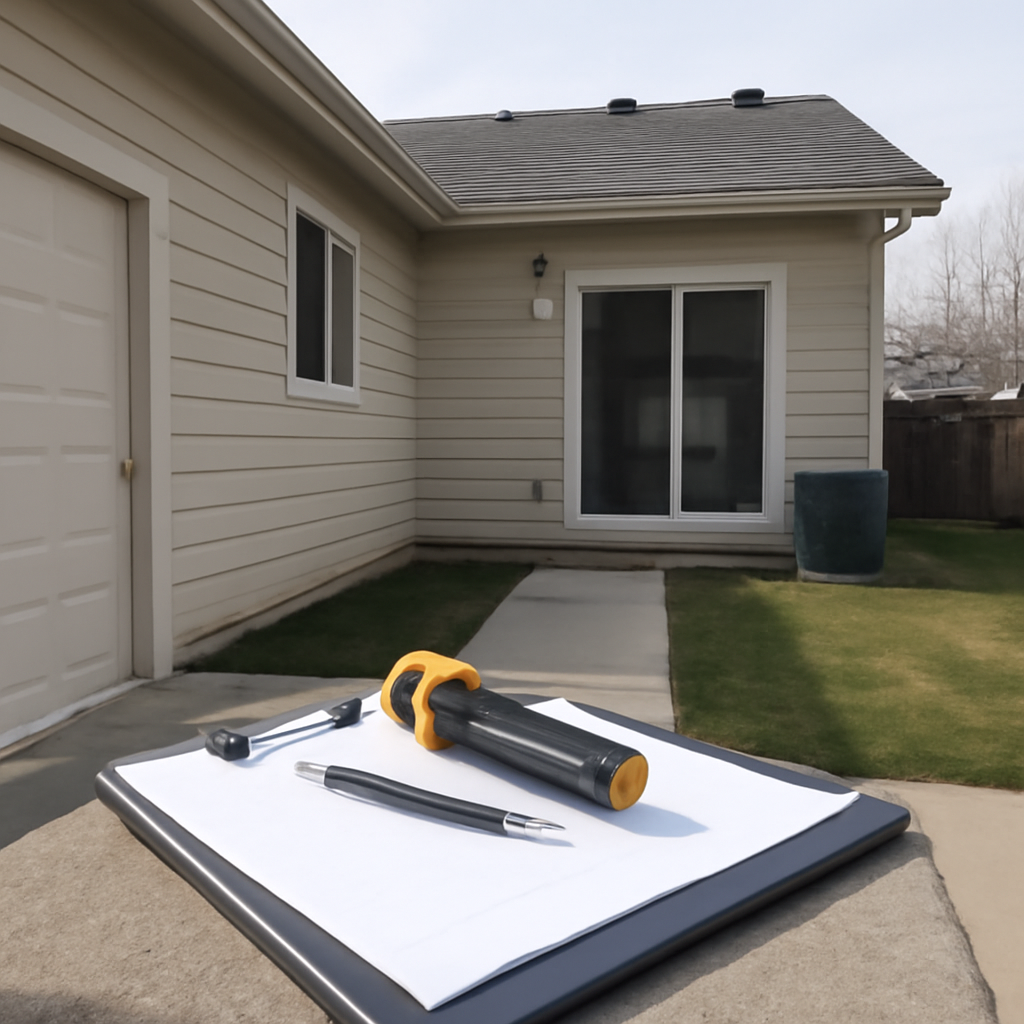
A home inspection is the buyer’s clearest window into what a Greeley house actually is, beneath the fresh paint and staging. Greeley, the Weld County seat on Colorado’s northern plains, spans more than a century of building, from pre-1978 brick homes in the historic Union Colony grid to 2020s subdivisions in west Greeley and Promontory, and each era brings its own defects. Layer in EPA Radon Zone 1, expansive plains soils, and evaporative-cooler moisture, and an inspection here has plenty to find. This page explains what a home inspection greeley buyers should expect, what local conditions make it matter, and how to choose an inspector. This summary reflects standard inspection practice and Colorado guidance current as of 2026; consult a qualified inspector for your specific home.
Part of our Home Inspections Explained guide — start there for the full picture →
Home inspection in Greeley: what to know
A home inspection is a visual, non-invasive evaluation of a home’s major systems and components: roof, structure, foundation, exterior, plumbing, electrical, heating and cooling, insulation, and built-in appliances. The inspector documents defects, safety issues, and items nearing the end of their service life, then delivers a written report with photos. It is a snapshot of condition on inspection day, not a warranty, but it is the most thorough look most buyers get before committing.
The inspection is the backbone of the buyer’s due diligence and the contingency that follows it. It informs whether to proceed, renegotiate, or walk, and it frequently drives requests for repairs or credits. For the full picture of what to expect from the process and how to vet an inspector, our buyer’s guide to hiring a home inspector walks through the fundamentals, and our companion pre-purchase inspection in Greeley page focuses on the transaction angle.
An inspection is broad but not bottomless. It covers what is visible and accessible; it does not open walls, move heavy storage, or guarantee hidden conditions. That is why specialized tests, radon, mold, sewer scope, and asbestos or lead in older homes, are commonly added in Greeley, where Zone 1 radon and pre-1978 housing make those hazards likely enough to check directly rather than infer.
The value is in the report and the conversation. A good Greeley inspector does not just list defects; they distinguish the cosmetic from the structural, flag the safety items that need attention now, and explain which findings are normal for the home’s age. A 1920s Union Colony home will have a long defect list that is largely expected, while a single foundation or roof finding on a newer Promontory home may matter far more.
Why Greeley homes need careful inspection
Local conditions create specific things to look for. Greeley sits in EPA Radon Zone 1, so a finished basement, common across the city, is a place to test for soil gas as well as inspect for moisture. The plains around Greeley carry expansive clay soils that swell and shrink with moisture changes, stressing foundations and creating the cracked drywall, sticking doors, and sloped floors that an inspector learns to read as possible settlement.
The climate drives moisture defects that the dry outdoor air hides. Many Greeley homes use evaporative coolers, which add indoor humidity and can leak; sealed winters trap that moisture and create condensation in basements and at cold exterior walls. An inspector checks for the staining, soft drywall, and musty odor that signal a cooler overflow or a hidden leak, problems that do not announce themselves in a region most people think of as arid.
Housing age spreads the risk across systems. Pre-1978 homes in the downtown grid may have aging galvanized or cast-iron plumbing, older wiring, original windows, and the asbestos and lead materials of their era; rapid subdivision growth produced newer homes where the issues are more often workmanship, grading, and the early failures of builder-grade components. A Greeley inspector calibrates to the home’s vintage, knowing that a 1915 house and a 2019 house fail in completely different ways.
What a Greeley home inspection covers
A standard inspection follows a recognized scope, evaluating the structure and each major system in turn and reporting on condition, safety, and remaining service life. The inspector walks the roof or evaluates it from a safe vantage, examines the foundation and grading, tests representative outlets and fixtures, runs the heating and cooling, and checks the attic and any accessible crawl space.
Structure, roof, and the big-ticket systems
The components that cost the most to repair, foundation, roof, HVAC, and main plumbing and electrical, get the closest attention because they drive the biggest negotiation items. On a Greeley home that means watching for expansive-soil foundation movement, hail damage to the roof (the Front Range sees frequent hailstorms), the age and condition of the furnace and any swamp cooler or AC, and the state of the electrical panel.
Recommended add-on tests
Because Greeley is Zone 1, a radon test is a routine add-on; our radon testing in Greeley page explains why. A sewer scope is wise on older homes with mature trees, where roots invade clay sewer lines, and asbestos or lead testing fits any pre-1978 home a buyer plans to renovate. Bundling these with the inspection gives one coordinated report rather than scattered visits.
Home inspection cost in Greeley
A standard single-family home inspection in the Greeley market typically runs about $350 to $550, scaling with square footage, age, and the presence of features like a crawl space, a finished basement, or an outbuilding. Larger or older homes sit at the higher end. Add-on services price separately: radon testing often adds about $100 to $175 when bundled, a sewer scope roughly $150 to $250, and asbestos or lead sampling by the sample plus an assessment fee.
Weigh that against the purchase. An inspection is a small fraction of a Greeley home’s price, and a single significant finding, expansive-soil foundation movement, a hail-damaged roof, or an aging furnace, can justify a repair credit many times the inspection fee, or save a buyer from a purchase they would regret. The report’s value is not just the defects it lists but the leverage and the peace of mind it provides at the negotiating table.
Skimping rarely pays. The cheapest inspector may move fast and write thin reports, missing exactly the expansive-soil and moisture issues that define Greeley homes. Paying a fair price for a thorough inspector who walks you through the findings is worth more than saving fifty dollars on a report that overlooks a foundation problem you inherit at closing. The add-on tests are similar value: a $150 radon test in a Zone 1 city is cheap certainty.
Greeley regulations and disclosure
Colorado does not license home inspectors, which makes the inspector’s credentials and the report’s quality the real measure of competence rather than a state credential. Reputable Greeley inspectors carry national certification through bodies such as InterNACHI or ASHI and follow a published standards of practice. Colorado’s Seller’s Property Disclosure requires sellers to report known material defects, including past water damage, foundation issues, and radon results, which a buyer’s inspection then independently verifies.
Disclosure and inspection work together in a Greeley sale. The seller’s disclosure is a starting point, not a substitute for an independent inspection, because sellers report only what they know. The inspection contingency gives the buyer the leverage to act on what the inspector finds, whether that means requesting repairs, negotiating a credit, or, in the case of a serious structural or system defect, walking away within the contingency window.
Neighborhoods and areas served
Greeley’s housing varies sharply by area, and a good inspector adjusts accordingly. The historic downtown and Union Colony grid hold older brick and frame homes with aging systems and legacy materials; Hillside and the mid-century neighborhoods bring their own era of construction; and west Greeley, Promontory, and Kelly Farm offer newer subdivision homes where workmanship and grading are the focus. The University of Northern Colorado area mixes older homes and rentals that see heavy use.
Service typically extends to adjacent Weld County communities including Evans, Garden City, Eaton, and Windsor, plus nearby Loveland, all sharing the plains soils, Zone 1 radon, and cooling habits that shape local inspections. Because those drivers are regional, the inspection approach carries across the area. For the county-wide view, see our home inspection in Weld County overview.
Greeley’s oil-and-gas setting occasionally adds a question buyers elsewhere never ask. The city sits within the DJ Basin and Wattenberg field, and some properties on the city’s edges lie near active or former well sites and gathering infrastructure. While an ordinary home inspection does not evaluate mineral rights or well-site setbacks, a buyer of a rural-fringe Greeley parcel may want to understand the property’s proximity to oil-and-gas activity as part of due diligence, and a locally experienced inspector can flag visible site features and point the buyer toward the right resources. That awareness, layered on top of the standard structural and systems inspection, is part of what local knowledge brings to a Greeley purchase that an out-of-area inspector might miss.
How to choose a Greeley home inspector
Because Colorado does not license inspectors, look for national certification (InterNACHI or ASHI), demonstrated local experience with expansive-soil foundations and evaporative-cooler moisture, errors-and-omissions insurance, and a sample report you can actually read. A good Greeley inspector welcomes your attendance, walks you through findings on site, and distinguishes the urgent from the routine rather than burying you in an undifferentiated defect list.
Ask what the inspection includes and what costs extra. A capable inspector explains which add-on tests make sense for the specific home, radon for a finished basement, a sewer scope for an older tree-lined lot, asbestos or lead for a pre-1978 renovation, without upselling tests the house does not need. Independence matters: an inspector who does not also bid the repairs has no reason to overstate defects.
Confirm the inspector follows a published standards of practice and delivers the report promptly, since contingency windows are short. For a transaction, coordinating the inspection with the relevant add-ons through one provider gives a single connected picture of the home and its hazards. The inspector who answers your questions plainly, before and after the walk-through, is the one worth hiring for a Greeley purchase.
References
- Residential standards of practice — International Association of Certified Home Inspectors
- Finding a qualified home inspector — American Society of Home Inspectors
- Radon risk and EPA zone maps — U.S. Environmental Protection Agency
Frequently asked questions
How much does a home inspection cost in Greeley?
A standard single-family inspection typically runs $350 to $550, scaling with size, age, and features. Add-ons price separately: radon about $100 to $175 bundled, a sewer scope $150 to $250.
What local issues do Greeley home inspections focus on?
Expansive plains-soil foundation movement, hail damage to roofs, evaporative-cooler and basement moisture, aging systems in pre-1978 downtown homes, and Zone 1 radon, which makes a radon test a routine add-on.
Are home inspectors licensed in Colorado?
No. Colorado does not license home inspectors, so look for national certification through InterNACHI or ASHI, local experience, errors-and-omissions insurance, and a readable sample report.
Should I add a radon test to my Greeley inspection?
Yes, in most cases. Greeley sits in EPA Radon Zone 1, and finished basements are common, so a radon test bundled with the inspection is inexpensive certainty about a real local hazard.
Does a seller's disclosure replace a home inspection in Greeley?
No. The seller's disclosure reports only known defects. An independent inspection verifies condition objectively and gives the buyer leverage during the inspection contingency to request repairs or a credit.
From century-old Union Colony brick to brand-new Promontory builds, a Greeley home inspection turns a staged showing into a clear-eyed view of condition, hazards, and negotiating leverage. To connect with a vetted local inspector before your contingency deadline, get in touch through our contact page.