Home Inspection in Timnath, Colorado | InspectandTest
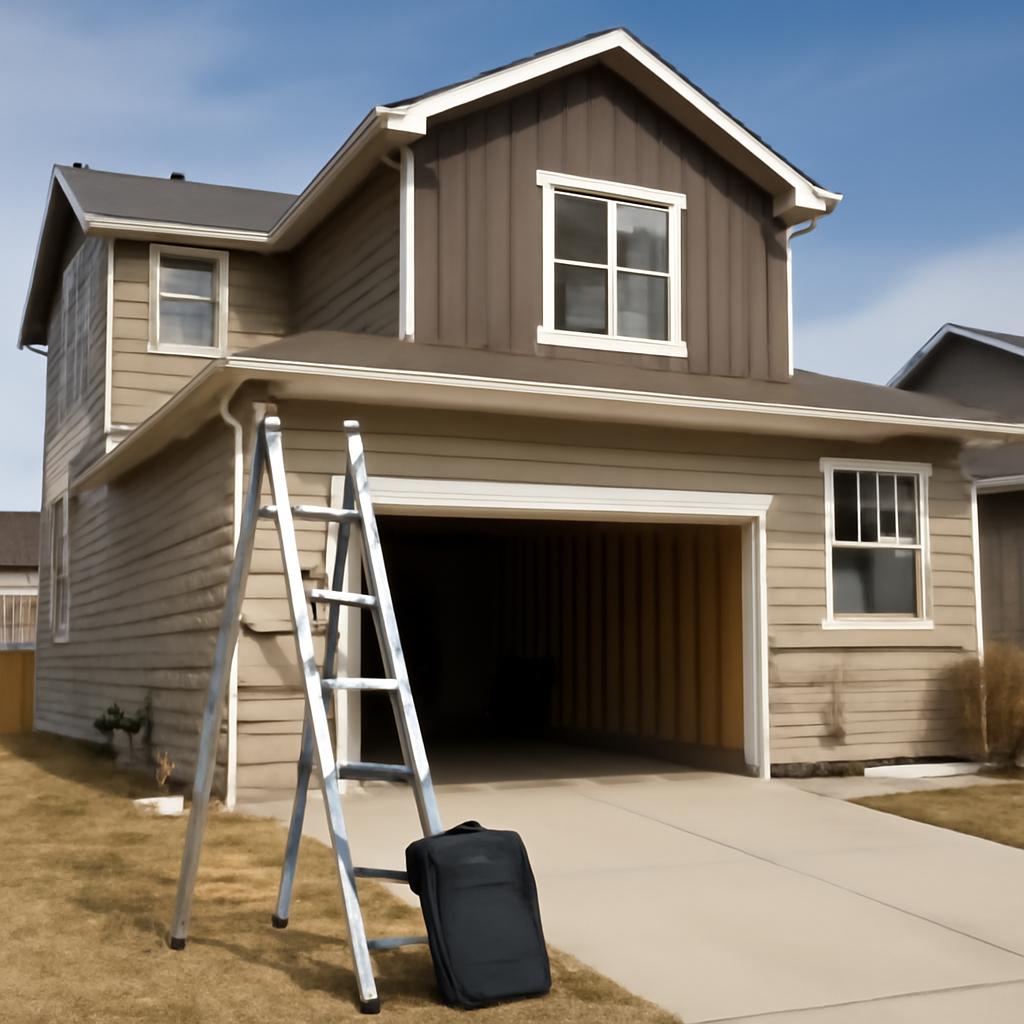
A home inspection is the buyer’s best tool for understanding a property before closing, and in Timnath, one of northern Colorado’s fastest-growing towns, most of that property is brand-new subdivision construction. New does not mean flawless: rapid building leaves grading problems, incomplete work, and quickly installed systems that an inspection catches while the builder is still responsible. This Larimer County town east of Fort Collins, with its finished-basement homes in Wildwing, Timnath Ranch, and Harmony Club, rewards a careful inspection. This page explains how home inspection timnath buyers should approach the process, what local homes commonly need scrutinized, and what an inspection costs.
Part of our Home Inspections Explained guide — start there for the full picture →
Home inspection in Timnath: what to know
A home inspection is a visual, non-invasive evaluation of a home’s major systems and components: the foundation and structure, roof, exterior, plumbing, electrical, heating and cooling, insulation, and interior. The inspector spends two to three hours examining the property and delivers a written report with photos describing what works, what is worn, and what needs attention. The goal is an objective snapshot of condition, not a pass-or-fail grade.
In Timnath, that snapshot is mostly about new construction. A subdivision home in Timnath Ranch or Riverbend may be only a few years old, but it can still hide builder shortcuts: poor drainage and grading around a young foundation, incomplete air-sealing and insulation, plumbing connections that were rushed, and finished basements where a small leak hides behind fresh drywall. For the full picture of what an inspection includes and how to read a report, our buyer’s guide to hiring a home inspector walks through the standards inspectors follow.
An inspection is a snapshot, not a warranty. It reports the condition observed on the day of the visit and flags items for further evaluation, but it does not predict future failures or open walls. In a new Timnath home, the report’s value is in catching defects while the builder’s warranty still applies, so a list of small items now can save real money later. Reading the report with the home’s age and construction in mind is what turns it into a decision-making tool rather than a formality.
Why Timnath homes need a thorough inspection
The pace of construction is the reason. Timnath has been one of northern Colorado’s fastest-growing towns, and rapid subdivision building, even by reputable builders, can leave defects: grading that channels snowmelt toward foundations, drainage that does not carry water away, incomplete insulation and air-sealing, and systems installed quickly during a boom. An inspection catches these while they are still the builder’s responsibility under warranty.
Local conditions add specific concerns. Timnath sits in EPA Radon Zone 1, so a radon test belongs with any inspection, and the area’s finished basements are exactly where radon and any hidden moisture concentrate. Tight, energy-efficient construction means that ventilation, condensate handling, and moisture management deserve attention, since moisture in a sealed home has little path to escape. Neighborhoods near the Poudre River and reservoirs can have higher water tables, making foundation drainage worth a close look.
The new-home warranty timing is the practical driver. Many Timnath buyers purchase recently built homes, and an inspection at purchase, plus another near the end of the one-year builder warranty, catches defects while the builder must fix them. Skipping the inspection because a home is new is a common and costly mistake. Buyers concerned about the area’s radon should pair the inspection with our guide to radon testing in Timnath, since Zone 1 radon is invisible without a test.
What a Timnath home inspection covers
A standard inspection follows a recognized standards-of-practice checklist covering the home’s readily accessible systems.
Structure, roof, and exterior
The inspector evaluates the foundation for cracks, settlement, and moisture, the roof for proper installation and any defects, and the exterior for grading, drainage, siding, and trim. In a new Timnath home, grading and drainage lead the report, since poor lot work is a common new-construction issue that lets water reach a young foundation. The inspector confirms that downspouts, swales, and final grade carry water away.
Systems: electrical, plumbing, HVAC
The inspector checks the electrical panel and visible wiring, the plumbing for leaks and proper installation, and the heating and cooling equipment for function. In a tightly built home, the inspector pays attention to ventilation, HVAC condensate handling, and any evaporative cooler’s drainage, since moisture management matters more in a sealed home. The finished basement gets a careful look for any sign of a builder-grade leak hiding behind new finishes.
Home inspection cost in Timnath
A standard single-family home inspection in the Timnath and Larimer County market typically runs about $350 to $550, with larger homes at the higher end. Add-ons common here, radon testing given Zone 1 status, a moisture assessment, or a sewer scope, each add to the total but are often worth bundling. A full due-diligence set can reach $550 to $850 combined, depending on the home and the tests chosen.
Cost scales with size and the tests added. A large finished-basement home in Wildwing or Harmony Club takes longer than a smaller home, and adding radon and moisture testing increases the total but addresses the area’s known hidden risks. Weigh the fee against the stakes: an inspection that uncovers a grading defect, a hidden basement leak, or a radon level gives a buyer leverage worth many times the inspection price while the builder is still on the hook.
For most buyers, the inspection is inexpensive insurance on the largest purchase they will make. Bundling radon matters in Timnath specifically because Zone 1 radon is common and invisible on a walkthrough, and a new finished basement is where it concentrates. Paying for the add-ons that fit the local risk profile gives a buyer a complete picture rather than a structural report that misses the hazards this area is known for.
Colorado regulations and disclosure
Colorado does not license home inspectors, so credentials, standards, and reputation carry the weight a state license would elsewhere. Reputable Front Range inspectors carry certification through national bodies such as InterNACHI or ASHI and follow a published standards of practice. The Colorado Seller’s Property Disclosure requires sellers to report known defects, but a disclosure reflects only what the seller knows, and in a new home the first owner may know very little about hidden builder issues.
For buyers, the inspection contingency in a Colorado purchase contract is the window to evaluate the home and negotiate based on findings. Because no license guarantees competence, confirm the inspector’s certification, ask for a sample report, and verify they carry errors-and-omissions and general-liability insurance. For new construction, the builder’s one-year warranty adds a second window, and an inspection report paired with the disclosure gives a Timnath buyer the documented basis to request fixes while the builder is responsible.
Neighborhoods and areas served
Inspections cover the full range of Timnath housing, which skews new: the subdivisions of Wildwing, Timnath Ranch, Harmony Club, and Riverbend where builder-quality, grading, and finished-basement moisture matter most, plus the older homes of Old Town Timnath. Service typically extends to adjacent Fort Collins, Windsor, Severance, and Loveland, where similar new construction and northern Colorado conditions apply, including buyers comparing a home inspection in Fort Collins nearby.
The inspector’s focus shifts with the home, though in Timnath it usually means new construction. A subdivision purchase calls for close attention to grading, drainage, air-sealing, and finished-basement moisture, while the rare Old Town purchase calls for attention to aging systems. Matching the inspection’s emphasis to the home, and adding radon given the Zone 1 setting, is what makes it genuinely useful in a town of mostly new homes.
How to choose a Timnath home inspector
Look for an inspector certified through InterNACHI or ASHI who follows a published standards of practice and carries insurance. Ask for a sample report to judge thoroughness and clarity, and confirm the inspector offers the add-ons that matter locally, especially radon given Zone 1 status, plus moisture and sewer scopes. A strong inspector welcomes the buyer at the inspection and explains findings in plain language rather than handing over a report with no context.
For new construction specifically, ask whether the inspector performs builder-warranty inspections and is experienced with the grading, drainage, and air-sealing issues common in fast-built subdivisions. Timing matters: an inspection at purchase and another near the one-year warranty deadline catches defects while the builder is responsible. Coordinating with a pre-purchase inspection in Timnath focus ensures the evaluation is timed to your contract’s contingency window.
The right inspector is independent and thorough, with no stake in any repair they recommend. An inspector whose only product is an honest report serves the buyer’s interest, while one tied to a builder, contractor, or agent’s interests may soften findings. On the largest purchase most people make, that independence is what makes the inspection worth far more than its fee, even on a brand-new home.
Reading a Timnath inspection report
The report is where a new-home inspection pays off, and reading it well means separating builder defects from ordinary notes. A thorough report groups items by system and flags each as a safety concern, a needed repair, a maintenance item, or information. In a recently built Timnath home, the list may be shorter than for an old house, but the items that matter most are the grading and drainage findings, air-sealing and insulation gaps, and any finished-basement moisture, because those are the common new-construction defects a builder can be asked to fix.
Photos and context turn observations into action. A good report shows the negative grading that slopes toward the foundation, the gap where insulation is missing, or the damp reading behind a basement wall, and explains why each matters. For a Timnath buyer, the grading, drainage, and moisture sections deserve the closest reading, since poor lot work around a young foundation is both common and consequential. When the report recommends a specialist or flags a radon result, that is a prompt to act before the contingency closes.
The report doubles as a builder-warranty checklist. Many Timnath findings, incomplete air-sealing, drainage that does not carry water away, finish defects, can be submitted to the builder for correction while the one-year warranty applies, which is often more valuable than a price adjustment. Keeping the report and scheduling a follow-up inspection near the warranty deadline lets a buyer catch what emerges over the first year. Used this way, the inspection report is a working document for the whole first year of ownership, not a one-time formality.
Attending the inspection helps a buyer act on it. Walking the home with the inspector, seeing the grading, the attic insulation, and the basement firsthand, lets a Timnath buyer ask which findings are routine and which warrant a warranty claim. That context is hard to get from a report alone, and it helps a buyer judge whether a damp basement reading is a minor sealing fix or a sign of a builder-grade leak. An inspector who explains as well as documents leaves the buyer better prepared to hold the builder accountable while the warranty still applies.
References
- Residential standards of practice — International Association of Certified Home Inspectors
- Home inspection standards of practice — American Society of Home Inspectors
- Radon testing during a home purchase — U.S. Environmental Protection Agency
Frequently asked questions
Do new Timnath homes need a home inspection?
Yes. New construction can hide grading and drainage problems, incomplete air-sealing and insulation, and quickly installed systems. An inspection at purchase and another near the one-year builder warranty catches defects while the builder is still responsible.
How much does a home inspection cost in Timnath?
A standard single-family inspection typically runs $350 to $550, with larger homes at the higher end. Add-ons like radon, a moisture assessment, or a sewer scope increase the total, and a full due-diligence set can reach $550 to $850 combined.
What local issues should a Timnath inspection cover?
Grading and drainage around young foundations, finished-basement moisture, ventilation and condensate handling in tight homes, and radon given Zone 1 status. Neighborhoods near the Poudre River may also warrant a close look at foundation drainage.
Does Colorado license home inspectors?
No. Colorado does not license home inspectors, so credentials and reputation matter most. Look for certification through InterNACHI or ASHI, a published standards of practice, a sample report, and proof of insurance.
Should I add radon testing to a Timnath inspection?
Yes. Timnath sits in EPA Radon Zone 1, so radon is common and invisible on a walkthrough, and new finished basements are where it concentrates. Bundling a radon test with the inspection addresses one of the area's most significant hidden hazards.
Before your inspection contingency closes on a Timnath home, line up a vetted, independent inspector experienced with new-construction grading, finished basements, and Zone 1 radon. To get connected, reach out through our contact page.