Home Inspection in Arvada, Colorado | InspectandTest
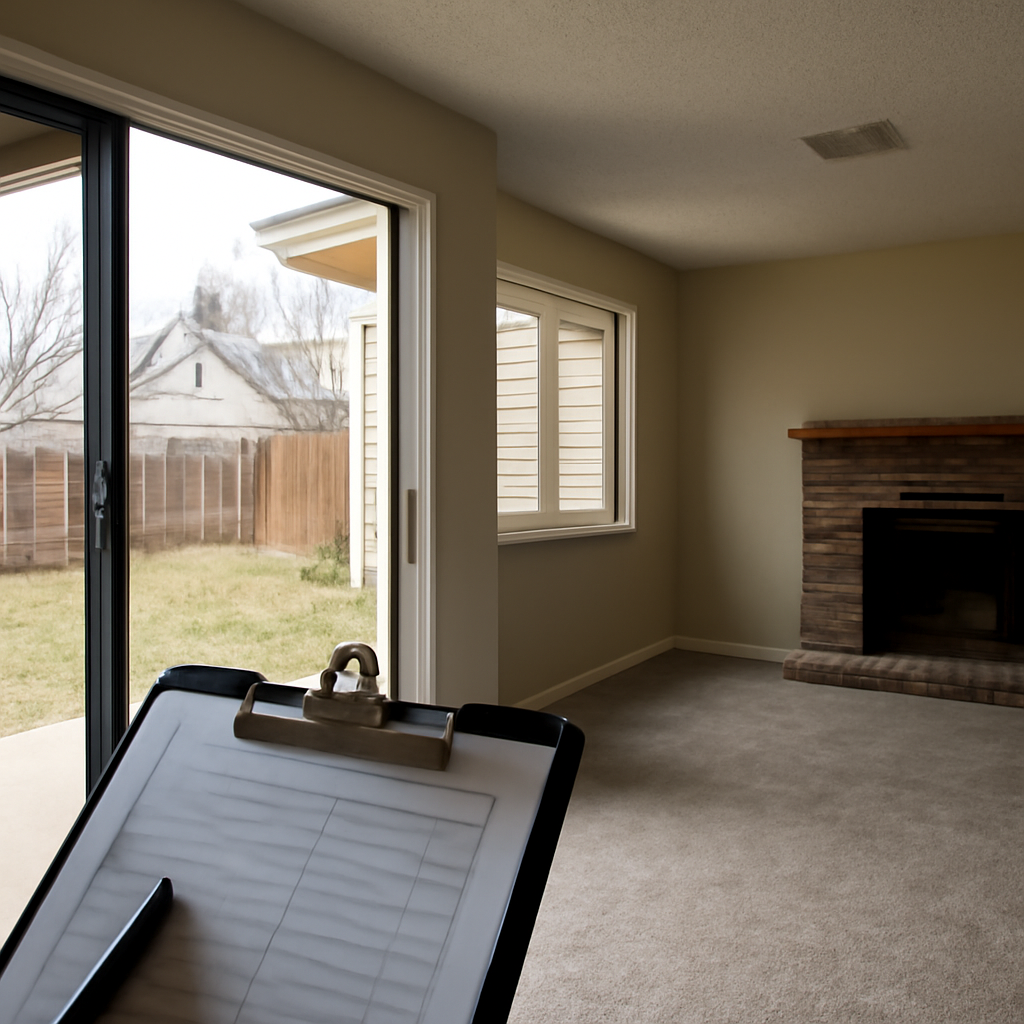
Arvada asks a lot of a home inspection. The city’s housing runs from 1870s-era brick in Olde Town to sprawling 1960s-and-later suburban tracts and brand-new foothill developments like Candelas and Leyden Rock, which means an inspector here meets everything from century-old masonry to modern engineered systems in a single market. Layer in EPA Radon Zone 1, expansive Front Range soils, and foothill drainage near the Ralston and Clear Creek corridors, and the local picture demands a thorough look. This page explains what a home inspection arvada buyers should expect, the regional issues that matter most, and how to choose an inspector. This summary reflects InterNACHI and ASHI standards of practice current as of 2026.
Part of our Home Inspections Explained guide — start there for the full picture →
Home inspection in Arvada: what to know
A home inspection is a non-invasive, visual evaluation of a property’s condition, covering the structure, roof, exterior, plumbing, electrical, heating and cooling, insulation, and interior. The inspector reports defects and safety concerns and delivers a written report, usually within 24 hours, that buyers use to negotiate or to plan repairs. It is an assessment, not a pass/fail test or a code inspection.
In Arvada, the home’s age sets the agenda. A 150-year-old Olde Town brick home and a two-year-old Candelas build raise entirely different questions, foundation and outdated wiring on one end, builder-grade shortcuts and grading on the other. Our buyer’s guide to hiring a home inspector walks through the standards of practice and what a competent inspection includes regardless of the home’s vintage.
The inspection is also the gateway to specialized testing. A general inspection flags suspect materials, moisture, or radon-prone construction, then refers buyers to dedicated tests, radon, mold, asbestos, lead, that the general scope does not cover. In a Zone 1 city with a deep pre-1978 housing pocket, those referrals matter as much as the structural findings.
Why Arvada homes need a careful inspection
The soil moves. Front Range expansive clay soils swell when wet and shrink when dry, stressing foundations across the metro, and Arvada’s mix of older masonry foundations and newer slab construction shows the full range of resulting cracks, sloped floors, and stuck doors. A good inspector reads these signs and distinguishes cosmetic settling from a structural concern worth a foundation engineer’s review.
Water finds a path. The Ralston Creek and Clear Creek corridors, foothill snowmelt, and the region’s hard freeze-thaw swings all push water toward foundations and through aging roofs. Negative grading, failed downspout extensions, and ice-dam damage are common Arvada findings, and an inspector traces how water moves around and into the home.
Age hides hazards. Olde Town’s pre-1978 homes commonly carry knob-and-tube remnants, ungrounded outlets, aged galvanized or cast-iron plumbing, and the lead and asbestos typical of their era. Newer Candelas and Leyden Rock homes shift the concern to builder defects, grading, flashing, and HVAC sizing, plus the radon that affects new and old alike in this Zone 1 city. The inspector’s job is to match scrutiny to the home’s age rather than run a one-size checklist.
What an Arvada home inspection covers
A standards-compliant inspection follows the InterNACHI or ASHI scope, examining every major system the inspector can safely access.
Systems inspected
The roof and its flashing, gutters, and drainage; the exterior cladding, grading, and lot drainage; the foundation and visible structure; the attic, insulation, and ventilation; the electrical panel, wiring, and outlets; the plumbing supply, drains, and water heater; the furnace, air conditioning, or evaporative cooler; and the interior, doors, windows, floors, and signs of moisture or past repairs. The inspector notes safety hazards, deferred maintenance, and items at the end of their service life.
What a general inspection does not include
A standard inspection is visual and does not open walls, test for radon, sample for mold, or analyze paint and materials for lead or asbestos. For an Arvada home, the radon question is nearly automatic given Zone 1, so many buyers add a radon test, see our radon testing in Arvada page, and older Olde Town homes often warrant lead and asbestos assessment alongside the general inspection.
Home inspection cost in Arvada
A general home inspection in the Arvada market typically runs about $350 to $600, scaling with square footage, age, and whether the home has a finished basement, crawl space, or detached structures. A large older Olde Town home with multiple systems to evaluate costs more than a compact newer townhome, simply because there is more to inspect.
Add-on services bundle efficiently. A radon test added to the inspection often runs $100 to $175 rather than a separate trip charge, and sewer-scope, mold, or moisture evaluations can be combined in one visit. Given Arvada’s Zone 1 status and older housing pockets, buyers frequently bundle radon and sometimes a sewer scope into the base inspection.
The value is leverage and foresight. A $500 inspection that surfaces a failing furnace, an active roof leak, or foundation movement gives a buyer the documentation to renegotiate or walk away before closing, often saving many multiples of the fee. For a new-build buyer in Candelas, the same inspection catches builder oversights while warranty coverage still applies. Skipping the inspection to win a competitive offer trades a few hundred dollars of certainty for potentially major post-closing surprises.
It is worth understanding what the inspection fee does and does not buy. The number reflects the inspector’s time, the report software, insurance, and the calibrated tools they bring, moisture meters, an infrared camera, a combustion analyzer for the furnace. A bargain-basement quote often signals a faster walkthrough or a thinner report, which is precisely the wrong economy on an Arvada home that might be 150 years old or built over expansive clay. Paying a bit more for an inspector who spends the extra hour in the crawl space and on the roof routinely surfaces findings that pay for the whole inspection many times over. For older Olde Town homes especially, where systems have been modified by generations of owners, the thoroughness of the inspection matters more than its price.
Colorado regulations and disclosure
Colorado does not license home inspectors, so the credential to look for is membership in a recognized association, InterNACHI or ASHI, which sets standards of practice and a code of ethics. The absence of a state license makes vetting the inspector’s training, sample reports, and association standing more important, not less.
Colorado sellers must complete a Seller’s Property Disclosure listing known defects and conditions, but disclosure reflects only what the seller knows and is no substitute for an independent inspection. The disclosure may note radon results, past water damage, or known repairs, useful context an inspector can verify or expand on. For Arvada’s older homes, pair the general inspection with the specialized testing the disclosure and the home’s age suggest, since a seller may be unaware of latent lead, asbestos, or radon issues.
Neighborhoods and areas served
Inspection needs vary by neighborhood vintage. Olde Town Arvada’s historic brick homes demand attention to aging electrical, plumbing, foundations, and pre-1978 hazards. The mid-century tracts of Lake Arvada and Westwoods present standard suburban systems nearing or past midlife. The newer foothill developments, Candelas and Leyden Rock, shift focus to builder quality, grading, and the radon that the area’s uranium-bearing geology can drive higher.
Service typically extends to adjacent Wheat Ridge, Westminster, and Golden, which share Arvada’s housing diversity and Front Range conditions. The sibling pre-purchase inspection in Arvada page covers the buyer-timeline version of this service in detail. Wherever the home sits in Arvada, matching the inspection scope to the home’s age and the city’s Zone 1, expansive-soil reality is what produces a report a buyer can act on.
How to choose an Arvada home inspector
Confirm the inspector belongs to InterNACHI or ASHI and works to a published standard of practice. Ask to see a full sample report, a strong one is detailed, photo-rich, and specific, not a checklist of “satisfactory” boxes. Verify they carry errors-and-omissions and general-liability insurance, and that they encourage you to attend the inspection and ask questions.
For Arvada, prioritize an inspector who knows the local housing range and offers or coordinates the add-on tests the city’s conditions call for, radon for Zone 1, and lead and asbestos referrals for Olde Town’s pre-1978 homes. An inspector who can bundle a radon test and flag where specialized testing is warranted saves you from arranging multiple visits.
Be wary of the cheapest quote or anyone who guarantees a clean report, a thorough inspector finds something in every home and explains what matters versus what is routine maintenance. The right Arvada inspector pairs association credentials and a detailed reporting style with genuine familiarity with foothill drainage, expansive soils, and the city’s century-spanning housing stock.
References
- Standards of practice for home inspections — International Association of Certified Home Inspectors
- Home inspection standard of practice — American Society of Home Inspectors
- Radon risk and EPA zone maps — U.S. Environmental Protection Agency
Frequently asked questions
How much does a home inspection cost in Arvada?
A general inspection typically runs $350 to $600, scaling with the home's size, age, and features. Add-ons like a radon test often run $100 to $175 when bundled into the same visit.
Does an Arvada home inspection include radon testing?
No. A standard inspection is visual and excludes radon, mold, lead, and asbestos. Because Arvada sits in EPA Radon Zone 1, many buyers add a radon test to the inspection.
Are home inspectors licensed in Colorado?
No. Colorado does not license home inspectors, so look for membership in InterNACHI or ASHI, a detailed sample report, and proof of insurance instead.
What local issues should an Arvada inspection catch?
Expansive-soil foundation movement, water intrusion from creek corridors and freeze-thaw, pre-1978 electrical and plumbing in Olde Town, builder defects in newer foothill homes, and Zone 1 radon exposure are the recurring local concerns.
Buying in Arvada means inspecting homes that range from 1870s brick to brand-new foothill builds, each with its own risks. To connect with a vetted local inspector before your contract deadline, reach out through our contact page.